Are you worried about your cat’s tummy troubles? You’re not alone.
Many cat owners want to know what they can give their furry friend to keep their digestion smooth and healthy. Your cat’s digestive health affects their energy, mood, and overall happiness. Imagine helping your cat feel better with simple, natural choices you can make right now.
You’ll discover easy ways to support your cat’s digestion and keep them purring with comfort. Keep reading to find out what works best for your beloved pet’s digestive health.
Common Digestive Issues In Cats
Digestive issues in cats affect their overall health and happiness. These problems can cause discomfort and affect their eating habits. Recognizing common digestive issues helps you take early action. Understanding the signs and causes is key to keeping your cat healthy.
Signs Of Digestive Trouble
- Vomiting or frequent regurgitation
- Diarrhea or loose stools
- Constipation or difficulty passing stools
- Loss of appetite or refusal to eat
- Weight loss or sudden changes in weight
- Excessive licking of the lips or mouth
- Abdominal pain or swelling
Causes Behind Digestive Problems
- Diet changes or poor-quality food
- Food allergies or intolerances
- Infections from bacteria or parasites
- Stress or anxiety affecting digestion
- Ingesting foreign objects or toxins
- Chronic diseases like kidney or liver issues
- Inflammatory bowel disease or other gut conditions

Credit: www.weruva.com
Safe Dietary Adjustments
Safe dietary adjustments help support your cat’s digestive health. Small changes to food and fluids can ease digestion problems. Choose options that are gentle and natural for your cat’s stomach.
Focus on foods that improve digestion without causing discomfort. Keep your cat hydrated for smooth digestion. Introduce probiotics to balance gut bacteria. These steps help maintain a healthy digestive system.
High-fiber Foods
Fiber aids digestion by adding bulk to stool and easing bowel movements. Some cats benefit from a small increase in fiber intake.
- Cooked pumpkin is a gentle fiber source.
- Plain canned green beans provide fiber and moisture.
- Commercial cat foods with added fiber support digestion.
Introduce fiber slowly to avoid stomach upset. Always consult a vet before changing your cat’s diet.
Hydration Tips
Water keeps your cat’s digestive system functioning well. Dehydration can cause constipation and other problems.
- Provide fresh water daily in a clean bowl.
- Offer wet cat food to increase moisture intake.
- Try adding water or low-sodium broth to dry food.
- Use pet fountains to encourage more drinking.
Monitor your cat’s water intake to ensure proper hydration.
Probiotics For Cats
Probiotics help balance good bacteria in your cat’s gut. They support digestion and reduce gas or diarrhea.
- Choose probiotics made specifically for cats.
- Administer probiotics in food or as supplements.
- Consult your veterinarian for correct strains and doses.
Probiotics work best as part of a balanced diet and healthy lifestyle.
Natural Remedies To Try
Certain natural remedies like pumpkin or plain yogurt can support your cat’s digestion. Gentle herbs such as slippery elm may also help soothe their stomach. Always introduce new foods slowly and watch for any changes in your cat’s health.
Caring for your cat’s digestive health can be more straightforward than you think. While veterinary advice is essential, some natural remedies can provide gentle support to your cat’s tummy. Let’s explore a few options you might already have in your pantry or garden.Pumpkin As A Digestive Aid
Pumpkin isn’t just for pies; it’s a fantastic, natural way to aid your cat’s digestion. It is rich in fiber, which can help regulate bowel movements and relieve both constipation and diarrhea. Try adding a teaspoon of plain, cooked pumpkin to your cat’s food and see if it helps maintain a happy tummy.Slippery Elm Benefits
Slippery Elm is a lesser-known gem for cat owners. This herb forms a soothing gel when mixed with water, which can coat and protect your cat’s stomach lining. Many cats enjoy its mild taste when mixed with their food, providing a natural way to ease digestive discomfort.Aloe Vera For Cats
Aloe Vera isn’t just for sunburns; it can support your cat’s digestive health too. However, only the inner leaf gel should be used, as the outer parts can be toxic. A small dab of pure Aloe Vera gel can be mixed with your cat’s meal to help soothe and heal their digestive tract. Have you tried any of these remedies before? Observing your cat’s response can be a rewarding experience, leading to a more comfortable and content feline friend.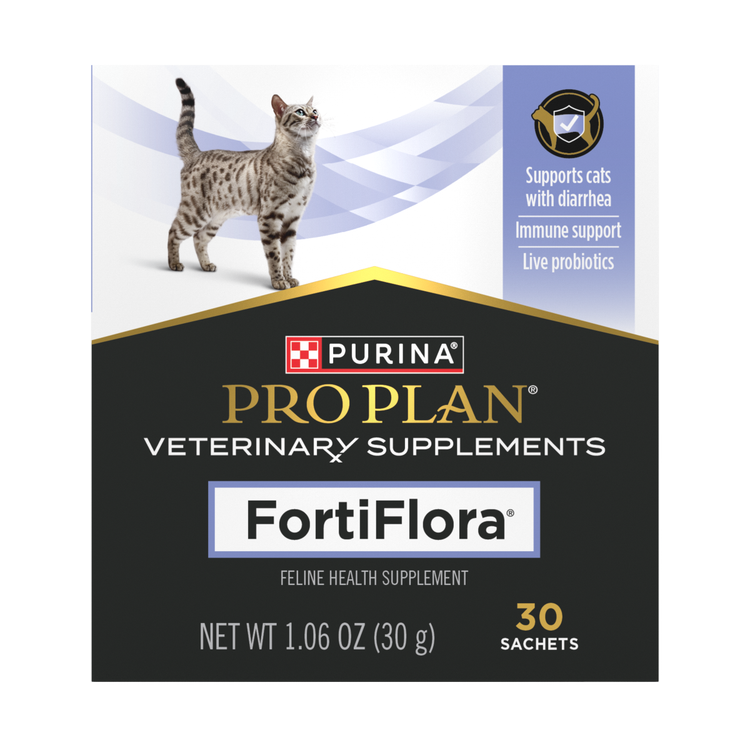
Credit: www.purina.com
Over-the-counter Options
Over-the-counter options offer simple ways to support your cat’s digestive health. These products help ease common issues like upset stomach or poor digestion. They are widely available and easy to use at home. Understanding which options work best can improve your cat’s comfort and digestion.
Digestive Enzyme Supplements
Digestive enzyme supplements help break down food better. They assist your cat’s body in absorbing nutrients. These supplements contain enzymes like protease, lipase, and amylase. They support digestion of proteins, fats, and carbohydrates.
Many cats benefit from enzyme supplements if they have trouble digesting certain foods. They come in powder or capsule form. You can add them to your cat’s food daily. Always follow dosage instructions on the label.
Cat-safe Antacids
Cat-safe antacids reduce stomach acid and soothe irritation. They help with symptoms like acid reflux and upset stomach. Common antacid ingredients include calcium carbonate and magnesium hydroxide. These ingredients are gentle and safe for cats in proper doses.
Use antacids only for short-term relief. Prolonged use can cause other health issues. Consult your vet before starting antacids to ensure safety. Proper dosage and timing are important for best results.
When To See A Vet
Knowing when to see a vet is crucial for your cat’s digestive health. Some signs show mild issues that may improve at home. Others signal serious problems needing prompt medical care. Early vet visits help prevent complications and ease your cat’s discomfort. Pay close attention to your cat’s behavior and symptoms to decide if a vet visit is necessary.
Warning Signs Needing Immediate Care
- Persistent vomiting or diarrhea lasting more than 24 hours
- Blood in vomit or stool
- Severe abdominal pain or swelling
- Sudden loss of appetite and lethargy
- Dehydration signs like dry gums or sunken eyes
- Difficulty breathing or sudden weakness
- Weight loss happening quickly
These signs may indicate serious conditions like infections, blockages, or poisoning. Do not delay in seeking veterinary help if any appear. Quick care can save your cat’s life.
Diagnostic Procedures
Veterinarians use different tests to find the cause of digestive issues. They often start with a physical exam and a detailed history. Blood tests check for infections, organ function, and inflammation. Stool tests reveal parasites or bacterial problems. X-rays or ultrasounds show blockages, masses, or organ changes. Sometimes, a biopsy or endoscopy is needed for a precise diagnosis.
These procedures help the vet create the best treatment plan. Early diagnosis improves the chances of a full recovery.
Preventing Future Digestive Issues
Preventing future digestive issues in cats is essential for their long-term health. A healthy digestive system helps your cat absorb nutrients and stay active. Taking simple steps can reduce the risk of stomach problems and discomfort.
Good habits support your cat’s digestion and overall well-being. Consistency and care make a big difference in keeping your cat happy and healthy.
Balanced Diet Planning
Feed your cat a diet rich in fiber and essential nutrients. Include proteins, vitamins, and minerals tailored to feline needs. Avoid sudden changes in food to prevent stomach upset. Consult your vet for the best diet choices for your cat’s age and health.
Regular Feeding Schedule
Set fixed feeding times each day. Small, frequent meals help digestion better than one large meal. This routine supports steady energy levels and reduces hunger-related stress. Keep fresh water available at all times to aid digestion.
Avoiding Harmful Foods
Keep your cat away from toxic foods like onions, garlic, and chocolate. Avoid giving dairy products or raw meat without veterinary advice. Human snacks can cause digestive upset or poisoning. Always check if treats are safe and suitable for cats.

Credit: vetiq.com
Frequently Asked Questions
What Foods Improve My Cat’s Digestive Health?
Feeding high-quality protein, fiber-rich veggies, and probiotics supports digestion. Avoid fillers and artificial ingredients to prevent upset stomachs. Hydration is also key for smooth digestion.
Can Probiotics Help My Cat’s Digestion?
Yes, probiotics balance gut bacteria and reduce digestive issues. They improve nutrient absorption and boost immune health. Use vet-approved probiotic supplements or probiotic-rich foods for best results.
Which Natural Remedies Aid Cat Digestion?
Pumpkin puree, slippery elm, and ginger soothe the digestive tract. These natural remedies ease constipation and inflammation. Always consult your vet before trying new supplements.
How Do I Know If My Cat Has Digestion Problems?
Look for symptoms like vomiting, diarrhea, constipation, or weight loss. Changes in appetite or stool consistency also signal issues. Early vet consultation ensures proper diagnosis and treatment.
Conclusion
Giving your cat the right food helps keep their tummy happy. Probiotics and fiber support good digestion and reduce upset. Fresh water is important to keep things moving smoothly. Avoid feeding harmful human foods or too many treats. Watch your cat’s behavior and stool for any changes.
Always check with your vet before adding supplements or new foods. Small steps can make a big difference in your cat’s health. Healthy digestion means a happier, more active cat every day. Simple care goes a long way for your furry friend.



Leave a Reply