Are you wondering if it’s time to change your kitten’s food? Knowing when to switch from kitten food to adult cat food is important for your cat’s health and happiness.
Feeding the right food at the right time helps your furry friend grow strong and stay active. But how do you know the perfect moment to make this change? Keep reading, and you’ll discover simple signs and tips to ensure your cat gets the best nutrition at every stage of life.
Don’t miss out—your cat’s well-being depends on it!
Credit: www.petsmart.com
Kitten Food Benefits
Choosing the right food for your kitten is crucial during their early months. Kitten food offers special benefits designed to meet their unique needs. Understanding these benefits helps you provide the best nutrition for your furry friend’s growth and health.
Nutritional Needs Of Kittens
Kittens need more calories and nutrients than adult cats because they are growing rapidly. Kitten food is packed with higher protein levels to support muscle and tissue development. It also contains essential vitamins and minerals like calcium and phosphorus, which are vital for strong bones and teeth.
Have you noticed how your kitten seems to burn energy faster than an adult cat? That’s why kitten food has more fat content to fuel their playful and curious nature. Feeding them adult cat food too early might leave them lacking the energy they need to explore and learn.
Growth And Development Support
Kitten food contains special ingredients that support brain and eye development, such as DHA, an omega-3 fatty acid. This nutrient is often missing in adult cat food but is critical for your kitten’s cognitive skills and vision.
Beyond nutrients, the texture of kitten food is softer and easier for young kittens to chew and digest. When my kitten switched too soon to adult food, she struggled with the harder kibble, showing me how important the right texture is during growth phases.
Are you sure your kitten is getting the right balance to grow strong and healthy? Sticking to kitten food until they reach the proper age ensures they get everything they need for a smooth transition to adult life.
Credit: www.purina.com
Signs Your Kitten Is Ready
Recognizing when your kitten is ready to switch from kitten food to adult cat food is important for their health. This change supports their growth and energy needs properly. Watch for clear signs that show your kitten is growing out of their current diet.
Age Milestones
Kittens typically start eating adult food at about one year old. Some may be ready a little earlier, around 10 months. This timing matches their growth slowing down and reaching maturity. Age gives a general guideline for the right moment to switch foods.
Weight And Size Indicators
Your kitten’s weight and size can show readiness for adult food. Most cats reach about 80-90% of their adult weight by 10 to 12 months. If your kitten looks full-grown and weighs near their adult size, they may be ready. Tracking weight helps ensure the diet matches their growth stage.
Behavioral Changes
Changes in eating habits can signal readiness for adult food. Kittens may start eating less or show less energy as they grow older. They might also lose the playful burst typical of young kittens. These behavior shifts suggest their nutritional needs are changing.
Differences Between Kitten And Adult Food
Kittens need food rich in nutrients to support growth, while adult cats require balanced meals for maintenance. Switching usually happens around one year old, as their dietary needs change. Proper timing helps keep cats healthy and energetic.
Understanding the differences between kitten and adult cat food is essential for your feline friend’s health. As your kitten matures, their nutritional needs evolve, necessitating a change in diet. Knowing what distinguishes kitten food from adult cat food ensures that you make informed decisions at the right time. Let’s dive into the key differences.Calorie Content
Kittens are bundles of energy. To support their growth and relentless playfulness, kitten food is packed with higher calorie content. These extra calories help fuel their rapid development and active lifestyle. As cats transition into adulthood, their energy needs typically decline. Adult cat food is formulated with fewer calories to prevent weight gain and maintain a healthy weight. Pay attention to your cat’s activity level to determine the right calorie intake.Protein And Fat Levels
Kittens require more protein and fat to build strong muscles and support their rapid growth. Kitten food is therefore rich in these nutrients, essential for their development. Adult cats, however, need a balanced amount of protein and fat to maintain their muscle mass. Excessive protein and fat can lead to health issues like obesity. Switching to adult cat food helps regulate these nutrient levels.Vitamin And Mineral Balance
During the early stages of life, kittens need an abundance of vitamins and minerals. Nutrients like calcium, phosphorus, and vitamin D are crucial for bone development. Kitten food is fortified with these essential nutrients. As cats mature, their needs shift. Adult cat food is designed to provide a balanced intake of vitamins and minerals that support overall health and longevity. Consider your cat’s specific health needs when choosing the right food. Are you attentive to your cat’s changing dietary needs? Observing their behavior and consulting with a vet can guide you in making the switch at the right time. Your cat’s well-being is worth the effort.Transitioning Process
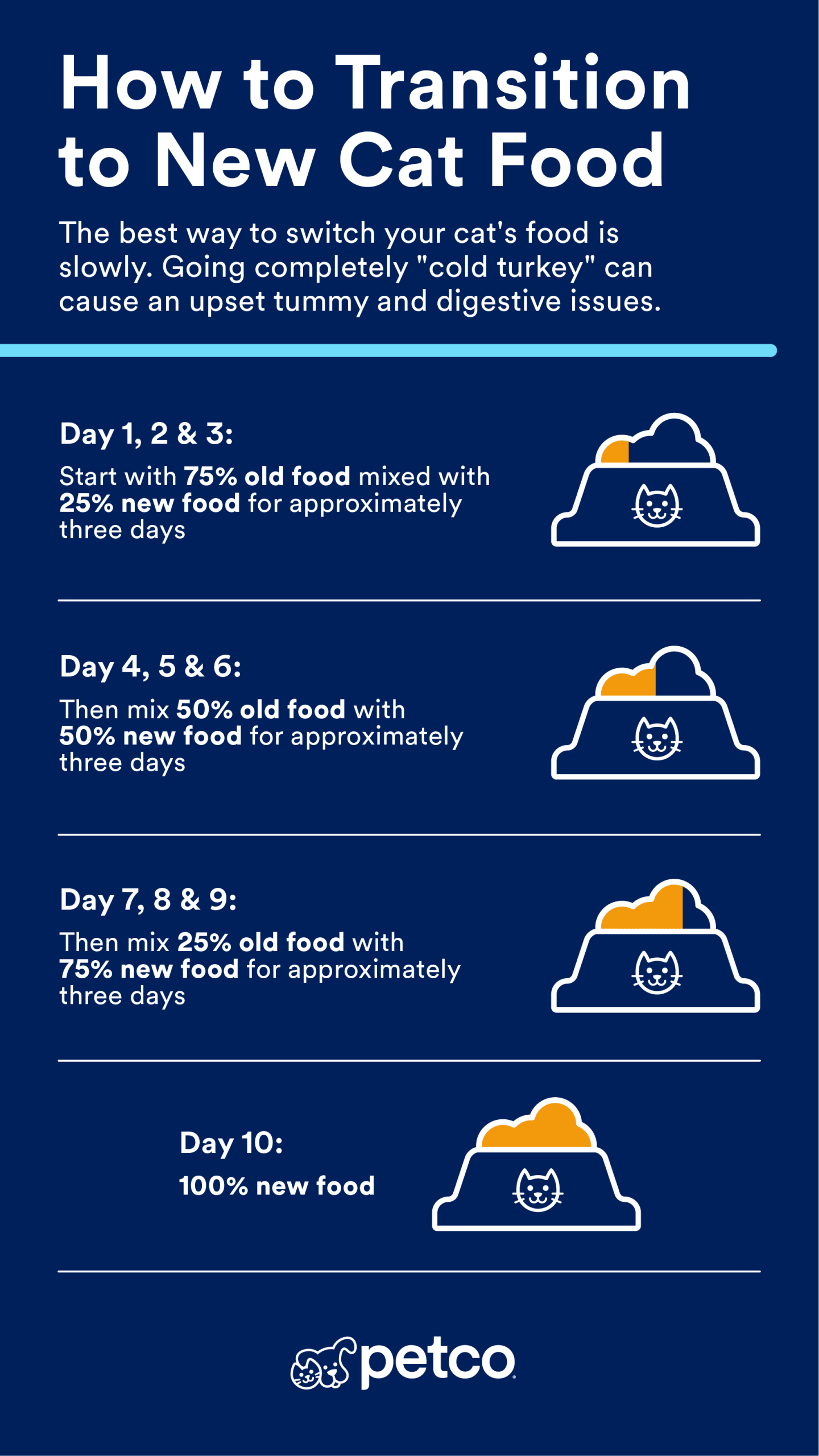
Switching your cat from kitten food to adult cat food is more than just changing the bowl’s contents. The transitioning process requires patience and attention to your cat’s unique needs. Doing it right helps avoid digestive issues and ensures your feline friend enjoys their meals while staying healthy.
Gradual Food Mixing
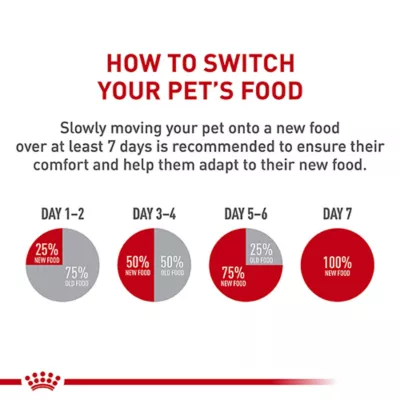
Start by mixing a small amount of adult food with the kitten food. Gradually increase the adult food portion over 7 to 10 days. This slow change helps your cat’s digestive system adjust without upsetting their stomach.
Watch how your cat reacts to the new mixture. If they refuse to eat or show signs of discomfort, slow down the transition even more. Your goal is to make the switch feel natural and stress-free.
Monitoring Health And Digestion
Keep a close eye on your cat’s stool consistency and overall energy levels during the transition. Changes in digestion can signal if the new food agrees with them. Loose stools or constipation mean you might need to pause or adjust the switch.
Also, observe your cat’s coat and activity. A shiny coat and playful behavior usually mean the new diet is working well. If you notice lethargy or dull fur, consult your vet to rule out any nutritional gaps.
Adjusting Meal Frequency
Kittens often eat more frequent, smaller meals throughout the day. Adult cats typically do well with two meals daily. As you switch foods, start adjusting meal times to suit adult feeding patterns.
This shift helps prevent overeating and supports better digestion. Ask yourself: Has your cat’s appetite changed? Use that as a guide to tweak their meal schedule for optimal health.
Common Mistakes To Avoid
Knowing when to switch your kitten to adult cat food is crucial, but many pet owners make avoidable mistakes during this transition. These errors can affect your cat’s health and growth. Let’s look at the common pitfalls and how you can steer clear of them.
Switching Too Early
Changing your kitten’s diet before they’re ready can cause nutritional gaps. Kittens need extra protein and calories for their rapid growth, which adult food might not provide. If you switch too soon, your cat might miss vital nutrients, leading to developmental issues.
Ask yourself: Is your kitten fully grown or still active and playful? Most cats are ready around 12 months old, but some breeds mature slower. Watch their behavior and body condition to decide the right time.
Abrupt Diet Changes
Switching your cat’s food suddenly can upset their stomach. Cats often react with vomiting, diarrhea, or loss of appetite when their diet changes too fast. Gradual mixing of the new adult food with the old kitten food over 7 to 10 days can help avoid this.
I once rushed this change with my own cat and faced a week of digestive issues. Take it slow and observe how your cat responds daily. Patience here pays off in a happy, healthy transition.
Ignoring Individual Needs
Every cat is unique, and their dietary needs can vary widely. Some may require specialized adult formulas for weight control, allergies, or sensitive stomachs. Ignoring these factors can lead to discomfort or health problems.
Consider your cat’s breed, health status, and activity level before picking adult food. Consult your vet if you notice any signs of intolerance or if your cat has special dietary needs. Are you truly tuning into what your cat needs, or just following general advice?
Credit: www.purina.com
Special Considerations
Choosing the right time to switch from kitten food to adult cat food depends on more than just age. Some cats have special needs that affect this change. Paying attention to these details helps keep your cat healthy and happy. Here are some important special considerations to think about.
Breed-specific Needs
Different cat breeds grow at different rates. Larger breeds may need kitten food longer to support growth. Smaller breeds might switch earlier. Some breeds have unique nutritional needs. For example, Siamese cats may require specific nutrients. Check your cat’s breed traits to choose the best food timing.
Health Conditions
Cats with health issues may need special diets. Kidney problems, allergies, or digestive troubles affect food choices. Your vet can advise on the right time to switch foods. Special diets might delay or speed up the change from kitten to adult food. Always follow medical advice for these cases.
Indoor Vs. Outdoor Cats
Indoor cats often have lower energy needs. Their adult food might be lower in calories. Outdoor cats burn more energy and may need richer food longer. Outdoor cats might stay on kitten food for extra nutrition. Consider your cat’s lifestyle to decide the best food switch time.
Tips For Choosing Adult Cat Food
Choosing the right adult cat food can feel overwhelming with so many options on the market. But focusing on a few key factors makes the decision easier and more effective for your cat’s health. Here are practical tips to guide you through picking the best adult cat food.
Reading Labels
Labels reveal what’s really inside the food you’re feeding your cat. Look for clear ingredient lists where real meat is the first item, not fillers like corn or wheat.
Check for essential nutrients such as taurine, which is vital for your cat’s heart and vision. Also, pay attention to the guaranteed analysis to see protein, fat, and moisture percentages.
Ask yourself: Does this food meet my cat’s specific needs? Reading labels carefully helps you avoid low-quality products that might harm your pet’s health over time.
Consulting Your Veterinarian
Your vet knows your cat’s health history and can recommend foods that suit their age, weight, and lifestyle. Don’t hesitate to bring up any concerns or special dietary needs your cat might have.
Sometimes, your vet might suggest prescription diets or specific brands based on medical conditions. Getting professional advice ensures you’re not guessing but choosing the best option backed by expertise.
Have you asked your vet about the best adult food for your cat yet? Their guidance can save you time and prevent nutritional mistakes.
Quality Ingredients
High-quality ingredients make a noticeable difference in your cat’s energy and coat shine. Seek foods that include named protein sources like chicken, turkey, or fish rather than vague terms like “meat by-product.”
Ingredients like whole grains, vegetables, and added vitamins provide extra benefits but avoid foods loaded with artificial colors, flavors, or preservatives.
Think about what you would want to eat every day—would you choose something processed and low in nutrients? Your cat deserves the same care in their diet.
Frequently Asked Questions
When Should I Switch My Kitten To Adult Cat Food?
Most cats transition at 12 months old. This is when growth slows and nutritional needs change. Consult your vet for specific advice.
What Signs Show My Kitten Needs Adult Cat Food?
Reduced growth rate, less energy, and changes in weight often indicate the need. Also, check for chewing or digestion issues.
Is It Harmful To Switch Cat Food Too Early?
Yes, early switching can cause digestive upset and nutrient deficiencies. It’s best to wait until your kitten is ready.
How To Transition From Kitten To Adult Cat Food?
Gradually mix adult food into kitten food over 7-10 days. This helps avoid digestive problems and ensures a smooth change.
Conclusion
Switching from kitten to adult cat food matters for your cat’s health. Watch their age and weight closely. Usually, cats need adult food around one year old. Adult food supports their slower growth and energy needs. Keep checking your cat’s behavior and appetite.
Changes in food should be gradual to avoid upset stomachs. Healthy eating helps your cat live longer and feel better. Trust your instincts and ask a vet if unsure. Feeding the right food at the right time shows you care.
Simple steps, big benefits.



Leave a Reply