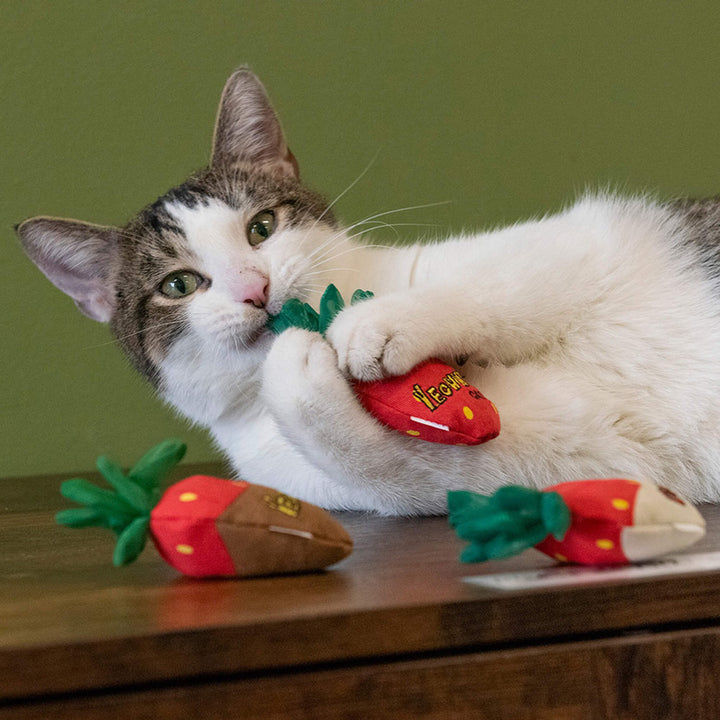
Are you wondering when it’s safe to give your cat a catnip toy? You want to make sure your furry friend enjoys playtime without any risks.
Knowing the right age to introduce catnip toys can help you keep your cat happy and healthy. You’ll discover exactly when your cat can start enjoying catnip and how to use these toys to bring out their playful side. Keep reading to learn the best tips for giving your cat a fun and safe experience!
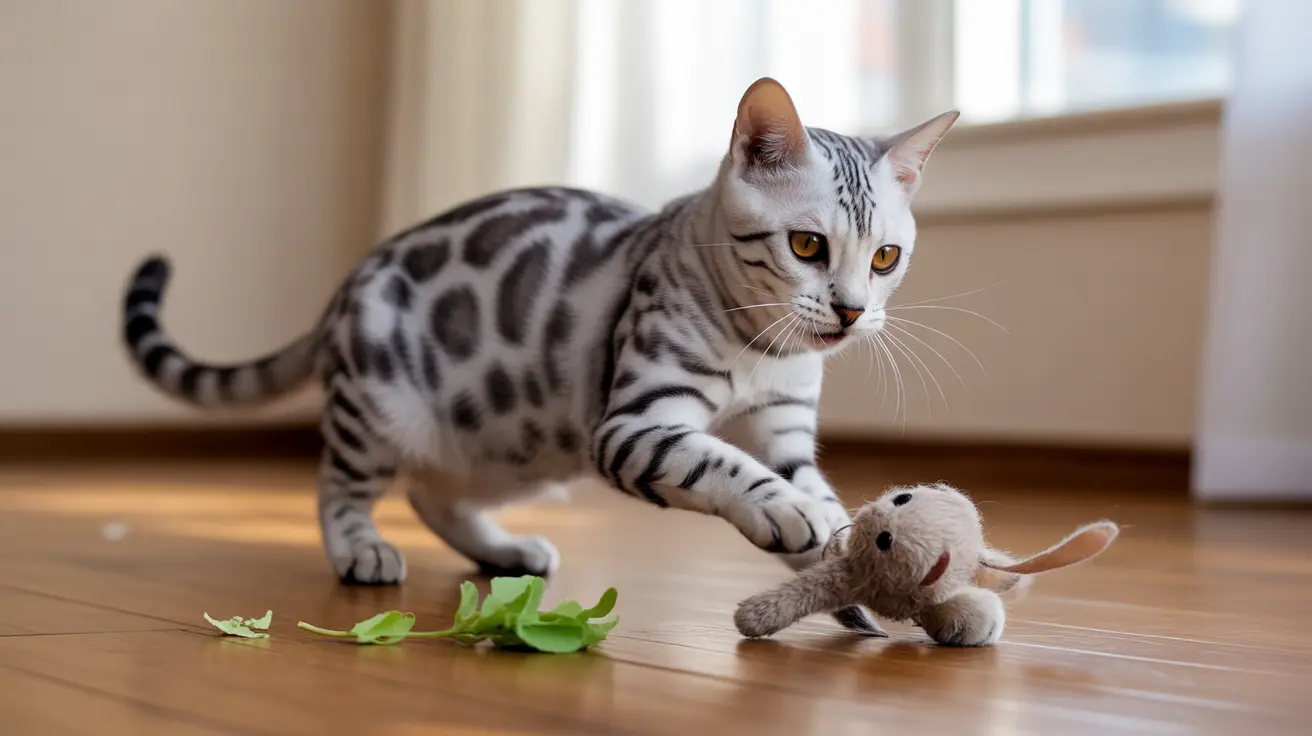
Credit: www.petscare.com
When To Introduce Catnip Toys
Knowing the right time to introduce catnip toys to your cat is important for their enjoyment and safety. Not all cats react to catnip the same way, and kittens especially need careful timing before they start playing with these toys. Understanding when your kitten is ready can make the experience fun and beneficial for both of you.
Ideal Age For Catnip Exposure
Most kittens begin to respond to catnip between 3 to 6 months of age. Before this, their sensitivity to the active compound in catnip, called nepetalactone, is usually low or nonexistent. Introducing catnip toys too early might not interest your kitten and could even confuse them.
Waiting until your kitten is at least 3 months old gives their senses time to develop fully. This also helps prevent overwhelming them with strong scents or new stimuli. You can try offering a small amount of catnip toy and watch how your kitten reacts.
Signs Your Kitten Is Ready
Watch for signs that your kitten is curious and playful around other toys first. If they actively explore new objects and show interest in scents, they might be ready to try catnip. Some kittens may sniff, lick, or gently bite the catnip toy as their first response.
Notice if your kitten starts rubbing their face or rolling around near the toy. These are good indicators that they are enjoying the catnip. However, if your kitten ignores the toy or seems scared, give it more time before trying again.
Have you seen your kitten’s unique reaction to catnip toys? Sharing these moments helps you understand their personality better and choose the best toys for them.
Benefits Of Catnip Toys
Catnip toys offer several benefits that improve a cat’s daily life. They engage a cat’s natural instincts, making playtime fun and healthy. These toys help cats stay active and calm at the same time. Introducing catnip toys at the right age can support your cat’s physical and mental health.
Stimulating Play And Exercise
Catnip toys encourage cats to chase, pounce, and bat. This movement helps keep their muscles strong and joints flexible. Regular play also prevents boredom, which can lead to bad behavior. Catnip’s scent excites cats, making them eager to interact with their toys. This stimulation promotes healthy exercise habits.
Reducing Stress And Anxiety
Catnip has a calming effect on many cats. It helps them relax and feel safe in their environment. Playing with catnip toys can reduce nervousness and restlessness. This is especially useful in new or noisy places. Stress relief improves a cat’s overall mood and wellbeing.
Safety Tips For Catnip Toys
Kittens under six months should avoid catnip toys as their reactions can be unpredictable. Adult cats enjoy catnip safely, but always supervise playtime to prevent choking or ingestion of small parts.
Cats adore catnip toys, but safety is key. Understanding how to keep playtime safe ensures your cat enjoys their toys without risk. Let’s explore some essential safety tips for catnip toys.Choosing Safe Materials
Select toys crafted from durable, non-toxic materials. Avoid small parts that can be swallowed. Opt for sturdy fabrics that resist tearing. Check labels for safety certifications. Choose toys filled with organic catnip for extra safety.Monitoring Playtime
Supervise your cat during play. This prevents ingestion of toy parts. Limit play sessions to prevent overstimulation. Look for signs of wear and discard damaged toys. Regularly inspect toys for loose threads or stuffing.
Credit: www.catmumjournal.co.uk
How Catnip Affects Different Cats
Catnip doesn’t affect every cat the same way. You might notice your cat goes wild with excitement, while another barely reacts. Understanding these differences helps you decide when and how to introduce catnip toys to your furry friend.
Variations In Catnip Sensitivity
Not all cats respond to catnip because sensitivity is inherited. About 50% to 75% of cats show a reaction, while others simply ignore it.
Kittens under three months usually don’t respond at all. Their senses aren’t fully developed yet, so giving catnip toys too early might not have any effect.
Older cats or those with less active senses might react less or lose interest over time. Have you noticed your cat’s reaction changes as they grow?
Behavioral Responses
When cats react to catnip, their behaviors vary widely. Some become playful, chasing or batting toys with extra energy.
Others may become calm and relaxed, enjoying a peaceful nap after a few minutes of stimulation. Pay attention to your cat’s mood shifts—it can tell you a lot about their personality.
Occasionally, some cats show mild aggression or anxiety. If this happens, it’s best to limit catnip exposure and watch for signs of discomfort.
Alternatives To Catnip Toys
Not all cats respond to catnip, and some kittens may be too young to enjoy it safely. Luckily, there are other natural options and toy ideas that can keep your feline friend entertained without catnip. These alternatives can help you provide fun and stimulation tailored to your cat’s unique preferences and age.
Silvervine And Valerian Root
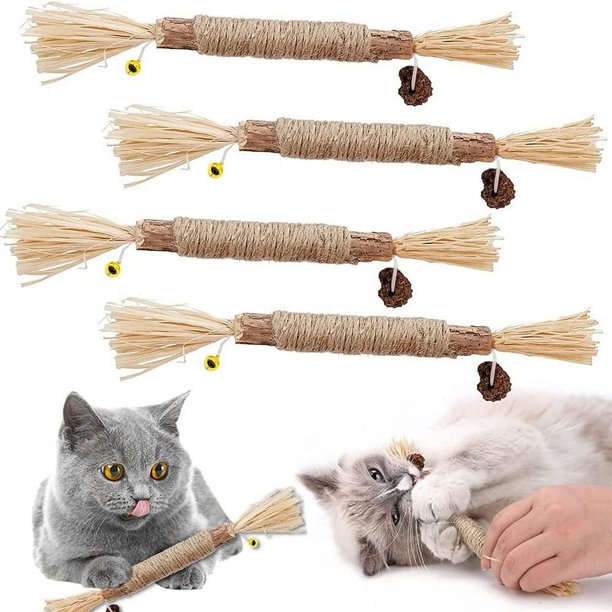
Silvervine is a plant that affects cats in a way similar to catnip, but many cats who don’t react to catnip enjoy silvervine. It’s safe for kittens and adult cats, offering a different scent and taste to explore. Valerian root is another option that some cats find exciting and stimulating, often causing playful behavior and relaxation.
Both silvervine and valerian root come in powders, sticks, or sprays, making it easy to add them to toys or scratching posts. If your kitten seems uninterested in catnip, trying silvervine or valerian root could spark their curiosity and playfulness. Have you noticed your cat’s reaction to these alternatives yet?
Interactive Toys Without Catnip
Interactive toys that don’t rely on catnip can be just as engaging and are perfect for kittens and adult cats alike. Toys with feathers, bells, or moving parts encourage physical activity and mental stimulation. Laser pointers and wand toys allow you to bond with your cat while helping them burn energy.
Consider puzzle feeders that challenge your cat to work for treats or toys that mimic prey movements. These options keep your cat busy and happy without any plant-based stimulation. What interactive toys does your cat prefer when catnip isn’t an option?
Maintaining Catnip Toys
Maintaining your cat’s catnip toys is essential to keep them safe, enjoyable, and effective. Over time, catnip loses its scent and potency, which can make the toys less interesting for your feline friend. Proper care extends the life of these toys and keeps your cat engaged and happy.
Cleaning And Replacement
Catnip toys can get dirty or worn out quickly, especially if your cat loves to chew and toss them around. Clean the toys gently by hand-washing with mild soap and cool water. Avoid using harsh detergents or bleach, as these can harm your cat or leave unpleasant smells.
Dry the toy completely before giving it back to your cat to prevent mold or mildew. Pay attention to signs of wear and tear—loose seams or stuffing coming out means it’s time to replace the toy. Have you noticed your cat losing interest? That’s a strong hint your catnip toy needs refreshing.
Storing To Preserve Freshness
Keeping catnip toys fresh means storing them properly. Store unused or extra toys in airtight containers to lock in the scent and prevent the catnip from drying out. You can even place a small amount of dried catnip inside a sealed bag with the toys to boost their aroma when needed.
Keep the toys away from direct sunlight and humidity, which can quickly degrade the catnip’s quality. Have you ever opened a toy only to find the catnip completely flat and scentless? Proper storage can prevent that disappointment and keep your cat’s playtime exciting for longer.
Credit: www.walmart.ca
Frequently Asked Questions
At What Age Can Kittens Play With Catnip Toys?
Kittens can start playing with catnip toys around 3 to 6 months old. Before this age, they may not react to catnip. Introducing catnip toys gradually helps ensure safety and enjoyment for young cats.
Is Catnip Safe For Young Cats?
Yes, catnip is generally safe for young cats when used in moderation. Avoid excessive exposure to prevent overstimulation or digestive upset. Always supervise your kitten during catnip play to ensure a positive experience.
How Does Catnip Affect Kittens Differently?
Kittens under 3 months often show little to no reaction to catnip. Older kittens may experience excitement, playfulness, or calmness. Sensitivity to catnip is genetic, so reactions vary among individual cats.
Can Catnip Toys Benefit A Kitten’s Development?
Catnip toys stimulate kittens’ senses and encourage physical activity. They promote mental engagement and help reduce stress. Using catnip toys wisely supports healthy play habits and bonding with your kitten.
Conclusion
Cats usually enjoy catnip toys after three to six months old. Young kittens may not react much to catnip. Always watch your cat’s reaction when giving new toys. Some cats love catnip, while others do not care. Use catnip toys in small amounts to keep play safe.
These toys help cats stay active and happy. Choosing the right age makes playtime fun and healthy. Remember, every cat is different and learns at its own pace. Keep your cat’s comfort and safety as top priorities.



Leave a Reply