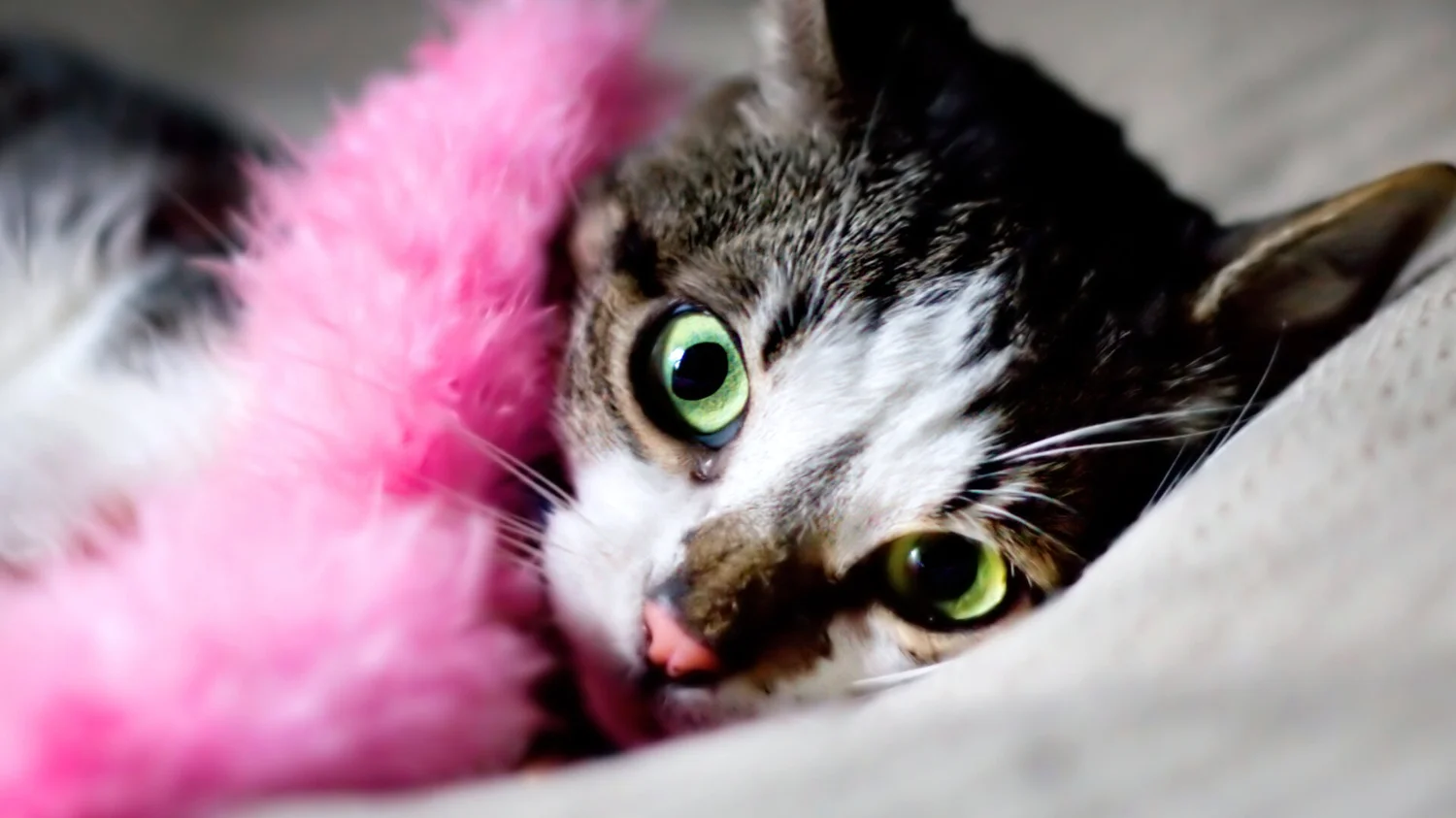
Have you ever noticed your cat yowling while playing with her toy and wondered why she does it? It can be surprising—and even a little confusing—to hear those loud sounds during what seems like a fun moment.
But your cat’s yowl isn’t random; it’s her way of communicating something important. Understanding why your furry friend makes these noises can help you connect with her better and make playtime even more enjoyable. Keep reading to discover the surprising reasons behind your cat’s yowling and how you can respond to her needs.
Cat Yowling Behavior
Cats express themselves in many ways, and yowling is one of them. This vocal behavior can seem strange, especially when your cat yowls at her toy. Understanding cat yowling behavior helps you connect better with your pet. It also gives clues about what your cat feels or needs during playtime.
Common Cat Vocalizations
Cats use different sounds to communicate. Each sound has a meaning. Some common vocalizations include:
- Meowing – Often used to get attention or ask for something.
- Purring – A sign of comfort and happiness.
- Hissing – Shows fear or warning.
- Chirping – Happens when cats spot birds or small animals.
- Yowling – A long, loud cry used in various situations.
Yowling stands out because it is louder and more intense than meowing. It can express excitement, frustration, or even loneliness.
When Yowling Happens
Cats yowl at their toys for different reasons. Sometimes, it happens during play to mimic hunting sounds. This makes the game more real and fun for them.
Other times, yowling shows frustration if the toy is hard to catch or move. It can be a way for your cat to release energy and stress.
Yowling also happens when your cat wants your attention. She may want you to join the play or give her more toys.

Credit: moderncat.com
Yowling During Play
Yowling during play is a curious behavior that many cat owners notice but don’t fully understand. When your cat yowls with her toy, it’s more than just noise—it’s her way of communicating something important. This vocalization can reveal how she feels about the game and what she might be experiencing emotionally or physically.
Interaction With Toys
Your cat’s yowl often happens when she’s deeply engaged with a toy. It can be a sign of excitement or frustration. For instance, if the toy moves unpredictably, your cat might yowl out of intense focus or to mimic hunting sounds.
Think about how your cat reacts to different toys. Does she yowl more with feather wands or stuffed mice? This can give you clues about what triggers her vocalizations. Sometimes, yowling happens because the toy simulates prey well, and your cat is expressing the thrill of the chase.
Emotional Triggers
Yowling isn’t always about play mechanics; it can be tied to your cat’s emotions. She might yowl because she’s feeling overstimulated or wants your attention. Cats are very expressive, and loud vocalizations can be their way of saying, “I’m really into this” or “I need help.”
Have you noticed if your cat’s yowling changes when she’s tired or anxious? Emotional states can make her more vocal during playtime. Try observing her body language—ears, tail, and eyes—to understand what her yowls mean in context.
Hunting Instincts
Cats yowl with toys because their hunting instincts kick in. The sound mimics calls to catch prey or show excitement during play. This behavior helps them practice skills they use in the wild.
Understanding your cat’s behavior can often feel like decoding a mystery. One intriguing habit is when your cat yowls with her toy. This behavior is deeply rooted in her hunting instincts, a trait inherited from her wild ancestors. Even though your feline friend might be well-fed and pampered, her innate drive to hunt remains strong. These instincts manifest in playful behaviors that mimic hunting, keeping her skills sharp and instincts alive.Toy As Prey Substitute
Cats see toys as stand-ins for prey. When your cat yowls with her toy, she might be announcing her “catch” to you, much like she would in the wild. The toy becomes an object of her hunting success. Have you noticed how she pounces on a toy mouse or feather? This act is a direct reflection of her prey-catching techniques. Providing her with toys that resemble small animals can enhance this experience, allowing her to satisfy her hunting urges safely indoors.Chasing And Capturing
The thrill of the chase is a powerful motivator for cats. When your feline chases a toy, she’s engaging in a natural behavior that mimics stalking prey. The act of chasing and capturing helps her expend energy and stay mentally stimulated. Observe how your cat strategically positions herself before pouncing. This behavior is a testament to her natural predatory skills. Encouraging these instincts with interactive play sessions can strengthen your bond and keep her healthy. Have you ever tried using a laser pointer or a feather wand? These toys can mimic the erratic movements of prey, providing a satisfying hunting experience. By understanding and nurturing these instincts, you contribute to your cat’s overall well-being and happiness.Communication Signals
Cats use a variety of vocalizations to express their feelings and intentions. When your cat yowls with her toy, she is sending you communication signals that go beyond simple play. Understanding these signals can help you connect better with your feline friend and respond to her needs more effectively.
Expressing Excitement
Your cat’s yowl while playing with a toy often shows excitement. It’s her way of sharing the thrill of the chase or the hunt. You might notice her tail twitching or her eyes wide open, signaling she’s fully engaged in the moment.
Think about how a cat might yowl differently when she’s happy versus when she’s frustrated. The excitement yowl is usually sharp and energetic, almost like a cheer. Have you ever caught your cat making these sounds right before pouncing? That’s pure enthusiasm in action.
Seeking Attention
Sometimes, your cat’s yowl is a call for your focus. She may want you to join the fun or simply acknowledge her playful mood. This vocalization can be her way of saying, “Look at me!” or “Play with me!”
If you ignore her yowling, she might increase the volume or intensity, showing just how important your response is to her. You can test this by engaging with her toy or giving her a quick pet to see if the yowling stops. How often do you find that your cat’s yowl leads to a fun interaction?
Stress And Anxiety Factors
Stress and anxiety can cause cats to yowl at their toys. These sounds may show discomfort or nervousness. Understanding these factors helps improve your cat’s comfort. Two main causes are overstimulation and changes in the environment.
Overstimulation
Sometimes, too much play can make a cat feel overwhelmed. Overstimulation happens when a cat gets too excited or nervous during play. This can lead to loud yowling or sudden bursts of energy. Cats may also bite or scratch more than usual. Watching your cat’s behavior helps you know when to pause playtime. Gentle interaction calms your cat and reduces yowling.
Environmental Changes
Changes in a cat’s surroundings can cause stress and anxiety. Moving to a new home or rearranging furniture can confuse cats. New noises or unfamiliar people also add to their stress. A cat may yowl at toys as a way to express unease. Keeping a stable environment with familiar items helps your cat feel safe. Small changes done slowly give your cat time to adjust.

Credit: moderncat.com
Health Considerations
Health plays a crucial role in how your cat behaves with her toys. Sometimes, yowling is more than just excitement or playfulness—it can signal an underlying issue. Paying attention to these health signs helps you understand if your furry friend needs extra care or a visit to the vet.
Pain Or Discomfort
Your cat might yowl during play if she feels pain or discomfort. Toys that are too hard or sharp can hurt her paws or mouth. Even a small injury can make her react loudly when she interacts with her toy.
Notice if she avoids certain toys or stops playing altogether after yowling. She might have dental problems, arthritis, or a sore spot that flares up during play. Watching her closely can reveal if the yowling is linked to physical pain.
When To Consult A Vet
Ask yourself: Is the yowling sudden or worsening over time? If your cat’s vocalizations change along with other signs like limping, loss of appetite, or changes in behavior, it’s time to seek professional help.
Your vet can check for hidden problems causing the discomfort. Early diagnosis and treatment can prevent more serious issues and keep your cat happy during playtime.
Don’t wait if you notice persistent yowling or any unusual behavior. Your cat’s health and comfort should always come first.
Encouraging Positive Play
Encouraging positive play helps transform your cat’s yowling from a sign of frustration into a fun and engaging activity. Play is essential for your cat’s mental and physical health, so making it enjoyable benefits both of you. Understanding how to choose the right toys and interact effectively can turn playtime into a bonding experience.
Choosing The Right Toys
Not all toys spark the same excitement in cats. Your cat may yowl because the toy doesn’t match her hunting instincts or energy level.
Look for toys that mimic prey, such as feather wands or small, moving objects. Cats often prefer toys that move unpredictably, like battery-operated mice or balls with bells inside.
Consider your cat’s preferences—some love chasing strings, while others enjoy pouncing on plush toys. Rotate toys regularly to keep her interest high and prevent boredom.
Interactive Play Tips
Engaging directly with your cat during play turns yowling into joyful communication. Use toys that allow you to control the action, like wand toys, to simulate a hunt.
- Move the toy slowly at first, then speed up to catch her attention.
- Let her catch the toy occasionally to satisfy her hunting drive.
- Watch her body language and adjust your play style to her mood.
Ask yourself: Are you making playtime a shared adventure or just tossing toys from a distance? Your involvement can reduce her yowling and increase her happiness.

Credit: www.reddit.com
Frequently Asked Questions
Why Does My Cat Yowl While Playing With Toys?
Cats yowl during play to mimic hunting sounds. It shows excitement and mimics capturing prey. This behavior is normal and expresses their natural instincts.
Is Yowling With Toys A Sign Of Distress?
Usually, no. Yowling with toys often signals excitement or playfulness, not distress. However, if it’s loud or persistent, consult a vet.
Can Yowling Indicate My Cat Is Bored With Toys?
Yes, yowling may mean your cat wants more stimulation. Try new toys or interactive play to keep her engaged and happy.
Does My Cat Yowl To Get My Attention During Play?
Yes, cats often yowl to communicate or get your attention. It’s their way of involving you in their playtime.
Conclusion
Cats yowl with their toys to show excitement or protect their catch. This behavior is natural and part of their hunting instincts. Understanding this helps you connect better with your pet. Pay attention to your cat’s sounds and body language.
It strengthens your bond and keeps your cat happy. Enjoy playtime and watch your cat express its true nature. Small actions lead to a joyful, healthy relationship with your furry friend.

Leave a Reply