Have you noticed your cat’s fur looking dull or messy lately? Your furry friend usually spends a lot of time grooming, so when that stops, it’s a sign something might be wrong.
Knowing how to tell if your cat is not grooming properly can help you catch health problems early. You’ll learn the clear signs to watch for and what you can do to help your cat feel better. Keep reading to make sure your cat stays happy and healthy.
Changes In Coat Appearance
Your cat’s coat is often the first sign that something is off with their grooming habits. Changes in coat appearance can signal that your feline friend isn’t grooming properly, which might hint at underlying health or behavioral issues. Paying close attention to these changes helps you catch problems early and ensure your cat stays comfortable and healthy.
Mattes And Tangles
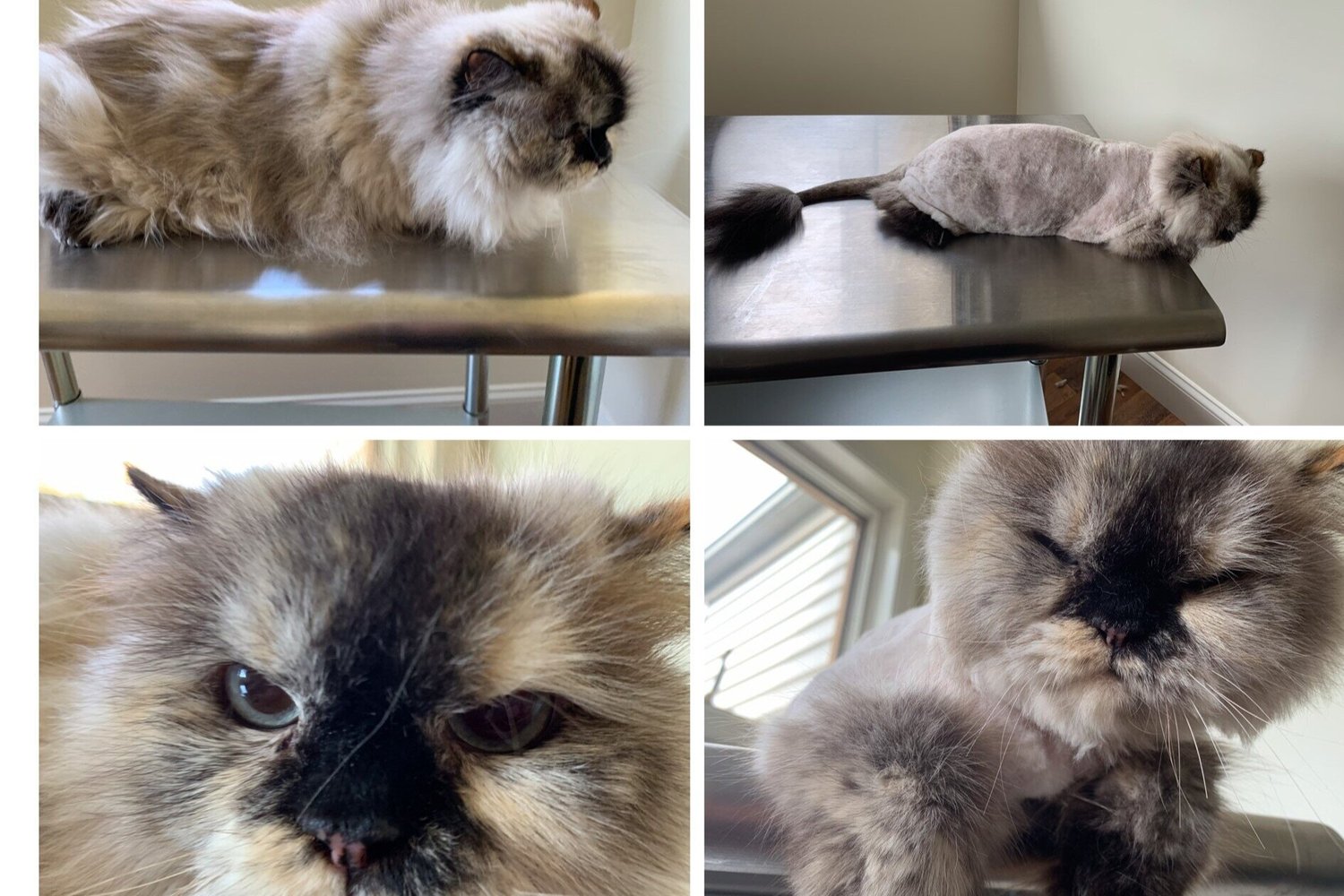
Mattes and tangles don’t just look messy; they can cause real discomfort for your cat. If you notice clumps of fur sticking together or patches where the hair seems tangled, it’s a strong sign your cat isn’t grooming regularly. This often happens in older cats or those with arthritis who find self-grooming painful.
Try running your fingers gently through your cat’s fur daily. If you feel knots or rough patches, it’s time to intervene with brushing or see a vet for advice. Ignoring mattes can lead to skin infections, so addressing them early is crucial.
Dull Or Greasy Fur
A healthy cat’s coat usually shines with natural oils, but dull or greasy fur suggests grooming has been neglected. If your cat’s coat looks lackluster or feels oily, it might mean they aren’t licking themselves enough to spread those oils evenly. This can also indicate illness or stress.
Think about your cat’s routine and environment. Has anything changed recently that might affect their grooming habits? Sometimes simple adjustments, like reducing stressors or improving diet, can make a big difference.
Excessive Shedding
Shedding is normal, but excessive fur loss can raise a red flag about grooming issues. If you find more fur than usual around your home or notice bald patches on your cat, it could be because your cat is not grooming effectively or is over-grooming due to irritation.
Check your cat’s skin for redness or sores, which might explain the shedding. Regular brushing can help manage shedding and give you a closer look at your cat’s skin health. When shedding seems out of control, a vet visit is the safest bet to rule out allergies or other concerns.
Behavioral Signs
Recognizing behavioral signs that your cat is not grooming properly can help you catch potential health issues early. Cats usually take great care of their coats, so changes in their grooming habits often point to discomfort or illness. Pay close attention to how your cat behaves daily; subtle shifts might be your first clue.
Reduced Self-cleaning
If you notice your cat grooming less than usual, this is a clear red flag. Cats often stop cleaning themselves if they feel pain, have arthritis, or suffer from skin conditions. Have you ever seen your cat skip their usual licking session after a meal or nap? That’s a sign worth investigating.
Look for dull or matted fur, which usually means your cat isn’t keeping up with grooming. You might also spot dirt or clumps of hair on their coat. These are practical indicators you can check during your daily interactions.
Increased Scratching Or Biting
When cats start scratching or biting themselves more than normal, it could mean discomfort or irritation. This behavior often indicates skin problems like fleas, allergies, or infections. If your cat seems restless and repeatedly targets the same spot, it’s a sign they might be avoiding grooming due to pain or itchiness.
Try to observe if the scratching is accompanied by redness or hair loss. These visible signs often come with grooming neglect. You can gently examine your cat’s skin for bumps or sores, but be careful not to cause stress.
Lethargy Or Withdrawal
A cat that feels unwell often shows less interest in self-care. If your cat becomes lethargic or hides away, they might not have the energy or motivation to groom. Have you noticed your usually playful cat staying in one spot for hours or avoiding interaction?
This change in behavior can signal underlying issues like infections, pain, or emotional stress. Watching for these subtle shifts can help you act before the problem worsens. Engaging your cat gently can reveal whether they respond or remain withdrawn, guiding your next steps.
Physical Indicators
A cat that stops grooming often has messy, tangled fur and may develop bald patches. You might notice dirt or dandruff on their coat, signaling a problem with self-care. These physical signs help identify if a cat needs attention or vet care.
Understanding the physical indicators that your cat is not grooming can be vital for their health and happiness. Cats are typically meticulous groomers, so any deviation from this behavior is a red flag. Noticing these signs early can help you take timely action and consult a vet if needed.Skin Irritations Or Redness
If you observe any redness or irritation on your cat’s skin, it might be a sign they’re not grooming. Cats use their tongues to clean and soothe their skin, so lack of grooming can lead to aggravated skin. Check areas like behind the ears, under the chin, and the belly, as these can easily become irritated.Bad Odor
A sudden bad odor emanating from your cat is often a clear indicator of grooming neglect. Cats are naturally clean animals, and their grooming habits usually keep them smelling fresh. If their coat starts to smell, it’s time to investigate further and possibly schedule a vet visit.Visible Parasites
Parasites like fleas and ticks can become visible if a cat isn’t grooming properly. Typically, cats groom to remove these pests, so seeing them is a sign of potential neglect. Look closely at your cat’s fur, especially around the neck and tail, where these parasites tend to hide. Is your cat showing any of these signs? If so, it might be time to consider what could be impacting their grooming routine. Could it be stress, a health issue, or something else entirely? Observing your cat closely can provide important clues to ensure they stay happy and healthy.
Credit: www.companionanimalpsychology.com
Health Issues Linked To Poor Grooming
Poor grooming in cats often signals underlying health problems that need your attention. When your cat stops cleaning itself, it’s not just about looking untidy—it could mean pain, discomfort, or illness. Understanding the health issues linked to poor grooming can help you spot trouble early and get your cat the care it needs.
Pain Or Injury
Pain from injuries or arthritis can make grooming difficult or unbearable for your cat. Cats often hide pain, but if you notice matted fur or dirty patches, it might mean they are avoiding areas that hurt. Have you checked if your cat flinches when you touch certain spots? This could be a sign of pain preventing proper grooming.
If you see your cat grooming less or unevenly, gently examine them for wounds, swelling, or stiffness. Even minor injuries can stop them from reaching their usual spots. Consulting your vet for a thorough checkup can help pinpoint hidden pain.
Dental Problems
Dental pain can affect your cat’s grooming habits. If your cat struggles to open its mouth due to sore gums or tooth pain, licking and cleaning can become painful. You might notice bad breath, drooling, or reduced appetite alongside poor grooming.
Have you noticed your cat pawing at its mouth or avoiding certain foods? These signs often go hand-in-hand with dental issues that impact grooming. Regular dental checkups and cleanings can prevent this problem and keep your cat comfortable.
Obesity And Mobility Issues
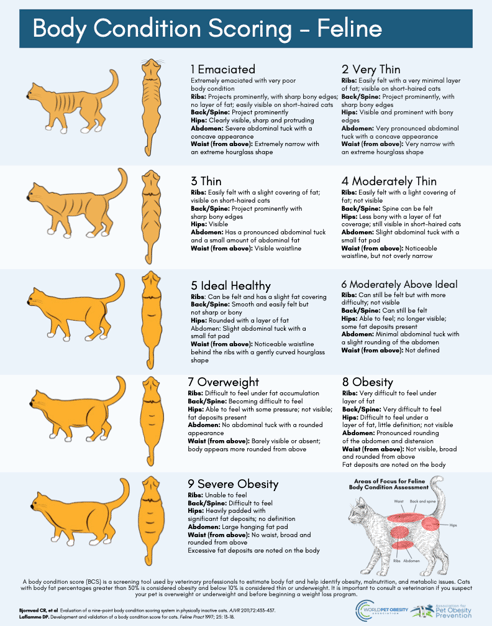
Excess weight or joint problems can limit your cat’s ability to groom. Overweight cats may struggle to reach their hindquarters or belly, leading to dirty or matted fur in these areas. Mobility issues from arthritis or injury also reduce grooming efficiency.
Watch for signs like difficulty jumping or reluctance to move, which often accompany poor grooming. Adjusting their diet and providing joint support can improve mobility and encourage better grooming habits. How often do you observe your cat’s movement and grooming together?
When To Consult A Veterinarian
Knowing the right moment to contact a veterinarian is vital for your cat’s health. Cats usually groom themselves well. A sudden stop or struggle in grooming shows something may be wrong. Early action can prevent bigger problems. Watch closely for signs that need expert care.
Persistent Grooming Problems
If your cat stops grooming for several days, this is a warning sign. Notice if the fur looks dirty or tangled. Cats that avoid cleaning themselves often feel pain or discomfort. Persistent issues may indicate skin problems or illness. A vet can find the exact cause and suggest treatment.
Accompanying Symptoms
Look for other changes alongside grooming problems. These include:
- Loss of appetite
- Weight loss
- Lethargy or tiredness
- Excessive scratching or biting
- Visible wounds or swelling
Such symptoms may signal infections or health disorders. A veterinarian can diagnose these conditions properly.
Emergency Signs
Some signs need immediate veterinary care. Watch for:
- Severe hair loss in patches
- Open sores or bleeding skin
- Sudden changes in behavior
- Difficulty walking or moving
- Rapid breathing or vomiting
These emergencies require fast action to avoid serious harm.

Credit: tryfurgo.com
Tips To Encourage Grooming
Encouraging your cat to groom is key to keeping them healthy and comfortable. Grooming helps remove dirt, loose fur, and prevents matting. If your cat is skipping this essential habit, there are simple ways you can help them get back on track.
Regular Brushing
Brushing your cat regularly can stimulate their natural grooming instincts. Use a brush suited to your cat’s fur type and gently work through their coat. This not only removes loose hair but also helps your cat feel pampered and cared for.
Make brushing a bonding moment. Try it when your cat is relaxed, like after a meal or during quiet time. You might notice your cat starts grooming more on their own once brushing becomes part of their routine.
Stress Reduction
Stress can make cats stop grooming, so creating a calm environment is crucial. Identify stress triggers like loud noises or changes in the household and minimize them. Providing a safe space with familiar toys and cozy spots can help your cat feel secure.
Have you noticed your cat grooming less during busy or noisy times? Try calming techniques such as gentle petting or even pheromone diffusers. These small changes often encourage your cat to return to their grooming habits.
Proper Nutrition
Your cat’s diet plays a big role in their skin and coat health. Make sure you’re feeding high-quality food rich in essential fatty acids like omega-3 and omega-6. These nutrients support a shiny, healthy coat and reduce irritation that might stop grooming.
If your cat’s coat looks dull or they scratch frequently, you might want to consult your vet about their diet. Adjusting their food can lead to noticeable improvements in their grooming behavior and overall well-being.
Credit: www.catsmeowresort.com
Frequently Asked Questions
How Can I Tell If My Cat Is Not Grooming?
Look for matted fur, greasy coat, or bald patches. A cat avoiding grooming may have a dirty or oily appearance.
What Causes A Cat To Stop Grooming Itself?
Illness, pain, stress, or obesity often cause cats to stop grooming. Age and dental problems may also impact grooming habits.
Is Lack Of Grooming A Sign Of Cat Illness?
Yes, not grooming can indicate health issues like skin infections, arthritis, or internal diseases. Always consult a vet if unsure.
How Often Should A Healthy Cat Groom Itself?
Cats typically groom several times daily to keep their fur clean and healthy. Grooming frequency varies by cat personality and age.
Conclusion
Cats stop grooming for many reasons. Changes in grooming habits may mean health problems. Watch for signs like matted fur or bad smell. Acting fast can help your cat stay healthy. Regular checks keep your pet happy and clean. Remember, your cat depends on you for care.
Small actions make a big difference in their life. Stay aware and provide love and attention daily. This helps your cat feel safe and comfortable. Caring well means a stronger bond with your furry friend.



Leave a Reply