
Are you wondering when the right time is to switch your cat to adult Xar food? Feeding your furry friend the right food at the right age is crucial for their health and happiness.
If you switch too early or too late, it could affect their growth, energy, and overall well-being. You’ll discover clear signs and expert tips to know exactly when your cat should make the change. Keep reading to ensure you’re giving your cat the best nutrition possible at every stage of their life.
Cat Growth Stages
Understanding a cat’s growth stages is key to choosing the right food. Each stage demands different nutrients and energy. Feeding the correct diet supports healthy development. Watch your cat closely through each phase to spot changes.
Kitten Phase
Kittens grow very fast in the first months. Their bodies need high energy and protein. Kitten food is rich in nutrients to support growth. This phase usually lasts until about 12 months old.
Adolescence In Cats
After the kitten phase, cats enter adolescence. Growth slows but they still need good nutrition. Energy needs start to balance out. This phase can last until 18 months to 2 years.
Signs Of Maturity
Adult cats show clear signs of maturity. Their body size and weight stabilize. Teeth and behavior also change. At this point, switching to adult cat food is ideal. The diet now focuses on maintenance rather than growth.

Credit: www.purina.com
Nutritional Needs By Age
Your cat’s nutritional needs change as they grow, making it crucial to switch their food at the right time. Understanding these needs helps you choose the right diet that supports healthy growth and long-term wellbeing. Let’s break down what your cat requires at different life stages to help you decide when to make that switch to adult cat food.
Kitten Diet Essentials
Kittens need food rich in calories and nutrients to fuel their rapid growth. Their diet should be high in protein and fat to build strong muscles and support brain development. Key nutrients include DHA, calcium, and phosphorus, which promote healthy bones and cognitive function.
Kittens also require more frequent meals because their tiny stomachs can’t hold much food at once. Feeding your kitten 3 to 4 small meals daily ensures they get enough energy and nutrients throughout the day. Have you noticed your kitten’s energy spikes? That’s a sign they need nutrient-dense food to keep up with their playful nature.
Adult Cat Nutrients
Once your cat reaches about one year old, their growth slows, and their nutritional needs shift. Adult cats need a balanced diet that maintains muscle mass without excess calories that could lead to weight gain. Protein remains important, but the fat content should be moderate to support a healthy weight.
Adult cat food often contains added fiber to aid digestion and ingredients that support joint health and a strong immune system. Antioxidants like vitamins E and C become more valuable for long-term health. Are you paying attention to your cat’s activity levels? Adjusting portions can help prevent obesity as their energy needs change.
Comparing Kitten And Adult Food
| Nutrient | Kitten Food | Adult Food |
|---|---|---|
| Protein | High (30-40%) for growth | Moderate (25-30%) for maintenance |
| Fat | High for energy needs | Moderate to prevent weight gain |
| Calories | High to support development | Lower to match slower metabolism |
| Vitamins & Minerals | More calcium & phosphorus for bones | Balanced for overall health |
Switching to adult food too early can leave your kitten undernourished, while delaying the switch might cause unnecessary weight gain. Watching your cat’s behavior and growth will guide you in making the right change. When did you first notice your cat’s appetite or activity shift? That could be your cue to start the transition.
Timing The Switch
Cats usually switch to adult food around one year old. Watch for steady growth and stable weight to know the right time. Transition slowly over a week to avoid stomach upset.
Timing the switch from kitten food to adult cat food is a crucial step in ensuring your feline friend’s health and well-being. As your kitten grows, their nutritional needs change, and feeding them appropriately is essential. But how do you know when it’s the right time to make this transition? Let’s explore some key factors that can guide you in making this important decision.Ideal Age For Transition
Most kittens are ready to switch to adult cat food around 12 months of age. By this time, they have usually reached their full size and their nutritional requirements have stabilized. Some larger breeds, however, may need kitten food until they are 18 months old. It’s essential to consider the specific needs of your cat’s breed and size when planning the switch.Behavioral And Physical Indicators
Watch for signs that your cat is ready to transition. If they seem less interested in their kitten food or have started to gain weight, these could be indicators that they need a change in diet. Additionally, a decrease in energy levels might suggest that the high-calorie content of kitten food is no longer necessary. Observing these subtle cues can be key to making the right decision.Veterinary Recommendations
Consulting your veterinarian can provide personalized advice for your cat’s dietary needs. They can assess your cat’s growth, activity level, and health status to recommend the best time to make the switch. Your vet might also suggest specific brands or formulas of adult cat food that cater to your cat’s unique nutritional requirements. Making the right transition at the right time can help ensure your cat remains healthy and happy. Are you ready to make the switch, or do you still have questions about your cat’s dietary needs? Feel free to ask your vet for guidance and make informed decisions for your furry friend.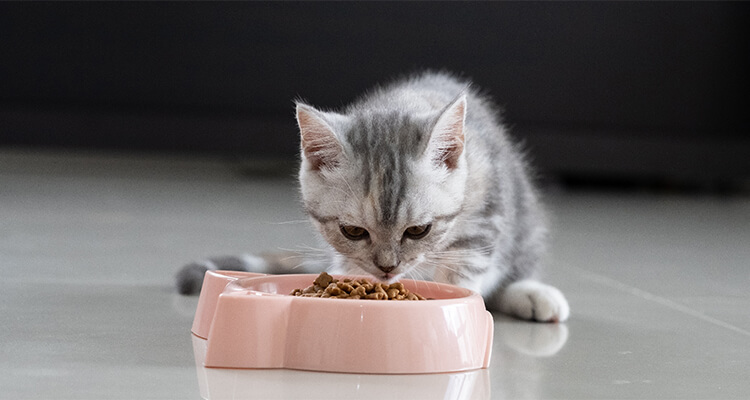
Credit: www.whiskas.co.uk
Switching Process
Switching your cat to adult food is more than just changing the bag. The process needs care and patience to help your cat adjust smoothly. A sudden switch might upset their stomach or make them reject the new food altogether.
Gradual Food Introduction
Start by mixing a small amount of adult food with your cat’s current kitten food. Increase the adult food portion little by little over 7 to 10 days. This slow change helps your cat get used to new tastes and textures without stress.
Imagine trying a new dish; jumping straight to it might not feel right. Your cat feels the same. A gentle transition makes the new diet more appealing and easier to digest.
Monitoring Cat’s Response
Watch your cat closely during the switch. Look out for signs like vomiting, diarrhea, or refusal to eat. These are clues that the new food might not agree with them yet.
Note your cat’s energy levels and coat condition too. Healthy skin and a shiny coat often mean the new food is working well. If you spot problems, slow down the transition or check with your vet.
Adjusting Feeding Portions
Adult cats need different nutrition amounts than kittens. After the switch, adjust how much you feed based on your cat’s weight and activity. Overfeeding can lead to weight gain, while underfeeding might cause hunger and irritability.
Use feeding guidelines on the food package as a starting point. Watch your cat’s body condition and tweak portions if they seem too thin or too heavy. Keeping portions right keeps your cat healthy and happy.
Common Mistakes To Avoid
Switching your cat to adult food is a key moment that can affect their health and happiness. Many cat owners make simple errors that can cause digestive issues or food refusal. Knowing what to avoid helps you make the transition smoother for your furry friend.
Switching Too Early Or Late
Changing your cat’s diet too soon can leave them missing vital nutrients meant for kittens. On the other hand, waiting too long may mean your cat is not getting the right balance for their adult needs. Pay attention to your cat’s age and growth stage, but also watch their behavior and energy levels.
Ask yourself: Is your cat still growing rapidly, or have they settled into their adult size? This can help decide the right time to switch.
Ignoring Cat Preferences
Your cat’s taste matters. Forcing a new food without considering their likes can lead to refusal and wasted food. Try mixing small amounts of adult food with their current diet and watch how they respond.
Remember, cats can be picky. If your cat turns away from the new food, try different flavors or textures before giving up. Your goal is to find a food they enjoy and that meets their nutritional needs.
Overfeeding During Transition
It’s tempting to give extra treats or increase portions to get your cat to accept new food. However, overfeeding can cause weight gain and upset stomachs. Stick to recommended portion sizes and gradually increase the new food while reducing the old one.
Have you noticed your cat gaining weight during a food change? Adjust portions carefully and monitor their weight to keep them healthy.
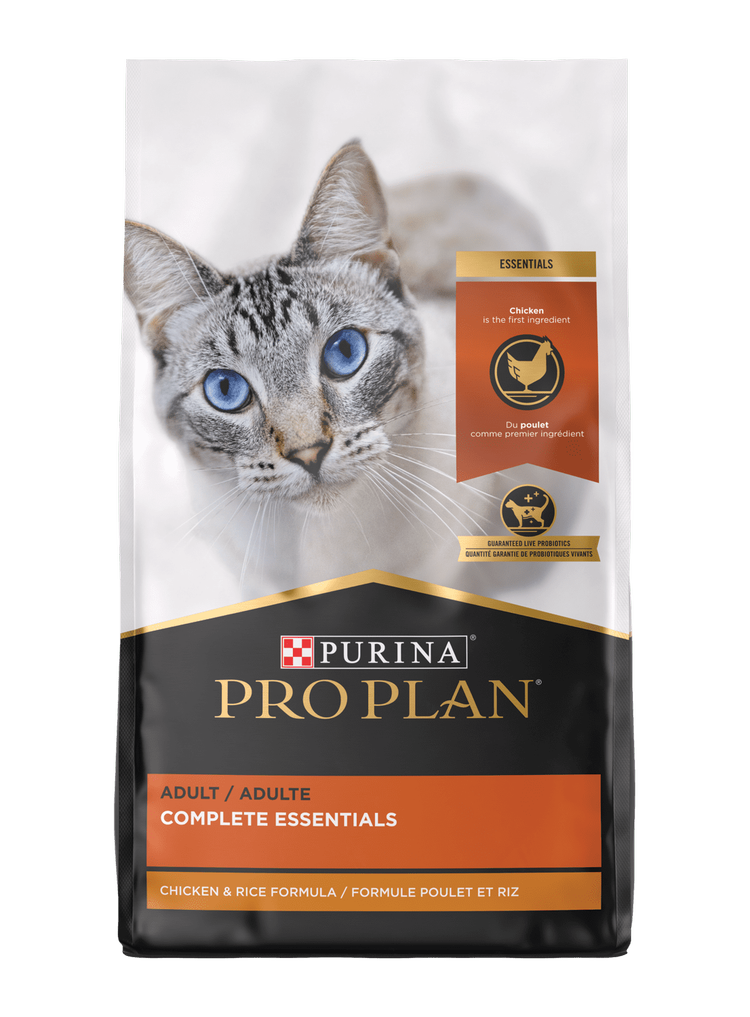
Credit: www.purina.com
Special Considerations
Choosing the right time to switch a cat to adult food involves more than just age. Special factors affect this decision. Each cat has unique needs based on breed, health, and lifestyle. These details help ensure a smooth, healthy transition.
Breed-specific Needs
Some breeds grow faster or slower than others. Large breeds may need adult food later than smaller ones. Siamese cats, for example, mature at a different pace than Maine Coons. Tailoring food changes to breed supports proper growth and health.
Health Conditions Impact
Cats with health issues need special diets. Kidney problems, allergies, or digestive troubles affect food choice. A vet’s advice is crucial before switching food. Proper nutrition helps manage these conditions effectively.
Indoor Vs Outdoor Cats
Indoor cats often have lower energy needs than outdoor cats. Outdoor cats burn more calories and may need richer food. Indoor cats benefit from food that controls weight and supports a calm lifestyle. Adjusting diet to lifestyle prevents obesity and promotes wellbeing.
Expert Tips For Success
Switching your cat to adult Xar food is a crucial step in their growth and well-being. Getting it right can make a big difference in how your feline friend adapts and thrives. Here are expert tips that will help you make this transition smooth and successful.
Choosing Quality Xar Food
Not all Xar foods are created equal. Look for options that list real meat as the first ingredient and avoid fillers like corn or soy. High-quality Xar food provides balanced nutrition that supports your cat’s energy and immune system.
Check the label for essential nutrients like taurine, omega-3 fatty acids, and vitamins. These keep your cat’s coat shiny and their heart healthy. Have you noticed how some foods leave your cat more active? That’s the sign of good nutrition.
Involving Your Veterinarian
Your vet is your best ally during this change. They can recommend the best Xar food based on your cat’s age, weight, and health conditions. Don’t hesitate to ask for advice on portion sizes or feeding frequency.
Veterinarians can also help spot early signs if your cat struggles with the new diet. If your cat has allergies or digestive issues, your vet might suggest a special formula. Have you ever experienced confusion about feeding amounts? Your vet can clear that up quickly.
Tracking Long-term Health
Once you switch to adult Xar food, keep an eye on your cat’s overall health. Monitor their weight, energy levels, and litter box habits regularly. Sudden changes can mean the food isn’t agreeing with them.
Keep a journal or use an app to track these details over weeks and months. This helps you spot patterns and discuss progress with your vet. Wouldn’t it be great to catch problems before they become serious?
Frequently Asked Questions
When Is The Right Time To Switch A Cat To Adult Food?
Most cats should switch to adult food around 12 months old. This age marks the end of kitten growth. Adult food supports maintenance and health for mature cats. Consult your vet for specific breed or health needs before switching.
What Are Signs A Cat Needs Adult Cat Food?
Signs include slowed growth and decreased energy. Adult food suits cats with stable activity levels. If your cat is no longer a kitten, it’s time to switch. Observe their behavior and consult your vet for guidance.
Can Switching Cat Food Too Early Cause Problems?
Yes, switching too early can lead to nutrient deficiencies. Kitten food has higher calories and nutrients for growth. Adult food lacks these, which may affect development. Always switch at the recommended age or as advised by your vet.
How To Transition A Cat To Adult Food Smoothly?
Gradually mix adult food with kitten food over 7-10 days. Increase adult food proportion daily while decreasing kitten food. This helps prevent digestive upset and allows your cat to adjust. Monitor your cat’s reaction during the transition.
Conclusion
Switching your cat to adult food depends on age and health. Most cats need adult food around one year old. Watch for signs like steady growth and energy changes. Choose food that meets your cat’s nutritional needs. Gradually change the diet over a week or two.
This helps your cat adjust without stomach upset. Pay attention to your cat’s reaction and comfort. Healthy food supports a long, happy life. Keep your cat’s needs in mind for the best results. Regular vet visits can guide the right feeding time.



Leave a Reply