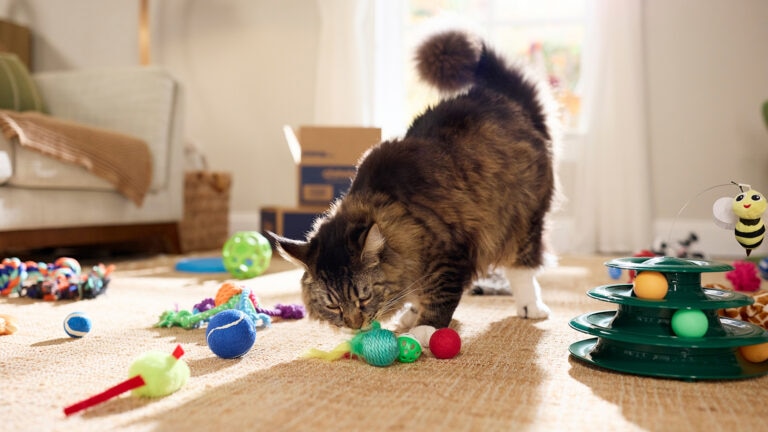
Have you ever caught your cat licking their toys and wondered why they do it? It might seem odd or even a little funny, but there’s more to this behavior than meets the eye.
Your cat’s licking could be a sign of something important—whether it’s about comfort, curiosity, or even health. Understanding why your furry friend licks their toys can help you connect with them better and keep them happy. Keep reading, and you’ll discover the surprising reasons behind this quirky habit.

Credit: www.amazon.com
Cat Grooming Habits
Understanding your cat’s grooming habits can reveal why they lick their toys. Grooming is more than cleanliness for cats; it’s a deeply ingrained behavior that affects their comfort and mental state. Watching your cat carefully might help you notice patterns that explain their curious toy-licking habit.
Natural Grooming Instincts
Cats groom themselves to keep their fur clean and free of parasites. This instinct often extends beyond their own bodies to objects they interact with, like toys. When your cat licks a toy, it may be treating it as part of its environment that needs cleaning or marking with its scent.
Have you observed your cat licking the same toy repeatedly? This could be their way of integrating the toy into their personal space. It’s a sign that the toy is important to them, almost like a security blanket.
Self-soothing Behavior
Licking can calm your cat, similar to how some people bite their nails when stressed. Toys provide a safe outlet for this behavior, especially if your cat spends time alone. It’s a way for them to reduce anxiety and feel more secure.
Think about times your cat might lick toys more often. Is it when they are alone or after a stressful event? Understanding these triggers can help you support your cat’s emotional health better.
Credit: animals.howstuffworks.com
Exploring Toy Textures
Exploring toy textures helps us understand why cats lick their toys. Cats use their mouths to explore objects just like they use their paws. Texture plays a big role in how interesting a toy is to a cat. Different materials offer unique feelings that can attract a cat’s attention. Licking is one way cats sense these textures deeply.
Appeal Of Different Materials
Cats enjoy toys made from various materials. Soft plush toys feel comforting and mimic fur. Rubber toys provide a firm, chewy texture that cats like to bite and lick. Crinkly or rough materials offer a unique sensation that excites their curiosity. Each material can stimulate a cat’s mouth in different ways.
Some cats prefer smooth plastic toys, while others like fuzzy or feathery ones. The variety in texture keeps playtime interesting. Licking helps cats decide if a toy is safe or fun to play with.
Mimicking Prey Sensations
Cat toys often mimic the feel of real prey. Textures like soft fur or feathers remind cats of animals they hunt. Licking the toy copies how cats clean or handle prey in nature. This behavior is natural and comforting for cats.
Rough or flexible textures can simulate the movement and feel of prey. Cats use their tongues to explore these sensations. This action strengthens their hunting instincts and keeps them engaged.
Scent Marking And Territory
Cats use scent marking as a key way to establish their territory and communicate ownership. When your cat licks its toys, it’s often about leaving a personal scent behind. This behavior helps your feline friend feel secure and signals to others that the toy belongs to them.
Using Saliva To Claim Toys
Your cat’s saliva carries unique scent markers that work like a signature. By licking toys, your cat deposits these scents, effectively “claiming” the toy as part of their territory. This action can calm your cat, making them feel more in control of their environment.
Have you noticed your cat licking a specific toy repeatedly? It’s their way of reinforcing ownership. The scent left behind makes the toy familiar and comforting, especially in a multi-pet household.
Communicating With Other Pets
Licking toys isn’t just about self-comfort; it’s also a message to other pets in the home. The scent marks tell others, “This is mine,” helping to reduce conflict over shared items. Your cat is setting clear boundaries without needing to be aggressive.
If you have more than one pet, watch how your cat interacts with toys after licking them. This behavior often influences how other pets respond—either by respecting the claim or by challenging it. Understanding this can help you manage pet dynamics better.
Credit: huxleyandkent.com
Stress And Anxiety Signs
Cats often lick toys to soothe stress or anxiety. This behavior helps them feel calm and safe during uncertain moments. Watching for signs like excessive licking can reveal your cat’s emotional state.
Cats often lick their toys due to stress or anxiety. This behavior can be a sign of deeper issues. Understanding why your cat does this is important.Licking As A Calming Mechanism
Cats use licking to soothe themselves. It’s a natural response to stress. Licking releases endorphins, which help them feel calm. This is similar to how humans bite nails when stressed. If your cat licks toys often, it might be seeking comfort. Check if other stress signs are present. These include hiding or excessive meowing.When To Be Concerned
Not all licking is a problem. But, frequent licking can mean stress. Observe your cat’s behavior closely. If it seems anxious or unhappy, take action. Contact a vet if your cat shows other stress signs. They can help identify the cause and suggest solutions. Early intervention can prevent health issues.Health And Nutritional Factors
Health and nutrition play a big role in why cats lick their toys. Sometimes, this behavior points to underlying health problems or nutritional gaps. Understanding these factors helps in keeping your cat happy and healthy.
Pica And Nutrient Deficiencies
Pica is a condition where cats eat or lick things they shouldn’t. Toys might attract cats if they lack certain nutrients. A vitamin or mineral shortage can cause this unusual licking habit.
Common nutrient deficiencies include:
- Iron
- Calcium
- Vitamin B12
These shortages can make cats try to get nutrients from non-food items. Watching your cat’s diet closely can help spot these issues early.
Dental Issues And Oral Discomfort
Dental problems often lead cats to lick toys. Sore gums or tooth pain make them seek relief. Soft toys can feel soothing against their mouths.
Signs of dental trouble include:
- Bad breath
- Drooling
- Difficulty eating
Regular dental check-ups are important. Addressing oral discomfort can reduce the licking behavior.
Encouraging Healthy Play
Encouraging healthy play helps cats stay active and happy. Playtime supports mental and physical health. It also reduces stress and boredom. Understanding why cats lick toys can guide better play habits. Providing the right toys and managing licking can improve your cat’s play experience.
Choosing The Right Toys
Select toys that match your cat’s natural instincts. Toys that mimic prey, like small mice or feathers, often excite cats. Soft toys with different textures invite licking and biting. Avoid toys with harmful parts or sharp edges. Rotate toys to keep your cat interested. Safe and stimulating toys promote healthy play and reduce unwanted licking.
Redirecting Excessive Licking
Excessive licking of toys may signal stress or boredom. Offer interactive toys that require more attention and movement. Use puzzle feeders to engage your cat’s mind during play. Gently distract your cat with new toys or activities. Reward calm and gentle play to encourage good behavior. Redirecting licking helps maintain a balanced and joyful playtime.
Frequently Asked Questions
Why Does My Cat Lick Toys Often?
Cats lick toys to explore textures and tastes. It mimics grooming and satisfies their curiosity. Licking also provides comfort and reduces stress.
Is It Normal For Cats To Lick Toys?
Yes, it is normal. Licking toys helps cats bond with objects and express affection. It also stimulates their senses and keeps them engaged.
Can Licking Toys Harm My Cat?
Generally, licking toys is safe if toys are clean and non-toxic. Avoid toys with small parts that can be swallowed or cause choking.
Does Licking Toys Indicate Boredom In Cats?
Yes, licking toys can signal boredom. It’s a way for cats to entertain themselves when they lack stimulation or playtime.
Conclusion
Cats lick toys for many reasons. They explore textures and tastes with their tongues. Licking helps them feel safe and calm. Sometimes, it shows they enjoy the toy. It can also be a way to mark their scent. Watch your cat’s behavior to understand better.
Keep toys clean to avoid germs. Knowing why cats lick toys helps you care for them well. Keep offering safe toys for happy playtimes. Your cat’s licking is part of their unique nature.

Leave a Reply