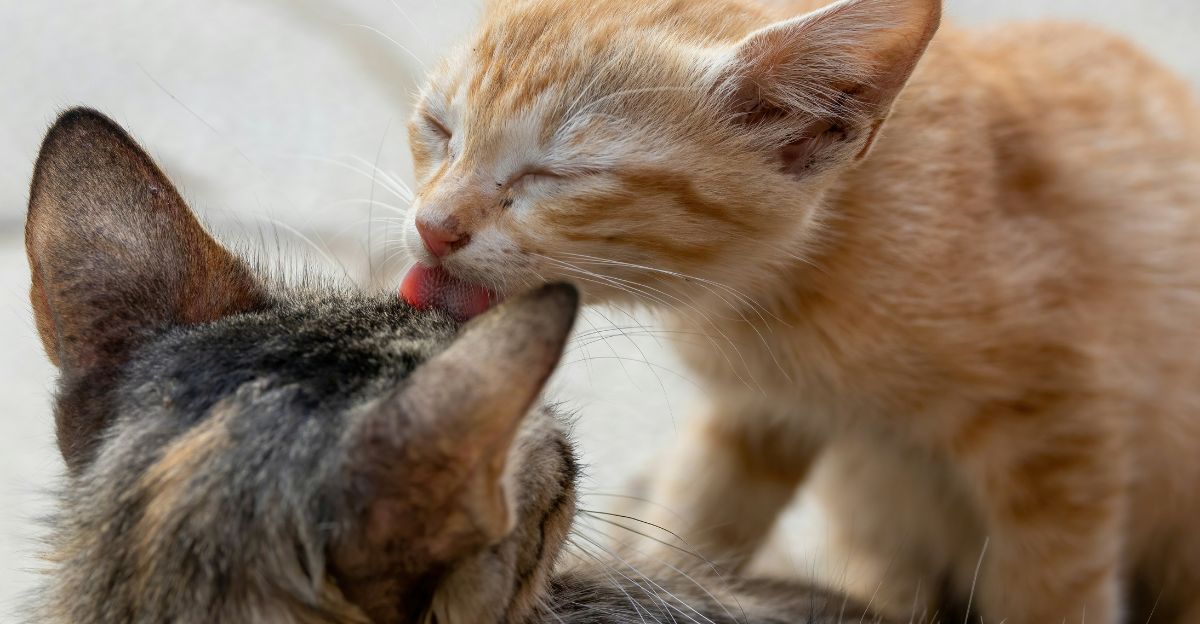
Have you ever watched two cats grooming each other and noticed one gently biting the other’s neck? It might seem strange or even a little rough, but there’s a lot more going on beneath the surface.
Understanding why cats do this can change how you see their behavior and deepen your connection with your furry friends. If you’ve ever wondered what those neck bites mean, keep reading—you’re about to discover the surprising reasons behind this common cat behavior.
Neck Biting During Grooming
Cats often bite each other’s necks during grooming. This behavior might seem odd to humans. Yet, it plays an important role in their social bonding and care. Understanding why cats do this helps us see their communication and relationship better.
Common Grooming Behaviors
Cats groom themselves and each other to stay clean. They lick fur to remove dirt and loose hair. Grooming also helps cool them down and reduce stress.
Social grooming happens between cats that trust each other. They lick and nibble on parts they cannot reach alone. This strengthens their bond and shows affection.
Neck biting is a common part of this grooming routine. It is gentle and controlled, not meant to hurt. Cats use their teeth to clean hard-to-reach areas.
Role Of Neck In Cat Grooming
The neck is a key spot for grooming. Cats cannot easily reach their neck with their tongue. So, a gentle bite helps remove dirt and loose fur.
Neck biting also signals trust. The neck is a vulnerable area. Allowing another cat to bite there shows comfort and friendship.
This behavior helps cats keep each other clean and healthy. It also reduces tension and builds a strong social connection.
Social Bonding Signals
When cats bite each other’s necks during grooming, they’re sending more than just a casual signal. This behavior is a powerful form of social bonding. It helps cats build and maintain relationships that are essential for their wellbeing.
Affection And Trust
Neck biting during grooming shows deep affection between cats. It’s a sign that one cat trusts the other enough to be gentle while nibbling. This behavior often happens between cats that share a close bond, like siblings or lifelong companions.
Have you noticed how your cats relax and purr during these moments? That calmness reflects a strong sense of security. When a cat allows another to bite its neck, it’s like saying, “I feel safe with you.”
Group Hierarchy And Bonds
Neck biting also plays a role in establishing social order within a group of cats. It helps define who leads and who follows without aggressive fighting. This subtle communication keeps the peace in multi-cat households or colonies.
Think about your own pets: does one usually take the lead during play or meals? The neck biting helps reinforce that natural structure through gentle dominance rather than conflict.
Understanding this behavior can help you support your cats’ social needs better. You might even encourage positive interactions by providing spaces where cats can comfortably groom and bond.
Play And Communication
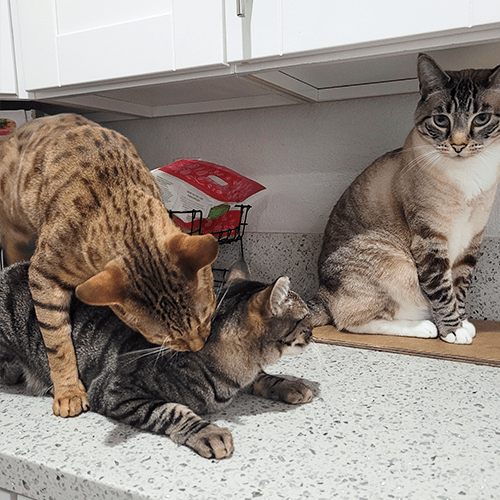
Cats biting each other’s necks during grooming is more than just a strange habit—it’s a form of play and communication that helps build trust and social bonds. Understanding this behavior gives you a closer look at how cats express themselves and interact with one another. Paying attention to these moments can reveal how cats balance fun and connection without crossing into conflict.
Playful Biting Vs Aggression
Playful biting during grooming usually feels gentle and controlled. Cats use soft bites on the neck to engage with their friends, not to harm. You might notice them pausing often, showing that they’re checking in and keeping the mood light.
In contrast, aggressive bites are harder and quicker, often followed by hissing or growling. The key difference is in the intention behind the bite—playful bites invite interaction, while aggressive bites push it away. Have you ever seen your cats freeze or run after a neck bite? That’s a sign the bite wasn’t playful.
Body Language Cues
Watch the cats’ eyes and ears to understand what the bites mean. Relaxed eyes, slow blinking, and ears facing forward usually signal comfort and play. Tense bodies, wide eyes, or flattened ears suggest discomfort or irritation.
Tail movement is another clue. A gently swishing tail often goes hand-in-hand with playful behavior. On the other hand, a twitching or puffed-up tail can mean the cat is not happy with the interaction.
Next time you see cats grooming and biting necks, observe these subtle signs. You’ll better understand their unique way of chatting and playing.
Credit: trapandreturn.com
Mating And Reproductive Behavior
Understanding why cats bite each other’s necks during grooming requires a closer look at their mating and reproductive behavior. This action is more than just playful or aggressive; it plays a key role in how cats communicate readiness and establish bonds during courtship. Paying attention to these behaviors can reveal a lot about what your cats are feeling and their natural instincts at work.
Neck Biting In Courtship
Neck biting often appears during the early stages of cat courtship. The male cat gently bites the female’s neck to hold her in place. This helps during mating and signals his intention.
Have you noticed that the bite isn’t harsh but firm enough to get the female’s attention? This is a natural behavior that prepares both cats for mating. It’s a way for the male to communicate and for the female to respond, often by staying still or vocalizing.
Hormonal Influences
Hormones play a big role in this behavior. During the female’s heat cycle, her hormone levels rise, making her more receptive to the male’s advances. This hormonal change triggers the neck biting as part of their mating ritual.
Male cats also experience hormonal surges that increase their urge to bite and hold the female’s neck. These instincts ensure the mating process happens smoothly. If you’ve ever observed this, it’s a reminder of how much biology influences your cat’s actions.
Stress And Territory
Cats show complex behaviors linked to stress and territory. Neck biting during grooming often signals more than just cleaning. It can reveal how cats manage stress and claim their space within a group. Understanding these reasons helps explain this curious feline action.
Stress-induced Grooming
Stress makes cats seek comfort in grooming. Biting the neck may soothe both cats involved. This act releases calming chemicals in their brains. It helps reduce anxiety and tension quickly.
When stressed, cats groom each other to build trust. The neck bite is gentle but firm, showing care. It acts like a comforting touch in difficult times.
Territorial Marking
Cats use grooming to mark their territory with scent. The neck has many scent glands, making it a prime spot. Biting here helps spread their unique smell on friends.
This scent sharing tells other cats, “We belong together.” It strengthens group bonds and reduces fights. Neck biting during grooming is a silent way to say, “This is our place.”
When Neck Biting Is A Problem
Neck biting between cats during grooming usually shows affection and trust. But sometimes, it can turn into a problem. Understanding when this behavior crosses the line helps keep your cats safe and happy.
Signs Of Aggression
- One cat hisses or growls while biting the neck.
- Fur is raised along the back or tail.
- Cats try to escape or hide from each other.
- Biting leaves visible wounds or causes bleeding.
- Body posture is stiff or tense during grooming.
- One cat swats or scratches aggressively after biting.
How To Intervene Safely
- Stay calm and avoid shouting or sudden moves.
- Distract cats with toys or treats to break contact.
- Use a soft cloth or cushion to gently separate cats.
- Do not use your hands to pull them apart directly.
- Give each cat space in separate rooms if needed.
- Observe their behavior after separation for further signs.
Tips To Encourage Healthy Grooming
Cats bite each other’s neck during grooming to show care and strengthen their bond. Encouraging gentle grooming helps keep their fur clean and their relationship strong. Providing a calm space supports healthy grooming habits among cats.
Cats often bite each other’s necks during grooming. This behavior can seem puzzling. It is not always a sign of aggression. Instead, it usually reflects natural instincts. Cats use gentle bites to communicate and bond. Encouraging healthy grooming is important. It helps maintain peace and harmony. Below are some tips to encourage healthy grooming.Creating A Calm Environment
Cats thrive in calm surroundings. Reduce loud noises and disturbances. Ensure their space is comfortable. Keep their living area clean. Provide cozy places to rest. A calm cat is more likely to groom gently. This environment reduces stress.Promoting Positive Interactions
Encourage friendly interactions among cats. Spend quality time playing with them. Use toys to engage their attention. Offer treats for good behavior. Positive reinforcement strengthens their bond. Social cats will groom each other more gently. This builds trust and connection. By understanding these tips, cat owners can foster healthier grooming habits.
Credit: trapandreturn.com

Credit: www.reddit.com
Frequently Asked Questions
Why Do Cats Bite Necks During Grooming?
Cats bite each other’s necks to establish control and trust. It mimics mother cat behavior, showing affection and bonding. This action helps strengthen their social connection and maintain group harmony. Neck biting is gentle and not meant to harm.
Is Neck Biting A Sign Of Aggression In Cats?
No, neck biting during grooming is typically not aggressive. It is a social behavior that signals trust and comfort between cats. However, if bites are hard or cause injury, it might indicate stress or dominance issues. Observe body language for context.
How Does Neck Biting Help Cats Bond?
Neck biting releases calming pheromones that reduce stress and promote relaxation. It reinforces social bonds and mutual grooming habits. This behavior strengthens friendships and creates a sense of security within the cat group, enhancing their emotional well-being.
Do All Cats Bite Necks When Grooming?
Not all cats bite necks during grooming, but many do. It depends on their socialization and relationship. Some cats prefer licking or gentle nibbles on other body parts. Neck biting is common in closely bonded cats and mother-kitten pairs.
Conclusion
Cats biting each other’s neck during grooming shows trust and care. This behavior helps them clean hard-to-reach spots. It also builds strong bonds between cats. They feel safe and comfortable with each other. Neck biting is gentle and rarely hurts.
It is a natural way cats show affection. Watching this can teach us about their social world. Understanding their actions helps us care for them better. Next time you see this, remember it means love and friendship. Cats express feelings in many unique ways.
Neck biting is just one example.

Leave a Reply