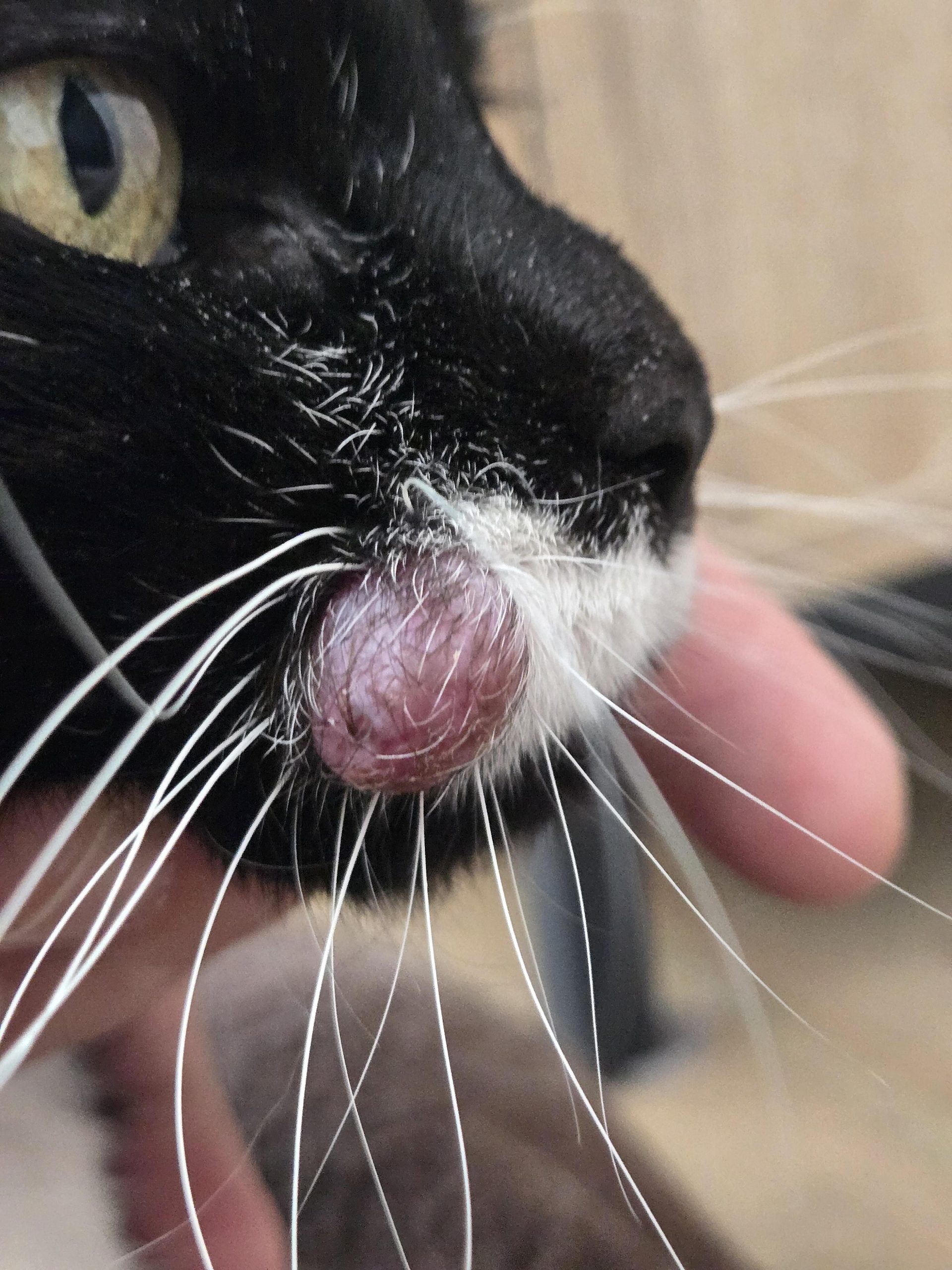
Have you ever noticed your cat suddenly covered in bumps right after grooming? It can be worrying to see your furry friend uncomfortable or itchy when all you wanted was to help them look and feel their best.
You might be asking yourself, “Why does my cat have bumps all over after grooming? ” Understanding the reasons behind these unexpected skin changes is key to keeping your cat happy and healthy. You’ll discover the common causes, what signs to watch for, and the best steps to take to soothe your cat’s skin.
Keep reading to learn how you can protect your cat from these irritating bumps and ensure their grooming experience is a positive one.

Credit: www.aol.com
Common Causes Of Post-grooming Bumps
Noticing bumps on your cat’s skin right after grooming can be puzzling and concerning. Understanding the common causes behind these post-grooming bumps can help you act quickly and keep your feline friend comfortable. Let’s look at some key reasons why your cat might develop these skin changes after a grooming session.
Allergic Reactions
Allergies are a frequent cause of skin bumps in cats after grooming. Your cat might react to shampoos, conditioners, or sprays used during the grooming process. Even natural ingredients in grooming products can trigger redness, swelling, or small raised bumps.
Have you ever switched your cat’s shampoo only to see their skin flare up? That’s often a sign of an allergic reaction. Testing a small patch before full application can help avoid this problem.
Skin Irritations
Grooming tools like brushes or clippers can sometimes irritate your cat’s sensitive skin. Over-brushing or using a tool that’s too harsh can cause tiny abrasions that appear as bumps. Even the friction from towel drying might lead to mild irritation.
Pay attention to your technique—gentle strokes and proper tools minimize irritation. After all, grooming should soothe your cat, not stress their skin.
Parasite Infestations
Parasites such as fleas, mites, or ticks can cause bumps that become more noticeable after grooming. Grooming often exposes these hidden pests, leading to itching and inflamed bumps. Sometimes, the grooming process dislodges parasites, making the bumps more visible.
Have you checked your cat’s fur closely before and after grooming? Spotting parasites early helps prevent serious skin problems and discomfort.
Infections
Open skin from grooming-related irritations can become infected by bacteria or fungi. Infections cause redness, swelling, and pus-filled bumps that need prompt attention. If your cat’s bumps worsen or your pet seems in pain, infection might be the culprit.
Cleaning grooming tools regularly and keeping your cat’s skin dry can reduce infection risk. Don’t ignore bumps that look inflamed or produce discharge.
Underlying Health Conditions
Sometimes, bumps after grooming signal deeper health issues like hormonal imbalances or immune disorders. Conditions such as feline acne or dermatitis may flare up following grooming. If the bumps persist or spread, it’s wise to consult your vet for a thorough check-up.
Have you noticed other symptoms like hair loss or excessive scratching? These signs can point to underlying problems that need more than just topical care.

Credit: www.reddit.com
Identifying The Type Of Bumps
Noticing bumps on your cat after grooming can be worrying. Understanding what type of bumps you’re dealing with helps you decide the next steps. Different bumps mean different causes, so identifying them properly is key to your cat’s comfort and health.
Appearance And Texture
Look closely at the bumps. Are they red, white, or skin-colored? Are they raised, flat, or filled with fluid?
Some bumps might be small and hard, like tiny pearls under the skin. Others could be soft, squishy, or even crusty. This detail can tell you if the bumps are allergic reactions, insect bites, or maybe irritated hair follicles.
Location On The Body
Where are the bumps mainly located? Are they on the back, belly, or near the neck? Sometimes, bumps appear where grooming tools rub the most.
If bumps cluster around the neck or along the spine, it could be a reaction to shampoo or grooming sprays. Bumps near the tail or legs might suggest flea bites or skin infections. Pinpointing the area helps narrow down the cause quickly.
Associated Symptoms
Is your cat scratching, licking, or biting at the bumps? Are the bumps warm to the touch or oozing fluid? These signs tell you if your cat is in discomfort or if the bumps might be infected.
Notice if your cat is acting differently—less playful or more withdrawn. Sometimes bumps come with hair loss or swelling, which means you should contact your vet promptly. How your cat behaves can reveal a lot about the seriousness of the bumps.
Preventive Measures During Grooming
Gentle brushing helps avoid skin irritation and bumps after grooming. Using a soft brush and checking for sensitive spots protects your cat’s skin. Regular grooming sessions keep your cat comfortable and bump-free.
Preventive measures during grooming can help keep your cat’s skin healthy. Regular grooming is key for a happy cat. It ensures their fur stays clean and tangle-free. But sometimes, bumps may appear after grooming. These could be due to products or techniques used. Let’s explore ways to prevent these bumps.Choosing The Right Grooming Products
The products you use matter. Always choose cat-specific grooming items. Human products can harm their skin. Look for gentle shampoos free of harsh chemicals. Hypoallergenic options are best. They reduce the risk of allergic reactions. Test a small amount first. Watch for any skin changes.Proper Grooming Techniques
How you groom your cat is crucial. Use soft brushes to avoid irritation. Be gentle around sensitive areas like the belly. Pulling or tugging can harm the skin. Always brush in the direction of hair growth. This reduces the risk of skin damage. Pay attention to your cat’s cues. If they seem uncomfortable, stop and check for issues.Frequency Of Grooming Sessions
Grooming too often can irritate the skin. Find a balance that suits your cat. Long-haired cats need more frequent grooming. Short-haired breeds require less. Observe your cat’s coat condition. Adjust the frequency based on their needs. Regular grooming keeps their coat healthy but avoid overdoing it.Home Remedies For Mild Skin Bumps
Mild skin bumps on cats after grooming often indicate irritation or minor allergies. Home remedies can soothe your cat’s skin and reduce bumps safely. These remedies focus on calming the skin and keeping it clean. They help your cat feel comfortable without harsh chemicals.
Soothing Baths And Compresses
Give your cat a gentle bath with lukewarm water. Use a mild, pet-safe shampoo made for sensitive skin. Avoid scrubbing hard; gently massage the shampoo into the coat. Rinse thoroughly to remove all soap. A cool compress can calm irritated spots. Use a clean cloth soaked in cool water. Hold the compress on bumps for a few minutes. Repeat as needed to ease inflammation and itching.
Natural Topical Treatments
Apply natural remedies that calm skin and fight bacteria. Coconut oil is a good choice. Dab a small amount on bumps to reduce dryness and irritation. Aloe vera gel can soothe redness. Use pure aloe vera without added chemicals. Calendula ointment also helps heal skin gently. Test any topical treatment on a small area first. Watch for signs of allergy or worsening.
Maintaining Cleanliness
Keep your cat’s fur clean and dry after grooming. Brush regularly to remove loose hair and dirt. Clean your cat’s bedding often to avoid bacteria buildup. Wipe your cat’s skin with a damp cloth if it gets dirty. Avoid harsh soaps or human products that can irritate the skin. Cleanliness helps prevent new bumps and speeds healing of existing ones.
When To Consult A Veterinarian
Knowing when to consult a veterinarian is key for your cat’s health. Bumps after grooming may be harmless, but some signs need prompt attention. Acting early can prevent serious problems.
Signs Of Severe Reactions
- Swelling around the face or neck
- Difficulty breathing or wheezing
- Excessive scratching or biting at the skin
- Redness and inflammation spreading quickly
- Unusual lethargy or weakness
These symptoms suggest an allergic reaction or infection. Immediate veterinary care is crucial.
Persistent Or Spreading Bumps
Bumps that do not improve within a few days need evaluation. If bumps increase in size or number, get professional advice. Persistent irritation could signal an underlying condition.
Recommended Diagnostic Tests
- Skin scraping to check for parasites
- Allergy testing to identify triggers
- Blood tests to detect infections or immune issues
- Biopsy of severe or unusual bumps
These tests help determine the cause and guide treatment. Early diagnosis leads to faster recovery.
Medical Treatments And Solutions
Seeing bumps on your cat after grooming can be worrying. Many causes need medical attention to keep your cat healthy. Treatments depend on the cause of the bumps. Proper care helps your cat heal quickly and comfortably.
Medications And Topical Ointments
Veterinarians often prescribe medicines to reduce inflammation and infection. These include antihistamines for itching and antibiotics for bacterial infections. Topical ointments soothe irritated skin and promote healing. Applying ointments as directed helps stop the spread of bumps. Never use human creams without vet advice.
Managing Allergies And Parasites
Allergies and parasites often cause skin bumps after grooming. Identifying allergens helps avoid future flare-ups. Parasites like fleas require special treatments to remove them fully. Your vet may suggest flea control products or allergy tests. Regular parasite prevention keeps your cat’s skin healthy and bump-free.
Follow-up Care And Monitoring
After treatment starts, monitor your cat’s skin closely. Watch for changes in bump size, color, or number. Keep grooming gentle to avoid further irritation. Schedule follow-up visits to check progress and adjust treatments. Timely care prevents complications and supports full recovery.

Credit: felinefancy.co.uk
Frequently Asked Questions
Why Does My Cat Get Bumps After Grooming?
Cats may develop bumps due to skin irritation or allergic reactions from grooming products or tools. Over-brushing can also cause tiny skin injuries, leading to bumps.
Can Grooming Cause Allergic Reactions In Cats?
Yes, some cats react to shampoos, sprays, or grooming tools. Allergies cause redness, itching, and bumps on their skin.
How Can I Prevent Bumps After Grooming My Cat?
Use gentle, cat-safe grooming products and soft brushes. Avoid over-brushing and check your cat’s skin regularly for signs of irritation.
When Should I See A Vet For Post-grooming Bumps?
If bumps worsen, spread, or your cat shows discomfort, visit a vet. Persistent or infected bumps need professional care.
Conclusion
Bumps on your cat after grooming can be a common issue. These bumps may come from skin irritation, allergies, or small infections. Watch your cat closely and keep their skin clean and dry. Using gentle brushes and mild shampoos helps prevent problems.
If bumps last or worsen, a vet visit is best. Taking quick action keeps your cat happy and healthy. Regular grooming with care makes a big difference. Your cat will thank you with a shiny, comfortable coat.

Leave a Reply