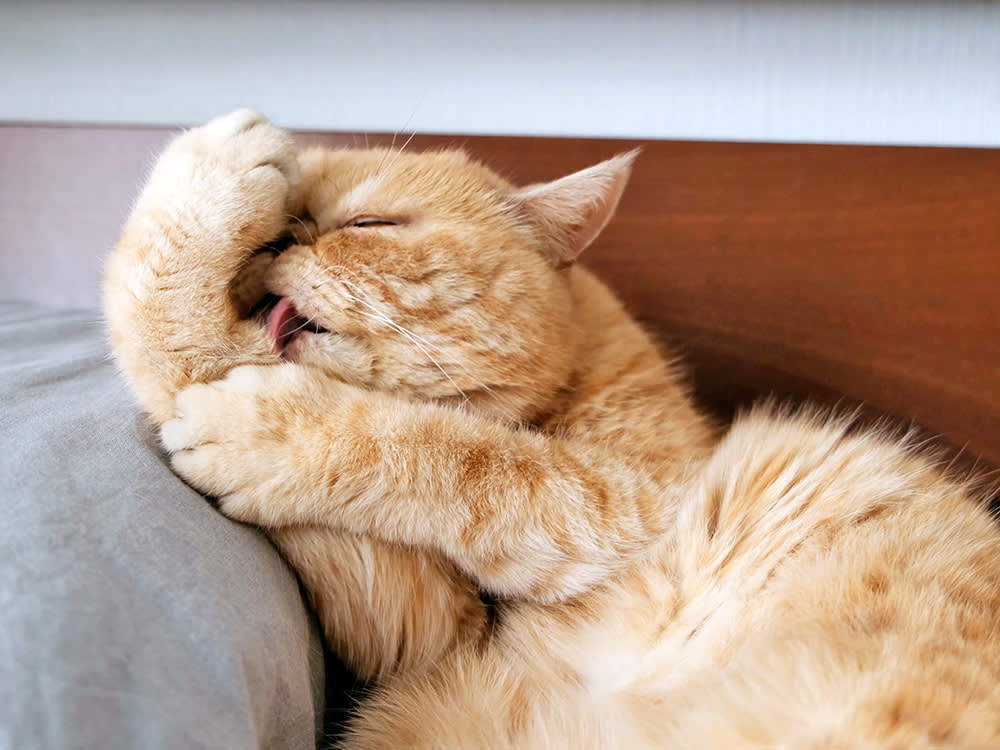
Have you ever watched your cat spend hours licking its fur and wondered, “Why is my cat obsessed with grooming?” It might seem like just a simple habit, but there’s more to this behavior than meets the eye. Understanding why your furry friend grooms so much can help you spot if something’s wrong or simply appreciate their natural instincts.
You’ll discover the surprising reasons behind your cat’s grooming obsession and what it means for their health and happiness. Keep reading—your cat’s secret world of self-care is about to unfold.
Normal Grooming Habits
Cats spend a good part of their day grooming themselves. This behavior is normal and important for their health and comfort. Grooming helps cats stay clean and feel good. Understanding normal grooming habits helps owners know what is healthy and what might be a problem.
How Cats Groom Themselves
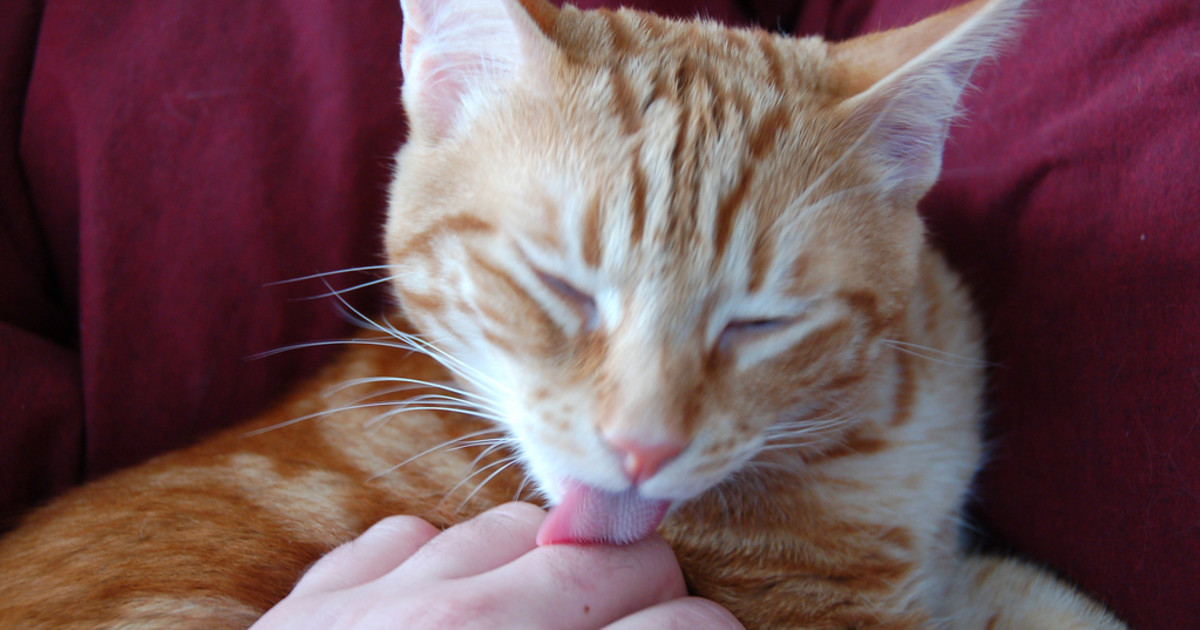
Cats use their tongue to clean their fur. Their tongue has tiny, rough bumps that help remove dirt and loose hair. They lick their paws and then rub their face and head. Cats also use their teeth to nibble tangles or remove debris. Grooming happens in short sessions throughout the day.
Benefits Of Regular Grooming
- Removes dirt, dust, and loose fur from the coat
- Prevents mats and tangles that cause discomfort
- Distributes natural oils to keep fur shiny and healthy
- Helps control body temperature by removing excess fur
- Reduces stress and provides a calming effect
- Allows cats to check their bodies for injuries or parasites

Credit: basepaws.com
Health-related Causes
Cats groom themselves to stay clean and comfortable. Sometimes, health issues can make them groom more than usual. These health-related causes need attention to keep your cat happy and healthy.
Skin Allergies And Irritations
Skin allergies can cause itching and redness. Cats may lick or scratch to soothe the irritation. Common allergens include pollen, dust, and certain foods. Treating allergies often reduces excessive grooming and discomfort.
Parasites And Fleas
Parasites like fleas cause intense itching and irritation. Cats groom to try and remove these pests. Flea bites can lead to skin infections if untreated. Regular parasite control helps stop this behavior.
Pain Or Discomfort
Injuries or underlying pain can make cats groom specific areas. This grooming acts as a way to soothe discomfort. Watch for bald patches or sores from over-grooming. Veterinary care may be needed to find the cause.
Behavioral Triggers
Understanding why your cat is so focused on grooming means looking beyond the surface. Many times, this behavior links directly to what’s happening inside their mind and environment. Behavioral triggers can push grooming from a simple hygiene habit to an all-consuming activity.
Stress And Anxiety
Stress can make your cat turn to grooming as a coping mechanism. If your cat suddenly faces changes like moving to a new home, new pets, or loud noises, you might notice an increase in grooming sessions. This acts like a self-soothing ritual, helping them feel a bit safer.
Have you ever seen your cat licking the same spot repeatedly after a vet visit or a thunderstorm? That’s stress showing up as grooming. It’s important to spot these signs early and provide comfort or distractions.
Boredom And Lack Of Stimulation
When cats don’t have enough to do, grooming can become a way to fill the time. A bored cat might over-groom just because they’re restless or under-stimulated. You might find your cat spending hours cleaning when they could be playing or exploring instead.
Think about your own daily routine—would you feel restless without anything interesting to do? Your cat feels the same way. Adding new toys, interactive play, or even safe outdoor time can reduce this kind of grooming.
Compulsive Grooming
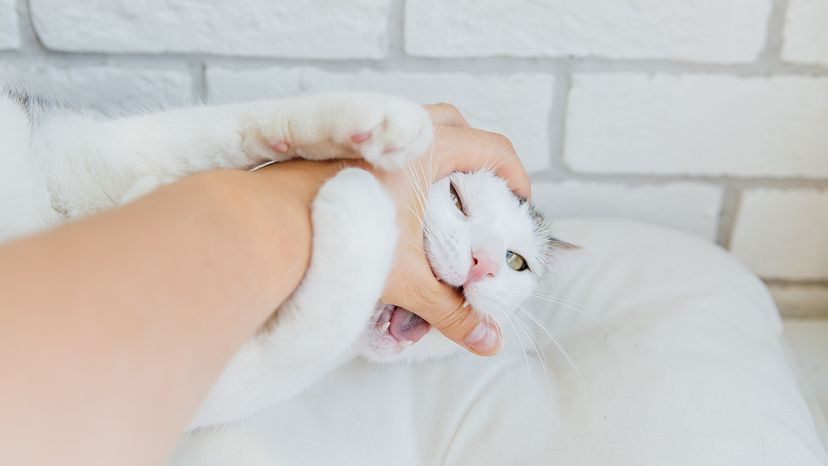
Sometimes grooming moves beyond normal and becomes compulsive, meaning your cat does it so much that it causes harm. This can lead to bald patches, redness, or sores on their skin. If you notice these symptoms, it’s a clear sign your cat needs professional help.
Compulsive grooming may stem from deeper medical or psychological issues. Asking yourself if your cat’s grooming habits have changed suddenly can help catch problems early. Consulting your vet is crucial to rule out allergies, parasites, or anxiety disorders.
Credit: animals.howstuffworks.com
Environmental Influences
Cats are known for their meticulous grooming habits. Sometimes, environmental factors influence this behavior. Understanding these influences can help identify why a cat grooms excessively.
Changes In Surroundings
Moving to a new home can unsettle your cat. Unfamiliar smells and noises may increase stress. This stress often leads to more grooming as a coping mechanism. Even rearranging furniture can trigger this response. Keep your cat’s space consistent to reduce anxiety.
Interaction With Other Pets
Introducing a new pet can alter your cat’s grooming habits. Cats establish social hierarchies, which can cause stress. This stress may lead your cat to groom more often. Monitor interactions between pets to maintain harmony. Providing separate spaces for each pet helps reduce grooming-related stress.
When To Seek Veterinary Help
Excessive grooming in cats can signal health or emotional issues. Knowing when to seek veterinary help is crucial to protect your cat’s well-being. Some grooming behaviors need professional attention to prevent further problems.
Veterinarians can identify underlying causes and suggest the best care. Early intervention often leads to better outcomes for your cat’s health and comfort.
Signs Of Excessive Grooming
- Bald patches or hair loss
- Red, irritated, or raw skin
- Constant licking or biting of the same spot
- Scabs or wounds on the skin
- Changes in behavior or mood
Diagnostic Steps
The vet will perform a full physical exam first. They may check for parasites like fleas or mites. Skin scrapings or allergy tests can help find irritants.
Blood tests might be done to detect infections or hormonal imbalances. The vet may also ask about your cat’s diet and environment.
Treatment Options
- Medications for infections or parasites
- Special shampoos or topical treatments
- Diet changes to reduce allergies
- Behavioral therapy for stress-related grooming
- Environmental enrichment to reduce anxiety
Tips To Manage Grooming Obsession
Managing your cat’s grooming obsession can feel challenging, but small changes can make a big difference. Understanding how to redirect your cat’s energy and create a calming space helps reduce excessive licking or biting. Here are practical tips you can use to help your feline friend find balance.
Providing Mental Stimulation
Your cat might groom excessively out of boredom or stress. Giving your cat new toys, puzzle feeders, or interactive playtime can keep their mind busy and reduce over-grooming.
Try rotating toys regularly to keep things fresh. Have you noticed how your cat reacts to different activities? Watching for their preferences helps you offer the right kind of mental challenge.
Maintaining A Comfortable Environment
Stress often triggers grooming obsession. Creating a quiet, safe space with cozy beds and hiding spots can help your cat relax.
Keep the litter box clean and feeding routine consistent. Cats thrive on routine, so small changes can upset them more than you expect. How calm is your cat’s current environment?
Using Soothing Products
There are products designed to calm anxious cats, such as pheromone diffusers and calming collars. These can reduce stress-related grooming by making your cat feel secure.
Consider natural remedies like chamomile sprays or CBD treats, but always check with your vet first. Have you tried any calming products yet, and what was your cat’s response?

Credit: basepaws.com
Frequently Asked Questions
Why Does My Cat Groom Excessively?
Cats groom excessively to clean themselves and regulate body temperature. It also helps reduce stress and remove loose fur or dirt.
Can Grooming Obsession Indicate Health Problems?
Yes, obsessive grooming can signal skin allergies, parasites, or pain. Consult a vet if grooming causes hair loss or skin damage.
How Does Grooming Benefit My Cat’s Health?
Grooming removes dirt, dead skin, and loose hair. It also distributes natural oils, keeping the coat healthy and shiny.
Is My Cat Stressed If It Grooms Too Much?
Excessive grooming can be a stress response. Cats use grooming to calm down during anxiety or environmental changes.
Conclusion
Cats groom themselves to stay clean and healthy. This behavior also helps them feel calm and safe. Sometimes, grooming becomes a habit or a way to relieve stress. Watch your cat’s grooming habits closely. Too much grooming may signal a health issue.
Regular vet visits keep your cat happy and healthy. Understanding why your cat grooms helps you care for them better. A well-groomed cat is often a content cat. Keep your furry friend comfortable and loved every day.


Leave a Reply