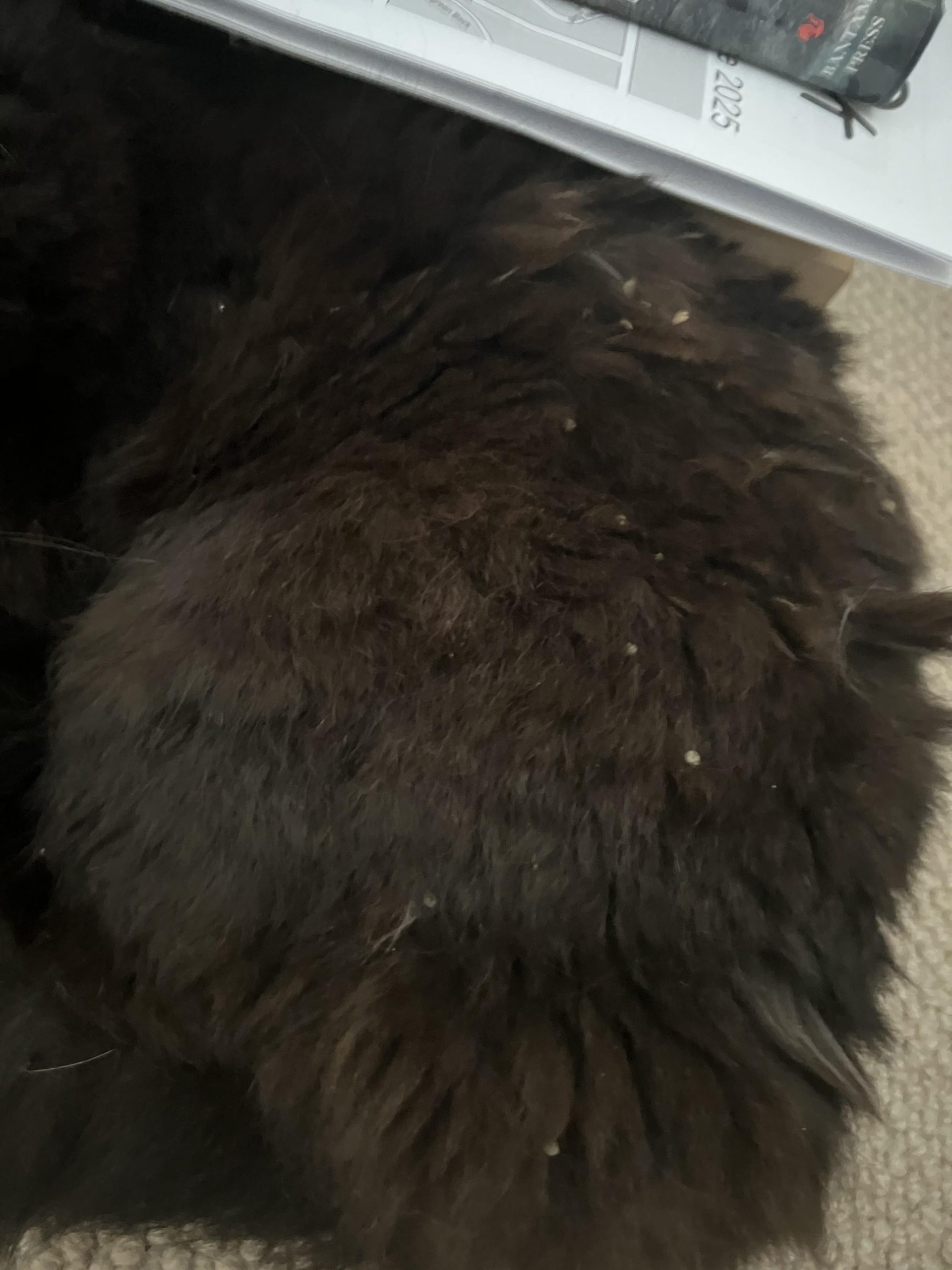
Have you noticed your cat suddenly stopped grooming herself? It’s something many cat owners find worrying.
Grooming is a natural habit for cats, and when it suddenly stops, it can signal that something is wrong. You might feel confused or concerned, wondering what’s causing this change. You’ll discover the common reasons behind this behavior and what you can do to help your furry friend feel better.
Keep reading—you owe it to your cat to understand what’s going on.
Common Causes Of Grooming Loss
Cats usually groom themselves to stay clean and healthy. Grooming helps remove dirt and loose fur. When a cat stops grooming, it signals a problem. Several common causes can lead to grooming loss. Understanding these causes helps in providing the right care. Here are the main reasons why your cat might stop grooming.
Health Issues
Illness can make grooming hard for cats. Skin infections, allergies, or parasites cause discomfort. Conditions like diabetes or thyroid problems affect grooming habits. Sometimes, internal diseases reduce a cat’s energy. Sick cats often stop cleaning themselves properly.
Pain And Discomfort
Pain from injuries or arthritis limits movement. Cats in pain avoid grooming sore areas. Dental problems can also cause discomfort and reduce grooming. Pain makes grooming difficult or unpleasant for cats. This leads to dirty or matted fur over time.
Stress And Anxiety
Stress changes a cat’s behavior. New environments, loud noises, or new pets cause anxiety. An anxious cat may stop grooming or groom excessively. Grooming loss can be a sign of emotional distress. Reducing stress helps improve grooming habits.
Age-related Changes
Older cats groom less due to reduced flexibility. Joint stiffness or weaker muscles make grooming tough. Aging cats might forget or lose interest in grooming. They need more help maintaining their coat. Regular brushing supports grooming for senior cats.
Environmental Factors
Dirty or uncomfortable surroundings discourage grooming. Lack of a quiet, safe place affects self-care. Changes in routine or environment can confuse cats. Poor diet or dehydration also impact their coat health. A clean, calm space encourages grooming behaviors.
Identifying Symptoms And Signs
Noticing that your cat has stopped grooming herself can be worrying. To understand what’s going on, you need to watch for specific symptoms and signs. These clues will help you decide if a vet visit is necessary and how to support your furry friend.
Changes In Coat Condition
A healthy cat’s coat is usually shiny and smooth. If your cat’s fur looks dull, greasy, or matted, it’s a clear sign something might be wrong. You might also find bald patches or excessive shedding, which indicate grooming problems.
Have you noticed any unusual odors coming from your cat’s fur? This could mean she hasn’t been cleaning herself properly. Keep an eye on the coat texture—rough or flaky skin often points to underlying issues.
Behavioral Shifts
Your cat’s grooming habits are closely linked to her mood and energy. If she suddenly seems withdrawn or less active, it might explain the lack of self-care. Cats often stop grooming when they feel stressed, anxious, or unwell.
Watch for changes like hiding more, avoiding interaction, or showing irritability. These behaviors can signal discomfort or pain that prevents grooming. Ask yourself: has your cat’s daily routine or environment changed recently?
Physical Symptoms To Watch
Physical signs can reveal why your cat isn’t grooming. Look for lumps, wounds, or swollen areas that might cause pain during grooming. Skin infections or parasites like fleas can also discourage your cat from cleaning herself.
Other symptoms include limping, difficulty moving, or changes in eating and drinking habits. These could suggest medical problems affecting her ability to groom. Noticing these signs early can make a big difference in your cat’s health care.
Medical Conditions Affecting Grooming
Cats are known for their meticulous grooming habits. When a cat stops grooming, it raises concerns. Often, underlying medical conditions can disrupt this behavior. Let’s explore some common medical issues that might affect a cat’s grooming routine.
Skin Infections And Parasites
Skin infections can cause discomfort, leading to reduced grooming. Parasites like fleas or mites irritate the skin. This irritation makes grooming painful for cats. These issues can cause your cat to neglect her fur care.
Arthritis And Mobility Problems
Older cats may suffer from arthritis. Joint pain makes it hard for them to groom. Limited mobility restricts their ability to reach certain areas. This can result in an unkempt appearance.
Dental Issues
Painful dental problems can deter grooming. Cats use their mouths to clean their fur. If they have tooth pain, they might avoid grooming. This can lead to matted fur and skin problems.
Hormonal Imbalances
Hormonal imbalances can affect grooming habits. Conditions like hyperthyroidism or diabetes may play a role. These imbalances can cause lethargy or discomfort. Affected cats might neglect their grooming routine.

Credit: pennypaws.com
Emotional And Psychological Factors
Emotional and psychological factors play a significant role in your cat’s grooming habits. When your feline friend stops grooming herself, it often signals deeper issues beyond just physical health. Understanding these emotional triggers can help you address the root cause and support your cat’s well-being effectively.
Effects Of Stress And Anxiety
Stress and anxiety can cause your cat to neglect grooming. Changes in routine, loud noises, or new pets can trigger these feelings. You might notice your cat hiding more or acting restless alongside reduced grooming.
Have you observed your cat’s behavior before she stopped grooming? Identifying stress sources can guide you in creating a calmer environment.
Impact Of Changes In Environment
Moving to a new home or rearranging furniture can unsettle your cat. These environmental shifts can disrupt her sense of security and comfort. Cats rely on familiar surroundings to feel safe, so any change might cause her to stop grooming temporarily.
Try to keep her space consistent and introduce changes slowly. Providing hiding spots and familiar scents can ease this transition.
Separation And Loneliness
Cats are social creatures, and separation from their favorite humans or animal companions can lead to loneliness. This emotional void can result in decreased self-care habits, including grooming. If your cat spends long hours alone, she might feel neglected or bored.
Consider spending more quality time with your cat or providing interactive toys to keep her engaged. Have you noticed a correlation between your time away and her grooming habits?
Practical Solutions To Encourage Grooming
Helping a cat start grooming again takes patience and care. Cats stop grooming for many reasons, including illness, pain, or stress. Finding practical ways to encourage grooming supports your cat’s health and happiness. Start with gentle actions and observe your cat’s response.
Veterinary Care And Treatment
Veterinary care is crucial if your cat stops grooming. A vet can check for skin problems, infections, or other health issues. Early treatment helps your cat feel better and groom naturally. Regular check-ups catch problems before they worsen.
Pain Management Strategies
Pain often stops cats from grooming. Joint pain or injuries can make grooming hard. Pain management can include medication or supplements your vet recommends. Soft bedding and easy access to food and water also help reduce discomfort.
Creating A Stress-free Environment
Stress can cause cats to stop grooming. Loud noises or new pets may frighten your cat. Create a calm space with quiet, safe hiding spots. Use gentle voices and avoid sudden movements. A relaxed cat will groom more often.
Regular Grooming Assistance
Help your cat with grooming if needed. Brush your cat gently to remove loose fur and dirt. Use soft brushes and short sessions to avoid stress. Grooming together builds trust and keeps your cat clean and healthy.
:strip_icc()/the-kitty-1011094438-5c3d1af5c9e77c00015e66a6.jpg)
Credit: www.thesprucepets.com
Preventive Measures For Healthy Grooming
Maintaining healthy grooming habits in cats prevents many health issues. Preventive care supports their natural behavior and keeps their coat shiny. It also helps avoid skin infections and discomfort caused by poor grooming. Small daily steps create a big difference in your cat’s well-being.
Balanced Nutrition
Good nutrition fuels your cat’s body and skin health. Feed a diet rich in proteins and essential fats. Omega-3 and omega-6 fatty acids improve coat shine and reduce dryness. Avoid low-quality foods that lack vital nutrients. Fresh water is crucial for hydration and skin moisture.
Routine Health Checks
Regular vet visits catch health problems early. Dental issues, arthritis, or skin conditions can stop grooming. Early treatment keeps your cat comfortable and active. Watch for changes in behavior or coat condition. Quick action can prevent long-term problems.
Environmental Enrichment
Stress and boredom cause grooming to decline. Provide toys, scratching posts, and climbing areas. Playtime reduces anxiety and encourages natural habits. A calm, safe environment helps your cat feel secure. Clean their resting spots and litter boxes often.
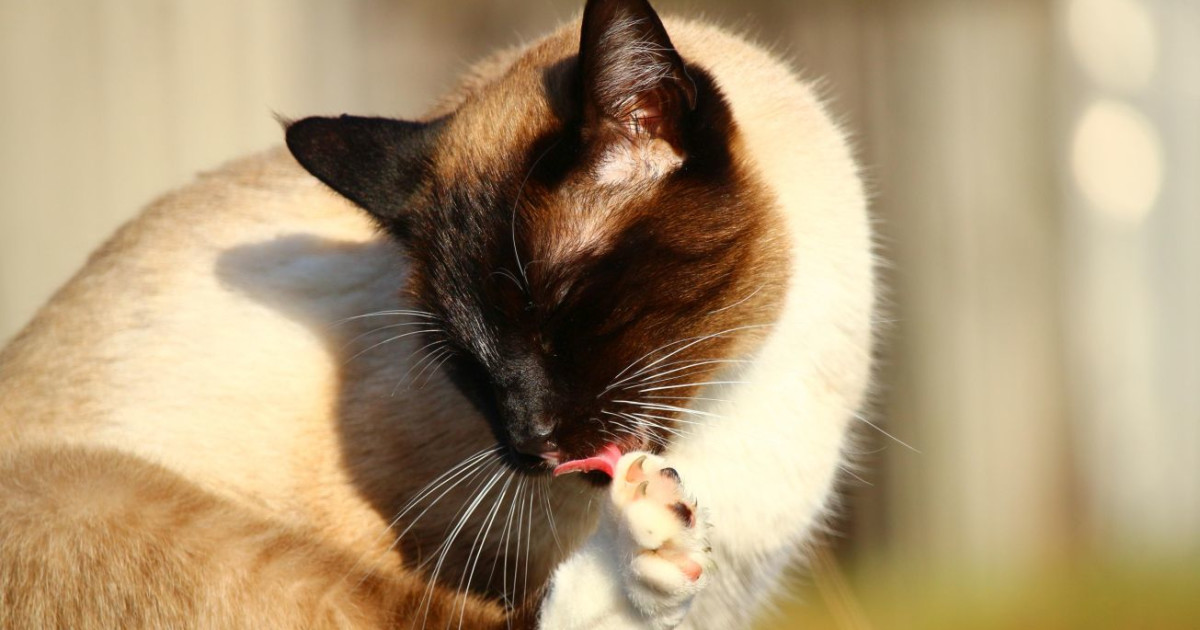
Credit: pethelpful.com
Frequently Asked Questions
Why Did My Cat Suddenly Stop Grooming Herself?
Cats may stop grooming due to illness, pain, stress, or skin problems. Lack of grooming can signal health issues needing vet attention.
Can Stress Cause Cats To Stop Grooming?
Yes, stress or anxiety can lead cats to neglect grooming. Changes in environment, new pets, or loud noises often trigger this behavior.
How Does Illness Affect A Cat’s Grooming Habits?
Illnesses like arthritis or dental pain make grooming uncomfortable. Sick cats often reduce grooming due to physical discomfort or lethargy.
What Skin Problems Cause Cats To Stop Grooming?
Skin infections, allergies, or parasites can cause irritation. Cats may avoid grooming to prevent pain or worsening the condition.
Conclusion
A cat stopping grooming can signal health or stress issues. Watch for changes in behavior or appearance. A vet visit helps find and treat problems early. Regular grooming keeps cats clean and comfortable. You can support your cat by keeping a calm home.
Paying attention to your cat’s needs shows you care. Taking action quickly ensures your cat stays happy and healthy. Don’t wait if grooming habits suddenly change. Your cat depends on you for help and comfort.


Leave a Reply