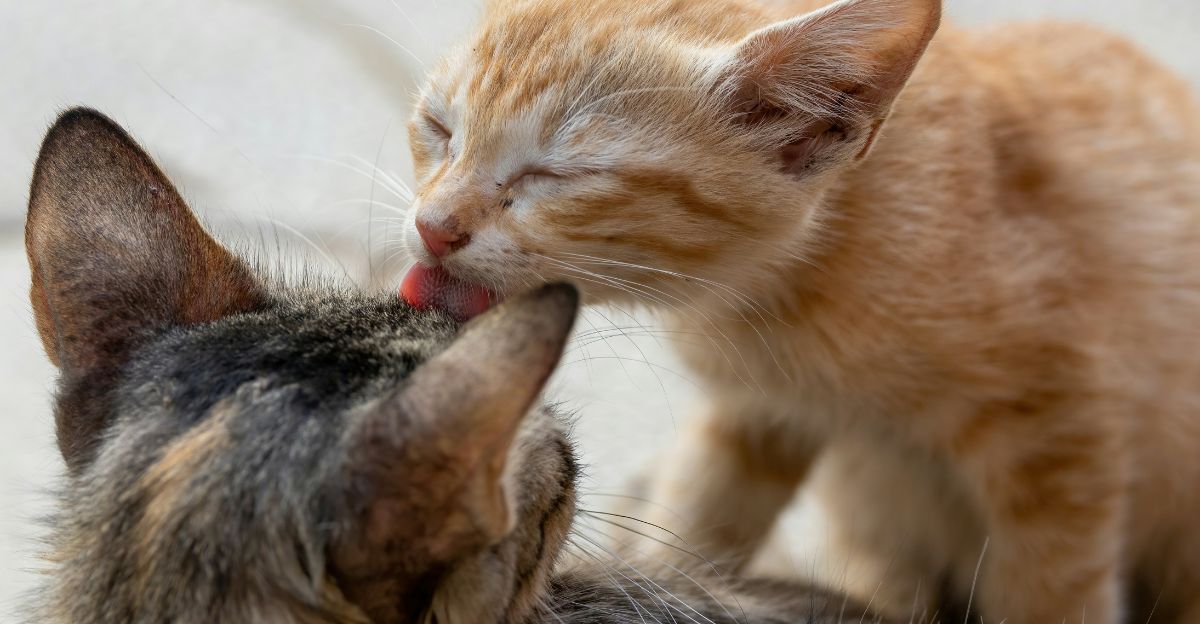
Have you ever watched cats carefully licking each other and wondered why they do it? It’s more than just keeping clean.
When cats groom each other, they are sharing something special—a bond that goes deeper than you might think. Understanding this simple act can help you see your furry friends in a whole new light. Keep reading to discover the surprising reasons behind this behavior and how it affects your cat’s happiness and health.
You’ll never look at their grooming sessions the same way again!

Credit: basepaws.com
Social Bonding Among Cats
Social bonding among cats is a fascinating behavior that goes beyond simple hygiene. When cats groom each other, they are actually communicating trust and building connections. This mutual grooming plays a crucial role in how they form and maintain their social groups.
Strengthening Relationships
Grooming between cats is a clear sign of friendship and trust. When your cats lick and clean each other, they are reinforcing their emotional bond.
This behavior often appears between cats that feel safe with one another. It’s their way of saying, “I accept you.”
Have you noticed how your cats often groom after playing or resting together? This shows how grooming helps deepen their connection.
Group Harmony And Peace
Mutual grooming also helps keep peace within a group of cats. It reduces tension and prevents conflicts by reminding each cat of their place in the social order.
When cats groom each other, they share scents and create a group identity. This shared scent helps them feel united and less likely to fight.
If you see your cats grooming each other after a disagreement, it’s their way of making up and restoring calm. Could this be a useful hint for understanding your cats’ moods?
Health Benefits Of Grooming
Cats grooming each other is more than a social activity. It offers clear health benefits that help keep them strong and happy. Grooming helps maintain a cat’s cleanliness and supports their physical well-being. This behavior plays a key role in their overall health.
Removing Dirt And Parasites
Grooming helps cats remove dirt and loose fur from their bodies. It also gets rid of harmful parasites like fleas and ticks. These pests can cause irritation and illness. By grooming each other, cats help reduce the risk of infections. This natural cleaning process keeps their skin healthy and fur shiny.
Stimulating Skin And Fur
When cats groom each other, they stimulate blood flow to the skin. This helps deliver nutrients to their fur and skin cells. Better circulation promotes healthy fur growth. It also reduces the chance of dry skin or wounds. Grooming helps spread natural oils that protect the coat. This keeps the fur soft and less likely to tangle or mat.
Communication Through Grooming
Cats groom each other to build trust and show friendship. This behavior helps them stay clean and feel safe together. Grooming also strengthens their social bonds and reduces stress.
Cats groom each other as a form of communication. This behavior, known as allogrooming, strengthens their bonds. It is a social activity that conveys trust and affection. Grooming is not just about cleanliness. It plays a key role in how cats interact with each other. Let’s explore how grooming communicates among cats.Sharing Scent And Territory
Cats have scent glands in their fur. Grooming each other mixes these scents. This creates a shared group scent. Cats feel safer and more secure this way. It also marks their territory. Grooming spreads their scent, warning other cats to keep away. This scent-sharing is vital in multi-cat households. It establishes a peaceful environment.Signaling Trust And Affection
Grooming is a sign of trust. Cats don’t groom just any cat. It’s reserved for cats they like and trust. This builds strong social bonds. Grooming can be soothing and comforting. Cats often purr while grooming each other. This indicates they are relaxed and happy. A cat grooming another shows affection and friendship.Grooming Hierarchies
Cats grooming each other is more than just cleaning. It shows a social order called grooming hierarchies. These hierarchies help cats live together peacefully. Grooming is a way to show trust and respect among cats. It helps to reduce tension and build bonds in a group. Understanding grooming hierarchies explains why cats groom some friends more than others.
Dominance And Submission
In a group, some cats are leaders, and others follow. Grooming often shows these roles clearly. The dominant cat usually receives more grooming from others. This act shows respect and acceptance of the leader’s status. The submissive cats groom leaders to keep peace. Grooming helps avoid fights by confirming each cat’s place. It is a silent way to say, “You are in charge.”
Role Of Age And Status
Older cats often get more grooming than younger ones. Age brings experience and respect in cat groups. Young cats learn social skills by grooming elders. It is a way to gain trust and friendship. Status is important too. High-status cats enjoy more grooming attention. Low-status cats groom others to improve their position. This grooming balance keeps the group stable and happy.
Stress Relief And Comfort
Cats grooming each other is more than just keeping clean. It helps them feel safe and calm. This behavior brings comfort and lowers stress. Grooming creates a peaceful moment between cats. It builds trust and makes them feel close. Stress can affect cats just like people. Grooming helps ease those feelings and brings relief.
Calming Effects
Grooming releases soothing signals in cats’ brains. These signals help slow down their heart rate. It lowers tension and creates a relaxed state. Cats feel a sense of peace during grooming. The gentle licking and nibbling feel comforting. This calm feeling helps cats stay balanced and less restless.
Reducing Anxiety
Social grooming helps cats reduce nervous feelings. It gives them a chance to connect and feel safe. Grooming lowers stress hormones, which reduce anxiety. This activity reassures cats they are not alone. It helps them cope with changes or new environments. Grooming is a natural way for cats to feel secure.

Credit: www.youtube.com
When Grooming Behavior Changes
Changes in your cats’ grooming habits can signal shifts in their health or environment. Grooming is more than just cleaning; it’s a form of social bonding and communication. When this behavior changes, it’s important to pay attention and understand what might be causing it.
Signs Of Illness
When a cat suddenly stops grooming or grooms excessively, it may be trying to tell you something is wrong. Illnesses like dental problems, arthritis, or skin conditions often cause discomfort that affects grooming habits. You might notice:
- Patchy fur or bald spots
- Excessive licking or biting of certain areas
- Unkempt or greasy fur
Have you ever seen a cat with a rough coat and wondered if they’re feeling okay? Ignoring these signs can delay treatment, so a vet visit is often the best next step.
Impact Of Environment
Your cat’s surroundings affect its grooming behavior more than you might expect. Stress from new pets, changes in routine, or even moving to a new home can disrupt their grooming patterns. Cats may groom each other more or less depending on how secure and comfortable they feel.
Think about your own experience with stress—did your habits change? Cats react similarly. Providing a calm, stable environment helps maintain normal grooming behaviors and strengthens their bond.

Credit: catgroomerla.com
Frequently Asked Questions
Why Do Cats Groom Each Other Regularly?
Cats groom each other to strengthen social bonds and show affection. This behavior, called allogrooming, helps maintain group harmony and reduces stress. It also keeps their fur clean and free from parasites.
How Does Mutual Grooming Benefit Cats?
Mutual grooming reduces tension and promotes trust among cats. It helps distribute natural oils, keeping their coats healthy. This social activity also reinforces their pack structure and emotional connection.
Can Grooming Indicate A Cat’s Social Status?
Yes, grooming can reflect social hierarchy in cats. Dominant cats often groom subordinates, asserting their status. Grooming also helps subordinate cats seek acceptance and maintain peaceful relationships.
Is Mutual Grooming Essential For Cat Health?
Mutual grooming aids in cleanliness and parasite control. It improves skin health by spreading oils evenly. This behavior also reduces stress, contributing to overall well-being.
Conclusion
Cats groom each other to build trust and show care. This behavior helps keep their fur clean and healthy. It also strengthens their social bonds and reduces stress. Grooming creates a peaceful and friendly environment among cats. Understanding this helps you appreciate their natural habits better.
Watching cats groom each other reveals their gentle and loving nature. It’s a small act with big meaning in their world. Caring for your cat means recognizing these important social moments. They are not just cleaning but sharing affection too.


Leave a Reply