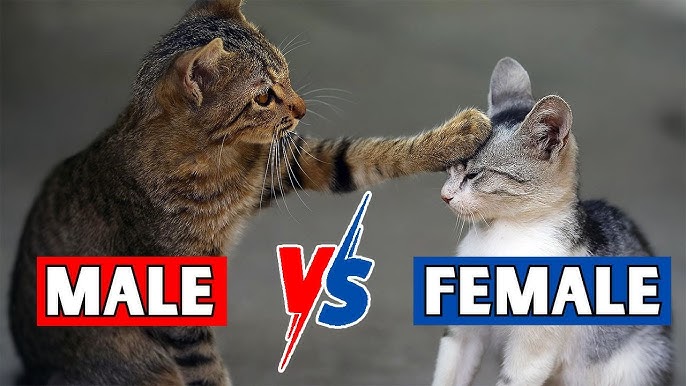
Have you ever watched two cats suddenly start fighting, only to see them calm down and groom each other right after? It might leave you wondering why your furry friends can be so quick to clash and then become so gentle.
Understanding this strange behavior can help you connect better with your cats and keep them happy. You’ll discover the surprising reasons behind cat fights and why grooming each other is more than just a cute moment—it’s a sign of their unique bond.
Keep reading to unlock the secrets of your cats’ curious actions!

Credit: tryfurgo.com
Reasons Cats Fight
Cats fight for several reasons. These fights are part of their natural behavior. Understanding why cats fight helps in managing their interactions. Fighting can be about survival, comfort, or social order. Each reason shows a different side of cat behavior.
Territorial Disputes
Cats are very protective of their space. They mark areas to keep others away. When a new cat enters, fights can start. This helps them defend their home and resources. Territory means safety and food for cats.
Mating Competition
Male cats often fight over females in heat. This competition is fierce and noisy. Winning means a chance to mate and pass genes. Females may also fight to protect their kittens. Mating fights are intense but usually short.
Resource Guarding
Cats guard food, water, and resting spots. When resources are scarce, fights become common. They want to ensure their survival. Sharing resources is not always easy for cats. Guarding helps them control what they need most.
Social Hierarchy Establishment
Cats live in social groups with ranks. Fighting helps decide who is dominant. Dominant cats get first access to resources. This order reduces long fights later. Social hierarchy keeps peace in the group.
Stress And Anxiety Triggers
Stress can make cats aggressive. Loud noises, new pets, or changes cause stress. Anxious cats may lash out to protect themselves. Fighting is a way to release tension. Reducing stress helps lower fighting chances.
How Cats Fight
Cats often engage in fights with each other, which can seem puzzling. These fights are part of their natural behavior. Understanding how cats fight can help in managing them better. Cats use various signals and behaviors during their conflicts.
Body Language Signals
Cats communicate through body language during fights. They arch their backs to appear bigger. Erect fur signals aggression or fear. A cat may also flatten its ears back. This is a sign of readiness to attack. Tail movements are also significant. A twitching tail can indicate irritation or agitation. Observing these signals helps in predicting potential conflicts.
Common Fighting Behaviors
During fights, cats display specific behaviors. They may swipe at each other with paws. Biting is also common in cat fights. Cats often circle each other, sizing up their opponent. Leaping and pouncing are typical fighting tactics. These behaviors might look playful but can escalate quickly. Recognizing these actions can help in intervening early.
Vocalizations During Conflicts
Cats use vocalizations to express their emotions in fights. Hissing is a warning to stay away. Growling indicates anger and readiness to fight. Yowling can be a sign of fear or distress. Screeching often occurs during intense fights. These sounds can be loud and alarming. Listening to these vocal cues can provide insights into the conflict’s intensity.
Why Cats Groom Each Other
Cats groom each other for many reasons. This behavior shows more than just cleaning. It builds relationships and helps cats feel safe. Mutual grooming is a sign of trust. It often happens between cats that live together or share a close bond.
Bonding And Social Connection
Cats groom each other to strengthen their bond. It helps create a sense of friendship. Grooming is a way to say, “I trust you.” This action brings cats closer. It reduces distance and builds unity in a group. Cats feel more connected after grooming sessions.
Mutual Hygiene Benefits
Grooming helps keep cats clean. Some spots are hard to reach alone. Cats help each other by cleaning these areas. This keeps their fur free of dirt and parasites. Grooming also spreads natural oils for healthy fur. It supports overall skin and coat health.
Stress Relief And Comfort
Grooming calms cats down. It lowers stress and anxiety levels. The gentle licking feels soothing and safe. Cats feel comforted by the presence of a friend. This helps them relax and enjoy peaceful moments together.
Reinforcing Hierarchy
Grooming can show social order. Higher-ranking cats often groom lower-ranking ones. This behavior confirms roles within the group. It helps avoid conflicts and keeps peace. Grooming lets cats express respect and acceptance.
Grooming Behavior Patterns
Cats have unique grooming behavior patterns that reveal a lot about their social bonds and emotional states. Understanding these patterns helps you see why cats sometimes fight and at other times lovingly groom each other. Grooming is more than just cleanliness; it’s a form of communication and connection between feline friends.
Allogrooming Techniques
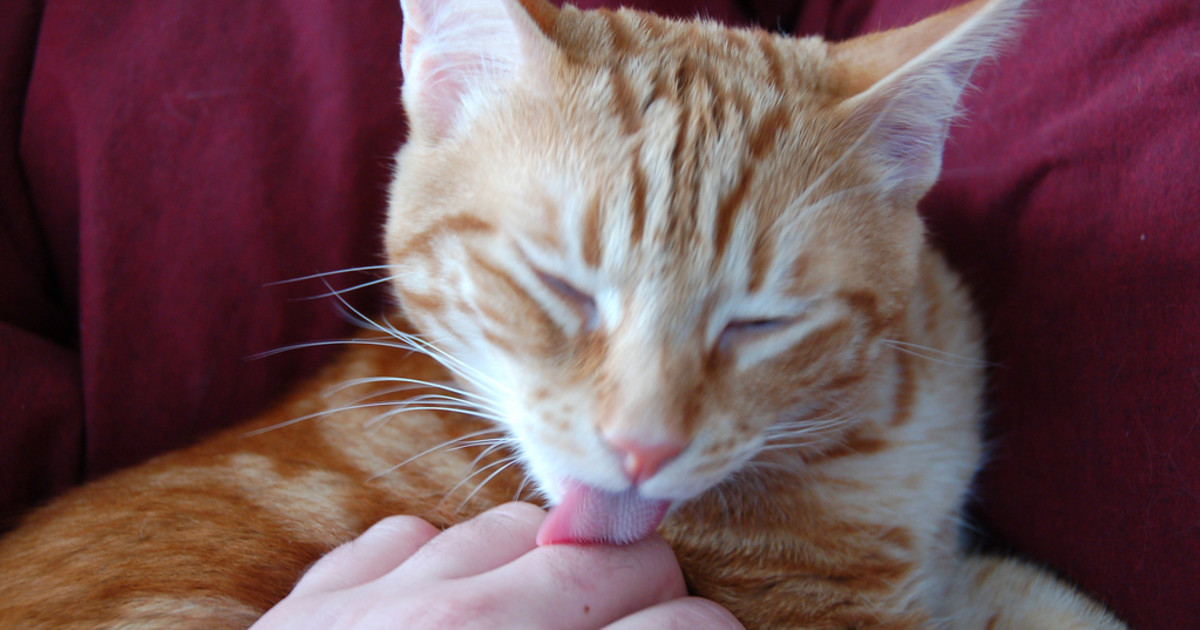
Allogrooming means one cat grooming another. Cats use their tongues to lick gently, focusing on hard-to-reach spots. Sometimes, they nibble softly or use their paws to hold the other cat steady.
You might notice cats taking turns grooming each other, which builds trust and reduces tension. Have you ever watched two cats pause during grooming to look into each other’s eyes? That moment shows a deep bond and mutual respect.
Areas Commonly Groomed
Cats usually groom each other in places they can’t easily reach alone. These include the head, neck, and behind the ears. These spots are sensitive and grooming there signals affection and care.
Interestingly, cats rarely groom the belly or tail area of others unless they are very close. If your cats focus on these areas, it’s a sign of strong friendship. Have you noticed where your cats prefer to be groomed?
Frequency And Duration
The length and frequency of grooming sessions vary depending on the relationship between the cats. Close companions might groom each other several times a day, while more distant cats do it less often. Sessions can last from a few seconds to several minutes.
Pay attention to how your cats groom: is it brief and casual or long and thorough? This can tell you about their current mood and relationship status. Could changes in grooming habits signal shifting dynamics you need to watch?
Surprising Links Between Fighting And Grooming
At first glance, fighting and grooming might seem like opposite behaviors in cats. One is about conflict and the other about care. Yet, these actions are surprisingly connected in feline social life.
From Conflict To Reconciliation
After a fight, cats often groom each other to repair their bond. This behavior helps reduce tension and signals forgiveness. Think of it as a way your cat says, “Let’s move past this.”
If you notice your cats fighting and then grooming, it’s a sign they are working through their issues. It’s a reminder that conflict doesn’t mean the end of their relationship.
Grooming As A Peacekeeping Tool
Grooming goes beyond cleanliness. It acts as a social glue, keeping peace within the group. Cats use grooming to build trust and calm each other down.
Observing cats, you’ll see that grooming often happens after moments of stress or disagreement. This shows how your cats manage their emotions and maintain harmony.
Balancing Aggression And Affection
Fighting and grooming exist on a spectrum of cat communication. They balance aggression with affection to maintain social order. This mix helps cats express their feelings without permanent damage.
Have you seen your cats switch quickly from a tussle to gentle grooming? It’s their way of balancing emotions and showing they still care.

Credit: catcuddlezone.com
Tips To Manage Cat Conflicts
Managing conflicts between cats in your home is crucial for maintaining a peaceful environment. Understanding how to reduce tension can prevent injuries and build harmony. Here are practical tips that can help you ease cat conflicts and encourage positive interactions.
Providing Adequate Resources
Cats often fight over limited resources like food, water, and litter boxes. Make sure you have enough of these essentials to avoid competition. A good rule is to have one resource per cat, plus one extra.
- Place multiple feeding stations in different areas.
- Provide separate litter boxes, ideally one per cat plus one more.
- Ensure enough water bowls are available throughout your home.
This simple adjustment can reduce stress and territorial disputes. Have you noticed your cats calm down when you add more resources? It’s a small change with a big impact.
Creating Safe Spaces
Cats need places where they feel secure and can retreat from conflict. Designate quiet, cozy areas around your home where each cat can relax undisturbed.
- Use cat trees or shelves to give vertical spaces for climbing and hiding.
- Set up cozy beds or boxes in separate rooms.
- Use baby gates or barriers to create temporary safe zones if needed.
These safe spots give your cats control over their environment. When your cats can escape tension, they are less likely to lash out. Have you tried creating a “safe zone” yet?
Behavioral Interventions
Sometimes, you need to actively guide your cats’ behavior to reduce conflict. Positive reinforcement works well—reward calm and friendly interactions with treats or praise.
- Distract your cats with toys during tense moments.
- Use pheromone diffusers to create a calming atmosphere.
- Gradually reintroduce cats that have fought by controlled, supervised sessions.
Changing behavior takes patience but pays off. Have you observed how your cats respond to rewards versus punishment? Encouraging good behavior is more effective than scolding.
When To Seek Veterinary Help
If fights become frequent or severe, it’s important to consult your vet. Health issues like pain or illness can make cats more aggressive. Your vet can also rule out underlying medical problems.
Behavioral specialists or trainers may offer additional support. Don’t hesitate to ask for professional help if conflicts persist. Could your cat’s aggression be signaling a hidden health issue?

Credit: basepaws.com
Frequently Asked Questions
Why Do Cats Fight With Each Other Sometimes?
Cats fight to defend territory, establish dominance, or protect resources. Fighting helps them communicate boundaries and hierarchy. It’s a natural behavior to resolve conflicts or stress. Understanding these reasons helps owners manage and reduce aggressive interactions effectively.
Why Do Cats Groom Each Other After Fighting?
Cats groom each other to restore social bonds and reduce tension. Grooming shows trust and affection, helping repair relationships after conflicts. It also promotes group harmony and comfort. This behavior strengthens their social connections and maintains peace within the group.
How Does Grooming Help Cats Build Relationships?
Mutual grooming releases calming hormones and reinforces trust. It signals friendship and reduces stress between cats. Grooming creates strong social bonds and promotes cooperation. This behavior is essential for a healthy, peaceful feline community.
Can Fighting And Grooming Coexist In Cat Behavior?
Yes, fighting and grooming often coexist as part of social dynamics. Cats fight to resolve issues but groom to reconcile and maintain bonds. This balance helps manage conflicts while preserving friendships. Both behaviors are natural and important for feline social life.
Conclusion
Cats fight to protect space and show dominance. Yet, they groom each other to build trust and bond. This mix of behavior keeps their social life balanced. Understanding these actions helps us care for cats better. Watching them carefully reveals their unique ways of communication.
Their fights are quick; grooming lasts longer and feels calm. Both acts are natural and important for cat groups. Knowing why cats fight and groom enriches your pet experience. It shows their feelings without words. Cats express love and stress through these simple acts.


Leave a Reply