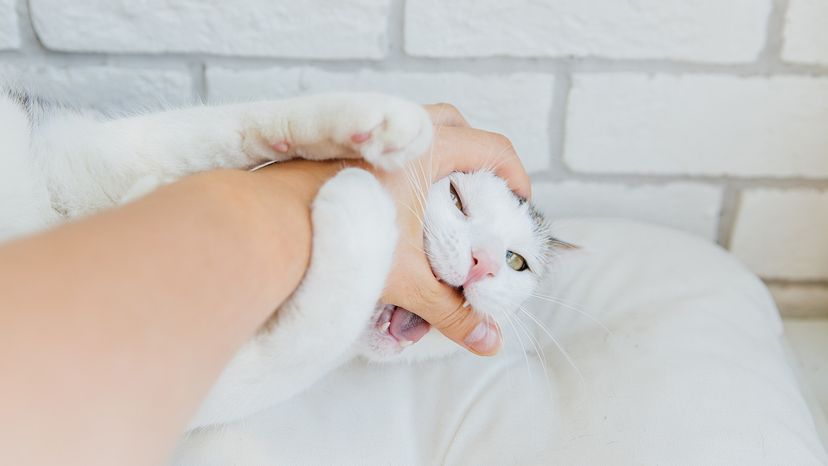
Have you ever noticed your cat suddenly biting you right after grooming? It can be confusing and even a little painful.
You might wonder why your usually sweet pet turns nippy just when they’re cleaning themselves or being brushed. Understanding this behavior can help you keep your cat happy and avoid those unexpected bites. You’ll discover the surprising reasons behind why cats bite after grooming—and learn simple ways to prevent it.
Keep reading to find out what your cat is really trying to tell you.

Credit: www.reddit.com
Cats’ Grooming Habits
Cats are known for their fastidious grooming habits, which play a vital role in their daily lives. Understanding these habits can give you insights into why your cat might bite after grooming sessions. Grooming is not just about cleanliness; it’s also a way cats communicate and bond.
Self-grooming Behavior
Self-grooming is a natural, instinctive activity for cats. They use their tongues to clean their fur, remove dirt, and regulate body temperature. This behavior helps them stay comfortable and healthy.
Sometimes, grooming can make a cat’s skin sensitive or ticklish. If you try to pet your cat right after they groom themselves, they might react with a nip or bite. Have you noticed your cat’s skin twitch or flinch when touched post-grooming? That’s a sign they might feel overstimulated or irritated.
Social Grooming Among Cats
Social grooming, or allogrooming, is when cats groom each other. This behavior strengthens social bonds and builds trust within a group. It’s a way for cats to show affection and reinforce friendships.
However, even during social grooming, cats have limits. If one cat feels overwhelmed or overstimulated, it may respond with a gentle bite or a quick swat. This shows you how sensitive grooming interactions can be, even among feline friends.
Think about how your cat might be communicating discomfort or boundaries after grooming. Understanding their grooming habits can help you respect their space and avoid those unexpected bites.

Credit: www.reddit.com
Common Reactions After Grooming
After grooming your cat, you might notice some unexpected reactions, including biting. Understanding these common reactions can help you better handle your cat’s behavior and ensure a more pleasant grooming experience for both of you. Let’s look closely at the signs your cat shows and how their behavior might change after grooming sessions.
Signs Of Discomfort
Cats often express discomfort in subtle ways. You might see your cat twitching its skin or shaking its head right after grooming. Sometimes, they may lick or scratch the groomed area excessively, signaling irritation or sensitivity.
Watch for dilated pupils or flattened ears, which usually mean your cat feels uneasy. If your cat suddenly tries to escape or hide, it’s a clear sign the grooming was too stressful or painful. Have you noticed your cat pulling away when you touch certain spots? That’s another clue they’re uncomfortable.
Behavioral Changes
After grooming, your cat’s behavior might shift noticeably. Some cats become more withdrawn or less playful for a while. Others might act more irritable or aggressive, even biting unexpectedly.
Changes in how your cat interacts with you can signal they’re still processing the grooming experience. Your usually calm cat might hiss or swat, which can feel confusing if this is out of character. Paying attention to these changes helps you adjust how you approach grooming next time.
Have you tried giving your cat a break or some treats after grooming to ease their mood? Small rewards can sometimes turn a stressful moment into a positive one. What reactions have you observed from your cat that surprised you the most?
Reasons Behind Biting After Grooming
Cats are mysterious creatures. Their behavior can sometimes puzzle even the most experienced pet owners. One common behavior that leaves many puzzled is why cats bite after grooming. Understanding this can help you better connect with your feline friend.
Overstimulation Sensitivity
Cats have sensitive skin. Grooming can lead to overstimulation. This can make them uncomfortable. When a cat becomes overstimulated, biting can be a reaction. It’s their way of saying, “That’s enough.”
Skin Irritation Or Pain
Grooming can sometimes cause skin irritation. Brushes or combs might pull on their fur. This can lead to discomfort or pain. If a cat associates grooming with pain, biting becomes a defensive response.
Redirected Aggression
Cats might experience redirected aggression. If something startles them during grooming, they may bite. It’s not personal. It’s simply their instinct kicking in.
Stress And Anxiety
Grooming can be stressful for some cats. They may feel anxious during the process. Biting can be their way to express this stress. Reducing stress can help minimize biting incidents.
Communication Through Biting
Cats use biting to communicate. After grooming, they might bite to express their feelings. This could be a sign of affection or a request to stop. Understanding their signals can improve your bond with them.
How To Prevent Post-grooming Bites
Preventing your cat from biting after grooming needs attention and care. Understanding your cat’s reactions helps reduce biting chances. Gentle grooming and paying attention to your cat’s body language make grooming peaceful and safe for both.
Recognizing Warning Signs
Watch your cat’s body language closely during grooming. Signs like tail flicking, ear flattening, or sudden tensing show discomfort. These signs warn that your cat may bite soon. Stop grooming immediately if you see these signals. Giving your cat space helps calm it down.
Adjusting Grooming Techniques
Use soft brushes and gentle strokes to avoid hurting your cat. Avoid pulling on tangles or mats roughly. Groom in the direction of fur growth for comfort. Shorten grooming sessions if your cat gets anxious quickly. Tailor grooming to your cat’s preferences and needs.
Using Soothing Products
Try calming sprays or pheromone diffusers designed for cats. These products help reduce stress during grooming. Use products with natural ingredients safe for pets. Apply sprays lightly on the grooming area or nearby. Soothing scents can create a relaxing environment for your cat.
Providing Breaks During Grooming
Divide grooming into short, manageable sessions. Pause often to let your cat relax and stretch. Offer treats during breaks to create positive associations. Watch your cat’s mood and stop if it shows signs of stress. Regular breaks keep grooming calm and prevent biting.
When To Consult A Veterinarian
Noticing your cat biting after grooming can be confusing and frustrating. Sometimes, it signals a problem that needs professional attention. Knowing when to consult a veterinarian can protect your cat’s health and improve your bond.
Identifying Medical Issues
If your cat suddenly starts biting after grooming, it might be more than just a quirky habit. Pain or discomfort from skin infections, allergies, or even wounds can trigger this behavior.
Look for signs like redness, swelling, hair loss, or unusual smells on your cat’s skin. Does your cat seem restless or overly sensitive when touched in certain spots?
These clues suggest you should schedule a vet visit. Early diagnosis can prevent more serious problems and reduce your cat’s distress.
Behavioral Therapy Options
Sometimes, biting after grooming stems from anxiety or stress rather than physical pain. If your vet rules out medical issues, consider behavioral therapy.
Techniques include gentle desensitization to grooming and positive reinforcement. You might work with a professional animal behaviorist who can tailor a plan specific to your cat’s needs.
Have you noticed if your cat bites more after certain types of grooming or at specific times? Keeping a detailed journal can help professionals understand triggers and design effective interventions.
Credit: tryfurgo.com
Frequently Asked Questions
Why Do Cats Bite After Grooming Sessions?
Cats may bite after grooming to communicate discomfort or overstimulation. Grooming can sometimes irritate their skin or fur, prompting a bite as a warning to stop.
Is Biting After Grooming A Sign Of Aggression?
Not necessarily. Biting often signals stress, pain, or irritation rather than true aggression. It’s a way for cats to express that they want the grooming to end.
How Can I Prevent My Cat From Biting After Grooming?
Use gentle grooming techniques and watch for signs of discomfort. Take breaks and stop if your cat shows irritation to avoid bites.
Does Biting Mean My Cat Dislikes Grooming?
Biting can indicate your cat feels overwhelmed or uncomfortable during grooming. It doesn’t always mean dislike but signals a need for gentler handling.
Conclusion
Cats may bite after grooming to show discomfort or stress. They might feel sensitive or annoyed by touch. Understanding their body language helps prevent bites. Giving your cat space after grooming is important. Patience and gentle care build trust over time.
Every cat is different; watch how yours reacts. Respecting their feelings keeps grooming safe and calm. This way, both you and your cat enjoy the experience.

Leave a Reply