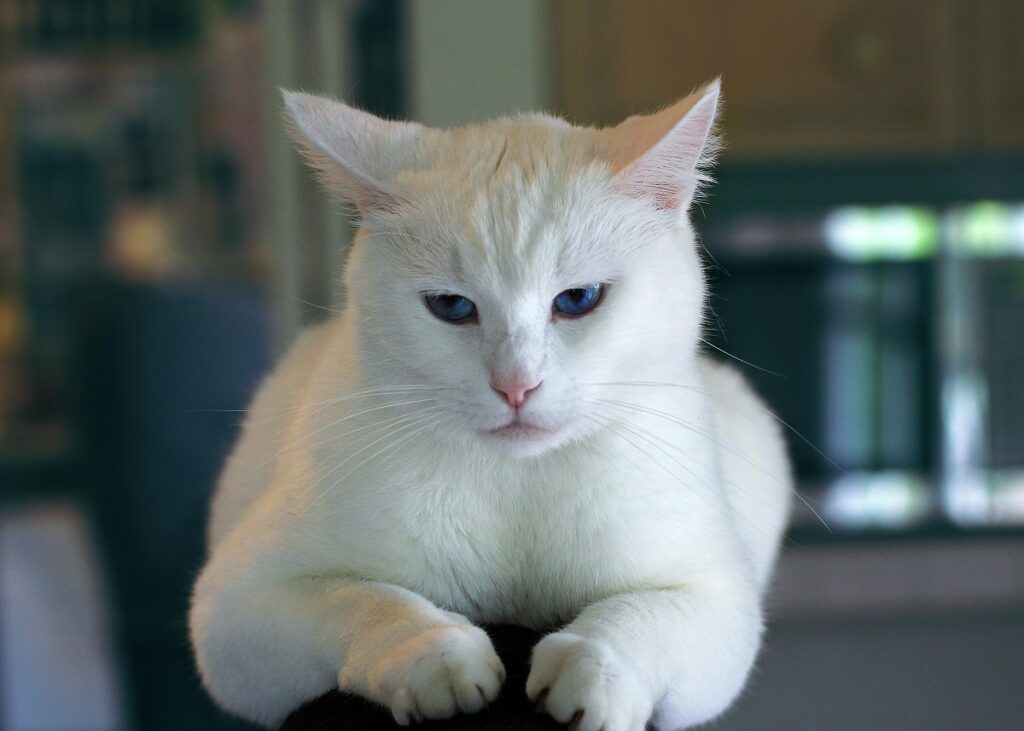
Have you ever noticed your cat licking itself nonstop, to the point it seems almost obsessive? You might wonder, “Why does a cat over groom like this?”
Understanding this behavior is important because it can tell you a lot about your cat’s health and happiness. Over grooming isn’t just a quirky habit—it could be a sign your furry friend is stressed, bored, or even in pain. Keep reading to discover the surprising reasons behind this behavior and what you can do to help your cat feel better.
Your cat’s well-being depends on it.
Causes Of Excessive Grooming
Excessive grooming in cats can signal deeper problems. It often shows that something is wrong physically or emotionally. Understanding the causes helps in finding the right solution. Cats groom to clean themselves, but too much grooming can cause harm. Many factors can trigger this behavior.
Allergies And Skin Irritations
Allergies cause itching and redness in a cat’s skin. Cats lick or bite the irritated areas to relieve discomfort. Common allergens include pollen, dust, certain foods, or chemicals in cleaning products. Skin irritations may also come from contact with plants or materials that harm the skin. These issues lead to constant grooming in specific spots.
Parasites And Infections
Parasites like fleas and mites cause intense itching. Cats try to remove these pests by grooming excessively. Infections, such as bacterial or fungal ones, also irritate the skin. These conditions often create sores, scabs, or hair loss. The cat’s grooming increases to soothe the infected areas.
Stress And Anxiety Triggers
Cats groom to calm themselves when stressed or anxious. Changes in the environment, loud noises, or new pets can cause stress. Grooming becomes a coping mechanism to reduce nervous energy. It may turn into a repetitive habit, leading to hair thinning or bald patches. Emotional triggers are common but often overlooked.
Pain And Discomfort Issues
Pain in joints, muscles, or injuries makes cats groom certain areas more. Grooming can help distract from pain or stiffness. Cats may lick wounds or inflamed spots to clean and soothe them. Persistent discomfort causes repeated grooming in the painful region. This behavior signals a need for veterinary care.
Nutritional Deficiencies
Poor diet affects a cat’s skin and coat health. Lack of essential nutrients causes dryness, flakiness, or itching. Cats might groom more to deal with these symptoms. Nutritional imbalances weaken the skin barrier, making it sensitive. A balanced diet improves skin condition and reduces over grooming.

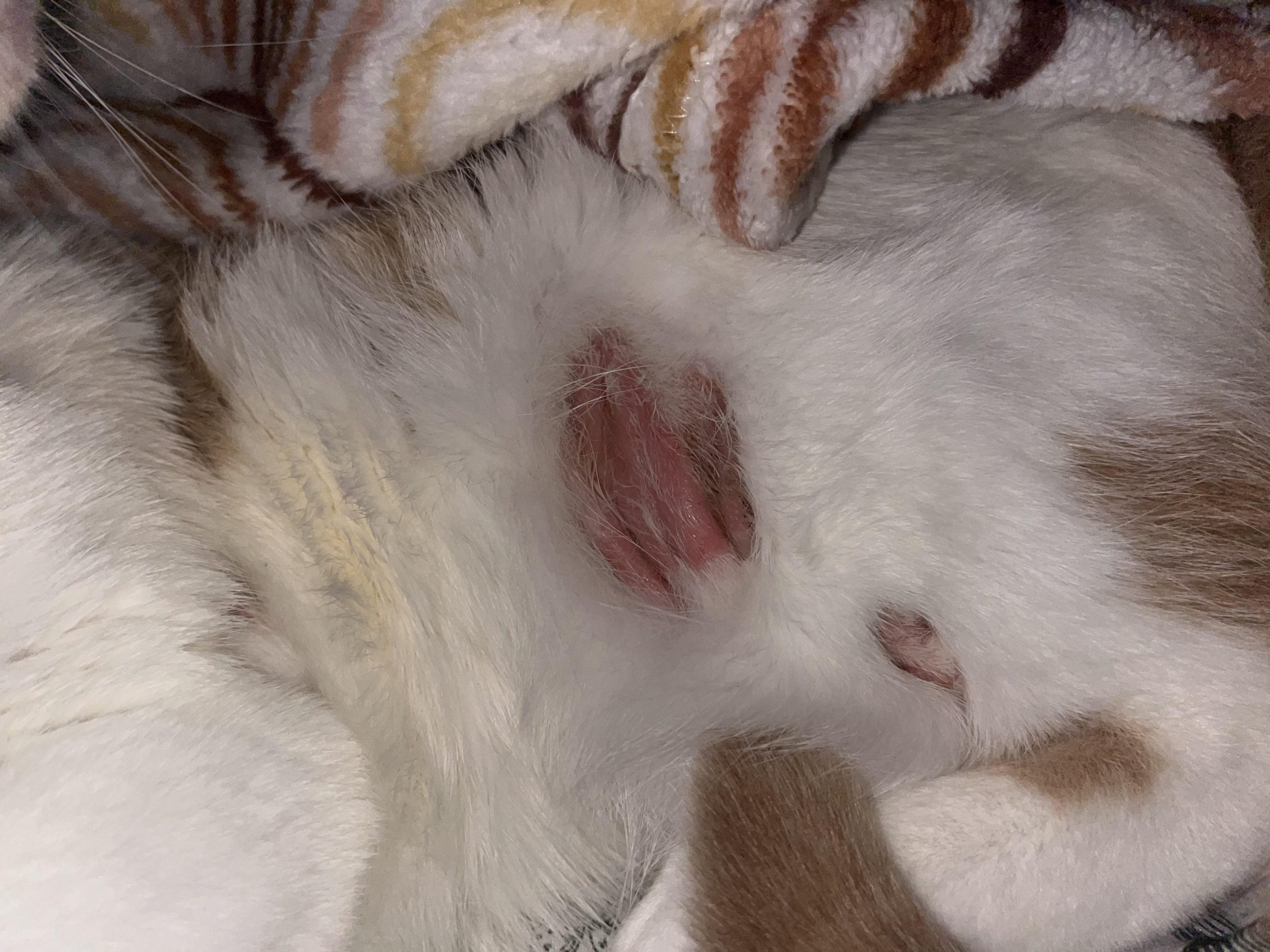
Credit: www.reddit.com
Behavioral Factors
Understanding why your cat over grooms involves looking closely at behavioral factors. These behaviors often reveal deeper emotional or environmental issues that might not be obvious at first glance. Paying attention to these signs can help you address the root causes and improve your cat’s well-being.
Boredom And Lack Of Stimulation
Cats need mental and physical activity to stay healthy and happy. Without enough toys, playtime, or interaction, they may turn to grooming as a way to pass time. Have you noticed your cat licking or grooming excessively when left alone for hours? This can be a clear sign that they need more engagement.
Try adding new toys or setting aside daily play sessions. Even simple activities like a cardboard box or a paper bag can spark their curiosity and reduce over grooming.
Compulsive Grooming Habits
Some cats develop compulsive grooming habits that go beyond cleanliness. This behavior can resemble human anxiety or OCD, where the cat feels compelled to groom repeatedly. It might seem harmless at first, but compulsive grooming can lead to skin damage and infections.
Ask yourself if your cat grooms during stressful moments or after specific triggers. If yes, addressing anxiety through calming techniques or consulting a vet for behavior therapy might be necessary.
Changes In Environment
Any sudden change in your cat’s environment can cause stress, leading to over grooming. Moving to a new home, introducing a new pet, or even rearranging furniture can unsettle your cat. They often use grooming as a coping mechanism to feel more secure.
Observe how your cat reacts to changes and give them extra comfort and routine during these times. Small steps like keeping their favorite blanket nearby can make a big difference in reducing stress-induced grooming.
Health Risks Of Over Grooming
Cats may over groom due to stress, allergies, or skin problems. This behavior can cause wounds, hair loss, and infections. Watching for signs helps protect their health and comfort.
Cats often groom themselves to stay clean and relaxed. But over-grooming can lead to health issues. It is crucial to understand the risks associated with this behavior.Skin Damage And Hair Loss
Excessive grooming can harm a cat’s skin. Constant licking causes irritation and redness. The fur may start to thin or fall out. Over time, bald patches can appear. This can lead to discomfort and increased sensitivity.Secondary Infections
Open sores from over-grooming can become infected. Bacteria and germs can easily enter these wounds. This may lead to painful infections. The risk of fungal infections also rises. Regular checks help catch infections early.Impact On Cat’s Well-being
Over-grooming affects a cat’s mental health. The stress of constant grooming can lead to anxiety. Cats may become less playful or interactive. Their energy levels might decrease. It’s important to address the root cause to improve their well-being.
Credit: www.reddit.com
Detecting Over Grooming Early
Spotting over grooming in your cat early can save them from discomfort and potential health issues. You might notice subtle changes before the problem becomes obvious. Paying close attention to your cat’s habits and appearance helps you catch these signs fast.
Signs To Watch For
- Bald patches:Small areas without fur are a clear warning.
- Red or irritated skin:Look for redness, swelling, or scabs where your cat licks the most.
- Frequent licking or biting:Does your cat spend more time grooming than usual? This could mean stress or pain.
- Changes in behavior:Is your cat hiding or acting anxious? Over grooming often ties to emotional distress.
- Hairballs:An increase in hairballs can indicate excessive grooming.
Have you noticed your cat suddenly spending hours licking the same spot? This is a clear hint to observe closer.
When To See A Vet
If you spot bald spots or your cat’s skin looks sore, don’t wait. These signs mean the problem is already affecting their well-being. A vet can check for allergies, parasites, or underlying diseases that cause over grooming.
Also, if your cat’s behavior changes—like becoming withdrawn or restless—it’s time to get professional advice. Sometimes, over grooming is linked to stress or anxiety, which vets can help manage. Early treatment can prevent further damage and keep your cat comfortable.
Managing And Treating Over Grooming
Over grooming in cats can lead to skin damage and discomfort, so managing and treating this behavior is essential for your feline’s well-being. Addressing the root cause often requires a combination of approaches tailored to your cat’s specific needs. Let’s look at practical ways you can help your cat feel better and stop over grooming.
Medical Treatments
Start by consulting your vet to rule out allergies, parasites, or infections that might be causing irritation. Your vet may prescribe medications such as antibiotics or anti-inflammatory drugs to treat underlying conditions. Sometimes, special shampoos or topical treatments can soothe your cat’s skin and reduce the urge to groom excessively.
Behavioral Interventions
Stress and anxiety often trigger over grooming. You can help by identifying and minimizing stressors in your cat’s environment. Try using calming pheromone diffusers or offering gentle, consistent interaction to help your cat feel secure. Training with positive reinforcement to redirect attention away from grooming can make a big difference over time.
Environmental Enrichment
A bored cat often turns to over grooming out of frustration. Provide plenty of toys, scratching posts, and climbing spaces to keep your cat mentally and physically engaged. Rotate toys regularly to maintain interest and encourage active play sessions daily. Have you noticed how your cat’s behavior changes when they have new things to explore?
Diet And Supplement Adjustments
Nutrition impacts your cat’s skin and coat health significantly. Adding omega-3 fatty acids or other skin-supportive supplements can reduce inflammation and improve coat condition. Discuss with your vet whether a change in diet or adding supplements might benefit your cat’s skin and overall comfort.

Credit: www.reddit.com
Frequently Asked Questions
Why Does My Cat Groom Excessively?
Cats groom excessively due to stress, anxiety, allergies, or skin infections. Over grooming can also signal pain or boredom. Identifying the cause helps in managing the behavior and ensuring your cat’s well-being.
Can Over Grooming Harm My Cat’s Health?
Yes, over grooming can cause hair loss, skin irritation, and wounds. These issues may lead to infections if untreated. Prompt veterinary care is essential to prevent further complications and promote healing.
How Can I Stop My Cat From Over Grooming?
Reduce stress and provide enrichment to your cat’s environment. Consult a vet for allergies or medical issues. Regular grooming and attention can also help minimize excessive licking and scratching.
Is Over Grooming A Sign Of Illness In Cats?
Over grooming can indicate underlying illnesses like skin infections, allergies, or parasites. It may also reflect psychological issues such as anxiety. A vet visit is crucial to diagnose and treat the cause effectively.
Conclusion
Cats over groom for many reasons like stress, allergies, or pain. Watching your cat closely helps spot problems early. A vet visit can find the root cause. Treating the issue can stop over grooming and keep your cat happy. Remember, a healthy cat grooms just the right amount.
Don’t ignore changes in your cat’s behavior or fur. Taking action shows you care and helps your pet feel better. Simple steps make a big difference in your cat’s life.


Leave a Reply