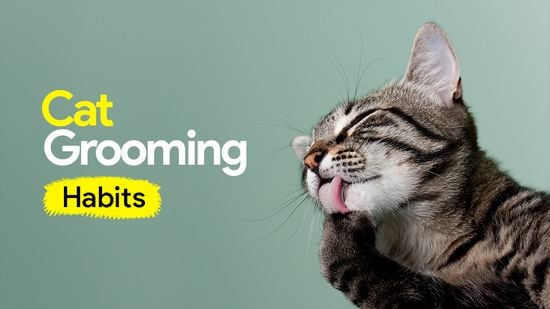
You love your cat, and keeping them happy and healthy is your top priority. But how do you know when it’s time for your furry friend to get groomed?
Regular grooming isn’t just about making your cat look good—it helps prevent health problems and keeps their coat shiny and clean. If you’re unsure when to schedule that next grooming session, you’re not alone. You’ll discover the signs your cat needs grooming and why timing matters.
Keep reading to learn how to keep your cat comfortable and looking their best every day.
Signs Your Cat Needs Grooming
Cats usually groom themselves, but sometimes they need extra help. Knowing the signs your cat needs grooming helps keep them healthy and happy. Watch closely for changes in their fur, nails, or smell.
Matted Fur And Tangles
Matted fur feels hard and clumps together. Tangles pull on your cat’s skin, causing pain. Long-haired cats get mats more often. Grooming stops mats from getting worse.
Excessive Shedding
Shedding is normal, but too much fur can mean a problem. Your cat may shed more during changes in weather. Grooming removes loose hair and keeps skin healthy.
Unpleasant Odors
A bad smell can mean dirt, oils, or infection. Cats usually smell clean because they groom themselves. If your cat smells bad, it may need a bath or checkup.
Overgrown Nails
Long nails can hurt your cat and damage furniture. Nails that click on the floor are too long. Regular trimming prevents pain and keeps nails healthy.
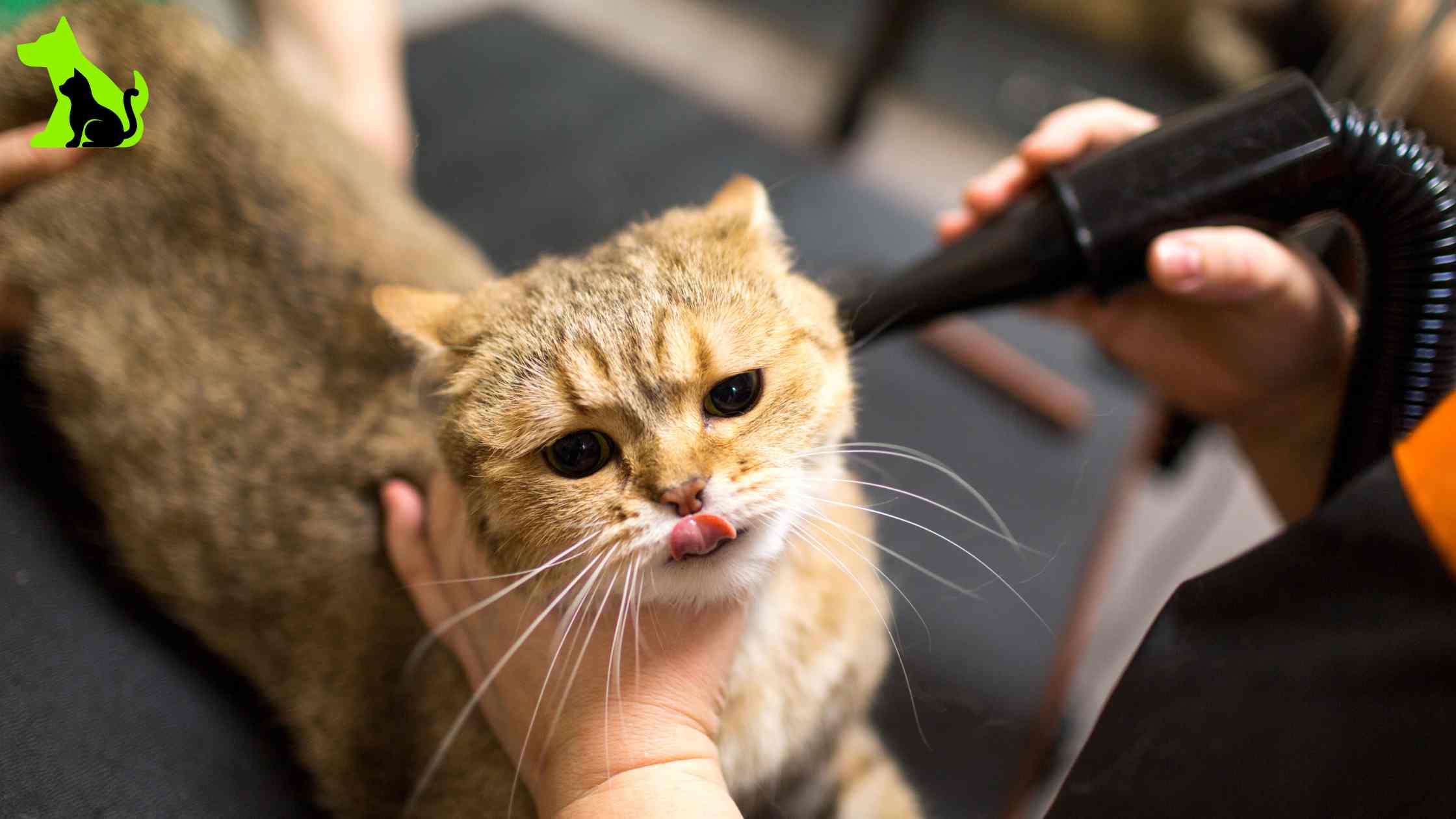
Credit: hellopetsinc.com
Benefits Of Regular Grooming
Regular grooming keeps your cat’s coat clean and healthy. It helps spot skin problems early and reduces hairballs. Knowing when to groom prevents matting and keeps your cat comfortable.
Regular grooming is vital for your cat’s health and well-being. It offers numerous benefits that enhance your cat’s quality of life. Let’s explore these benefits in detail.Improved Coat Health
Routine grooming helps maintain your cat’s coat. It removes dirt and debris. Brushing spreads natural oils across the fur. This results in a shiny, healthy coat. Regular grooming can prevent matting, too. A well-maintained coat reduces skin irritations.Reduced Hairballs
Grooming minimizes hairballs in cats. Regular brushing removes loose fur. This means your cat swallows less hair. Less ingested hair means fewer hairballs. It also keeps your cat comfortable. Hairballs can be uncomfortable for cats.Early Detection Of Health Issues
Grooming sessions help spot health issues early. You might notice lumps or bumps. Changes in your cat’s skin or fur can signal problems. Early detection leads to timely treatment. This could save your cat from serious health issues.Strengthened Bond With Your Cat
Grooming strengthens the bond between you and your cat. It provides quality time together. Your cat learns to trust you more. This trust enhances your relationship. A strong bond leads to a happier pet.Grooming Frequency By Cat Type
Knowing how often to groom your cat depends largely on their type. Different cats have different grooming needs based on their coat length, age, and any special conditions. Understanding these differences helps keep your cat comfortable and healthy.
Short-haired Cats
Short-haired cats generally need less grooming. Brushing them once a week usually keeps their coat clean and reduces shedding.
If your cat sheds heavily or has sensitive skin, you might want to groom more often. Regular grooming helps you spot any skin issues early.
Long-haired Cats
Long-haired cats require grooming much more frequently. Daily brushing prevents mats and tangles that can cause discomfort.
Neglecting their coat can lead to painful knots and even skin infections. Have you noticed how much fur can get stuck in your furniture? That’s a sign your cat needs more attention.
Senior Cats
Older cats may struggle to groom themselves properly. Their grooming frequency often needs to increase to compensate for this.
Gentle brushing two to three times a week can keep their coat healthy and reduce hairballs. Pay attention to changes in their grooming habits; it might signal health issues.
Cats With Special Needs
Cats with medical conditions or mobility issues often require customized grooming schedules. You might need to groom them more frequently or even seek professional help.
For example, cats with arthritis may find self-grooming painful. Regular, gentle grooming sessions can improve their comfort and well-being.
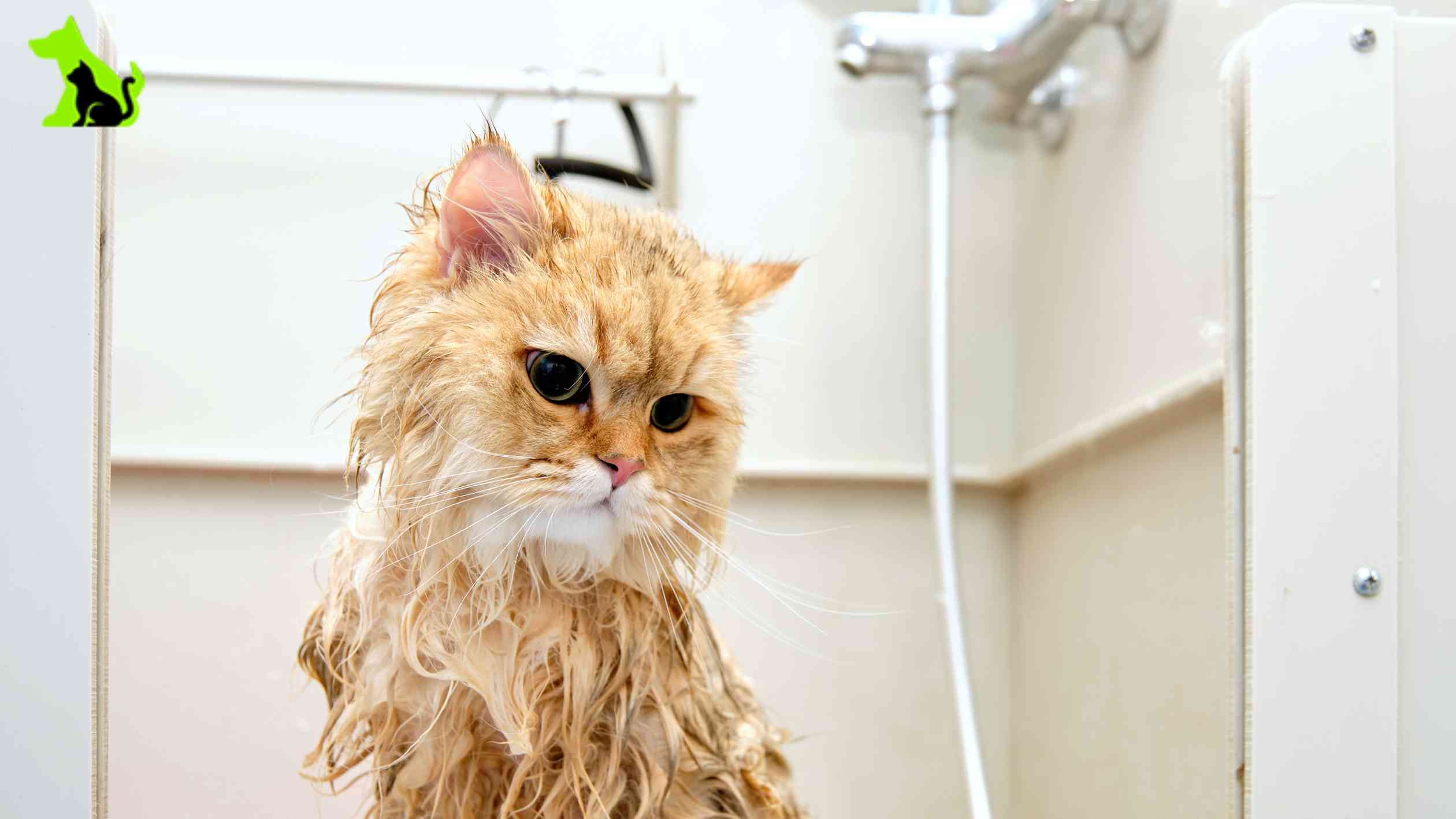
Credit: hellopetsinc.com
Tools And Supplies For Grooming
Having the right tools can make grooming your cat a smoother experience for both of you. Each item serves a specific purpose and can help keep your cat comfortable and looking great. Knowing which supplies to have on hand will save you time and reduce stress during grooming sessions.
Brushes And Combs
Brushes and combs are essential for removing loose fur and preventing mats. A slicker brush works well for most fur types, while a wide-toothed comb is great for detangling stubborn knots.
Try brushing your cat gently in the direction of hair growth to avoid discomfort. Do you notice how regular brushing reduces shedding around your home?
Nail Clippers
Trimming your cat’s nails keeps them sharp and helps avoid scratches on furniture and skin. Choose clippers designed specifically for cats, like scissor-style or guillotine clippers.
Take your time and clip just the sharp tip, avoiding the pink quick inside. Have you ever felt nervous about cutting too close? Using good clippers and proper technique makes it safer and easier.
Shampoos And Wipes
Bathing cats isn’t always necessary, but when it is, use a shampoo formulated for feline skin. Avoid harsh detergents that could irritate your cat’s delicate coat.
For quick clean-ups, grooming wipes can be a lifesaver. They help remove dirt and odors without a full bath. Have you ever tried wipes after outdoor adventures or accidental messes?
Grooming Gloves
Grooming gloves are a gentle alternative to brushes, especially for cats who dislike traditional grooming tools. They allow you to pet your cat while removing loose fur and dirt.
Many cats find the massage-like sensation soothing, turning grooming into bonding time. Would your cat enjoy this hands-on approach?
Tips For Stress-free Grooming
Keeping your cat calm during grooming can make the experience better for both of you. Stress-free grooming helps your cat stay relaxed and more cooperative. Here are some practical tips to make grooming a peaceful routine.
Creating A Calm Environment
Choose a quiet room where your cat feels safe. Turn off loud noises like the TV or radio that might startle them. Use soft lighting to avoid bright, harsh glare that can make your cat uneasy.
Have all your grooming tools ready before you start. This stops you from rushing and keeps your cat from getting anxious. A familiar blanket or towel can also give your cat a sense of comfort during grooming.
Handling Techniques
Gently hold your cat without squeezing. Support their body and avoid sudden movements. Try to read your cat’s body language—if they seem tense or try to escape, take a break.
Speak softly to calm your cat and use slow, smooth strokes. This can help your cat relax and trust the process. If your cat resists, pause and pet them gently before continuing.
Using Treats And Rewards
Give your cat small treats during and after grooming sessions. This creates a positive link between grooming and something enjoyable. You can also use favorite toys as a distraction or reward.
Try offering treats before grooming to help your cat associate the activity with good things. Over time, your cat might even look forward to grooming as a special bonding time with you.
When To Seek Professional Help
If your cat becomes overly stressed or aggressive, a professional groomer or vet can step in. They have experience handling difficult cats and can make grooming safer. Sometimes, professional tools and techniques are needed for tough mats or hygiene issues.
Don’t hesitate to ask for advice if you notice skin problems or behavioral changes related to grooming. Getting expert help early can prevent bigger problems later on.

Credit: www.latimes.com
Frequently Asked Questions
When Is The Best Time To Groom My Cat?
The best time to groom your cat is when they are calm and relaxed. Regular grooming every 4 to 6 weeks helps maintain their coat and health.
How Often Should I Get My Cat Professionally Groomed?
Professional grooming is recommended every 6 to 8 weeks for most cats. Long-haired cats may need more frequent grooming to prevent mats.
What Signs Indicate My Cat Needs Grooming?
Look for matted fur, excessive shedding, and dirt buildup. Also, check for skin irritation or a strong odor, which signal grooming is needed.
Can Grooming Help With My Cat’s Shedding Problems?
Yes, grooming reduces shedding by removing loose fur. Regular brushing prevents hairballs and keeps your cat’s coat healthy and clean.
Conclusion
Regular grooming keeps your cat healthy and happy. Watch for signs like matted fur or excessive shedding. Grooming helps prevent skin problems and hairballs. Schedule grooming sessions based on your cat’s coat type. Short-haired cats need less frequent grooming than long-haired ones.
Always stay gentle and patient during grooming time. Your cat will enjoy the extra care and attention. Remember, grooming is part of good pet care. Keep your cat clean, comfortable, and content with regular grooming.


Leave a Reply