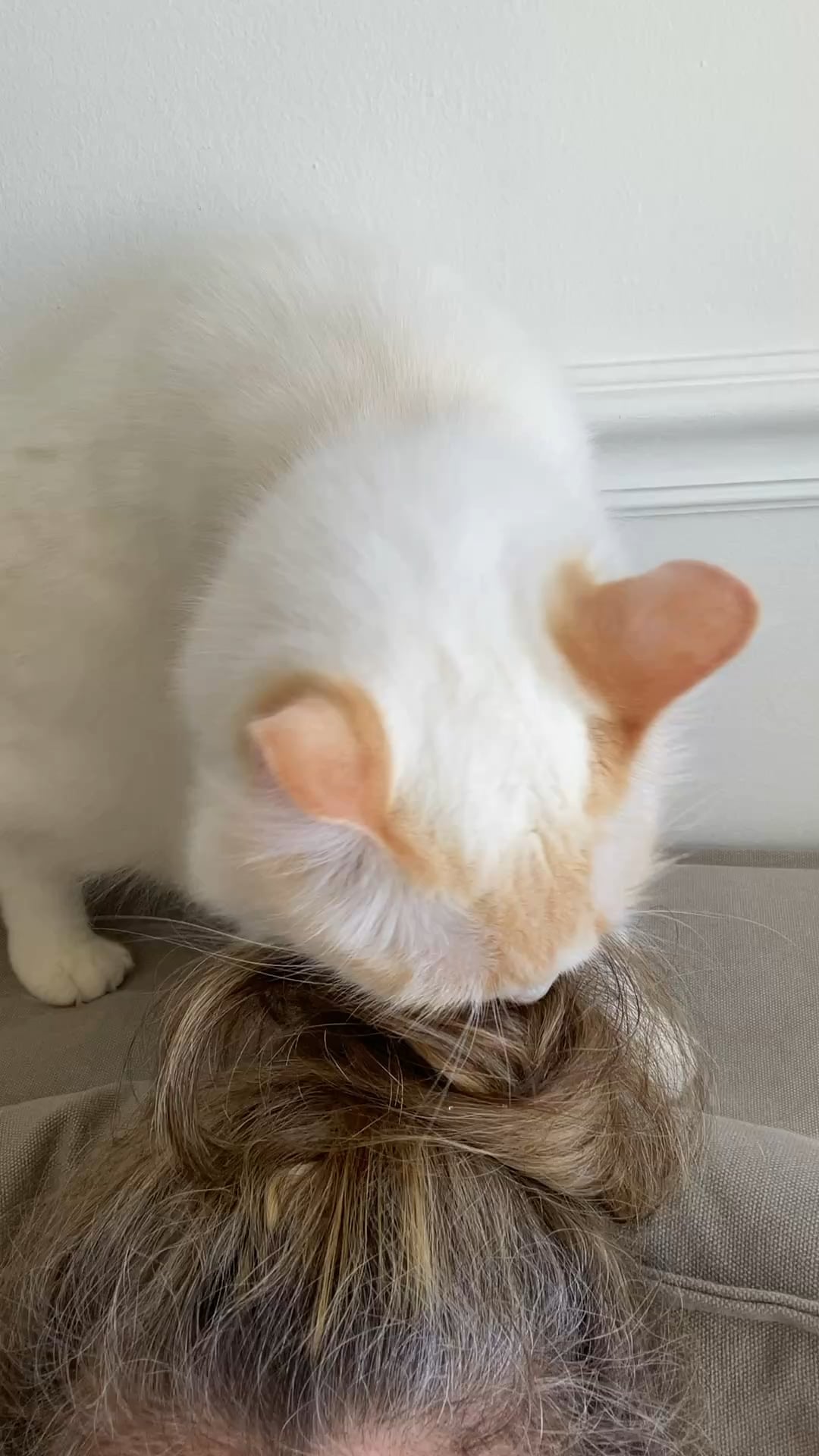
Have you ever noticed your cat making a snorting sound while grooming? It can be surprising or even a little worrying.
You might wonder if something is wrong or if this is just a normal behavior. Understanding why your cat snorts during grooming helps you know more about their health and comfort. Keep reading to discover the simple reasons behind this curious sound and what it means for your furry friend’s well-being.
Cat Grooming Basics
Cats spend a lot of time grooming themselves. It keeps their fur clean and healthy. Grooming also helps cats relax and feel comfortable. Understanding basic grooming habits explains many cat behaviors, including snorting sounds. Watching how cats groom reveals their careful and detailed routine.
How Cats Groom Themselves
Cats use their tongues to clean their fur. Their tongues have tiny, soft hooks that remove dirt and loose hair. They lick their paws and rub them on their face and head. This helps clean areas their tongue cannot reach easily. Cats also bite gently at tangled fur to smooth it out.
Grooming starts at the head and moves down the body. Cats are very thorough and patient during grooming. This self-care prevents mats and keeps their coat shiny. It also spreads natural oils across their fur, protecting the skin underneath.
Common Grooming Behaviors
- Frequent licking of fur and paws
- Nibbling or biting fur to remove tangles
- Using paws to clean the face and ears
- Stretching and twisting to reach hard spots
- Vibrating whiskers and snorting sounds
Snorting or making soft noises while grooming is normal. It may happen when they clear their nose or mouth. These sounds show cats focus on their grooming and might feel relaxed. Understanding these behaviors helps owners connect better with their cats.
What Causes Snorting
Noticing your cat snorting while grooming can be puzzling. Understanding what causes this behavior helps you ensure your feline friend stays comfortable and healthy. Various factors can trigger snorting, ranging from simple irritations to more serious health concerns.
Nasal Irritation
Sometimes, your cat’s nose gets irritated by dust, dirt, or loose fur during grooming. This irritation can cause a quick snort as your cat tries to clear the nasal passage. Have you ever seen your cat shake its head or paw at its face after grooming? That’s often a sign of nasal discomfort.
Allergic Reactions
Allergies are more common in cats than many realize. Your cat might snort if it’s reacting to pollen, household chemicals, or even certain cat shampoos. If you notice your cat sneezing or rubbing its face frequently, allergies could be the reason behind the snorting.
Respiratory Issues
Persistent snorting during grooming might indicate a respiratory problem. Conditions like upper respiratory infections or nasal polyps can cause your cat to snort or wheeze. If your cat’s snorting is accompanied by coughing or difficulty breathing, it’s time to visit the vet.
Hair And Debris Effects
Cats may snort while grooming because loose hair or tiny debris irritates their nose or throat. This reaction helps clear their airway and keep them comfortable.
Cats are fascinating creatures with unique habits, one of which is their grooming routine. But have you ever noticed your cat snorting during this process? This can often be attributed to the effects of hair and debris. These tiny particles can have a surprising impact on your feline friend’s respiratory system, leading to those unexpected snorts.Inhaled Fur And Dust
Cats groom themselves by licking, which often leads to inhaling loose fur and dust. This is especially true for long-haired cats. Over time, the accumulated fur can tickle the nasal passages. Imagine the surprise and discomfort this can cause your pet. Your cat might snort to expel these irritants and clear their airways. Regular grooming with a brush can significantly reduce the amount of loose fur and dust your cat inhales.Blocked Nasal Passages
Snorting can also indicate blocked nasal passages. When grooming, your cat’s fur, combined with household dust, can clump together and obstruct airflow. This blockage can make breathing uncomfortable, prompting your cat to snort to clear their nose. Consider whether your home environment might be contributing to this. Is there a spot where dust accumulates? Keeping your living space clean can help prevent these issues. Regularly clean your cat’s bedding and favorite spots to minimize debris. Have you noticed any changes in your cat’s grooming habits or snorting frequency? Paying attention to these details can help you address any potential problems before they escalate. Providing a healthy environment and regular grooming can go a long way in keeping your furry friend comfortable and snort-free.
Credit: www.reddit.com
Health-related Reasons
Cats snorting during grooming can signal health issues. These sounds may indicate discomfort or illness. Understanding health-related reasons helps ensure your cat stays healthy. Watch for signs and seek veterinary advice if needed.
Upper Respiratory Infections
Upper respiratory infections often cause snorting in cats. These infections affect the nose, throat, and sinuses. Symptoms include sneezing, coughing, and nasal discharge. Snorting may result from blocked nasal passages. Infections can make grooming uncomfortable for your cat.
Sinus Problems
Sinus issues can cause snorting sounds. Inflammation or infection in the sinuses blocks airflow. Cats may snort to clear their nasal passages. Sinus problems can cause pain and difficulty breathing. This discomfort may appear during grooming sessions.
Dental Issues
Dental problems sometimes cause snorting noises. Tooth infections or abscesses create swelling near the nasal area. This swelling can obstruct airways, leading to snorts. Cats might show pain while grooming their face. Poor dental health affects overall well-being and comfort.
Behavioral Factors
Behavioral factors play a significant role in why your cat might snort while grooming. These actions often reveal more about your cat’s emotional state than just physical needs. Observing these behaviors closely can help you understand your cat better and respond appropriately.
Stress And Anxiety
Cats often snort or make unusual sounds when they feel stressed or anxious. Grooming becomes a comforting ritual that helps them calm down during times of tension. If your cat snorts while grooming, it might be trying to soothe itself in an unsettling environment.
Think about any recent changes around your home—new pets, visitors, or loud noises. These can trigger anxiety in your cat, causing snorting as a stress response. You can help by creating a quiet, safe space and offering gentle reassurance.
Attention-seeking Actions
Sometimes, your cat snorts during grooming as a way to get your attention. Cats quickly learn which behaviors make their humans notice them. If snorting brings you closer, they might repeat it to engage with you.
Have you noticed your cat snorting more when you’re busy or distracted? This could be their unique way of saying, “Look at me.” Try spending a few extra minutes petting or playing to see if the snorting decreases.
Credit: www.diamondpet.com
When To Consult A Vet
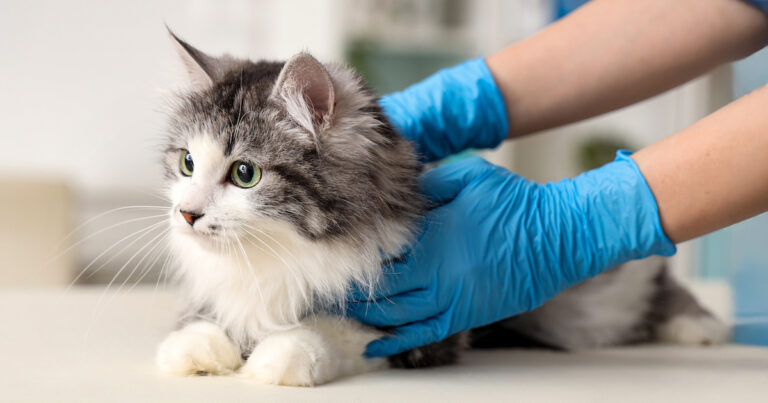
Noticing your cat snorting while grooming can be a bit unsettling. Sometimes, it’s just a harmless quirk, but other times, it might signal a health issue needing professional attention. Knowing when to reach out to your vet can save your furry friend from discomfort and prevent bigger problems.
Signs Of Serious Problems
Watch for persistent snorting that lasts beyond a few grooming sessions. If your cat shows signs like coughing, sneezing, nasal discharge, or labored breathing, these are red flags. Also, pay attention if your cat stops eating, seems lethargic, or shows swelling around the nose or mouth.
Imagine your cat suddenly starts snorting and has a runny nose for several days. Would you wait it out or seek help? In cases like this, prompt veterinary care is crucial to catch infections or allergies early.
Diagnostic Steps
Your vet will begin with a thorough physical exam, focusing on your cat’s respiratory system and oral cavity. They might use tools like rhinoscopy to look inside the nasal passages or take X-rays to check for obstructions or infections.
Lab tests, such as blood work or cultures from nasal swabs, may be recommended to identify infections or allergies. Don’t hesitate to share detailed observations with your vet, such as when the snorting started and any other symptoms you’ve noticed. This information helps your vet tailor the diagnosis and treatment plan specifically for your cat’s needs.
Preventing Snorting During Grooming
Preventing your cat from snorting during grooming helps make the experience calm and pleasant. Understanding simple steps can reduce irritation and improve your cat’s comfort. Small changes in grooming and environment often stop snorting.
Regular Grooming Tips
- Brush your cat gently to avoid irritating the nose.
- Use a soft-bristle brush to prevent scratching sensitive areas.
- Keep grooming sessions short to reduce stress.
- Check for dirt or debris around the nose and clean it carefully.
- Trim excess fur near the nostrils to improve airflow.
- Watch your cat’s reactions and stop if it seems uncomfortable.
Environmental Adjustments
- Keep the grooming area dust-free to prevent sneezing and snorting.
- Use a humidifier if the air is dry to ease breathing.
- Remove strong scents or chemicals that might irritate your cat’s nose.
- Provide a quiet, calm space to reduce stress during grooming.
- Avoid sudden noises or movements that can startle your cat.
- Ensure good lighting so you can see and avoid sensitive spots.

Credit: www.reddit.com
Frequently Asked Questions
Why Does My Cat Snort During Grooming?
Cats snort during grooming due to mild nasal irritation or clearing their airways. This behavior helps remove loose fur or debris. It is usually harmless unless accompanied by other symptoms like coughing or sneezing.
Is Snorting While Grooming Normal For Cats?
Yes, occasional snorting while grooming is normal. Cats use this to clear their nasal passages or remove irritants. Persistent snorting may indicate allergies or respiratory issues and should be checked by a vet.
Can Snorting Indicate A Health Problem In Cats?
Snorting can signal health issues if frequent or severe. It may indicate allergies, infections, or nasal blockage. Monitoring your cat’s behavior and consulting a vet ensures early detection and treatment.
How Can I Reduce My Cat’s Snorting While Grooming?
Keep your cat’s environment clean and free from dust or strong scents. Regular grooming helps minimize loose fur and irritants. If snorting persists, consult a vet for possible allergies or respiratory conditions.
Conclusion
Cats snort during grooming for many simple reasons. It can be a way to clear their nose or stay comfortable. Sometimes, it shows they feel relaxed and happy. If snorting seems frequent or odd, a vet check is best. Watching your cat’s behavior helps you understand their health.
Each cat is unique, and small sounds are normal. Stay calm and enjoy these little moments with your pet. Caring for your cat means noticing all their habits closely.


Leave a Reply