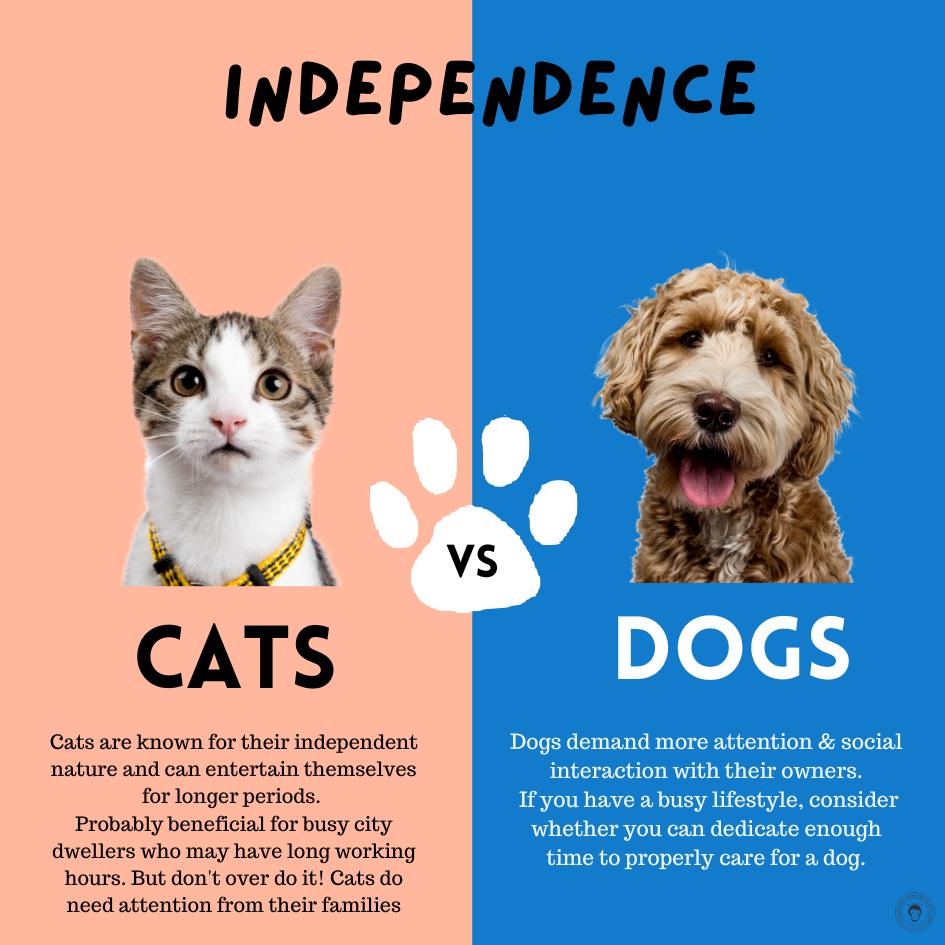
Have you ever wondered why your dog doesn’t spend hours cleaning itself like your cat does? If you’ve noticed your furry friend happily rolling in the dirt while your cat meticulously licks every inch of its fur, you’re not alone.
Understanding why dogs don’t groom like cats can help you take better care of your pet’s health and happiness. Keep reading, and you’ll discover surprising reasons behind these differences—and what you can do to keep your dog feeling fresh and clean every day.
Credit: worldanimalfoundation.org
Differences In Grooming Habits
Understanding the differences in grooming habits between dogs and cats can help you better care for your furry friends. Their natural behaviors and physical traits shape how they maintain cleanliness. Let’s look at how cats and dogs approach grooming differently and what that means for you as a pet owner.
Self-cleaning Techniques Of Cats
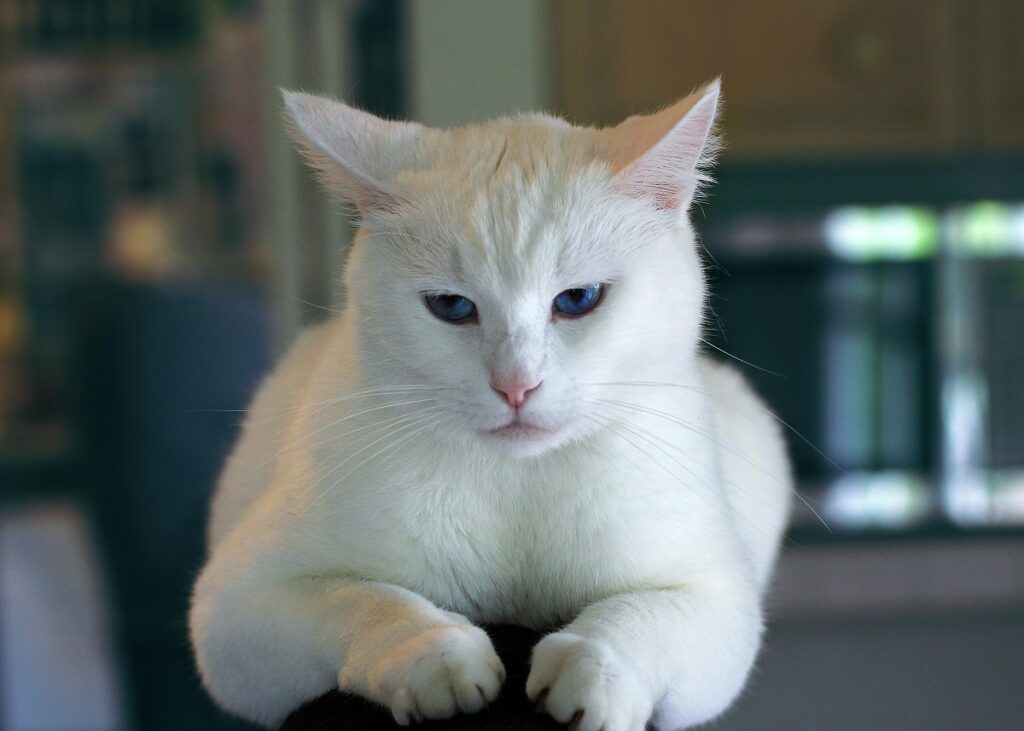
Cats spend a significant part of their day grooming themselves. They use their tongues, which have tiny, hook-like structures, to remove loose fur and dirt. This action also helps distribute natural oils evenly across their coat, keeping it shiny and healthy.
Have you noticed how a cat’s grooming can calm them down? It’s not just about cleanliness; grooming is a way for cats to relax and reduce stress. This self-sufficient behavior means cats rarely need much help staying clean.
Typical Grooming Behaviors Of Dogs
Dogs groom themselves much less frequently and thoroughly than cats. Their tongues lack the rough texture cats have, so they can’t remove dirt or loose fur as effectively. Instead, dogs rely more on external grooming from humans or natural shedding.
Dogs often use other methods to clean themselves, like rubbing against grass or dirt. This might seem messy, but it’s part of how they try to manage their coat. Have you ever wondered why your dog loves rolling in the dirt after a bath? It’s their way of masking scents or feeling more comfortable.
Because dogs don’t groom as carefully, regular brushing and baths are essential to keep their coat healthy. You can’t expect your dog to stay clean on its own the way a cat does. Understanding these habits helps you provide better care and maintain your dog’s comfort and hygiene.
Anatomy And Physical Factors
Dogs and cats have different bodies that affect how they clean themselves. Their anatomy and physical traits shape their grooming habits. Understanding these details helps explain why dogs do not groom like cats.
Tongue Structure And Its Impact
Cat tongues have tiny, hook-like structures called papillae. These hooks help cats remove dirt and loose fur easily. The rough texture acts like a comb on their coats.
Dog tongues are smoother and softer. They lack these hook-like papillae. This makes it harder for dogs to clean deeply by licking. Their tongues are better for tasting and cooling down.
Coat Types And Maintenance Needs
Cat fur is fine and dense. It gets tangled less often and can be cleaned thoroughly by licking. Cats keep their coats neat with regular grooming.
Dog coats vary a lot in type and length. Some have thick, curly, or oily fur. These coats need brushing or baths to stay clean. Licking alone cannot maintain a dog’s coat well.
- Short coats shed dirt easily but still need brushing.
- Long coats can mat and trap debris.
- Oily or double coats require special care beyond licking.
Evolutionary Background
Understanding why dogs don’t groom themselves like cats requires a journey back in time to their evolutionary roots. Dogs and cats, although both domesticated animals, have different wild ancestors that influenced their grooming habits. These differences can be traced back to survival strategies and the environments they evolved in.
Wild Ancestors’ Grooming Patterns
Dogs are descendants of wolves, pack animals who relied on each other for survival. Wolves prioritize efficiency and teamwork over individual grooming. In the wild, the pack’s safety takes precedence over individual cleanliness.
Cats, on the other hand, evolved from solitary hunters. Their ancestors, like the African wildcat, needed to remain stealthy and silent. Grooming helped them remove scents and stay undetected by both prey and predators.
Survival Benefits Of Grooming Styles
For dogs, grooming isn’t just about cleanliness. It’s about reinforcing social bonds within the pack. Licking each other is a way to show affection and strengthen ties, rather than focusing solely on personal hygiene.
Cats benefit from grooming in a way that supports their hunting prowess. By meticulously cleaning themselves, they reduce their scent and improve their chances of a successful hunt. This behavior is instinctive, ensuring they remain effective predators.
Have you ever noticed your dog rolling in dirt or mud? This behavior is a nod to their ancestors’ need to mask their scent with the environment’s natural odors. It’s a fascinating reminder of how deeply ingrained these survival tactics are.
Next time you observe your pet’s grooming habits, consider their evolutionary background. It’s a window into the past that reveals the incredible adaptability and instinctual wisdom of our furry friends.
Social And Behavioral Influences
Social and behavioral factors play a major role in why dogs don’t groom themselves the way cats do. Unlike cats, grooming for dogs is often tied to communication and their interaction with the world around them. Understanding these influences can help you see why your dog behaves the way it does.
Territorial Marking And Scent
Dogs use their scent to mark territory and send messages to other dogs. This is why you’ll often see dogs rubbing themselves on objects or rolling in different scents outside. It’s less about cleanliness and more about leaving a personal signature.
Your dog’s coat carries its unique scent, which it wants to preserve rather than wash away constantly. You might notice your dog avoiding too much self-licking because it could remove these important scent markers. Unlike cats, dogs rely heavily on their smell to communicate, so grooming habits reflect that need.
Communication Through Grooming
Dogs often use grooming as a way to bond with other dogs or humans. When your dog licks you or another dog, it’s a social gesture, not just a cleaning behavior. Grooming in dogs is more about connection than hygiene.
Think about how your dog reacts when you pet them after a walk. They might lick you back, showing affection and trust. This social grooming helps strengthen relationships and ease anxiety, which is very different from a cat’s solitary grooming routine.
Have you noticed your dog grooming themselves more when they’re stressed or excited? That’s because grooming can also be a calming behavior, helping dogs manage their emotions rather than focusing on keeping clean like cats do.
Health And Hygiene Considerations
Dogs and cats have different grooming habits because their health and hygiene needs vary. Dogs do not clean themselves as thoroughly as cats, which affects their skin and coat health. Understanding these differences helps pet owners care better for their dogs. Proper grooming supports a dog’s well-being and prevents common problems.
Common Skin And Coat Issues
Dogs face several skin and coat problems due to less frequent self-cleaning. Dirt and oils can build up, causing irritation or infections. Some common issues include:
- Dry, itchy skin
- Hot spots or red patches
- Fleas and ticks
- Matting and tangles in fur
- Odor from bacteria or yeast
Regular grooming helps reduce these risks. It also allows early detection of any abnormalities.
Role Of Owner-assisted Grooming
Owners play a vital role in keeping dogs clean and healthy. Unlike cats, dogs rely on humans to manage their hygiene. Grooming tasks include:
- Brushing to remove loose hair and dirt
- Bathing to clean the coat and skin
- Checking for parasites and wounds
- Trimming nails to prevent discomfort
- Cleaning ears to avoid infections
Consistent grooming strengthens the bond between dog and owner. It also improves the dog’s comfort and overall health.
Credit: worldanimalfoundation.org
Practical Grooming Tips For Dogs
Dogs need regular grooming to stay healthy and clean. Unlike cats, dogs do not groom themselves well. This means owners must help with baths and brushing. Proper care keeps dogs comfortable and reduces shedding. It also prevents skin problems and keeps their coat shiny.
Bathing Frequency And Techniques
Bathing your dog too often can dry their skin. Most dogs need a bath every 4 to 6 weeks. Dogs with oily coats or skin issues may need baths more often. Use a shampoo made for dogs only. Human shampoos can irritate their skin.
Rinse your dog well to remove all shampoo. Leftover soap can cause itching. Use lukewarm water to keep your dog comfortable. Dry them gently with a towel or a pet-safe dryer. Avoid very hot or cold water during baths.
Brushing And Coat Care Strategies
Brushing removes dirt and loose hair from your dog’s coat. It also spreads natural oils, keeping fur soft and healthy. Brush your dog several times a week, depending on their coat type.
- Short-haired dogs need brushing once or twice a week.
- Long-haired dogs need daily brushing to avoid mats.
- Use a slicker brush for long or curly coats.
- A bristle brush works well for short-haired dogs.
Check for ticks and fleas during brushing. Regular brushing helps spot skin problems early. It also strengthens the bond between you and your pet.
Credit: pethelpful.com
Frequently Asked Questions
Why Don’t Dogs Groom Themselves Like Cats?
Dogs lack the specialized tongue structure cats have for grooming. Cats use rough tongues to clean fur and remove dirt. Dogs rely more on external cleaning like baths and human grooming to stay clean.
How Often Do Dogs Need Grooming Compared To Cats?
Dogs generally require more frequent grooming than cats. Their fur collects dirt and debris quickly. Regular baths and brushing help prevent matting and skin issues, unlike cats who self-clean daily.
Do Dogs Have Natural Grooming Behaviors?
Dogs groom themselves by licking paws and face but not as thoroughly as cats. Their grooming is limited and less effective in cleaning their entire coat.
Can Dogs Stay Clean Without Regular Baths?
Dogs can get dirty without baths since they don’t groom like cats. Regular baths and brushing are essential to keep their coat healthy and odor-free.
Conclusion
Dogs and cats clean themselves in different ways. Cats use their tongues to stay neat and tidy. Dogs rely more on their owners to keep them clean. Their fur type and skin needs are not the same. Dogs enjoy outdoor play, which can make them dirty faster.
Regular baths and brushing help dogs stay healthy. Understanding these differences helps us care for pets better. Each animal has its own unique grooming style. This makes them special in their own way.


Leave a Reply