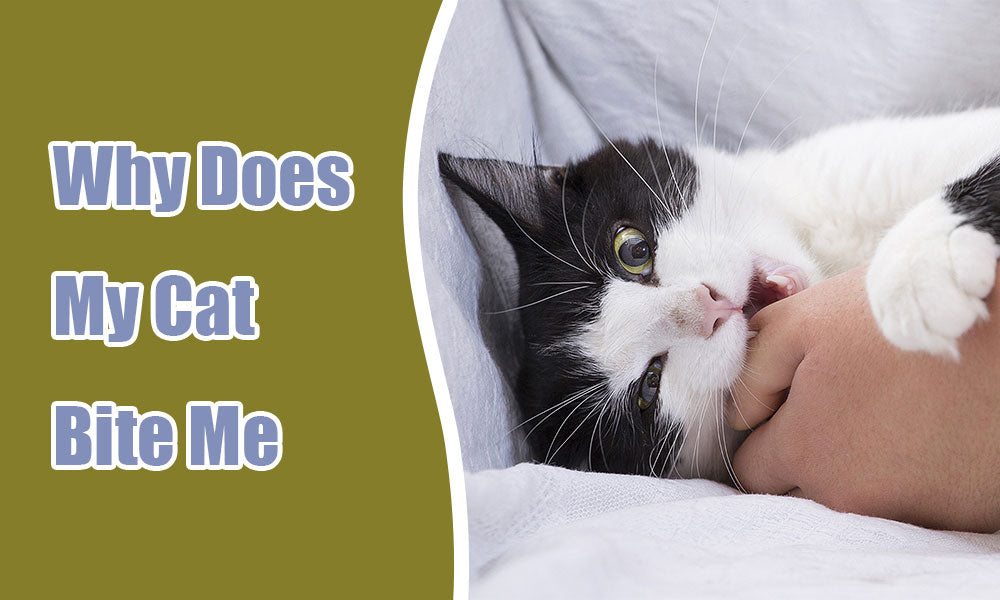
Have you ever felt a sudden nip from your cat while you’re petting or grooming them? It might surprise or even confuse you.
Why do cats bite while grooming humans? Understanding this strange behavior can change the way you connect with your furry friend. You’ll discover the reasons behind these little bites and how you can respond to keep your bond strong and loving.
Keep reading—you’ll be amazed at what your cat is really trying to tell you.
Credit: animals.howstuffworks.com
Cat Grooming Behavior
Cats have unique grooming habits that go beyond keeping their fur clean. Understanding their grooming behavior can shed light on why they sometimes nip you during these affectionate moments. It’s more than just hygiene; grooming is a social activity and a way for cats to communicate.
How Cats Groom Themselves
Cats use their tongues to clean their fur, removing dirt and loose hair. Their tongues are covered in tiny, hook-like structures that help pull out debris and untangle knots.
Grooming also helps cats regulate their body temperature and stimulates blood flow. You might notice your cat licking certain spots repeatedly—that’s because they’re making sure those areas are spotless.
Have you ever felt your cat’s tongue while they groom you? It’s rough, almost like sandpaper. This texture helps them remove dirt but can sometimes feel a bit scratchy on your skin.
Grooming Rituals With Other Cats
Cats groom each other to strengthen social bonds. This behavior, called allogrooming, is a sign of trust and friendship among cats.
When cats groom each other, they often focus on hard-to-reach areas like the head and neck. This shows they care for each other’s well-being and comfort.
Sometimes, your cat might try to groom you as if you were another cat. This can include gentle nibbles or licking. It’s their way of welcoming you into their social circle, even if the bite feels a bit sharp.
Credit: www.goodrx.com
Human-cat Grooming Bond
The bond between you and your cat goes beyond simple companionship. Grooming is a powerful way cats communicate trust and affection, forming a unique connection that mirrors their natural social behaviors. Understanding why cats bite gently while grooming can deepen your appreciation of this intimate ritual.
Cats Grooming Humans As Social Bonding
Cats use grooming to build and maintain social bonds within their groups. When your cat licks or nibbles you, it’s their way of including you in their social circle. This behavior is rooted in their instinct to care for family members and close friends.
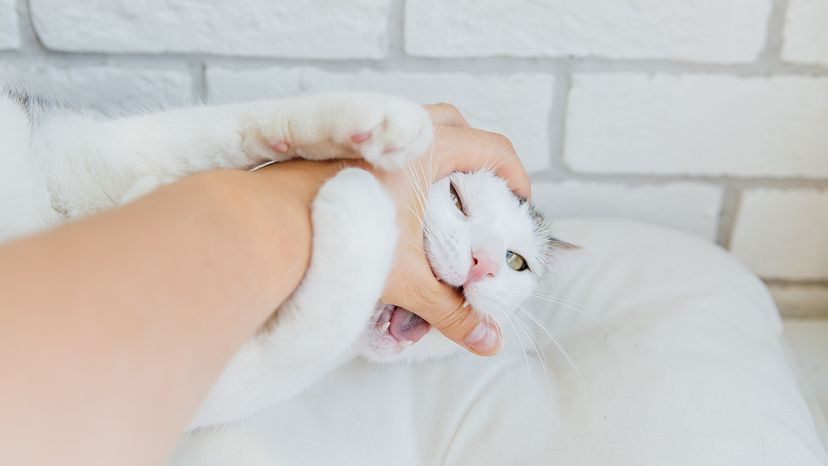
You might notice your cat gently biting your skin during grooming sessions. These small bites, often called “love bites,” are not meant to hurt. Instead, they mimic the way cats groom each other, mixing licking with soft nibbles to show closeness.
Signs Of Affection Through Grooming
Grooming is a clear sign that your cat trusts you deeply. It’s their way of saying you are part of their “family.” When your cat grooms you, it lowers stress and strengthens your emotional connection.
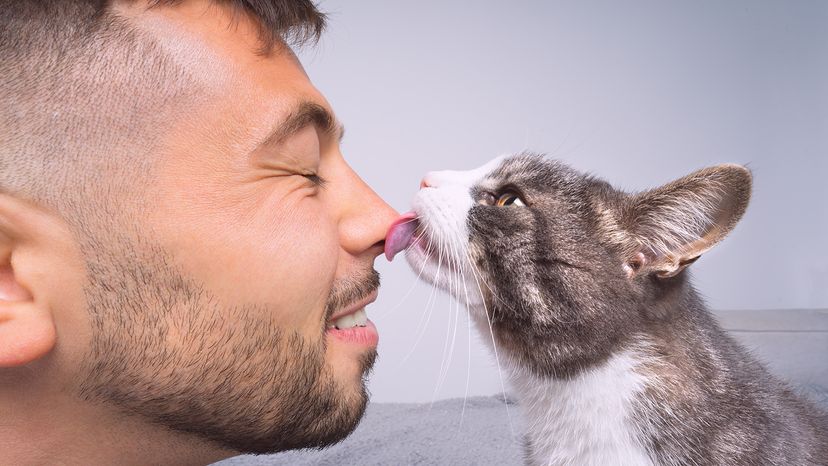
- Soft licking on your hands or face means comfort and care.
- Gentle nibbling often signals playful affection or a desire for attention.
- Persistent grooming can indicate your cat feels safe and relaxed around you.
Have you ever felt your cat’s tongue or teeth during grooming and wondered if they’re trying to tell you something? Paying attention to these cues can help you respond with love and patience, enhancing your bond every day.
Reasons Cats Bite During Grooming
Understanding why cats bite during grooming can help you build a better relationship with your furry friend. Cats use biting as a form of communication, but the reasons behind it vary. Recognizing these reasons can prevent misunderstandings and improve your bonding time.
Playful Biting
Cats often use gentle bites as part of their play behavior. When your cat nibbles lightly while grooming you, it might be inviting you to join in the fun. This kind of biting is usually soft and short, signaling affection rather than aggression.
Have you noticed your cat’s eyes sparkle or their tail twitch before a bite? These signs usually mean they’re in a playful mood. Next time, try redirecting their energy with a toy to avoid accidental scratches.
Overstimulation And Sensory Sensitivity
Sometimes, a cat’s bite is a clear sign of overstimulation. Grooming can excite their nerves, making them more sensitive to touch. When the sensation becomes too intense, biting acts as a quick way to stop the interaction.
Pay close attention to subtle cues like a flicking tail or flattened ears. These hints show your cat is reaching their limit. Adjust your grooming style by shortening sessions or focusing on less sensitive areas to keep your cat comfortable.
Communication And Boundaries
Cats use bites to set boundaries and communicate their feelings. If your cat bites while grooming, they might be telling you, “Enough for now.” Respecting this message strengthens trust between you and your pet.
Try observing when and where these bites occur during grooming. Are you touching a spot they dislike? Learning their preferences helps you avoid these warning bites. Would you want your personal space ignored? Your cat feels the same way.
What Biting Means In Cat Language
Cats communicate in many ways, and biting is one of them. Biting during grooming may seem strange, but it holds meaning. Understanding this behavior helps improve your bond with your feline friend. Let’s explore what biting signifies in cat language.
Gentle Nibbles Versus Aggressive Bites
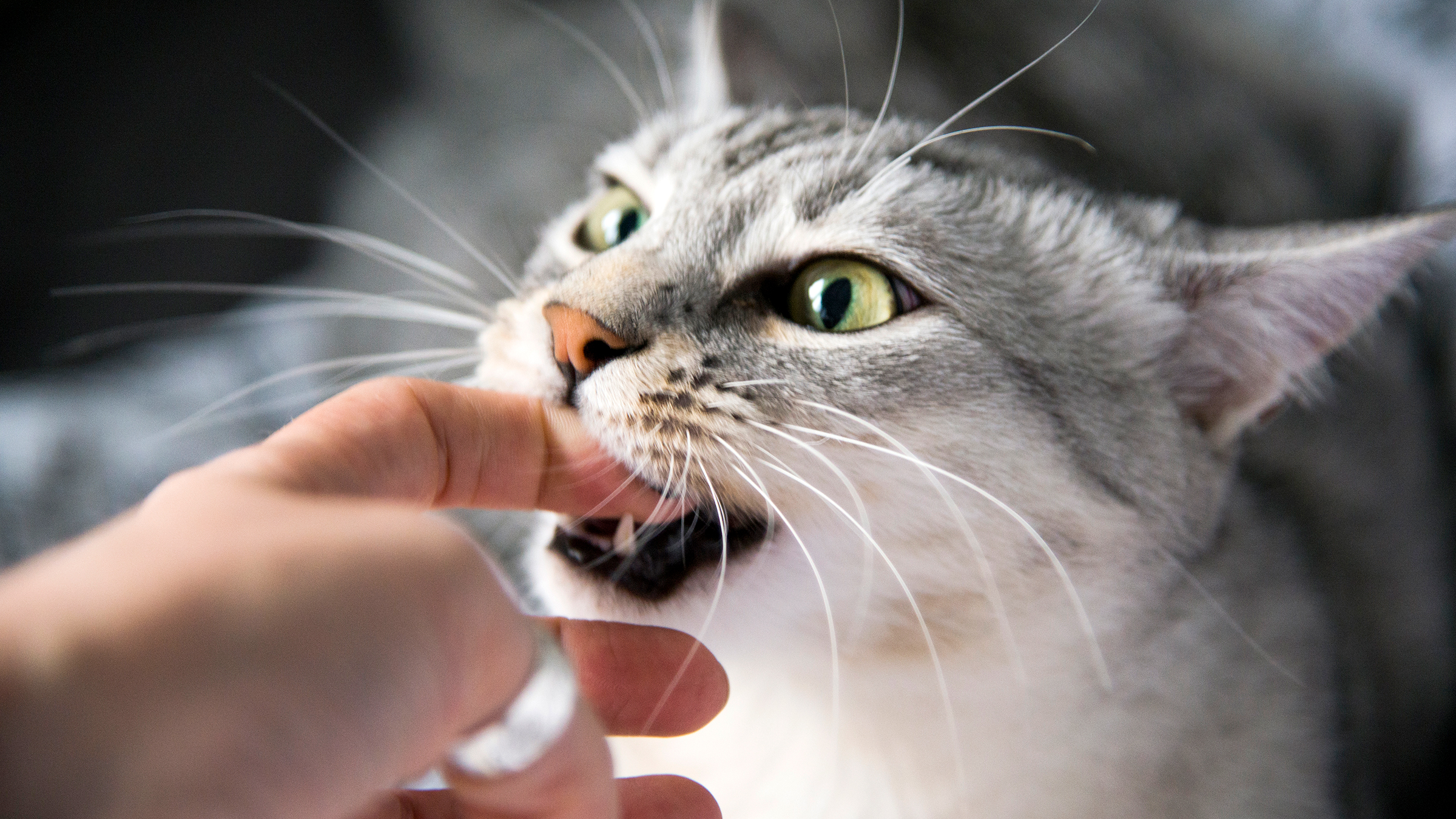
Not all bites are the same. Gentle nibbles can be a sign of affection. Cats often use these to show they care. It’s similar to how they groom each other. These soft nibbles rarely hurt and are usually playful.
Aggressive bites, on the other hand, are different. These may indicate discomfort or annoyance. If the bite feels hard, it might mean your cat wants you to stop. It’s essential to notice the difference in pressure and intention.
Contextual Clues In Biting Behavior
Context is key to understanding a cat’s bite. Observe your cat’s body language. Purring while nibbling often means happiness. A swishing tail might suggest agitation. Take note of your cat’s mood during the bite.
Timing also matters. If bites occur during petting, it might mean overstimulation. Cats have limits, and biting can be a cue for a break. Recognizing these clues helps in responding correctly.
How To Respond To Grooming Bites
Understanding how to respond to grooming bites is essential for maintaining a positive relationship with your cat. These bites are often a form of communication rather than aggression, so your response can help shape your cat’s behavior over time. Let’s look at how you can read the signals, redirect the biting, and groom safely to keep both you and your cat happy.
Reading Your Cat’s Signals
Before reacting to a grooming bite, pay attention to your cat’s body language. Is their tail flicking? Are their ears flattened or moving back? These signs often mean your cat is feeling overstimulated or annoyed.
I once ignored these signals and ended up with a painful nip. After noticing my cat’s subtle cues, I stopped grooming before she became irritated. This simple change prevented future bites.
Ask yourself: is your cat comfortable, or are you pushing their limits? Learning to read these signals helps you avoid bites altogether.
Redirecting Biting Behavior
If your cat starts to bite, gently redirect their attention to a toy or a scratching post. This teaches them that biting hands is not acceptable but playing with toys is fun.
Try offering a soft toy during grooming sessions. When your cat goes for the toy instead of your hand, reward them with a treat or praise. This reinforces positive behavior.
Have you tried swapping your hand for a toy during grooming? It can turn a biting habit into a playful interaction.
Safe Grooming Practices
Keep grooming sessions short and sweet. Long sessions can overwhelm your cat, increasing the chance of bites.
Use gentle strokes and avoid sensitive areas like the tail or belly unless your cat clearly enjoys it. Always stop at the first sign of discomfort.
Consider setting a routine grooming schedule that your cat can anticipate. Predictability reduces stress and biting tendencies.
How often do you groom your cat, and do you notice changes in their behavior based on session length? Adjusting your approach can make a big difference.
Credit: animals.howstuffworks.com
Preventing Unwanted Grooming Bites
Preventing unwanted grooming bites helps build a better bond with your cat. These bites often happen because cats communicate through gentle nibbles. Teaching them limits early avoids confusion and keeps interactions safe. Understanding your cat’s signals can stop bites before they start.
Setting Boundaries Early
Start setting clear boundaries with your cat during grooming sessions. If your cat bites, stop petting immediately. This teaches that biting ends the fun. Use a calm voice to say “no” or “ouch” to show discomfort. Consistency helps your cat learn what behavior is not allowed.
Using Toys And Alternatives
Offer toys for your cat to bite and chew instead of your skin. Soft chew toys or interactive wands distract your cat’s biting urge. Replace your hands with toys during play to redirect energy. This reduces the chance of grooming bites and keeps your hands safe.
Maintaining Regular Grooming Routines
Keep a regular grooming schedule to reduce your cat’s need to bite. Brush your cat gently every day or as needed. This helps remove loose fur and calms your cat. A relaxed cat is less likely to bite during petting or grooming.
Frequently Asked Questions
Why Do Cats Bite During Grooming Sessions?
Cats bite during grooming to show affection or set boundaries. It’s their way of communicating comfort or overstimulation. Biting can also mimic mother-cat behavior when cleaning kittens. Understanding this helps improve your bond and avoid unwanted scratches.
Is Cat Biting While Grooming Normal Behavior?
Yes, cat biting while grooming is normal. It reflects their natural instincts and social interactions. Light bites are usually playful or affectionate, but hard bites may signal stress. Recognizing these cues helps manage your cat’s behavior effectively.
How Can I Stop My Cat From Biting When Grooming?
To stop biting, watch for signs of irritation and stop grooming early. Use gentle strokes and avoid sensitive areas. Redirect biting with toys and reward calm behavior. Consistent positive reinforcement helps your cat feel safe and reduces biting incidents.
Does Cat Grooming Biting Mean Aggression?
Not always. Grooming bites often mean affection or communication, not aggression. Aggressive bites are usually harder and accompanied by growling or hissing. Understanding your cat’s body language helps differentiate between love bites and aggressive behavior.
Conclusion
Cats bite while grooming to show affection or set boundaries. They use gentle bites to communicate with their owners. Sometimes, biting means they feel playful or want attention. Understanding your cat’s body language helps prevent hard bites. Always respond calmly to keep trust strong.
Knowing why cats bite makes your bond better. Small bites can be a sign of love, not anger. Pay attention to your cat’s mood during grooming sessions. This way, grooming stays a positive time for both of you.

Leave a Reply