Have you ever noticed your cat suddenly biting your foot while grooming? It can be surprising, even a little confusing.
You might wonder why your furry friend would do that during such a calm moment. Understanding this behavior can help you connect better with your pet and keep both of you comfortable. You’ll discover the surprising reasons behind your cat’s foot bites and learn how to respond in a way that strengthens your bond.
Keep reading—you’ll find out what your cat is really trying to tell you.

Credit: www.reddit.com
Cat Grooming Behavior
Cats spend a lot of time grooming themselves to stay clean and healthy. Grooming is a natural behavior that helps cats remove dirt, loose fur, and parasites. It also helps them relax and feel safe. Sometimes, cats may bite their own feet during grooming. Understanding their grooming behavior can explain why this happens.
Normal Grooming Patterns
Cats usually start grooming by licking their face and head. Then, they move to the neck, back, and sides. They use their rough tongue to clean their fur and skin.
Grooming happens in short, repeated sessions throughout the day. Cats often pause to rest or look around. They may also groom more after eating or waking up.
Biting or nibbling is part of normal grooming. Cats use their teeth to remove dirt or mats in their fur. This action also helps with shedding loose hair.
Common Grooming Targets
Cats focus on areas that are hard to reach by licking alone. These include:
- Paws and feet
- Behind the ears
- Under the chin
- Base of the tail
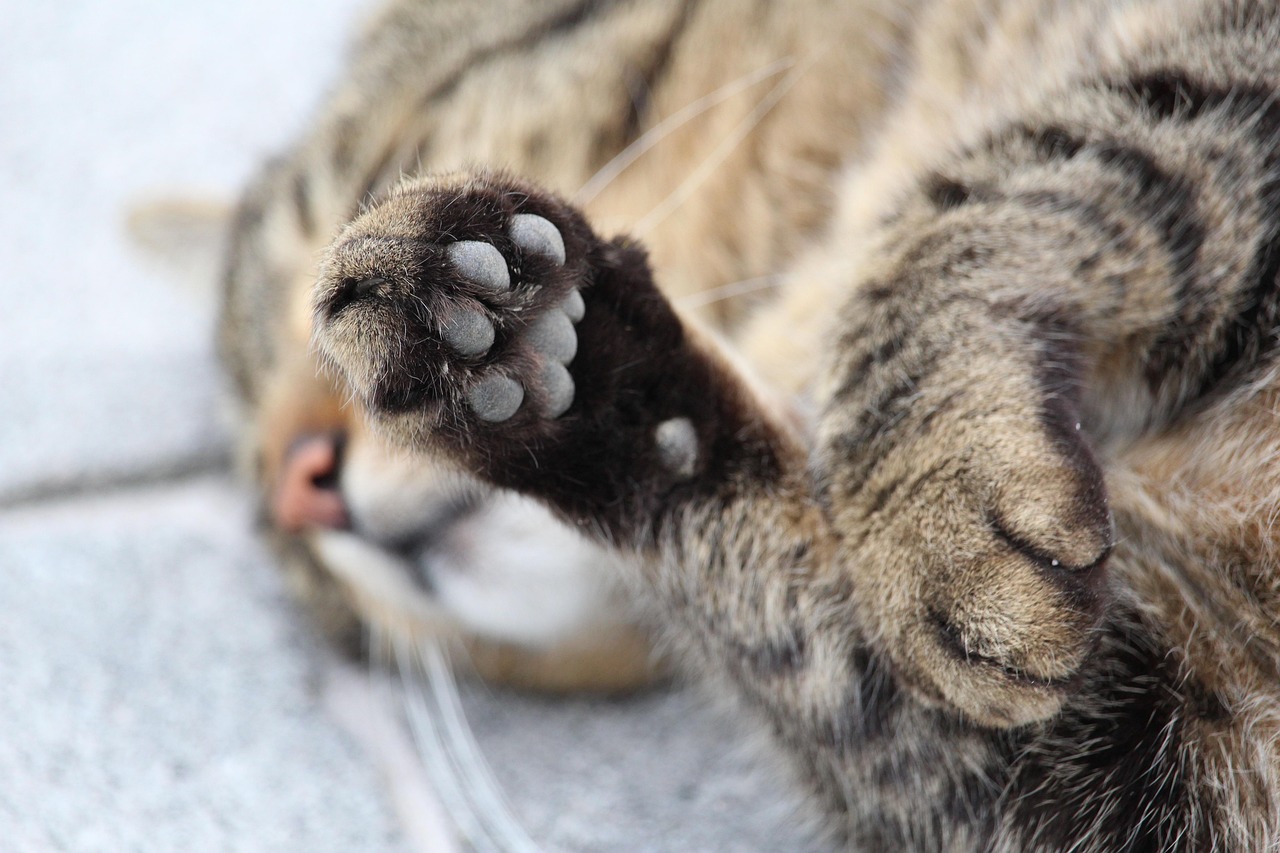
The paws and feet can collect dirt and small debris. Cats bite these areas to clean between their toes and nails.
Sometimes, biting the foot helps remove stuck fur or foreign objects. This is a normal and important part of their grooming routine.
Reasons For Biting Feet
Understanding why your cat bites your feet during grooming can help you respond better and keep both of you comfortable. Cats use biting as a form of communication and interaction, and feet often become the target for several interesting reasons. Let’s look at some common causes behind this behavior.
Playfulness And Attention Seeking
Your cat might bite your feet simply because it wants to play or get your attention. Feet moving under a blanket or near the couch can look like a fun target to your cat’s hunting instincts. If your pet feels ignored, this playful bite is their way of saying, “Hey, look at me!”
Have you noticed if the biting happens more when you’re busy or not paying attention? That’s a good sign your cat is craving interaction.
Scent Marking And Territory
Cats have scent glands in their mouths, so biting can be a way for them to mark you as part of their territory. When your cat nibbles your feet, they might be leaving their scent to feel more secure and connected to their environment. This behavior is a natural way for them to claim you as “theirs.”
Next time your cat bites your feet, think about how they see you—as part of their safe space and family.
Irritation Or Discomfort
Sometimes biting is a sign that your cat feels irritated or uncomfortable. Your feet might have an unusual smell from lotions or sweat, or maybe there’s a small injury your cat notices. It’s their way of telling you something feels off.
If the biting seems sudden or aggressive, check your feet for anything that might be bothering your cat and consider a vet visit if the behavior persists.
Overstimulation During Grooming
Grooming can sometimes lead to overstimulation. When you pet or brush your cat, they might feel a bit overwhelmed and respond by biting. Feet are within easy reach, making them a convenient outlet for this excess energy or agitation.
Watch for signs like tail flicking or ears flattening—these clues can help you stop before the biting starts.
Health Issues Affecting Grooming
Understanding why a cat might bite your foot while grooming can be puzzling. Cats often groom themselves to maintain cleanliness and health. Yet, certain health issues can disrupt this routine. These issues might lead a cat to bite or act out.
Skin Problems Or Allergies
Skin issues can irritate cats, making grooming painful. Allergies cause itchiness and discomfort. Cats might bite to relieve the itch. Look for signs like redness, swelling, or bald spots. Identifying and treating these problems can help your cat feel better.
Dental Pain And Sensitivity
Cats with dental issues might struggle during grooming. Painful gums or teeth can affect their mood. This might lead to foot biting as a way to express discomfort. Regular dental check-ups can prevent such issues.
Insect Bites Or Parasites
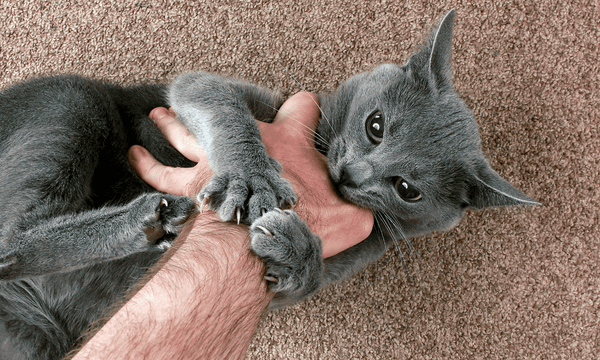
Insects and parasites can cause severe irritation. Fleas, ticks, and mites are common culprits. Their bites cause intense itching and discomfort. A cat might bite your foot in frustration. Keeping your cat parasite-free is essential for their comfort.
Credit: happycatshome.com
Behavioral Factors
Understanding why a cat bites your foot during grooming involves looking at behavioral factors. Cats express feelings and communicate through their actions. Biting can signal different moods or habits. Observing these behaviors helps you respond better and strengthen your bond.
Stress And Anxiety
Cats may bite when they feel stressed or anxious. Grooming can be overwhelming for some cats. They use biting as a way to protect themselves or stop the activity. Changes in the environment or loud noises can increase stress. Recognizing signs of anxiety helps prevent biting episodes.
Habit Formation
Some cats develop biting as a habit during grooming. They repeat this behavior because it gets a reaction. Over time, biting can become a learned response. Breaking this habit requires patience and consistent training. Reward calm behavior to encourage positive changes.
Response To Owner’s Reaction
Cats often bite to see how owners react. If a bite causes attention, cats may continue doing it. Sometimes owners laugh or move quickly, which excites the cat. Calm and gentle responses help reduce biting. Teaching cats that biting stops play is key.
How To Manage Foot Biting
Managing your cat’s habit of biting your foot during grooming takes patience and understanding. It’s not just about stopping the behavior but also addressing why it happens and creating a positive environment. Let’s look at some ways you can gently guide your cat away from foot biting while keeping your bond strong.
Redirecting Attention
When your cat starts to nibble on your foot, quickly offer a toy or a scratching post. This switch helps your cat focus on something appropriate instead of your skin. Having a few favorite toys handy during grooming sessions makes it easier to distract them at the right moment.
You might notice your cat prefers chasing moving objects. Try waving a feather wand or rolling a ball nearby to grab their attention away from your feet. Redirecting their energy can reduce biting behavior significantly.
Regular Vet Checkups
Sometimes foot biting signals discomfort or pain. Your cat might be trying to tell you something’s wrong. Regular vet visits ensure your pet isn’t dealing with underlying issues like skin irritation or dental pain.
Have you ever thought about how subtle changes in behavior could mean health problems? A vet can check for allergies or infections that might be causing your cat to bite more than usual. Keeping up with these checkups protects your cat’s well-being and keeps unwanted biting in check.
Providing Enrichment
Boredom can make your cat more likely to bite during grooming. Make sure your cat has plenty of activities to stay mentally and physically busy. Puzzle feeders, climbing trees, and interactive playtime all help reduce stress and excess energy.
If your cat is mentally stimulated, they’re less likely to seek attention through biting. Think about how you feel when you have something fun to do—it’s the same for your cat. Adding new toys or even simple household items can turn grooming time into a calmer experience.
Safe Grooming Practices
Use gentle strokes and keep your movements slow and predictable during grooming. Sudden or rough handling can trigger biting as a defensive reaction. Watch your cat’s body language closely—ears back or tail flicking means it’s time to pause or stop.
Try grooming in short sessions rather than long ones. This approach helps your cat stay relaxed and reduces the chance of biting. Have you noticed how patience and respect for your cat’s limits can change your grooming routine for the better?
Credit: brooklynpetspa.com
Frequently Asked Questions
Why Do Cats Bite Feet While Grooming?
Cats bite feet during grooming to clean hard-to-reach areas. It is a natural behavior that helps them maintain hygiene. Sometimes, they bite gently to remove dirt or dead skin. It can also be a playful or attention-seeking action.
Is Foot Biting Normal Cat Grooming Behavior?
Yes, foot biting is normal in cat grooming. Cats use their mouths and paws to clean themselves thoroughly. Biting feet helps them reach spots their tongues can’t. However, if biting becomes aggressive, it may indicate stress or discomfort.
Can Foot Biting Indicate Cat Stress Or Anxiety?
Foot biting can sometimes signal stress or anxiety in cats. If the biting is intense or frequent, it may be a coping mechanism. Observe other signs like restlessness or vocalization. Consulting a vet can help address underlying issues.
How To Stop A Cat From Biting Feet During Grooming?
To stop foot biting, gently redirect your cat’s attention with toys. Offer regular grooming sessions to reduce anxiety. Use positive reinforcement when your cat grooms calmly. Avoid sudden movements that may trigger biting behavior.
Conclusion
Cats may bite feet while grooming for many reasons. Sometimes, it is play or curiosity. Other times, it shows affection or tries to get attention. Understanding your cat’s behavior helps build a stronger bond. Watch their body language to know when they feel relaxed or playful.
Always respond gently to avoid stress or fear. This small habit can tell a lot about your cat’s mood. Pay attention and enjoy these unique moments together.

Leave a Reply