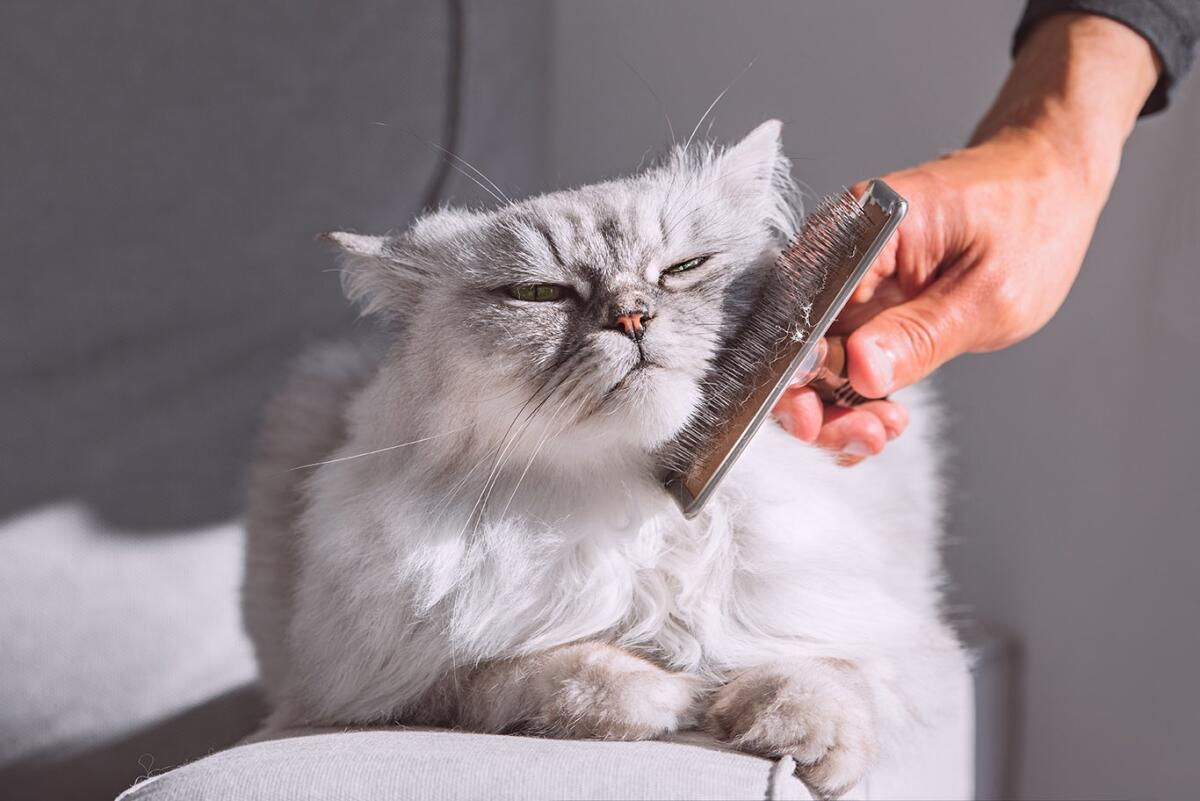
You love your cat and want to keep them happy and healthy. But do you know when and what to groom on your cat?
Grooming isn’t just about making your cat look good—it’s key to their comfort and well-being. If you miss the right timing or overlook important areas, your furry friend might face discomfort or health issues. In this post, you’ll discover exactly when to groom your cat and which spots need your attention most.
Keep reading to make grooming easier and more effective for both you and your feline companion.
Cat Grooming Basics
Grooming your cat is more than just keeping them clean—it’s about health, comfort, and bonding. Understanding the basics of cat grooming helps you know when and what to groom, making the process easier for both of you. Let’s break down the essentials you need to keep your furry friend looking and feeling their best.
Why Grooming Matters
Grooming removes dirt, loose hair, and prevents matting that can cause discomfort or skin issues. It also helps reduce hairballs, which can be a common problem in cats. When you groom regularly, you have a chance to check for abnormalities like lumps, bumps, or parasites early on.
Have you noticed how your cat acts after a grooming session? Many cats feel more relaxed and happier because grooming removes irritants from their skin. Plus, it’s a great way to strengthen your bond and build trust.
Types Of Cat Coats
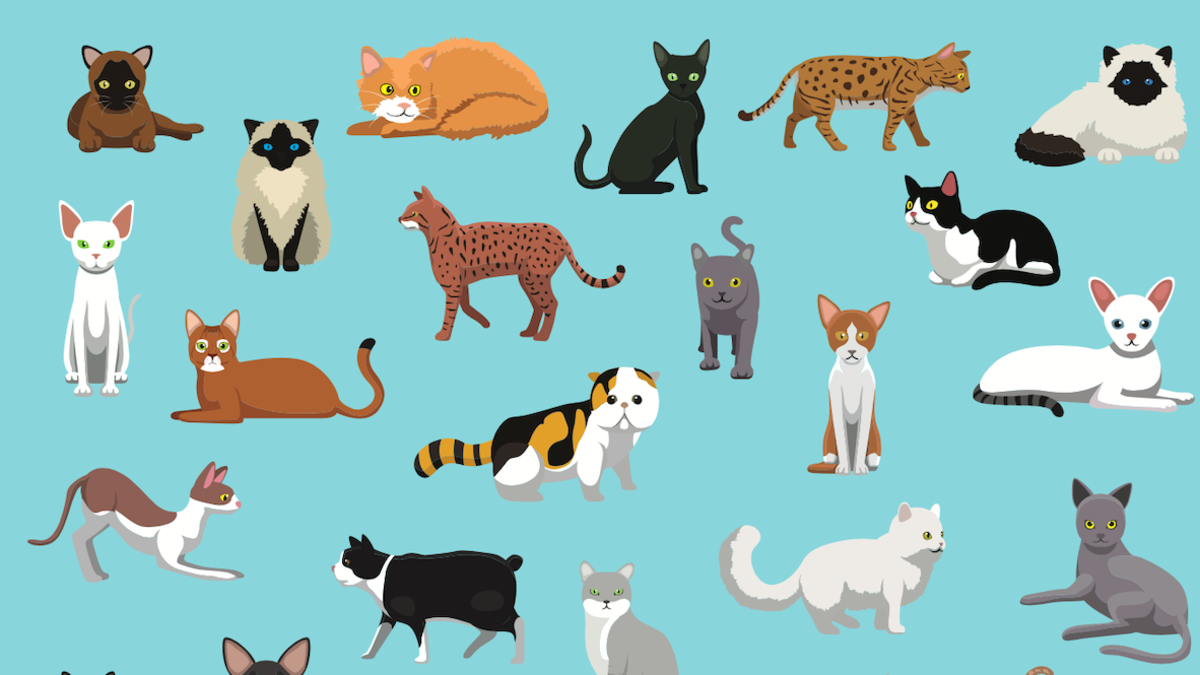
Not all cat coats are the same, and this affects how you should groom them. Cats have short hair, long hair, or even curly coats, each needing different care.
- Short-haired catsusually require less grooming but still benefit from weekly brushing to remove loose fur.
- Long-haired catsneed daily brushing to prevent mats and tangles that can pull on their skin.
- Cats with curly or woolly coatsmay need special combs and more frequent grooming to maintain coat health.
Understanding your cat’s coat type helps you pick the right grooming routine and avoid causing discomfort.
Essential Grooming Tools
Having the right tools makes grooming easier and safer. Here’s what you should keep handy:
| Tool | Purpose | Best For |
|---|---|---|
| Brush | Removes loose hair and dirt | All coat types (choose bristle, slicker, or pin brushes accordingly) |
| Comb | Detangles and removes mats | Long-haired and curly-coated cats |
| Grooming gloves | Gentle hair removal during petting | Short-haired cats or sensitive cats |
| Nail clippers | Keeps claws trimmed and healthy | All cats |
Do you find your cat resists brushing? Trying different tools can make a big difference in their comfort and cooperation.
When To Groom Your Cat
Knowing when to groom your cat is just as important as knowing how to do it. Grooming at the right time keeps your cat comfortable and healthy while reducing the risk of skin problems and hairballs. It also strengthens the bond between you and your furry friend.
Signs Your Cat Needs Grooming
Watch for visible signs like matted fur or excessive shedding. If your cat starts scratching more than usual or you notice dandruff, it’s time to groom. Cats may also avoid grooming themselves when they’re unwell or stressed, so a neglected coat can be a red flag.
Have you ever felt a knot in your cat’s fur that seemed impossible to brush out? That’s a clear signal your cat needs immediate attention. Regularly checking for these signs helps you act before the problem worsens.
Seasonal Grooming Patterns
Seasonal changes affect your cat’s coat. In spring and fall, cats shed heavily to adjust to temperature shifts. You’ll need to groom more often during these periods to manage loose hair and prevent mats.
During winter, your cat’s coat might thicken, requiring less frequent grooming but more attention to skin health. Summer often means less shedding but watch for signs of overheating or dry skin. Adjust your grooming routine based on the season to keep your cat comfortable year-round.
Age And Health Considerations
Older cats may not groom themselves as effectively, so they need more frequent brushing. Health conditions like arthritis or obesity can limit a cat’s ability to reach certain spots. Pay attention to these changes and help your cat stay clean and comfortable.
If your cat has a medical condition, check with your vet about special grooming needs. Sometimes, gentle grooming can also serve as a way to monitor your cat’s health. Have you noticed any changes in your cat’s grooming habits as they age?
Grooming Different Coat Types
Different cat coats need specific grooming at certain times. Short-haired cats require less brushing, while long-haired cats need daily care to prevent mats. Regular grooming keeps your cat’s fur healthy and clean.
Grooming your cat is more than just a bonding activity; it’s essential for their health. Different coat types require unique grooming techniques, ensuring your feline friend stays comfortable and tidy. Whether your cat is short-haired, long-haired, or even hairless, understanding their specific grooming needs can make the process smoother and more enjoyable for both of you.Short-haired Cats
Short-haired cats generally have low-maintenance grooming routines. A quick brush once or twice a week helps remove loose hairs and prevents matting. Regular brushing also distributes natural oils, keeping their coat shiny and healthy. Do you notice your cat shedding excessively? Increased brushing can help manage shedding and minimize hairballs.Long-haired Cats
Long-haired cats demand a bit more attention. Daily brushing is crucial to prevent tangles and mats, which can be uncomfortable or even painful. Use a wide-toothed comb to gently work through their fur, starting from the tips and moving towards the skin. Is your long-haired cat resisting grooming? Try brushing during calm moments or offering treats to create positive associations.Hairless Breeds
Hairless breeds, like the Sphynx, might seem low-maintenance, but they have their own grooming needs. Their skin can get oily, requiring regular baths to prevent buildup and potential skin issues. Use a gentle, cat-friendly shampoo and ensure you dry them thoroughly afterward. Are you worried about skin irritation? Regularly check for any signs of redness or bumps, and consult your vet if needed. Grooming doesn’t have to be a chore. With the right techniques, it can be a rewarding routine that strengthens your bond with your cat. Which coat type does your feline friend have, and how do you keep them looking their best?
Credit: danspetcare.com
Key Grooming Activities
Grooming keeps cats clean, healthy, and happy. Regular care prevents health issues and strengthens your bond. Knowing the key grooming activities helps maintain your cat’s well-being. Focus on brushing, bathing, nail trimming, ear cleaning, and dental care. Each task supports your cat’s overall health and comfort.
Brushing Techniques
Brushing removes loose fur and prevents mats. Use a brush suited for your cat’s fur type. Long-haired cats need daily brushing. Short-haired cats benefit from weekly sessions. Brush gently to avoid hurting the skin. Start from the head and move to the tail. Pay attention to areas like behind ears and under the legs.
Bathing Tips
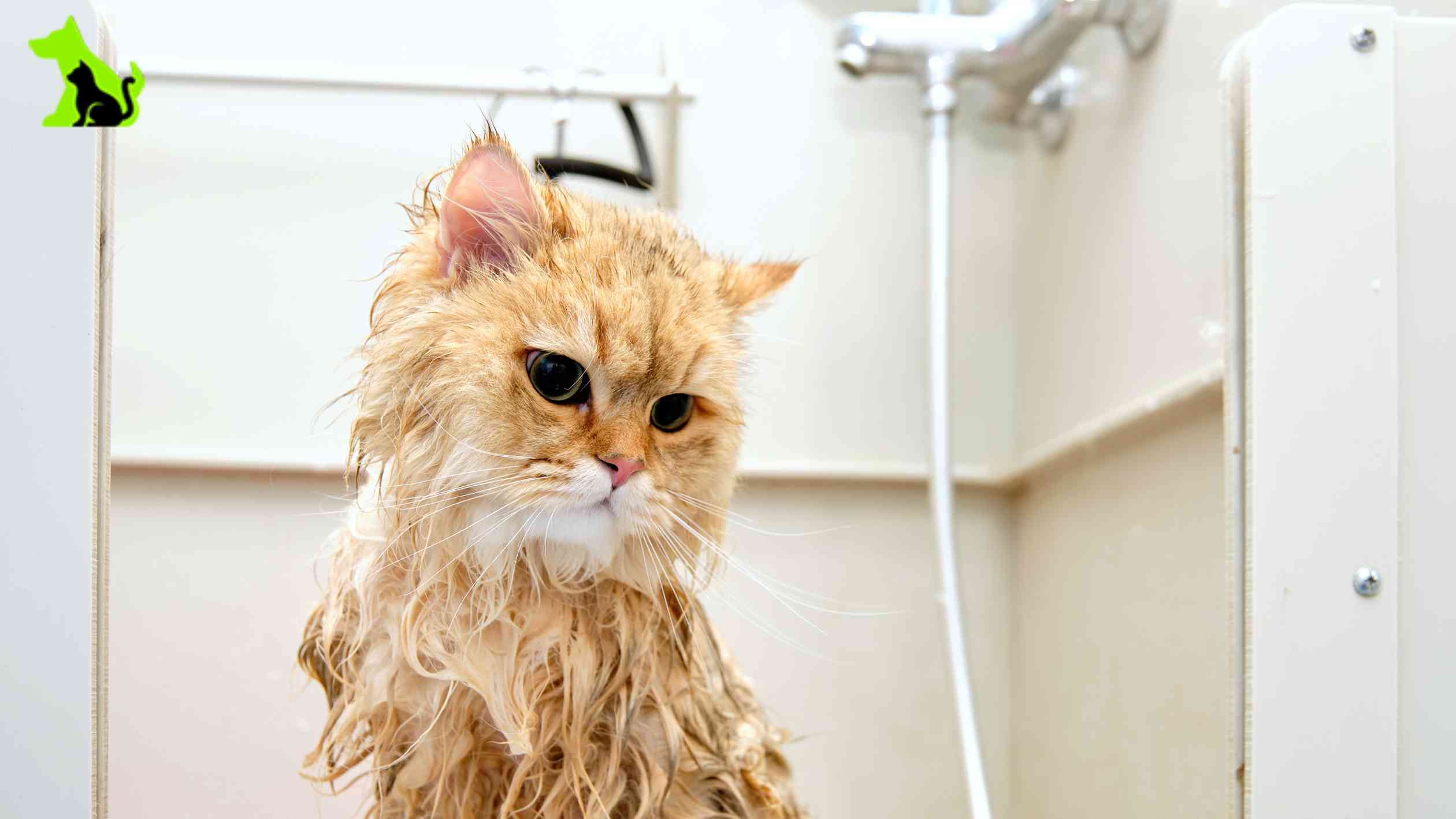
Bathing is rarely needed, but helps if your cat is very dirty. Use lukewarm water and cat-friendly shampoo. Wet the fur slowly, avoiding the face. Lather gently, then rinse thoroughly. Dry your cat with a towel and keep them warm. Bathing too often can dry the skin, so limit baths to a few times a year.
Nail Trimming
Trim nails every two to three weeks. Use special cat nail clippers. Hold the paw firmly but gently. Cut only the sharp tip to avoid the quick. If unsure, trim less to prevent bleeding. Scratching posts can help keep nails short between trims.
Ear Cleaning
Check ears weekly for dirt or wax buildup. Use a soft cloth or cotton ball with a vet-approved cleaner. Wipe the inside gently, avoiding deep inside the ear canal. Redness or bad odor may need a vet visit. Clean ears help prevent infections and discomfort.
Dental Care
Healthy teeth prevent bad breath and gum disease. Brush your cat’s teeth with a pet-safe toothbrush and toothpaste. Start slowly to get them used to the process. Offer dental treats or toys to support oral health. Regular vet checks ensure your cat’s mouth stays healthy.
Handling Grooming Challenges
Grooming cats can be tricky at times. Some challenges require patience and gentle care. Handling these issues correctly keeps your cat healthy and happy. Here are key tips for common grooming problems.
Dealing With Matting
Matted fur can hurt your cat and cause skin problems. Start by gently feeling the fur for tight knots. Use a wide-tooth comb or mat splitter to break up tough mats. Hold the skin close to the mat to avoid pulling. For severe mats, visit a professional groomer or vet. Regular brushing helps prevent mats from forming.
Managing Shedding
Shedding is normal but can be messy. Brush your cat often to remove loose hair. Choose a brush that suits your cat’s fur type. Bathing your cat with a gentle shampoo can reduce shedding. Keep your home clean by vacuuming and using lint rollers. Feeding a healthy diet supports skin and coat health.
Calming Anxious Cats
Many cats feel scared during grooming. Create a calm space with soft lighting and quiet sounds. Use treats and gentle praise to reward good behavior. Start grooming slowly, for just a few minutes at a time. Take breaks if your cat seems stressed. Try using a pheromone spray to soothe anxious cats.
Credit: hellopetsinc.com
Professional Grooming Services
Professional grooming services offer expert care for cats. Groomers handle tasks that might be hard for pet owners. They keep cats clean, comfortable, and healthy. Groomers use tools and techniques to manage fur, nails, and skin safely. These services benefit cats with thick, long, or matted fur. Also, older or sick cats may need professional help. Knowing when and how to use these services helps maintain your cat’s well-being.
When To Seek Help
Choose professional grooming if your cat has tangled or matted fur. Groomers can also help if your cat resists home grooming. Long-haired cats need regular trims to prevent mats and hairballs. Older cats or those with health issues might struggle with self-care. Groomers can gently clean ears, trim nails, and remove dirt. Seek help if you notice skin problems or heavy shedding. Professionals spot issues early and avoid stress for your cat.
Choosing A Groomer
Pick a groomer with experience in cat care. Check reviews and ask for recommendations. Visit the salon to see cleanliness and how staff handle cats. A good groomer uses gentle methods and listens to your concerns. They should explain the grooming steps before starting. Ensure they offer services like nail trimming, ear cleaning, and fur trimming. Trust and comfort are key for your cat’s positive experience.
Cost And Frequency
Professional grooming costs vary by location and services needed. Basic grooming might include brushing, nail trimming, and ear cleaning. More complex care, like dematting or haircuts, costs extra. Plan grooming sessions every 6 to 8 weeks for long-haired cats. Short-haired cats may need fewer visits, about every 3 to 4 months. Regular grooming prevents skin issues and keeps your cat comfortable. Discuss a schedule and price with your groomer to fit your budget.
Maintaining Grooming Routine
Keeping a consistent grooming routine for your cat is essential for their health and happiness. It not only helps prevent mats and hairballs but also strengthens the bond between you and your furry friend. The key is to make grooming a regular, stress-free part of your cat’s life.
Building A Schedule
Decide how often your cat needs grooming based on their coat type and lifestyle. Long-haired cats usually require daily brushing, while short-haired breeds might be fine with once or twice a week. Choose specific days and times that fit your routine, like after breakfast or before bedtime, so it becomes a habit for both of you.
Consistency is more important than duration. Even 5–10 minutes per session can make a big difference. Ask yourself: when does your cat seem most relaxed or cooperative? That’s your best grooming window.
Involving Your Cat
Grooming should never feel like a chore for your cat. Start by letting them sniff and explore the grooming tools. Use gentle strokes and speak softly to keep them calm. Reward your cat with treats or affection after each session to create a positive association.
Notice their body language to know when they’ve had enough. If your cat resists, try breaking grooming into shorter sessions throughout the day. Can you turn grooming into a moment your cat looks forward to?
Tracking Grooming Progress
Keep a simple log of your grooming sessions to track your cat’s coat condition and behavior changes. Note any areas where mats tend to form or if your cat shows signs of discomfort. This record helps you spot patterns and adjust your routine accordingly.
Apps or a small notebook can work well for this. Tracking progress also makes vet visits easier, as you can provide clear information about your cat’s grooming habits and skin health. How might regular tracking improve your cat’s grooming experience?

Credit: www.latimes.com
Frequently Asked Questions
When Should I Start Grooming My Cat?
Begin grooming your cat as early as possible, ideally when they are a kitten. Early grooming helps them get used to the process and reduces stress. Regular grooming supports healthy skin and fur, preventing mats and hairballs.
What Parts Of A Cat Need Regular Grooming?
Focus on brushing your cat’s fur, cleaning ears, trimming nails, and checking teeth. Long-haired cats need daily brushing, while short-haired cats can be groomed weekly. Regular grooming keeps your cat healthy and comfortable.
How Often Should I Groom My Cat?
Grooming frequency depends on your cat’s coat type. Long-haired cats require daily brushing, while short-haired cats benefit from weekly sessions. Nail trimming should be done every 1-2 weeks to prevent overgrowth and discomfort.
Can Grooming Help Prevent Cat Hairballs?
Yes, regular grooming reduces loose fur ingestion by your cat. Brushing removes shedding hair before they swallow it. This helps prevent hairballs and improves your cat’s digestive health.
Conclusion
Regular grooming keeps cats healthy and happy. Brush your cat’s fur weekly to prevent mats and hairballs. Trim nails carefully every few weeks to avoid scratches. Clean ears and eyes gently when needed. Start grooming early to help your cat get used to it.
Watch your cat’s behavior for signs of discomfort or illness. A calm, patient approach makes grooming easier for both. Remember, grooming is a way to bond and care for your pet. Small efforts bring big benefits to your cat’s well-being.


Leave a Reply