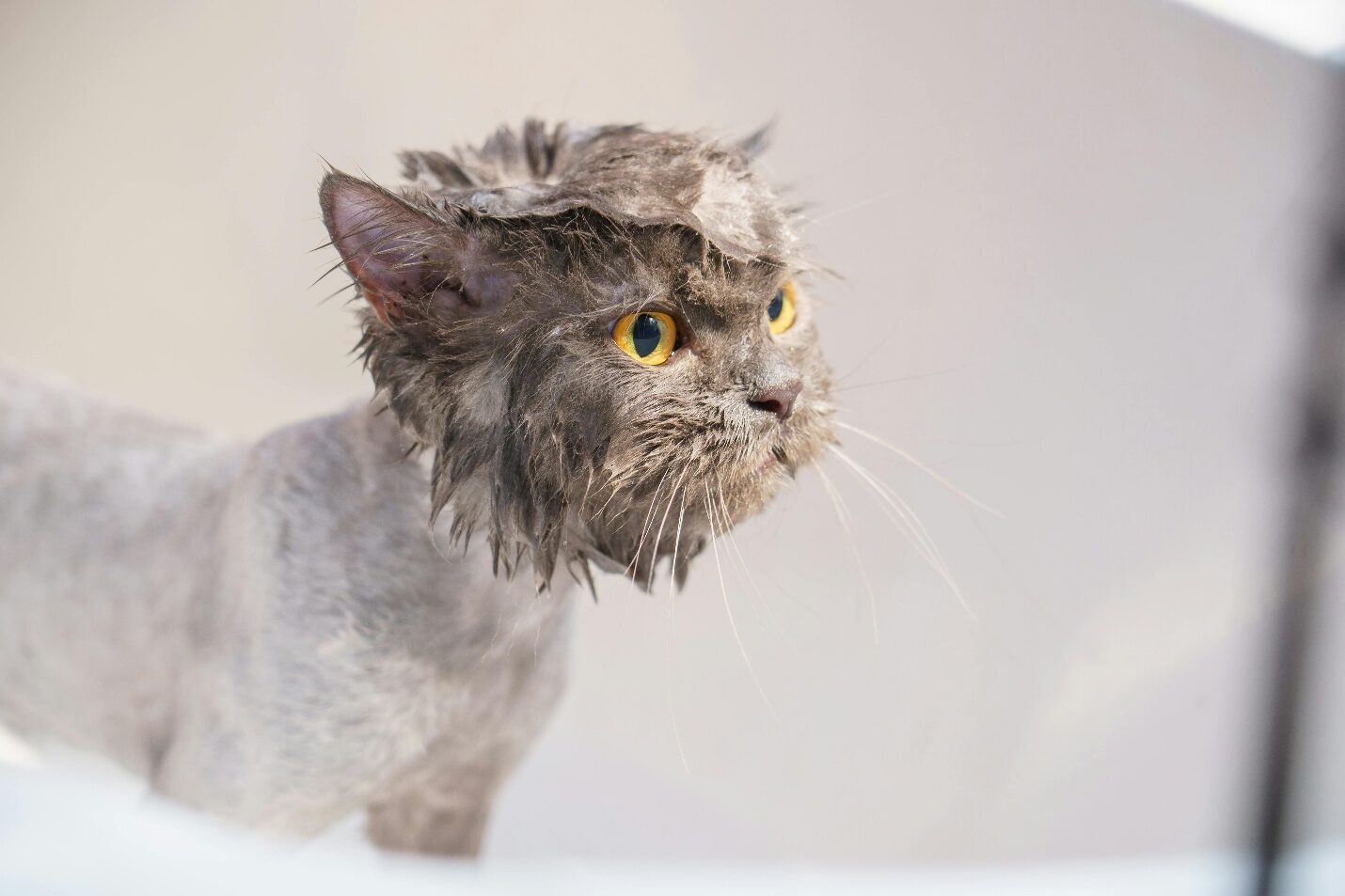
Have you ever wondered why your cat doesn’t groom her like other cats do? It’s confusing and maybe even a little worrying when your furry friend ignores grooming.
You might feel like something is wrong or that your cat just doesn’t like her. But there are surprising reasons behind this behavior that you probably haven’t considered. Keep reading to discover what really goes on in your cat’s mind and how understanding this can improve your bond with her.
Cat Grooming Behavior
Cats spend a lot of time grooming themselves and others. Grooming is a natural behavior that keeps their fur clean and healthy. It also helps cats relax and feel calm. Understanding why cats groom or don’t groom others can explain much about their relationships and moods.
Purpose Of Grooming
Grooming removes dirt, loose hair, and parasites. It helps control body temperature by spreading natural oils. Grooming also reduces stress and anxiety in cats. This behavior keeps their coat shiny and smooth. It is important for their overall health and comfort.
Social Grooming Among Cats
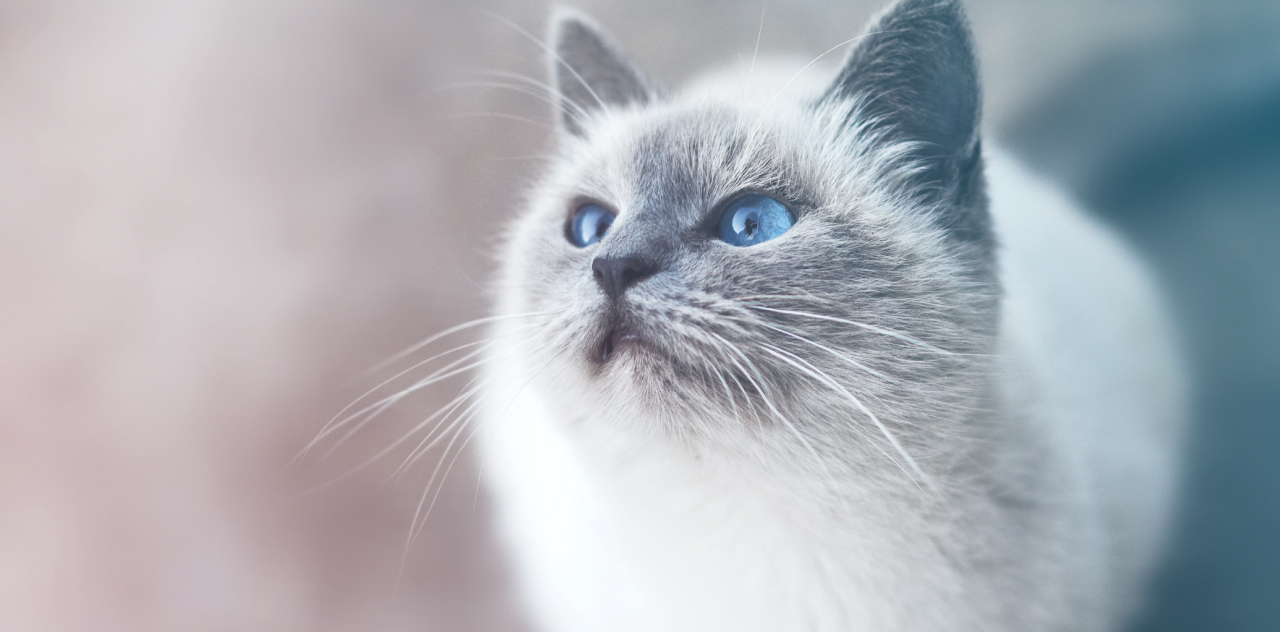
Some cats groom each other to show trust and friendship. This is called allogrooming. It strengthens bonds between cats living together. Grooming helps share scents and create a group identity. Cats that don’t groom each other may not have a close relationship. Sometimes, a cat may not groom others due to illness or stress.
Credit: pawgo.com
Factors Affecting Grooming Choices
Understanding why a cat may choose not to groom another cat involves looking into several key factors that influence grooming behavior. Cats don’t just groom to clean—they communicate, bond, and establish social order through grooming. When this behavior changes or stops, it’s often a sign that something deeper is affecting their choices.
Health And Hygiene Issues
Sometimes, a cat avoids grooming another because of health concerns. If one cat is sick, injured, or has a skin condition, the other may instinctively keep its distance to avoid potential infection. You might notice your cat stepping back if the other smells different or has visible wounds.
Older cats or those with arthritis may also struggle to groom themselves or others. This can reduce mutual grooming and signals that your cat might need extra help with hygiene.
Stress And Anxiety
Stress changes a cat’s behavior in many ways, including grooming habits. If your cat is anxious or feels threatened, it might stop grooming others as a way to protect itself. Changes in environment, new pets, or loud noises can cause this stress.
Have you seen your cat suddenly ignore a close companion after a move or a visitor? This shift often reflects emotional discomfort rather than a loss of affection.
Territorial Boundaries
Cats are territorial animals, and grooming can be a way to share scent and build trust. But if one cat feels its territory is invaded, it may refuse to groom or be groomed by others. This is especially common in multi-cat households with limited space.
Pay attention to body language: flattened ears, a twitching tail, or avoidance can indicate that your cat is drawing a boundary. Respecting these signals can help maintain peace and encourage grooming again.
Relationship Dynamics
Understanding why cats don’t groom a particular feline can unveil much about their relationship dynamics. Social grooming, or allogrooming, is a common behavior among cats that strengthens bonds and establishes harmony. But when one cat is left out, it raises questions about the group’s social structure.
Bond Strength
The strength of the bond between cats plays a crucial role in grooming habits. Cats that have a strong emotional connection often engage in grooming rituals. If a cat is not being groomed, it might indicate a weaker bond or recent disruptions in their relationship.
Consider how well the cats know each other. Cats introduced recently or with a history of conflict might not groom each other. Observing their interactions can reveal if they engage in other bonding activities like playing or sharing space.
Hierarchy And Dominance
Hierarchy among cats can also influence grooming behavior. Dominant cats might choose to groom subordinates as a sign of control. If a particular cat is not being groomed, it might be seen as a lower-ranking member or an outsider.
Notice how your cats interact during feeding time or when vying for attention. Such scenarios can highlight existing hierarchies and give clues about why grooming is withheld. Is there a leader who dictates the social order?
Reflect on your cats’ dynamics to understand their grooming behaviors better. Could addressing hierarchy issues change their interactions?

Credit: www.latimes.com
Environmental Influences
Environmental factors play a big role in how cats behave, including their grooming habits. Changes around them can make a cat feel uneasy or distracted, which might explain why she’s not grooming as expected. Understanding these influences can help you create a more comfortable space for your feline friend.
New Surroundings
Moving to a new home or rearranging your furniture can unsettle a cat. Cats rely on familiar scents and sights to feel safe. When everything changes, she might focus on exploring or hiding instead of grooming.
Think about your own behavior—do you sometimes forget daily routines when stressed or in unfamiliar places? Cats do too. Giving her time and a quiet spot to adjust can encourage her to resume normal grooming.
Presence Of Other Pets
Introducing new pets can disrupt a cat’s sense of security. If your cat feels threatened or unsure about a new dog or another cat, she might groom less. Grooming often reflects comfort, so tension in the environment can reduce this behavior.
Watch how your cat interacts with other animals. Sometimes, she might groom others but not herself if she feels stressed. Creating separate safe zones and gradual introductions can help her feel more at ease and promote her natural grooming habits.
When Grooming Stops
When a cat suddenly stops grooming herself, it’s often a sign that something deeper is going on. Grooming is a daily routine for cats, not just to stay clean but to feel comfortable and safe. So, when this routine breaks, it’s important to pay attention and understand the reasons behind it.
Behavioral Changes
A cat that stops grooming may show other changes in behavior. She might become less active, hide more often, or seem unusually irritable. These shifts can indicate stress, pain, or illness affecting her willingness to groom.
Think about how your cat usually acts. Has she lost interest in play or socializing? Sometimes, a cat stops grooming because she feels overwhelmed or depressed, just like humans do.
Signs To Watch For
Look closely for physical signs that might explain the grooming stop. Matted fur, greasy coat, or an unusual odor can mean your cat isn’t grooming properly. Also, check for redness, swelling, or wounds that could cause discomfort during grooming.
Does your cat lick a particular area repeatedly or avoid touching a spot altogether? These clues point to pain or skin problems. If you notice these signs, a vet visit is often the best step to help your cat get back to her normal routine.

Credit: www.latimes.com
Encouraging Grooming
Encouraging your cat to groom her is more about building a bond than forcing an action. Grooming is a sign of trust and comfort between cats, and sometimes they might hesitate to groom if they feel unsure or stressed. Helping her feel safe and connected can naturally lead to more grooming behaviors.
Building Trust
Trust is the foundation of grooming among cats. If your cat doesn’t feel secure around you or another cat, she won’t engage in grooming. Spend quiet time near her without trying to touch her immediately—let her come to you first.
Talk softly and offer treats to create positive associations. Over time, she’ll begin to see you as a safe presence. Have you noticed how your cat behaves when she’s calm and relaxed around you? That’s when trust grows.
Creating Comfortable Spaces
Cats need a calm, cozy environment to relax enough for grooming. Make sure her favorite spots are quiet and away from loud noises or other pets that might stress her out. Adding soft blankets or a warm bed can make a big difference.
Also, consider the placement of food, water, and litter boxes. If these essentials are too close together, your cat might feel uneasy. Give her space to explore and settle without interruptions. What changes can you make today to improve her comfort?
Frequently Asked Questions
Why Don’t Cats Groom Certain Cats?
Cats may avoid grooming due to social hierarchy or unfamiliarity. Stress, illness, or scent differences can also deter grooming among cats.
Can A Cat’s Health Affect Grooming Behavior?
Yes, health issues like dental pain or skin conditions can make a cat less likely to groom others.
Does Age Influence A Cat’s Grooming Habits?
Older cats may groom less due to arthritis or reduced energy, affecting their interest in grooming peers.
How Does Stress Impact Cat Grooming?
Stress can reduce grooming behavior as cats focus on self-care and avoiding potential threats, limiting social grooming.
Conclusion
Cats may not groom her for many simple reasons. Sometimes, they feel stressed or unsure. Other times, they might be sick or nervous. Grooming is a sign of trust and comfort. If your cat stops grooming, pay attention to her mood.
Give her space and gentle care. Over time, she might feel safe again. Watch her behavior closely and be patient. Understanding your cat helps build a stronger bond. Small changes can make a big difference. Keep loving her, and grooming may return.

Leave a Reply