Have you ever wondered if you should capitalize cat breeds when writing? It might seem like a small detail, but getting it right can make your writing clearer and more professional.
Whether you’re a cat lover, a writer, or just curious, understanding this simple rule can save you from common mistakes. Keep reading to find out exactly when and why you capitalize cat breeds—and make your writing shine.
Capitalization Rules For Cat Breeds
Understanding the capitalization rules for cat breeds can clear up a lot of confusion. Whether you’re writing a blog, a story, or just chatting about your favorite feline, knowing when to capitalize breed names shows attention to detail. Let’s break down the rules so you can write with confidence and accuracy.
Proper Nouns Vs Common Nouns
Proper nouns, like specific names of people or places, always get capitalized. This rule applies to cat breeds that are named after a particular person or place. For example, Persianand Siberianare capitalized because they refer to specific locations.
On the other hand, common nouns are general names and do not require capitalization. If a breed name is more of a descriptive term rather than a proper noun, it’s usually lowercase. Can you spot the difference between the maine coonand the Maine Coon? The latter shows the correct capitalization as it is a proper noun.
Breed Names Derived From Locations
Many cat breeds carry names that come from geographical locations. These names always start with a capital letter. Think about breeds like Turkish Van, Balinese, or Himalayan. Each of these is linked to a place, so their names deserve capitalization.
Remember, the location-based name acts like a proper noun in these cases. This rule helps keep your writing clear and respectful to the breed’s origins. Have you noticed how this rule also applies to dog breeds like Boston Terrieror German Shepherd? It’s a simple way to keep consistency across pet breed names.
Breed Names Based On Descriptions
Some breed names come from physical or behavioral traits instead of places. These names are usually not capitalized unless they include a proper noun. For instance, terms like tabbyor calicoare lowercase because they describe colors or patterns, not specific breeds.
However, if the descriptive name includes a proper noun, capitalize it. For example, the British Shorthairincludes a location, so both words are capitalized. This rule might seem tricky, but once you identify what part of the name is a proper noun, the right choice becomes obvious.

Credit: www.petco.com
Examples Of Capitalized Cat Breeds
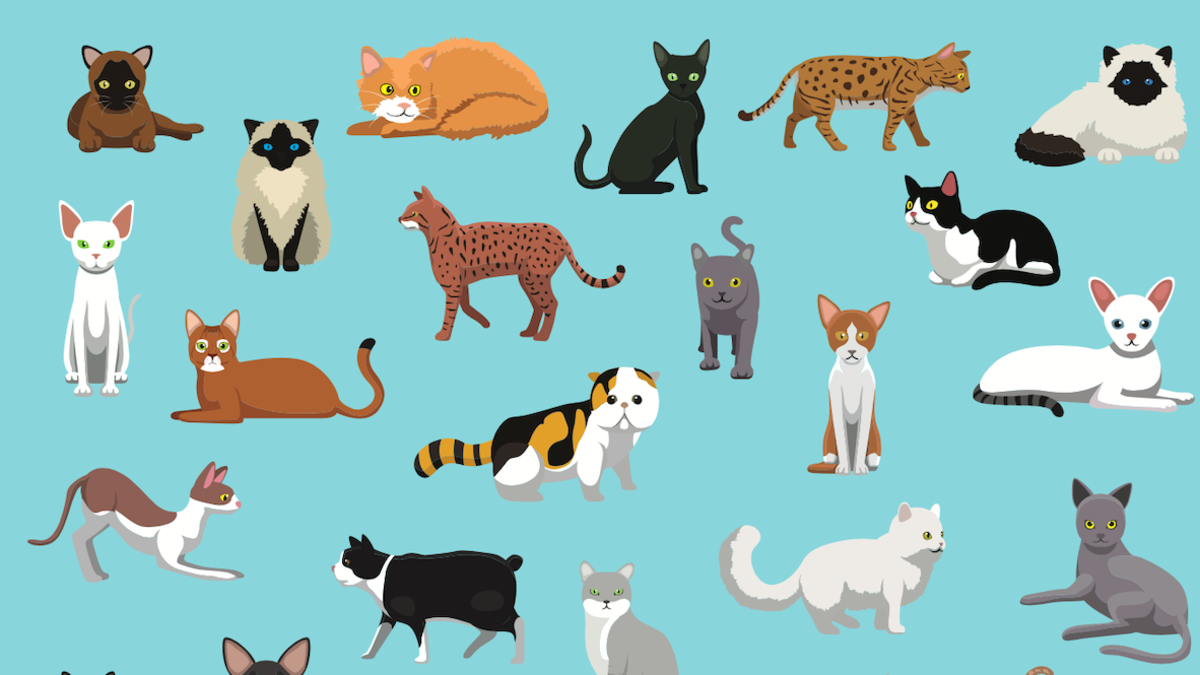
Capitalizing cat breeds depends on their origin and naming style. Some breed names are proper nouns and always start with a capital letter. This section shows examples of such cat breeds. Understanding these examples helps you write correctly.
Geographical Breed Names
Many cat breeds are named after places. These names come from cities, countries, or regions. Since they are proper nouns, they must be capitalized.
- Siberian
- Turkish Van
- Russian Blue
- Bengal
- Balinese
Each of these breed names includes a location. Always capitalize the place name in the breed.
Eponymous Breed Names
Some cat breeds are named after people. These are called eponymous names. They also require capitalization.
- Birman (from the French word “Birmanie”)
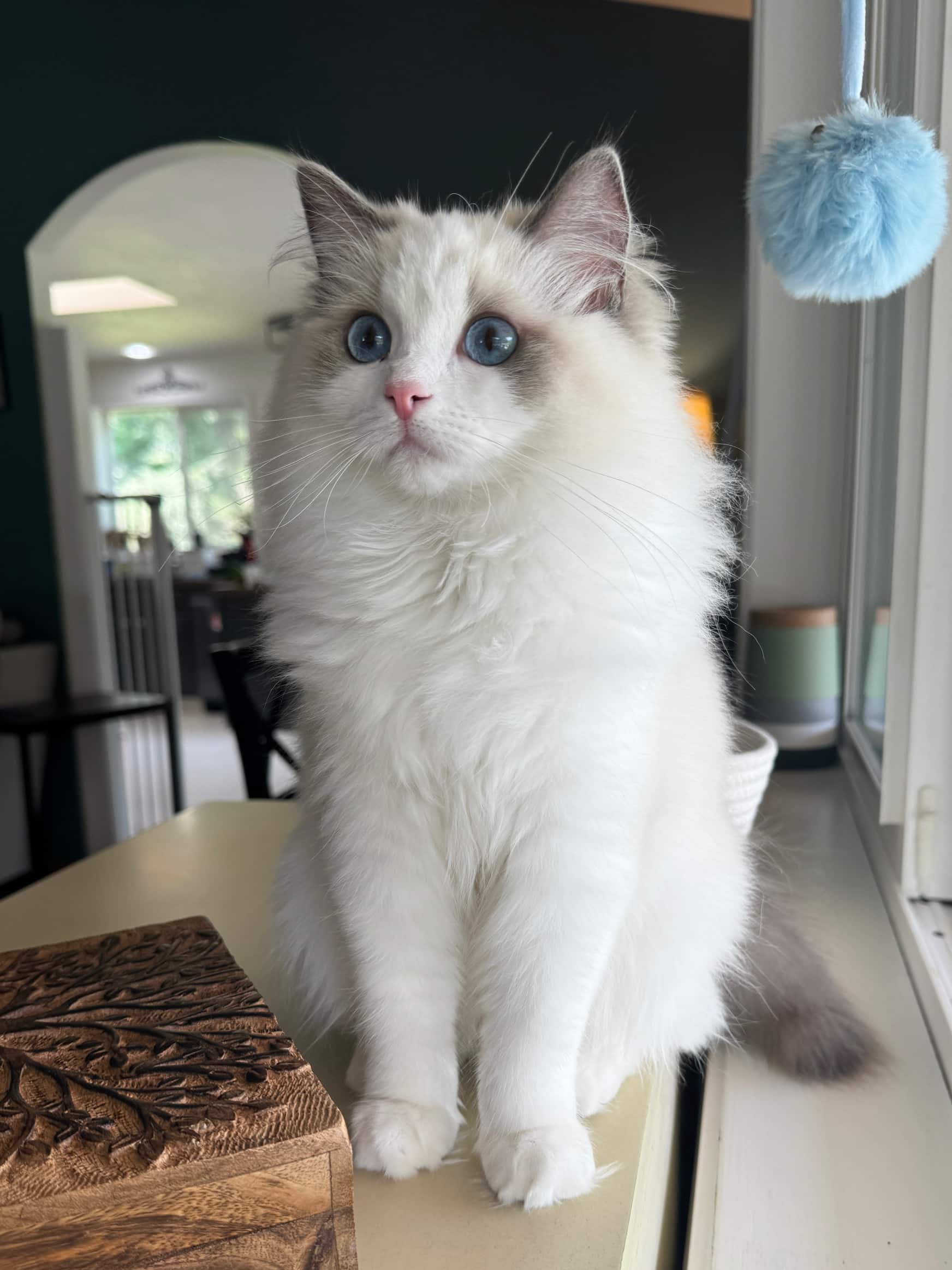
- Ragdoll (created by a breeder named Ann Baker)
- Havana Brown (named after the Havana cigar)
Capitalizing these names shows respect for the origin or creator.
Instances When Not To Capitalize
Cat breeds are not capitalized when used as common nouns, like “a tabby cat. ” Only proper names or formal breed names get capital letters. This keeps writing clear and consistent.
Understanding when not to capitalize cat breeds can be a bit tricky, especially if you’re a cat lover who enjoys chatting about different feline friends. Yet, mastering these rules is simpler than it seems. You’ll find that some instances require a lowercase approach, even when discussing our beloved furry companions.Generic References To Cats
When you’re casually talking about cats and not specifying a breed, there’s no need to capitalize. For example, if you’re discussing how much you adore fluffy cats, you don’t need to capitalize “fluffy” because it’s not a specific breed. It’s just a descriptive term used to express a characteristic that many cats might share. It’s similar to how you might refer to cats as “playful” or “curious.” These are generic references that describe cats in general, without pinpointing a specific breed. So, the next time you’re writing about your love for agile cats, remember that “agile” stays lowercase.Descriptive Terms Vs Breed Names
Distinguishing between descriptive terms and actual breed names is key. While a breed like “Siamese” is capitalized, a term like “tabby” isn’t, unless it’s part of a specific breed name like “American Shorthair Tabby.” Imagine you’re describing your neighbor’s cat, which has a soft, striped coat. If you’re not talking about a specific breed, the term “striped” would be in lowercase. This keeps your writing clear and focused. Consider this: If you call a cat “a beautiful ginger,” you’re using a descriptive term. However, if you refer to it as a “British Shorthair,” then capitalization is required for the breed name. This subtle difference helps convey precision in your writing. Next time you’re writing about your feline friends, ask yourself if you’re naming a breed or just describing a trait. This question will guide you in capitalizing correctly and keeping your writing precise.
Credit: www.petco.com
Common Mistakes In Capitalizing Cat Breeds
Capitalizing cat breeds can be tricky, and many people make common mistakes without realizing it. These errors often stem from confusion between breed names, colors, and general cat types. Understanding these mistakes helps you write more accurately and professionally.
Mixing Breed And Color Terms
One common error is mixing up breed names with color descriptions. For example, “Siamese”should always be capitalized because it’s a breed name, but “seal point”is a color pattern and should be lowercase.
People often write something like “Seal Point Siamese” with inconsistent capitalization. The right way is to capitalize the breed, “Siamese,” but keep the color term lowercase.
Think about this: if you say “black Labrador,” you don’t capitalize “black” because it’s a color, not part of the breed’s official name. This distinction keeps your writing clear.
Confusing Breed Names With Cat Types
Another mistake is confusing breed names with general cat types or categories. Words like “domestic shorthair” or “tabby” are not breeds but types or patterns, so they shouldn’t be capitalized.
People sometimes capitalize these terms as if they were breeds, which can mislead readers. For instance, writing “Domestic Shorthair” makes it look like a formal breed name, but it’s not.
Ask yourself: is this a registered breed or just a description? This question helps you decide whether to capitalize or not.
Tips For Consistent Capitalization
Keeping capitalization consistent in cat breed names helps your writing look professional. It also makes your content easier to read and understand. Small details like this build trust with your readers. Use clear rules to decide when to capitalize breed names. This section shares simple tips to keep your capitalization steady.
Consulting Style Guides
Style guides give clear rules for writing and capitalization. They show which words should be capitalized and which should not. For cat breeds, guides like the Chicago Manual of Styleor AP Stylebookoffer useful advice. Follow their rules for animal and breed names. This keeps your writing uniform across different articles.
Many guides suggest capitalizing proper nouns only. Breed names often act like proper nouns, so they get capitalized. Checking a style guide stops guesswork and avoids mistakes.
Using Reliable Sources For Breed Names
Reliable sources help confirm the correct spelling and capitalization of cat breeds. Trusted websites like cat registries and breed clubs list breed names properly. Examples include The International Cat Association (TICA) and Cat Fanciers’ Association (CFA).
Compare your spelling and capitalization with these sources. This ensures you use the correct form every time. Keep a list of breed names from these sites for quick reference.
- Check breed names on official cat association websites
- Note capitalization rules used by these organizations
- Update your writing style based on trusted examples
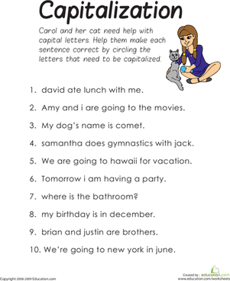
Credit: www.education.com
Frequently Asked Questions
Do You Capitalize Cat Breed Names?
Yes, cat breed names are capitalized as proper nouns. Capitalizing them shows respect for the breed’s origin and standard naming conventions. For example, “Siamese” and “Maine Coon” should always be capitalized in text.
Are Cat Breed Names Proper Nouns?
Cat breed names function as proper nouns because they identify specific breeds. Proper nouns always begin with a capital letter. This rule applies whether you’re writing about one breed or multiple.
Should I Capitalize Cat Breeds In Titles?
Yes, capitalize cat breed names in titles and headings. This practice improves readability and SEO. Capitalization helps emphasize key terms like “Persian” or “Bengal” in your blog post titles.
Is “cat Breed” Capitalized In Sentences?
No, the phrase “cat breed” is not capitalized unless it starts a sentence. Only the specific breed names following it need capitalization. For example, “The Siamese cat breed is popular. ”
Conclusion
Capitalizing cat breeds helps readers know they are proper names. Always start breed names with a capital letter. It shows respect and keeps writing clear. This small rule improves your text’s quality. Use it every time you write about cats.
Clear writing makes your message easy to understand. Simple rules like this make a big difference. Keep practicing, and your writing will shine.

Leave a Reply