Have you ever noticed how your older cat pulls away when a younger cat tries to groom them? It might seem puzzling or even a little rude.
But there’s more going on beneath the surface than you might think. Understanding why older cats resist grooming from younger ones can help you create a calmer, happier home for all your furry friends. Keep reading, and you’ll discover the surprising reasons behind this behavior—and what you can do to make things better for your cats.
Cat Grooming Basics
Cat grooming is more than just keeping clean. It helps cats stay healthy and calm. Cats use grooming to remove dirt and loose fur. It also cools them in warm weather. Grooming plays a big role in their daily life and social habits.
Role Of Grooming In Cat Behavior
Grooming shows a cat’s mood and health. Cats groom themselves to feel relaxed. It can reduce stress and tension in their body. Grooming also helps cats bond with others. A cat that grooms often is usually happy and healthy.
Social Grooming Among Cats
Social grooming means cats clean each other. It builds trust and friendship between cats. Cats often groom close family or friends. It helps keep their group together and peaceful. Older cats may avoid grooming from younger ones. They set limits based on trust and respect.
Age And Grooming Dynamics
Age plays a big role in how cats interact through grooming. Older cats often change their grooming habits. These changes affect how they accept grooming from younger cats. Understanding these dynamics helps explain why older cats might resist younger ones.
Changes In Grooming Habits With Age
As cats grow older, their grooming habits slow down. They might clean themselves less often. Joint pain or stiffness can make grooming harder. Older cats may miss spots or not reach certain areas. Their fur can become dull or matted. These changes affect how they feel about being groomed by others.
Older Cats’ Grooming Preferences
Older cats often prefer to groom themselves rather than be groomed. They may not trust younger cats to groom them properly. Some older cats find grooming from younger cats stressful. They prefer calm and gentle interactions. Grooming is also a social activity, and older cats may not want to share this with younger, more energetic cats.
Territorial And Social Factors
Cats have complex social and territorial dynamics. Older cats often resist grooming from younger cats due to these factors. Territorial and social elements play a crucial role in their interactions. Understanding these can help explain their behavior.
Territorial Boundaries In Multi-cat Homes
Cats are territorial by nature. They establish their own spaces within a home. Older cats often have designated areas they consider theirs. Younger cats may unintentionally invade these spaces. This can lead to tension. Older cats may see grooming attempts as a breach of territory. They might react defensively, rejecting grooming from younger cats.
Social Hierarchy And Grooming Access
Social hierarchy is another crucial factor. In a multi-cat environment, older cats usually hold higher social status. Grooming is not just about cleanliness. It’s a sign of trust and social bonding. Older cats may not allow younger ones to groom them due to this hierarchy. They might only accept grooming from those they see as equals or superiors.
Understanding these dynamics helps in managing cat interactions better. It reduces stress and fosters a harmonious environment.

Credit: catgroomerla.com
Health And Sensory Considerations
Older cats often react differently to grooming attempts from younger cats. This behavior can be linked to their health and sensory changes as they age. Understanding these factors helps you see why your senior cat might resist younger feline friends trying to groom them.
Sensitivity To Touch In Older Cats
As cats get older, their skin and fur become more sensitive. You might notice your senior cat flinching or pulling away from gentle touches that didn’t bother them before. This increased sensitivity can make grooming from another cat uncomfortable or even painful.
Think about your own experience when a small bruise or sore spot makes even a light touch unpleasant. Older cats face similar issues, so they might avoid grooming interactions to protect themselves.
Have you observed your older cat avoiding petting in certain areas? This could be a clue that their sensory tolerance has changed.
Health Issues Affecting Grooming Behavior
Several health problems common in aging cats impact their grooming habits and social acceptance of grooming. Arthritis, for example, can make it painful for them to move into positions needed for self-grooming or to tolerate grooming from others.
Dental problems and skin conditions are other culprits. Pain or discomfort from these issues might cause your older cat to be less patient with younger cats trying to groom them.
Keeping an eye on your cat’s health and consulting your vet regularly can help identify these problems early. When you understand what your cat is going through physically, you can better respect their boundaries and provide the care they need.
Stress And Comfort Levels
Stress and comfort levels play a big role in how older cats react to younger cats grooming them. Older cats may feel uneasy or stressed by the younger cat’s actions. This can make them less willing to accept grooming from others.
Understanding these feelings helps explain why older cats often avoid grooming by younger cats. Their comfort zone is smaller, and changes can cause tension or anxiety.
Stress Triggers In Older Cats
- Changes in environment can cause stress.
- Unexpected touch or rough grooming can startle them.
- Loud noises or sudden movements increase anxiety.
- Younger cats’ energy levels may overwhelm older cats.
- Health issues can make grooming uncomfortable.
Stress causes older cats to feel vulnerable. They may react by avoiding contact or grooming.
Comfort Zones And Grooming Acceptance
- Older cats like familiar routines.
- They prefer gentle and slow grooming.
- Personal space is very important.
- Trust builds over time with calm interactions.
- Respecting boundaries helps keep them relaxed.
When younger cats respect these comfort zones, older cats might allow grooming. Patience and gentle behavior improve acceptance.

Credit: www.feliway.co.uk
How To Encourage Grooming Between Cats
Encouraging grooming between older and younger cats helps build trust and friendship. Grooming is a natural way cats bond and feel safe together. Creating a calm and friendly space can make cats more open to grooming each other.
Creating A Positive Environment
Keep the home quiet and free from sudden noises. Provide plenty of cozy spots for cats to relax near each other. Use soft bedding and warm places where both cats like to rest. Ensure food and water bowls are separate but close enough to encourage sharing.
Give each cat enough attention and playtime to reduce stress. Avoid forcing interactions; let cats approach at their own pace. Keep the litter boxes clean and in quiet areas. A calm environment helps cats feel comfortable and willing to groom.
Techniques To Foster Grooming Bonds
- Start by petting both cats gently in the same room.
- Use treats to reward calm and friendly behavior around each other.
- Encourage play sessions that include both cats to build positive association.
- Place a soft brush near them to simulate grooming actions.
- Allow the younger cat to lick the older cat’s fur softly without pressure.
- Use pheromone diffusers to help reduce tension and promote relaxation.
- Observe their body language and stop if either cat shows signs of stress.
Patience is key. Trust and grooming bonds take time to develop naturally.
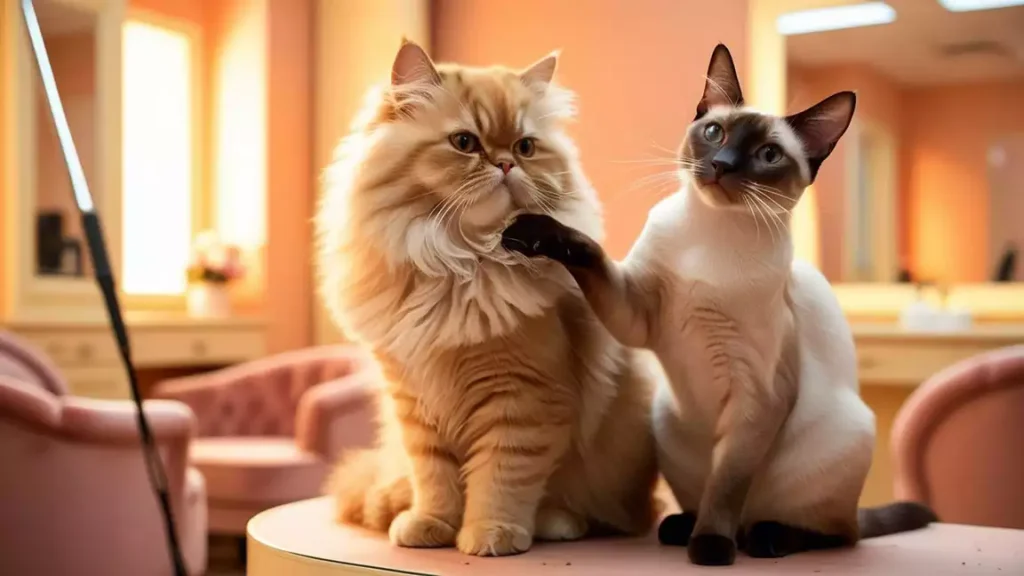
Credit: catgroomerla.com
Frequently Asked Questions
Why Don’t Older Cats Let Younger Cats Groom Them?
Older cats often prefer independence and may feel stressed by younger cats’ grooming attempts. They value personal space and may not trust the younger cat’s grooming skills.
How Does Grooming Affect Cat Social Hierarchy?
Grooming helps establish bonds and hierarchy. Older cats may refuse grooming to assert dominance or maintain status in the social group.
Can Grooming Refusal Indicate Health Issues In Older Cats?
Yes, older cats may refuse grooming if they have pain or discomfort. It’s important to check for arthritis or skin problems.
Does Grooming Behavior Differ Between Older And Younger Cats?
Yes, younger cats groom more actively to build bonds, while older cats groom less and prefer solitude or selective grooming partners.
Conclusion
Older cats often prefer to keep their distance from younger ones. They feel more independent and less patient. Grooming is a sign of trust, and it takes time to build. Younger cats need to respect this boundary. Understanding these behaviors helps pet owners care better.
Respecting each cat’s personality creates a peaceful home. Patience and gentle interaction can improve their bond over time. Every cat is different, and that’s okay. Trust grows slowly, and so does their friendship.

Leave a Reply