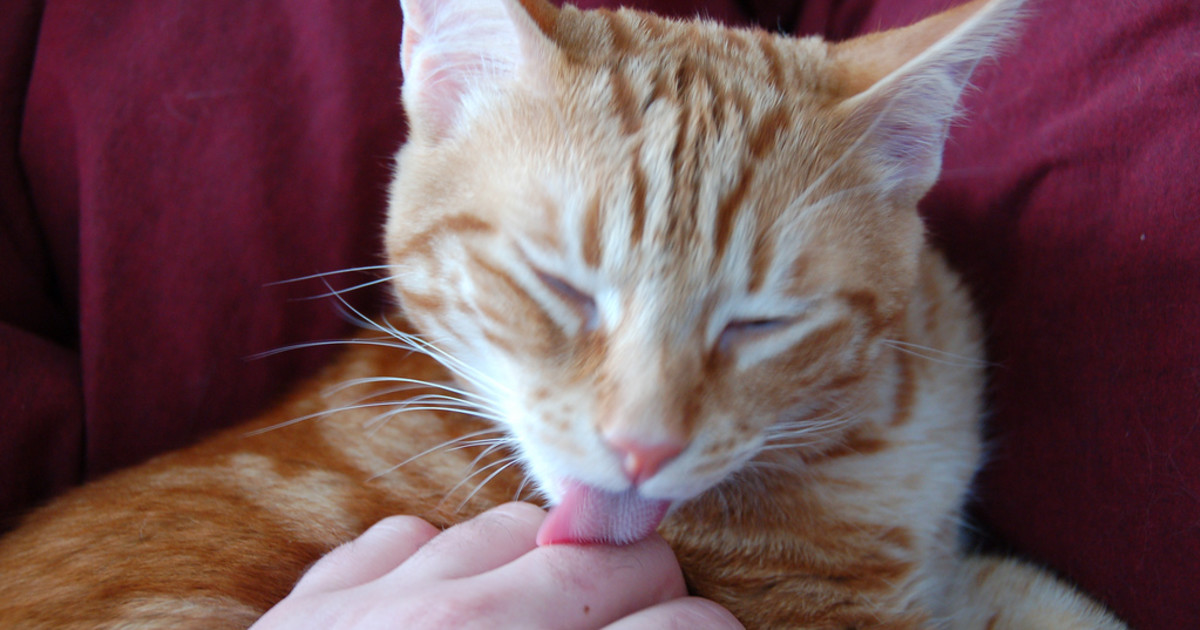
Have you noticed your older cat spending more time licking and grooming than usual? It might seem strange or even worrying.
You wonder if something is wrong or if your furry friend is just being extra clean. Understanding why your old cat behaves this way can help you take better care of them and keep them comfortable. Keep reading to discover the surprising reasons behind this behavior and what it means for your beloved pet’s health and happiness.
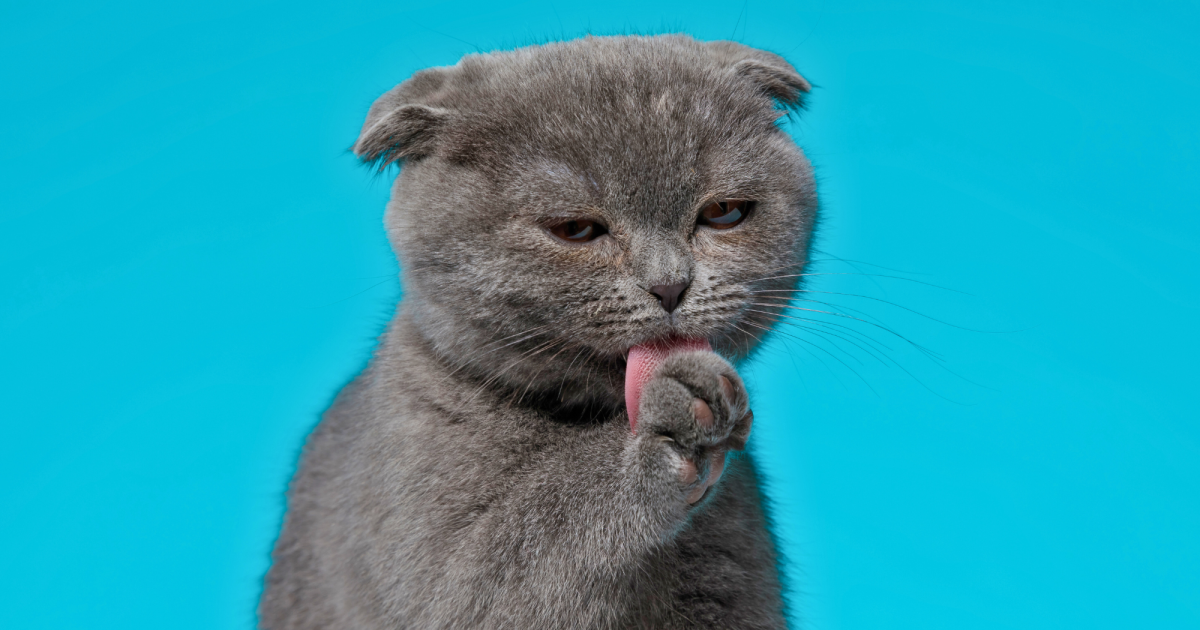
Credit: pethelpful.com
Common Reasons For Excessive Licking
Excessive licking in older cats can be puzzling and concerning. It’s a behavior that often signals something beyond just routine grooming. Understanding the common reasons behind this can help you address your cat’s needs more effectively and ensure their comfort.
Age-related Skin Changes
As cats age, their skin naturally becomes thinner and less elastic. This can lead to dryness, flakiness, and irritation, prompting more frequent licking. You might notice your cat focusing on certain areas that seem rough or itchy.
Older cats may also have a harder time grooming themselves thoroughly due to reduced flexibility or arthritis. This partial grooming can cause them to lick more, trying to compensate for missed spots. Have you observed your cat struggling to reach some parts of their body?
Allergies And Irritants
Just like people, cats can develop allergies or sensitivities over time. These can be triggered by food, environmental factors, or even flea bites. Allergies often cause itching, making your cat lick or bite at their skin to find relief.
Check if your cat’s environment has changed recently—new cleaning products, plants, or even different cat litter can cause irritation. Noticing redness, bumps, or hair loss along with licking can be a clear sign of an allergic reaction. What new factors could be affecting your cat’s skin?
Pain And Discomfort
Excessive licking can also be a way for your cat to soothe pain. Arthritis, injuries, or internal discomfort may cause them to focus on certain spots. This behavior is often more intense and persistent than regular grooming.
Watch for signs like limping, reluctance to move, or sensitivity when you touch specific areas. Your cat might be trying to manage pain through licking, which can sometimes worsen the problem by causing sores. Could your cat’s licking be a silent cry for help?
Stress And Anxiety
Stress isn’t just a human issue—cats experience it too, especially as their routines or environments change. Excessive licking can be a coping mechanism, similar to how some people bite their nails when anxious. It helps them self-soothe but can become a compulsive habit.
Common stress triggers include moving to a new home, the addition of new pets, or changes in your schedule. If your cat’s licking seems to spike during these times, consider providing extra comfort or calming aids. How might your cat’s environment be affecting their emotional well-being?
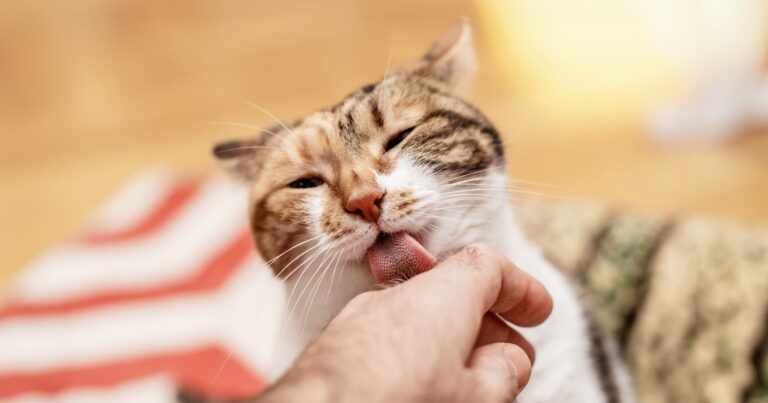
Credit: www.diamondpet.com
Health Issues Linked To Over-grooming
Over-grooming in older cats can signal underlying health problems. This behavior often arises from discomfort or pain. Identifying the cause helps in providing the right care.
Parasites And Infections
Fleas, mites, or skin infections cause intense itching. Cats scratch and lick to ease irritation. Persistent parasites damage the skin and create sores. Treating these pests quickly prevents further harm.
Arthritis And Joint Pain
Joint pain makes movement difficult for aging cats. Grooming hard-to-reach spots becomes painful. Cats may lick certain areas repeatedly due to discomfort. Managing arthritis reduces excessive grooming and improves comfort.
Dental Problems
Tooth pain affects a cat’s overall well-being. Mouth discomfort may lead to stress and licking other body parts. Dental disease can cause bad breath and swollen gums. Regular dental check-ups prevent these issues.
Hormonal Imbalances
Hormone changes impact a cat’s skin and coat health. Conditions like hyperthyroidism cause excessive grooming. Hormonal imbalances may also lead to hair loss and skin irritation. Veterinary tests help identify and treat these disorders.
Behavioral Causes Of Increased Grooming
Increased grooming in older cats often signals stress or boredom. They may lick more to comfort themselves or respond to changes in their environment. Sometimes, it’s a way to cope with pain or discomfort from aging.
Understanding why your old cat grooms excessively can be puzzling. Behavioral causes often lead to increased grooming habits. It’s important to identify these triggers. Let’s explore some key reasons behind this behavior.Boredom And Lack Of Stimulation
Cats need mental and physical stimulation. Without it, they can become bored. Boredom often results in excessive grooming. It becomes a repetitive activity. This habit can soothe their idle minds. Providing toys and interaction can help reduce this behavior.Changes In Environment
Cats are sensitive to changes. A new environment can trigger stress. Stress often leads to increased grooming. Moving to a new home or even rearranging furniture can unsettle them. Familiar scents and spaces provide comfort. Keeping their environment stable minimizes stress.Separation Anxiety
Cats can experience separation anxiety. They form strong bonds with their humans. When left alone, they may groom excessively. This behavior comforts them in their owner’s absence. Spending quality time together strengthens their sense of security.Signs Your Cat Needs Veterinary Care
Noticing your old cat constantly licking and grooming can be worrying. Sometimes, this behavior signals discomfort or health issues that need a vet’s attention. Recognizing the signs early can prevent minor problems from becoming serious.
Skin Lesions And Hair Loss
If your cat has bald patches, scabs, or red, inflamed skin, these are clear signs that something is wrong. Excessive licking can worsen these areas, causing pain and infection. Check if your cat is scratching more than usual or if there’s an unusual smell coming from the skin.
Have you noticed flaky skin or sores that don’t heal? These symptoms often require a vet to diagnose infections, allergies, or parasites. Don’t wait—skin problems can quickly escalate in older cats.
Changes In Eating Or Drinking
Pay attention if your cat suddenly eats less or drinks more water than usual. These shifts can indicate underlying health conditions like kidney disease or diabetes. Sometimes, discomfort from dental issues causes changes in eating habits.
Ask yourself: Is your cat avoiding food or struggling to chew? These subtle changes often go unnoticed but are important signals. A vet can perform tests to find the cause and suggest treatment to keep your cat comfortable.
Behavioral Shifts
Has your once calm cat become restless or withdrawn? Behavioral changes often accompany physical discomfort and illness. Increased grooming might be your cat’s way of coping with stress or pain.
Watch for signs like hiding, irritability, or vocalizing more than usual. These behaviors suggest your cat needs more than just a simple grooming session—they need a professional checkup. How well do you know your cat’s normal behavior? Noticing small changes can make a big difference.
Home Remedies To Soothe Your Cat
Home remedies can help calm your old cat’s constant licking and grooming. These simple changes improve comfort and reduce stress. You can try easy steps at home to support your cat’s well-being.
Regular Brushing And Bathing
Brushing removes loose fur and dirt. It also helps with dry skin and mats. Use a soft brush designed for cats. Bathing should be gentle and infrequent. Use a mild cat shampoo to avoid irritation. Regular grooming keeps the coat healthy and soothes itching.
Providing Enrichment And Toys
Keep your cat’s mind active with toys. Toys distract from excessive licking caused by boredom. Use puzzle feeders or small balls to encourage play. Rotate toys often to keep interest high. Mental stimulation reduces stress and promotes healthy habits.
Comfortable Resting Areas
Create cozy spots with soft bedding. Older cats need warm, quiet places to relax. Choose easy-to-clean beds placed in low-traffic areas. Add blankets for extra comfort. A calm space helps reduce anxiety and prevents over-grooming.
Medical Treatments For Over-grooming
When your old cat is constantly licking and grooming, it’s often a sign that something deeper is going on. Medical treatments can help manage over-grooming by addressing the root causes like allergies, pain, parasites, or behavioral issues. Understanding these treatment options can guide you in giving your furry friend the relief they need.
Medications For Allergies And Pain
Allergies and pain are common triggers for excessive grooming in older cats. Your vet may prescribe antihistamines or corticosteroids to reduce allergic reactions that cause itching. Pain relievers, such as non-steroidal anti-inflammatory drugs (NSAIDs), can ease discomfort from arthritis or injuries that lead your cat to lick areas obsessively.
These medications often show noticeable improvements within days. Have you noticed if your cat’s licking worsens after exposure to certain foods or environments? Sharing those details with your vet can help tailor the right treatment plan.
Parasite Control Options
Parasites like fleas and mites cause intense itching that drives cats to over-groom. Effective parasite control is essential to stop this cycle. Your vet might recommend topical treatments, oral medications, or special shampoos designed to eliminate these pests quickly.
Regular parasite prevention is also key. Even if your cat stays indoors, parasites can hitch a ride on you or other pets. Are you keeping up with your cat’s parasite prevention schedule to avoid flare-ups?
Behavioral Therapy Approaches
Sometimes, over-grooming is less about physical issues and more about stress or boredom. Behavioral therapy can help reduce anxiety-driven licking by enriching your cat’s environment. Toys, climbing trees, and regular playtime can redirect their focus and reduce obsessive grooming.
In some cases, your vet may suggest calming pheromone diffusers or prescribe anti-anxiety medications. Have you observed any changes in your cat’s routine or environment that could be causing stress? Identifying triggers is a crucial step in managing behavior-related over-grooming.
Preventing Over-grooming In Aging Cats
Over-grooming in aging cats can lead to skin problems and discomfort. Preventing this behavior helps keep your cat healthy and happy. Understanding the causes and taking action early is key to managing over-grooming effectively.
Routine Vet Checkups
Regular vet visits spot health issues early. Skin infections, allergies, or pain can cause over-grooming. The vet can recommend treatments or medications. Keep your cat’s vaccinations and parasite control up to date. Early detection prevents serious problems and reduces stress for your cat.
Balanced Nutrition
A healthy diet supports skin and coat health. Nutrient-rich food strengthens your cat’s immune system. Omega-3 and omega-6 fatty acids reduce inflammation. Avoid foods with fillers or artificial additives. Consult your vet for diet advice tailored to your cat’s age and health.
Stress Reduction Techniques
Stress often triggers over-grooming in cats. Create a calm and safe environment. Provide hiding spots and cozy resting areas. Use interactive toys to keep your cat mentally active. Maintain a consistent daily routine. Pheromone diffusers can help reduce anxiety. Small changes make a big difference in behavior.
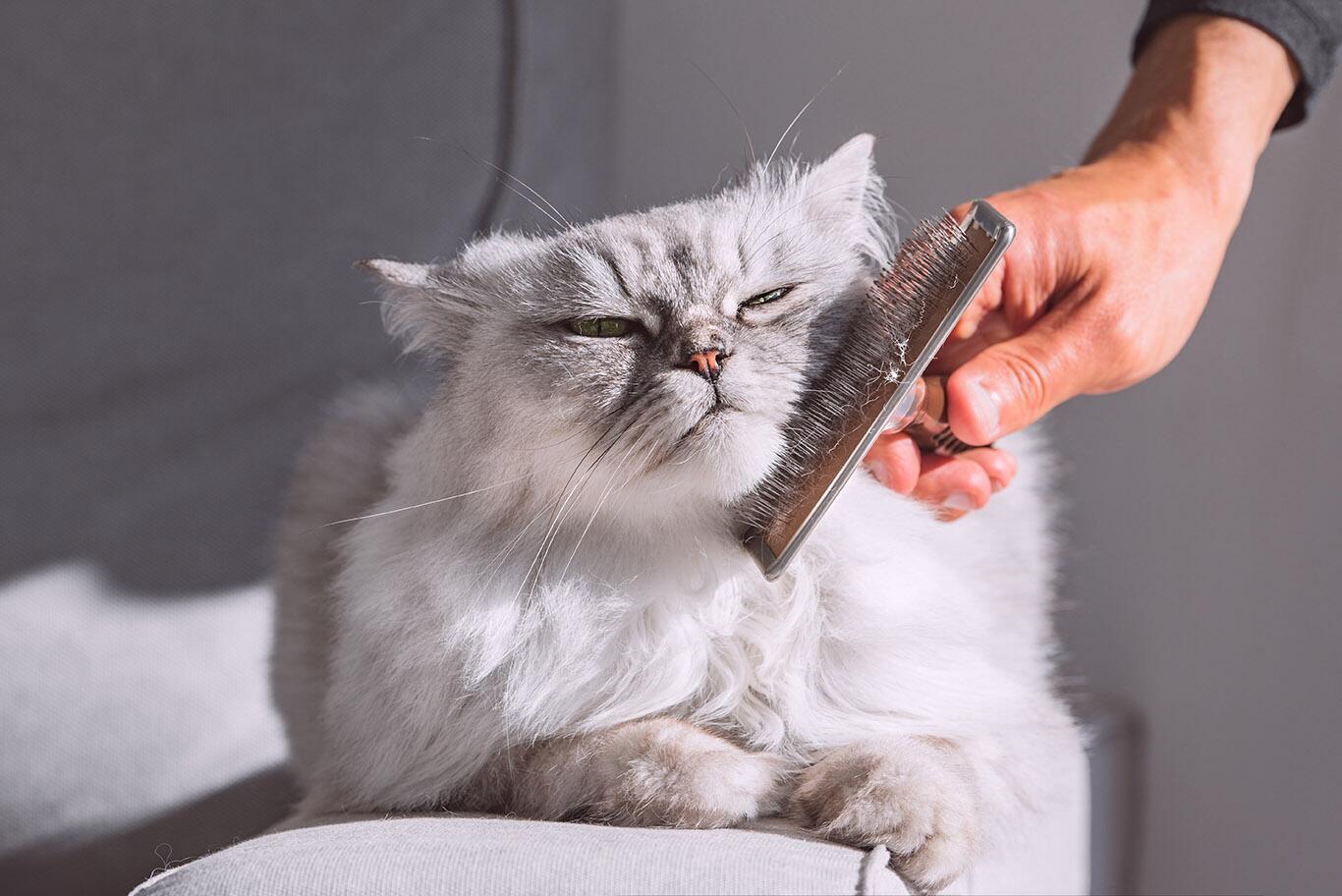
Credit: www.latimes.com
Frequently Asked Questions
Why Is My Old Cat Grooming Excessively?
Excessive grooming in older cats may signal stress, skin irritation, or underlying health issues. It’s important to check for fleas, allergies, or pain. Regular vet visits help identify causes and provide proper treatment to keep your cat comfortable and healthy.
Can Old Cats Get Lice Or Fleas More Easily?
Yes, older cats have weaker immune systems, making them more prone to lice and flea infestations. Regular grooming and preventive treatments are essential. If you notice constant scratching or licking, inspect your cat and consult a vet for appropriate care.
Does Aging Affect A Cat’s Grooming Habits?
Aging can change a cat’s grooming behavior due to reduced flexibility or dental issues. Older cats may groom less efficiently or more frequently in certain areas. Monitoring these changes helps detect health problems early and ensures your cat stays clean and comfortable.
How Can I Help My Old Cat With Grooming?
Assist your senior cat by brushing regularly to remove loose fur and dirt. Use gentle grooming tools and check for skin problems. Providing a calm environment and routine vet care supports their overall well-being and maintains healthy grooming habits.
Conclusion
Old cats lick and groom for many reasons. They may feel itchy or have dry skin. Grooming helps them stay clean and calm. Sometimes, health issues cause more licking than usual. Watch your cat closely for changes in behavior. A vet visit can find hidden problems early.
Helping your cat stay comfortable is important. Pay attention to their grooming habits every day. This care keeps your old cat happy and healthy. Simple steps make a big difference in their life.

Leave a Reply