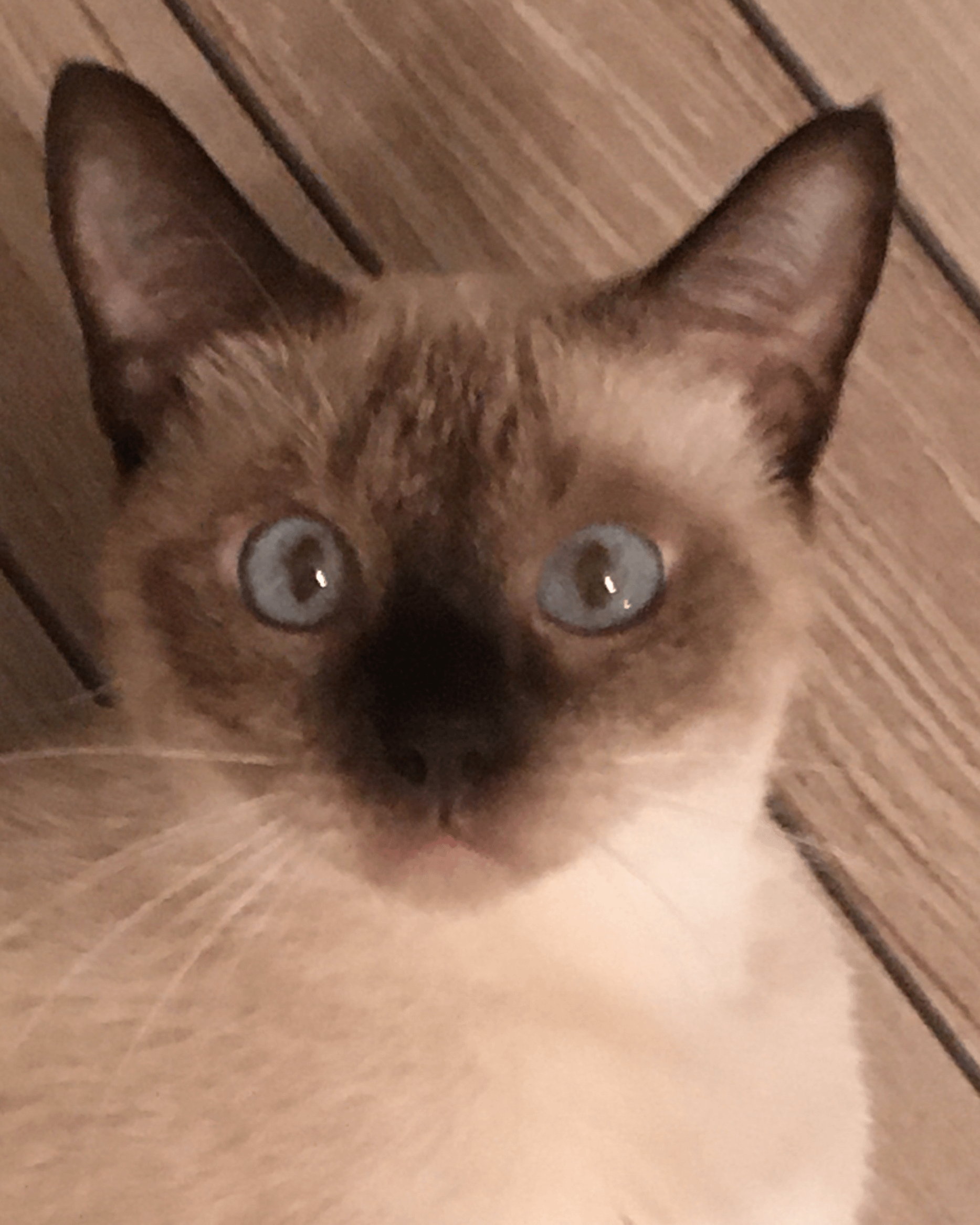
Have you ever noticed your cat licking your husband’s beard and wondered why? It’s a curious habit that can leave you scratching your head.
But there’s more to this behavior than just a random act. Your cat’s grooming of the beard says a lot about their feelings and instincts. Keep reading to discover the surprising reasons behind this quirky act and what it means for your furry friend and your family.
Understanding this can deepen the bond you share with your cat and bring new warmth to your home.

Credit: www.youtube.com
Cat Grooming Behavior
Have you ever noticed your cat licking your husband’s beard and wondered why? Cat grooming behavior is more than just a way for felines to stay clean. It’s a form of communication and connection that reveals a lot about your cat’s feelings and instincts.
Natural Grooming Instincts
Cats groom themselves to remove dirt and loose hair. This behavior helps them stay healthy and comfortable. When your cat grooms your husband’s beard, they are following the same instinct to clean and care.
But it’s not just about cleanliness. Grooming releases endorphins that calm your cat. It’s a soothing activity that makes them feel safe and relaxed. Have you noticed how your cat purrs while grooming? That’s a clear sign of contentment.
Social Bonding Through Grooming
Cats also groom each other to build social bonds. This behavior, called allogrooming, strengthens trust and friendship within a group. When your cat grooms your husband’s beard, they’re including him in their social circle.
This act says, “You are part of my family.” It’s a way for your cat to show affection and acceptance. Think about it: Would your cat groom someone they didn’t trust or feel close to?
Next time your cat licks your husband’s beard, watch for other signs of affection. It could be a unique way your pet expresses love and connection.

Credit: www.youtube.com
Attraction To Beard Texture
Cats are naturally drawn to textures that feel comforting and familiar. When a cat grooms a husband’s beard, it’s often because the beard’s texture offers something unique and appealing. Understanding this attraction can help you see your feline’s behavior in a new light.
Softness And Warmth Appeal
Beards often have a softness that cats find soothing. This softness mimics the gentle fur they groom on themselves or their companions. The warmth trapped within a beard adds another layer of comfort, making it a cozy spot for your cat to focus on.
Have you noticed how your cat curls up near your face during chilly mornings? That same warmth and softness in your beard can encourage grooming as a way for your cat to share that comfort. It’s almost like your cat is saying, “This feels good, so I want to take care of it.”
Beard As A Fur Substitute
To a cat, a beard can feel like a patch of fur on a human body. This resemblance makes it an easy target for grooming, especially if your cat is used to licking and cleaning fur regularly. The beard texture provides a familiar sensory experience.
This might explain why some cats are more attracted to beards than clean-shaven faces. If your cat spends time grooming their own fur or other pets, they might treat your beard the same way. Think about how this behavior strengthens your bond by including you in their grooming routine.
Scent And Familiarity
Cats are known for their grooming habits. It’s a form of bonding and comfort. When cats groom a husband’s beard, it’s often tied to scent and familiarity. This act goes beyond simple grooming. It speaks to the deep bond between a cat and its owner.
Owner’s Unique Scent
Cats recognize their owners by smell. A beard can carry a familiar scent. This scent helps cats feel secure and connected. They may associate the beard’s smell with warmth and safety. Grooming the beard reinforces these feelings. It’s a way for cats to show affection and deepen their bond.
Beard Retaining Familiar Smells
Beards can hold onto different smells. This includes the owner’s natural scent and daily activities. Cats enjoy these familiar smells. They find comfort in the consistency. Grooming a beard helps cats explore these scents. It’s their way of staying close to their owner. This behavior shows trust and familiarity.
Marking Territory
Cats use grooming to mark their territory in subtle ways. When a cat grooms a husband’s beard, it’s not just about cleanliness. It’s a way to leave their personal scent on someone they trust. This behavior shows a deep bond and helps the cat feel secure.
Scent Marking Behavior
Cats have special scent glands on their face and head. When they rub or lick, they deposit their scent. This scent acts like a silent message to other animals. It says, “This person belongs to me.” Grooming the beard spreads this scent clearly because the beard is close to the face.
Establishing Ownership
By grooming the beard, cats claim their human as part of their territory. It helps the cat feel safe and confident. The cat sees the person as part of their family group. This act reduces stress and strengthens the bond. It shows love and loyalty in a quiet, natural way.
Comfort And Security
Comfort and security play a huge role in why your cat might groom your beard. Cats seek out places where they feel safe and relaxed, and your beard can become a special zone of calm for them. This behavior isn’t just about hygiene—it’s about trust and a sense of belonging.
Soothing Grooming Rituals
Grooming is a natural way for cats to calm themselves and bond with others. When your cat licks your beard, it mimics the gentle grooming they do with their feline family. This repetitive action releases calming hormones that reduce stress for both your pet and you.
Have you noticed how your cat’s purring often accompanies this behavior? That’s a clear sign they feel peaceful and secure. You can think of your beard as a cozy, familiar spot where your cat feels emotionally safe.
Beard As A Cozy Spot
Your beard offers more than just a surface to groom—it provides warmth and texture that cats love. The soft hair is similar to the fur of other cats, which makes your beard a comforting place for your feline friend to settle.
Because beards often retain your scent, they create a familiar environment that reassures your cat. It’s like a living security blanket, blending your presence with a tactile comfort your cat craves.
Next time your cat nuzzles into your beard, ask yourself: How can I strengthen this bond and make my cat feel even safer? Small gestures like gentle petting during grooming can deepen your connection and create a shared moment of calm.
Potential Health Benefits
When your cat grooms your husband’s beard, it’s more than just a quirky habit. This behavior carries potential health benefits for both your cat and your husband. Understanding these benefits can help you appreciate why this interaction is so meaningful.
Stress Relief For Cats
Grooming is a natural stress-relieving activity for cats. When your cat licks your husband’s beard, it mimics the social grooming they do with other cats to calm themselves. This act lowers their anxiety and makes them feel safe.
If you notice your cat seeking out this behavior during tense moments, it’s their way of managing stress. Have you ever seen a cat groom a calm person versus a stressed one? The difference in frequency can be surprising.
Strengthening Cat-human Bond
Grooming your husband’s beard is a strong sign of trust and affection from your cat. Cats usually groom those they feel close to, so this behavior helps deepen their bond with your husband. It’s like a silent communication of friendship.
This simple act can lead to more positive interactions, making your cat more comfortable around humans. When your cat grooms your husband, it encourages mutual respect and companionship. Could this be a way to improve your own relationship with your cat?
When To Be Cautious
Cat grooming on a husband’s beard can be cute and amusing. Yet, it’s important to watch for signs that suggest caution. Cats may groom to show affection or curiosity, but too much can cause problems. Observing your cat’s behavior helps keep both your pet and beard safe.
Signs Of Over-grooming
- Cat licks the beard repeatedly for long periods
- Beard hair looks thinner or patchy
- Cat seems restless or anxious while grooming
- Grooming sessions become more frequent and intense
Over-grooming might stress the cat or harm the beard hair. Notice these signs early to avoid discomfort or damage.
Possible Skin Irritations
- Redness or swelling on the skin beneath the beard
- Dry, flaky patches or dandruff appearing
- Itching or discomfort felt by the husband
- Small sores or scabs forming under the beard
Skin irritation can develop from constant licking. It may lead to infections if untreated. Check the skin regularly and keep it clean and moisturized.

Credit: stockcake.com
Frequently Asked Questions
Why Does My Cat Groom My Husband’s Beard?
Cats groom your husband’s beard as a sign of affection and bonding. The beard mimics fur texture, making it comforting. Grooming also marks territory by mixing scents, showing trust and attachment.
Is Beard Grooming A Sign Of Cat Affection?
Yes, beard grooming is a strong sign of feline affection. Cats groom those they trust and feel close to, creating social bonds and showing love.
Can Beard Grooming Indicate Cat’s Stress Or Anxiety?
Beard grooming is usually a positive behavior, not stress-related. However, excessive grooming might signal anxiety or compulsive behavior needing attention.
Do Cats Prefer Grooming Beards Over Other Facial Hair?
Cats often prefer grooming beards because they resemble their own fur. The texture and length make it easier and more appealing for grooming.
Conclusion
Cats groom their owner’s beard to show love and trust. It feels like a safe, familiar place for them. This behavior also helps cats bond closely with their humans. Grooming can calm cats and make them feel happy. It’s a simple way cats share affection without words.
Understanding this helps owners appreciate their pet’s unique ways. Next time your cat licks your beard, remember it means they care. Small actions like these build strong connections between pets and people. Enjoy the special moments your cat creates with you.

Leave a Reply