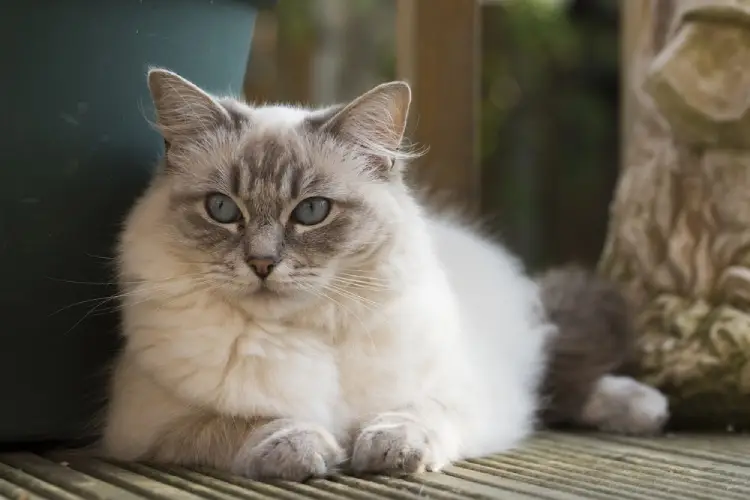
Have you ever caught your cat staring right into your eyes and wondered if it means something special? You might be surprised to learn that some cat breeds actually enjoy keeping eye contact more than others.
Understanding this can change the way you connect with your furry friend and deepen your bond. You’ll discover which cat breeds love eye contact and what their gaze really says about their feelings toward you. Keep reading to unlock the secret language of your cat’s eyes!
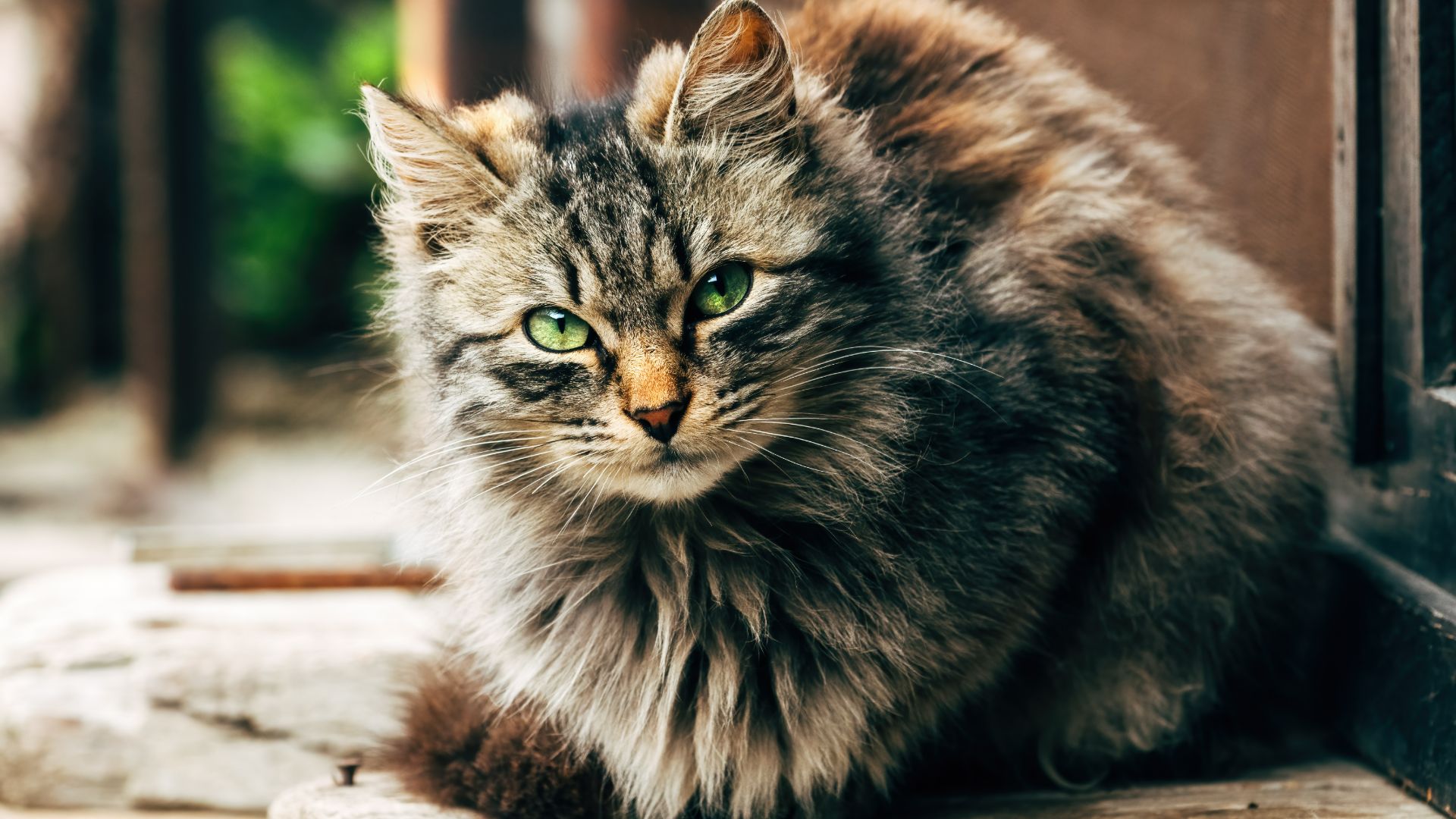
Credit: www.petsradar.com
Cats And Eye Contact
Eye contact with cats can feel different from other pets. Many cat owners notice their cats avoid direct staring. Understanding why cats behave this way helps improve communication. Cats use their eyes to send messages, but their signals are subtle. Reading these signs can deepen your bond with your feline friend.
Why Cats Avoid Staring
Cats often see staring as a threat. In the wild, direct eye contact can mean challenge or danger. To stay safe, cats usually look away or blink slowly. Avoiding a hard stare helps keep peace. It shows they are not aggressive or scared. Cats use this behavior to protect themselves and others.
What Eye Contact Means To Cats
Eye contact means different things for cats than humans. A quick glance can show curiosity or attention. Slow blinking is a sign of trust and relaxation. Cats may use soft eye contact to say they feel safe. They also watch closely to learn about their surroundings. Understanding these signals builds better communication with your cat.
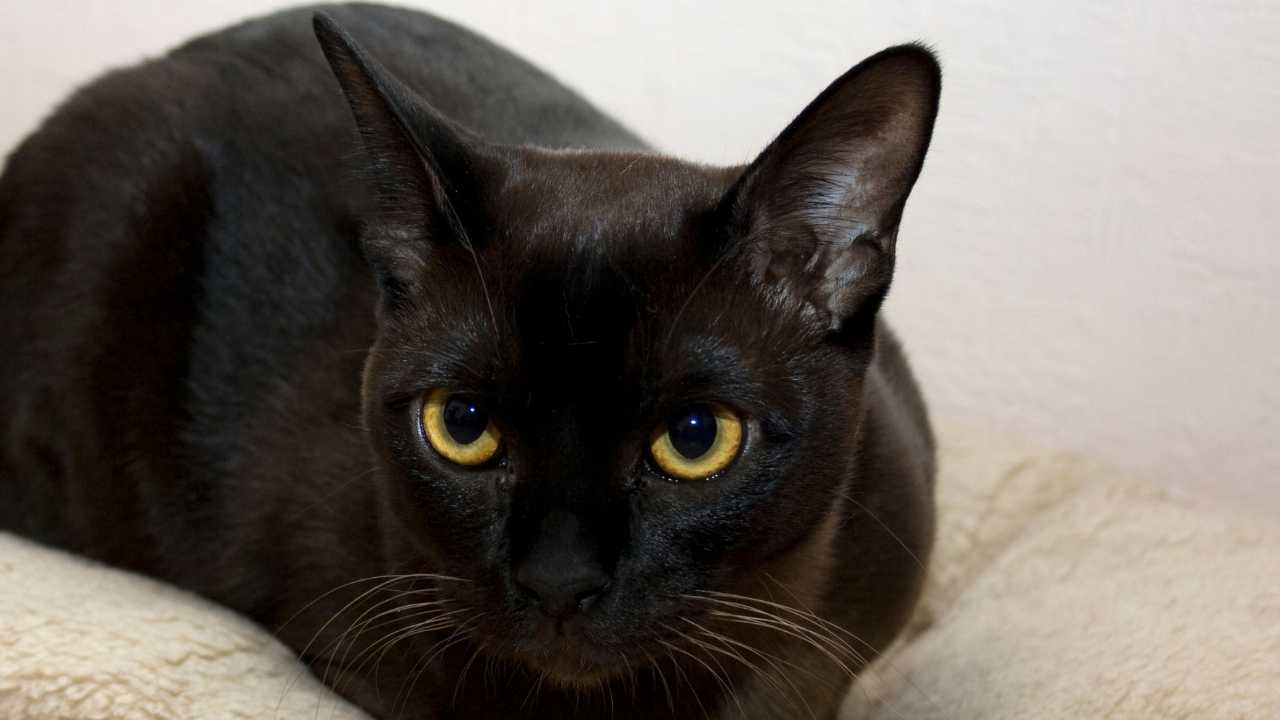
Credit: worldanimalfoundation.org
Breeds That Enjoy Eye Contact
Certain cat breeds enjoy making eye contact more than others. Eye contact can show trust, curiosity, or connection. Some cats use it to communicate with their humans. Understanding which breeds like eye contact helps build strong bonds.
These breeds often seek interaction and enjoy watching your face closely. They may stare gently, waiting for a response. Eye contact feels natural and comforting to them.
Sphynx: The Social Eye
The Sphynx cat loves being noticed. This breed is very social and craves attention. They often stare at you to share their feelings. Their large eyes and lack of fur make their gaze stand out. Eye contact is a way for them to connect deeply.
Siamese: Expressive And Communicative
Siamese cats are talkative and expressive. They use eye contact to express their moods. Their almond-shaped eyes often lock with yours in silent conversation. This breed enjoys mutual eye contact as part of their unique communication style.
Maine Coon: Gentle Giants
Maine Coons are large but gentle. They look at you calmly, showing trust. Their soft, steady gaze feels warm and reassuring. These cats enjoy quiet moments of eye contact with their owners. It strengthens their bond without needing words.
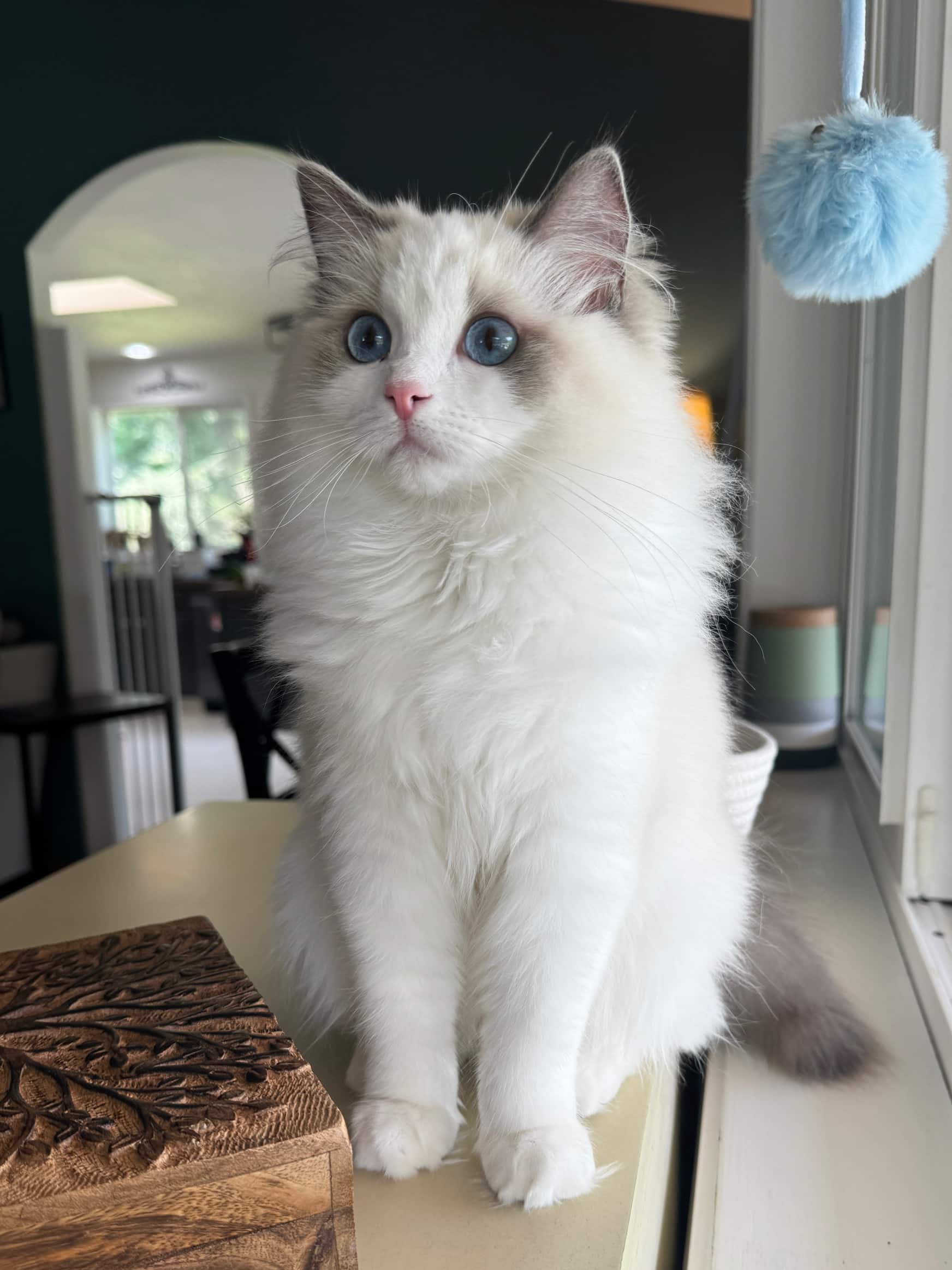
Ragdoll: Calm And Trusting
Ragdolls are known for their calm nature. They hold steady eye contact to show trust and affection. Their relaxed stare means they feel safe. This breed often closes the gap between you with gentle looks. Eye contact is a sign of their peaceful bond.
Behavioral Traits Influencing Eye Contact
Cats communicate in many ways, and eye contact is one of them. Understanding the behavioral traits influencing eye contact can enhance your relationship with your feline friend. Different factors, such as temperament, socialization, and individual differences, play roles in how cats perceive and maintain eye contact.
Temperament And Personality
Each cat’s temperament influences its comfort with eye contact. Some breeds are naturally more social and enjoy engaging with their human companions. Breeds like Siamese and Ragdoll are known for their affectionate natures. They often maintain eye contact to express trust and curiosity. On the other hand, more independent breeds might avoid prolonged gazes. They may see it as a challenge or threat.
Early Socialization Effects
Early socialization impacts a cat’s view on eye contact. Kittens exposed to humans and other animals early tend to be more comfortable. They learn to interpret eye contact as part of social interaction. If a kitten grows up in isolation, it might find eye contact intimidating. It might not recognize it as a friendly gesture. Positive experiences in early life encourage open communication.
Individual Cat Differences
Each cat is unique, with its own comfort level with eye contact. Some cats might enjoy a gentle gaze, while others prefer less direct interaction. Observing your cat’s body language can offer clues. A relaxed posture with slow blinks indicates comfort. Averting eyes or tense muscles may suggest discomfort. Understanding these signals can help strengthen your bond.

Credit: gladdogsnation.com
Eye Contact As A Bonding Tool
Eye contact between cats and humans is more than a simple glance. It acts as a powerful tool for building trust and connection. Cats use their eyes to communicate feelings without words. Understanding these signals helps deepen the bond with your feline friend.
Slow Blinking And Trust
Slow blinking is a common way cats show trust. When a cat slowly closes and opens its eyes while looking at you, it means they feel safe. This gentle gesture is like a cat’s way of saying “I trust you.” You can try slow blinking back to show your love. This simple act helps create a calm and loving atmosphere.
How Eye Contact Builds Relationships
Eye contact helps cats and owners understand each other better. Direct, steady eye contact might feel intense for cats. But soft, relaxed eye contact can strengthen your relationship. Cats notice your eyes and body language. They read your emotions through your gaze.
- Eye contact signals attention and care.
- It helps cats feel seen and valued.
- Regular eye contact can reduce a cat’s stress.
Respect your cat’s comfort level. Let them decide how much eye contact feels right. This respect builds a healthy, trusting friendship.
When Eye Contact Signals Stress
Eye contact is a powerful way cats communicate. Sometimes, it shows trust and affection. Other times, it signals stress or discomfort. Knowing the difference helps build a better bond with your cat.
Signs Of Discomfort
Cats show stress through their eyes and body language. Watch for these signs:
- Dilated pupils that look large and round
- Avoiding direct eye contact or quickly looking away
- Rapid blinking or slow blinking, which can mean uncertainty
- Flattened ears or twitching tail
- Tense body posture or crouching low
These signs mean your cat feels uneasy or threatened.
Respecting Boundaries
Respect your cat’s signals. Avoid staring or forcing eye contact.
Give your cat space if it looks stressed. Let it approach you first.
Use soft blinks to show friendliness. This helps your cat feel safe.
Understanding your cat’s limits builds trust and reduces stress.
Tips For Encouraging Positive Eye Contact
Encouraging your cat to maintain positive eye contact can deepen your bond and improve communication. It takes time and attention to learn how your feline friend responds to your gaze. The right approach helps your cat feel safe and more willing to engage with you visually.
Patience And Gentle Interaction
Start by observing how your cat reacts when you look at them. If they seem uncomfortable, avoid staring directly for long periods. Instead, try soft glances and give them space to adjust.
Touch plays a role too—gentle petting while maintaining brief eye contact can help. Remember, your calm energy invites trust, so stay relaxed and avoid sudden movements.
Using Slow Blinks
Slow blinking is a silent way cats communicate affection and trust. Try slowly closing and opening your eyes while looking at your cat. This mimics their natural behavior and often encourages them to respond in kind.
Next time you catch your cat’s eye, try a slow blink and see if they blink back. It’s like a secret handshake that says, “I’m friendly and safe.”
Creating A Comfortable Environment
Eye contact feels easier when your cat feels secure. Make sure their favorite resting spots are quiet and cozy. Avoid loud noises or sudden disruptions during your interactions.
Consider your body language too—lower yourself to their level and avoid looming over them. Creating a calm setting invites your cat to look at you without fear or stress.
Frequently Asked Questions
Do Some Cat Breeds Prefer Eye Contact More?
Yes, certain cat breeds like Siamese and Burmese are more comfortable with eye contact. These breeds often use eye contact to communicate affection and curiosity with their owners.
Why Do Cats Avoid Direct Eye Contact?
Cats may avoid eye contact to show respect or reduce perceived threat. Direct staring can be seen as aggressive in feline communication, so many cats prefer brief glances.
How Can I Tell If My Cat Likes Eye Contact?
If your cat holds your gaze calmly and blinks slowly, it shows trust and affection. Relaxed body language alongside eye contact indicates your cat is comfortable with you.
Is Eye Contact Important For Bonding With Cats?
Yes, gentle eye contact helps build trust and strengthen your bond. It communicates safety and affection, fostering a deeper connection between you and your cat.
Conclusion
Some cat breeds enjoy keeping eye contact more than others. It often shows trust and comfort between you and your cat. Not all cats like staring, so respect their space. Watch your cat’s body language to understand their mood. Building a strong bond takes patience and care.
Eye contact can be a quiet way to connect. Each cat has a unique personality and style. Enjoy these special moments with your furry friend.

Leave a Reply