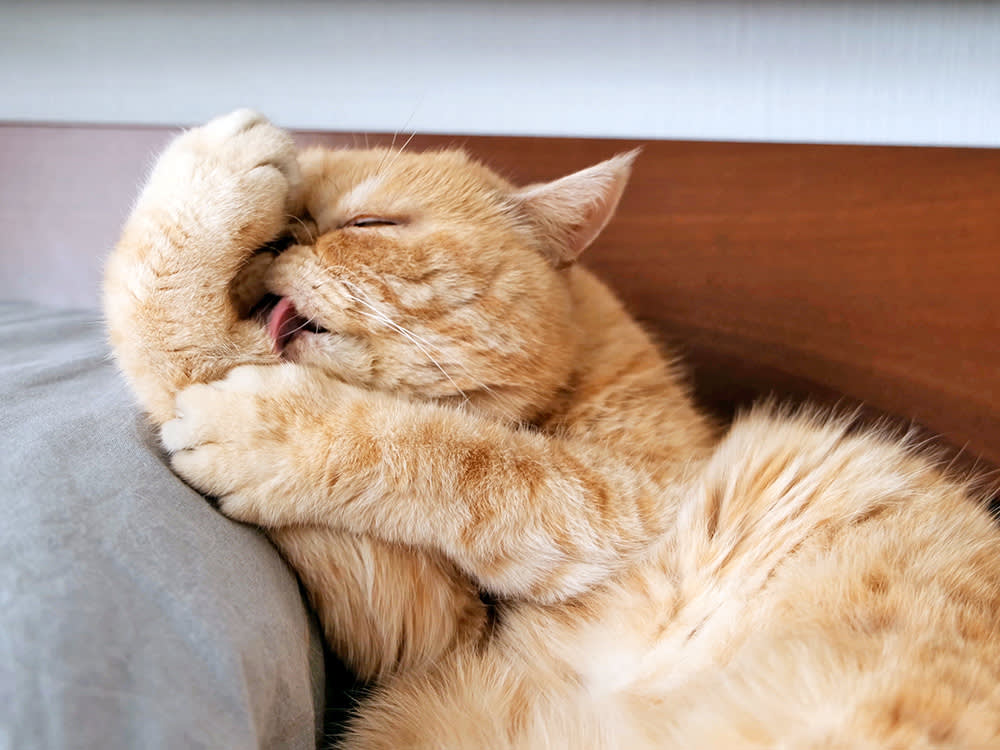
Have you ever watched your cat grooming itself for what seems like hours and wondered, “How does it not run out of saliva?” It’s something many cat owners notice but rarely think about.
Your cat’s ability to keep cleaning without drying out is more than just a quirky habit—it’s a fascinating natural skill. You’ll discover the surprising reasons behind this endless supply of saliva and how it plays a crucial role in your cat’s health and happiness.
Keep reading, and you’ll never look at your furry friend’s grooming routine the same way again!
Credit: pethelpful.com
Cat Saliva Production
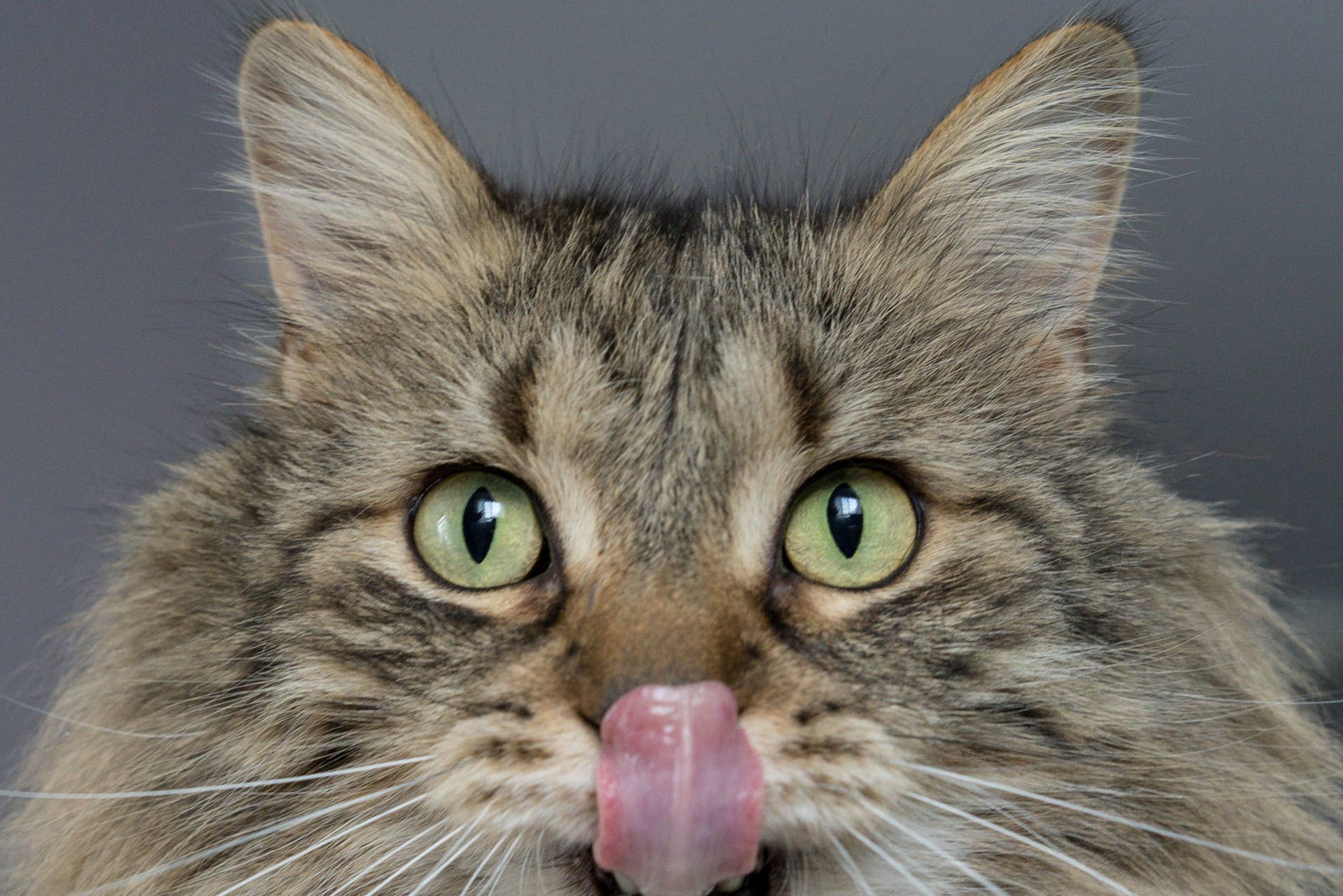
Cats spend a lot of time grooming themselves. This grooming is possible because of their saliva. Cat saliva keeps their fur clean and helps with temperature regulation. It also prevents their tongue from drying out during long grooming sessions. But how do cats produce enough saliva without running out? Understanding cat saliva production reveals the secret behind this continuous supply.
How Saliva Is Made
Saliva is a watery fluid made mostly of water. It contains enzymes, electrolytes, and mucus. In cats, saliva forms inside special organs called salivary glands. These glands release saliva into the mouth. The production adjusts to the cat’s needs. When cats groom, their glands work faster. This keeps saliva flowing without stopping.
Saliva Glands In Cats
Cats have several pairs of saliva glands. Each gland has a specific job:
- Parotid glands:Located near the cheeks, they produce watery saliva.
- Submandibular glands:Found under the jaw, they create thicker saliva.
- Sublingual glands:Located under the tongue, they add mucus to saliva.
- Buccal glands:Small glands around the mouth, contributing extra moisture.
These glands work together to keep saliva levels steady. This system supports cats during long grooming sessions. It stops their mouths from drying out or running empty.
Credit: pethelpful.com
Grooming Behavior
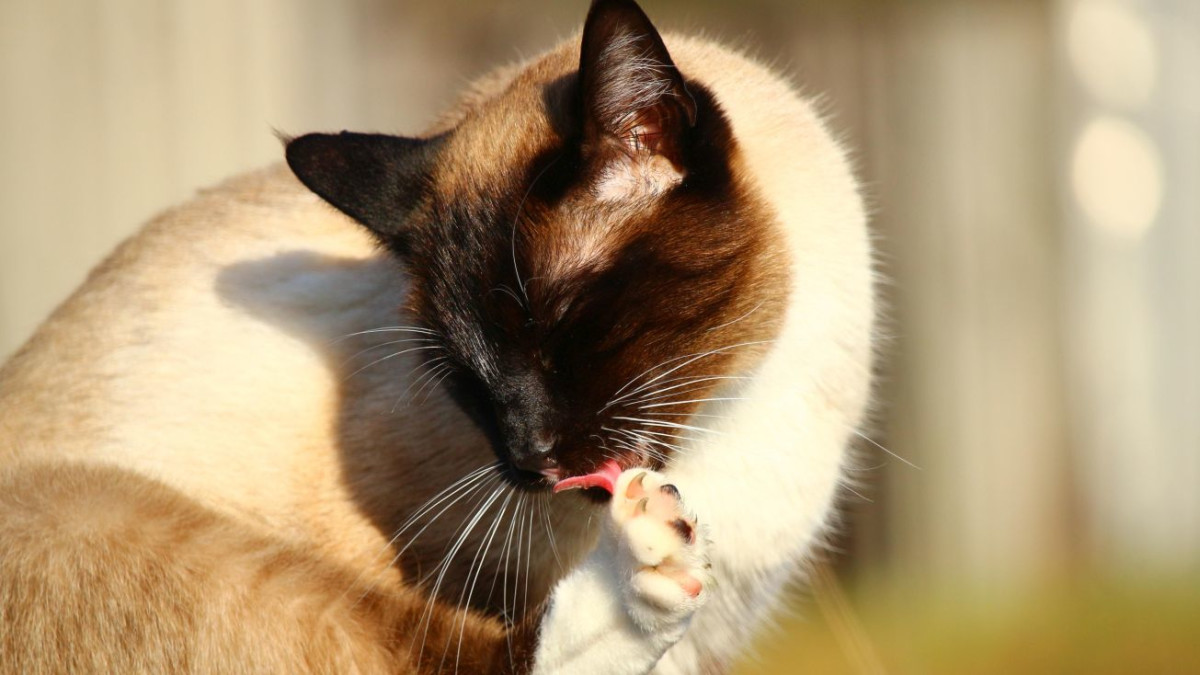
Cats spend a significant part of their day grooming themselves, using their tongues to clean their fur meticulously. This behavior is more than just about cleanliness; it plays a vital role in their health and comfort. Understanding why cats don’t run out of saliva during grooming involves looking at how and why they groom themselves.
Purpose Of Grooming
Grooming helps cats remove dirt, loose fur, and parasites from their coats. It also spreads natural oils that keep their fur shiny and waterproof. Have you noticed how calm your cat looks while grooming? This behavior reduces stress and helps regulate body temperature.
Another key purpose is social bonding. Cats often groom each other to strengthen relationships within their group. This shows grooming is not just about hygiene but also about emotional well-being.
Frequency And Duration
Cats groom themselves multiple times a day, often spending up to 50% of their waking hours on this activity. They do this in short bursts rather than long sessions, which prevents them from exhausting their saliva supply. Have you ever observed how your cat pauses during grooming? This allows saliva production to catch up.
Their saliva glands work efficiently to replenish moisture quickly, enabling continuous grooming without drying out. This balance between grooming frequency and saliva production ensures your cat can stay clean without running out of saliva.
Saliva Conservation Mechanisms
Cats produce saliva steadily, allowing continuous grooming without running dry. Their mouths conserve moisture efficiently, keeping saliva available for cleaning. This natural balance helps cats stay clean and comfortable throughout the day.
Cats have an incredible ability to groom themselves without running out of saliva. This is due to their efficient saliva conservation mechanisms. By carefully managing and recycling their saliva, cats maintain a clean and healthy coat. Let’s explore how cats achieve this through two main strategies: efficient saliva use and recycling and swallowing.Efficient Saliva Use
Cats use their saliva efficiently during grooming. They spread it evenly across their fur. Their tongues have tiny barbs that help distribute saliva. This ensures every part of their coat gets cleaned. These barbs also help remove loose fur and dirt. This efficient use of saliva helps conserve it over long grooming sessions.Recycling And Swallowing
Cats often swallow their saliva while grooming. This process helps them recycle it. By swallowing, they conserve moisture and keep their mouths moist. This allows them to continue grooming without running out of saliva. Recycling saliva helps maintain their hydration levels. Cats are truly remarkable at managing their saliva resources.
Credit: tryfurgo.com
Unique Cat Adaptations
Cats have special traits that help them groom without running out of saliva. Their bodies are designed to keep saliva flowing during long grooming sessions. These unique adaptations work together to keep cats clean and comfortable.
Tongue Structure
A cat’s tongue is covered with tiny, hook-like structures called papillae. These papillae are made of keratin, the same material as human fingernails. They help cats catch loose fur and dirt easily. The rough texture also helps spread saliva evenly while grooming.
This special tongue design allows cats to use less saliva each time they lick. It maximizes the cleaning effect without wasting moisture. The papillae also stimulate saliva production, keeping the mouth moist during grooming.
Moisture Retention
Cats produce saliva continuously, but their bodies conserve moisture well. Saliva glands work efficiently to keep up with grooming needs. The saliva is thick and sticky, which helps it stay on the fur longer.
While grooming, cats lick in a way that minimizes saliva loss. They use short, repeated strokes to spread saliva without drying out. Their bodies also recycle moisture from breathing and eating to keep saliva levels steady.
Health Benefits Of Saliva
Saliva plays a vital role in a cat’s grooming routine beyond just wetting their fur. It contains natural enzymes and compounds that support the cat’s health. This fluid helps keep their skin clean and protects them from infections. Understanding these health benefits explains why cats don’t run out of saliva during grooming.
Cleaning And Antibacterial Effects
Cat saliva contains antibacterial agents that fight harmful germs. These agents reduce bacteria and prevent skin infections. The saliva also helps remove dirt and loose fur. It cleans wounds and speeds up healing. Saliva acts like a natural disinfectant on their skin and fur.
Skin And Fur Maintenance
Saliva moisturizes a cat’s skin while grooming. It prevents dryness and irritation. The fluid helps spread natural oils over the fur. These oils keep the coat shiny and soft. Grooming with saliva also stimulates blood flow to the skin. This promotes healthy hair growth and overall skin health.
Comparisons With Other Animals
Understanding why cats don’t run out of saliva during grooming becomes clearer when we compare their habits and biology with other animals. Different species have unique ways of managing saliva production and use it efficiently during grooming. Looking at these differences helps you appreciate the cat’s remarkable grooming system.
Cats Vs. Dogs
Cats produce saliva continuously through specialized glands that keep their mouths moist, but they use it more strategically than dogs. While cats lick themselves to clean and cool down, their tongues have tiny, hook-like structures that help spread saliva evenly and lift dirt efficiently.
Dogs also groom with their tongues, but they tend to produce more saliva overall, often leading to drooling. Unlike cats, dogs don’t rely as heavily on saliva for cleaning their fur; they use licking more to soothe wounds or show affection.
Have you noticed how your cat spends much more time grooming than your dog? That’s because cats have a finely tuned saliva system designed to support long, effective grooming sessions without running dry.
Other Grooming Animals
Many animals groom themselves, but they differ widely in how they manage saliva. For instance, rabbits also use saliva to clean their fur, but their grooming sessions are shorter and less frequent compared to cats.
Birds use a different approach—they rely mostly on preening with their beaks and use oil from a special gland to keep feathers clean and waterproof instead of saliva.
Some primates use saliva for grooming, but they often combine it with manual cleaning, using their fingers to remove dirt and parasites. Cats, on the other hand, depend almost entirely on their saliva and tongue structure.
Thinking about your own pet, how might these differences influence your grooming routine or health care for them? Understanding their unique needs helps you support their natural habits better.
Common Myths About Cat Saliva
Many people have strange ideas about cat saliva, especially when it comes to grooming. These myths often make you wonder how cats manage to keep themselves so clean without running out of saliva. Understanding the truth can help you appreciate your cat’s grooming habits and even improve how you care for them.
Saliva Quantity Myths
One common myth is that cats produce a limited amount of saliva and might run out if they groom too much. This isn’t true because cats’ salivary glands continuously produce saliva throughout the day. Imagine your cat licking itself multiple times without ever appearing thirsty or dry-mouthed—that’s a sign their saliva supply is steady.
Some believe cats need to drink water constantly to keep their mouths wet enough for grooming. While hydration is important, your cat’s body efficiently manages saliva production even between drinks. Have you ever noticed your cat grooming after a long nap without rushing to the water bowl? That’s a real-life example of this balance.
Grooming Misconceptions
Many think cats only groom to stay clean, but grooming serves several purposes beyond cleanliness. Cats use grooming to cool down, reduce stress, and even strengthen bonds with other cats. If you’ve seen two cats licking each other, you know it’s more than just hygiene—it’s a social activity.
Another misconception is that excessive grooming always signals a health problem. While over-grooming can indicate stress or skin issues, occasional intense grooming is normal, especially after meals or naps. So, how can you tell when grooming is a problem? Watch for bald spots or constant licking that disrupts sleep or eating habits.
Frequently Asked Questions
Why Don’t Cats Run Out Of Saliva While Grooming?
Cats produce saliva continuously through multiple salivary glands. This constant production ensures they have enough saliva for grooming without running dry. Their saliva also helps clean their fur and cool them down, making the process efficient and sustainable.
How Much Saliva Do Cats Produce Daily?
Cats can produce about 10 to 20 milliliters of saliva daily. This amount varies based on their health and hydration. The saliva supports grooming, digestion, and oral health, ensuring cats stay clean and comfortable.
What Role Does Saliva Play In Cat Grooming?
Saliva acts as a natural cleanser, removing dirt and loose fur. It also helps regulate body temperature by evaporation. Additionally, saliva contains enzymes that reduce bacteria, keeping the cat’s coat healthy and fresh.
Can Cats’ Saliva Dry Out During Grooming?
No, cats rarely experience saliva drying out during grooming. Their glands continuously replenish saliva, and their grooming sessions are usually brief. This balance prevents dryness and ensures effective cleaning.
Conclusion
Cats produce saliva constantly, which helps during grooming. Their bodies regulate saliva well, so it never runs out. This keeps their fur clean and healthy. Saliva also cools them and aids digestion. Grooming is a natural, important habit for cats.
Understanding this shows how smart and well-adapted cats are. Next time you see a cat grooming, remember the science behind it. It’s a simple, amazing process that keeps them happy.

Leave a Reply