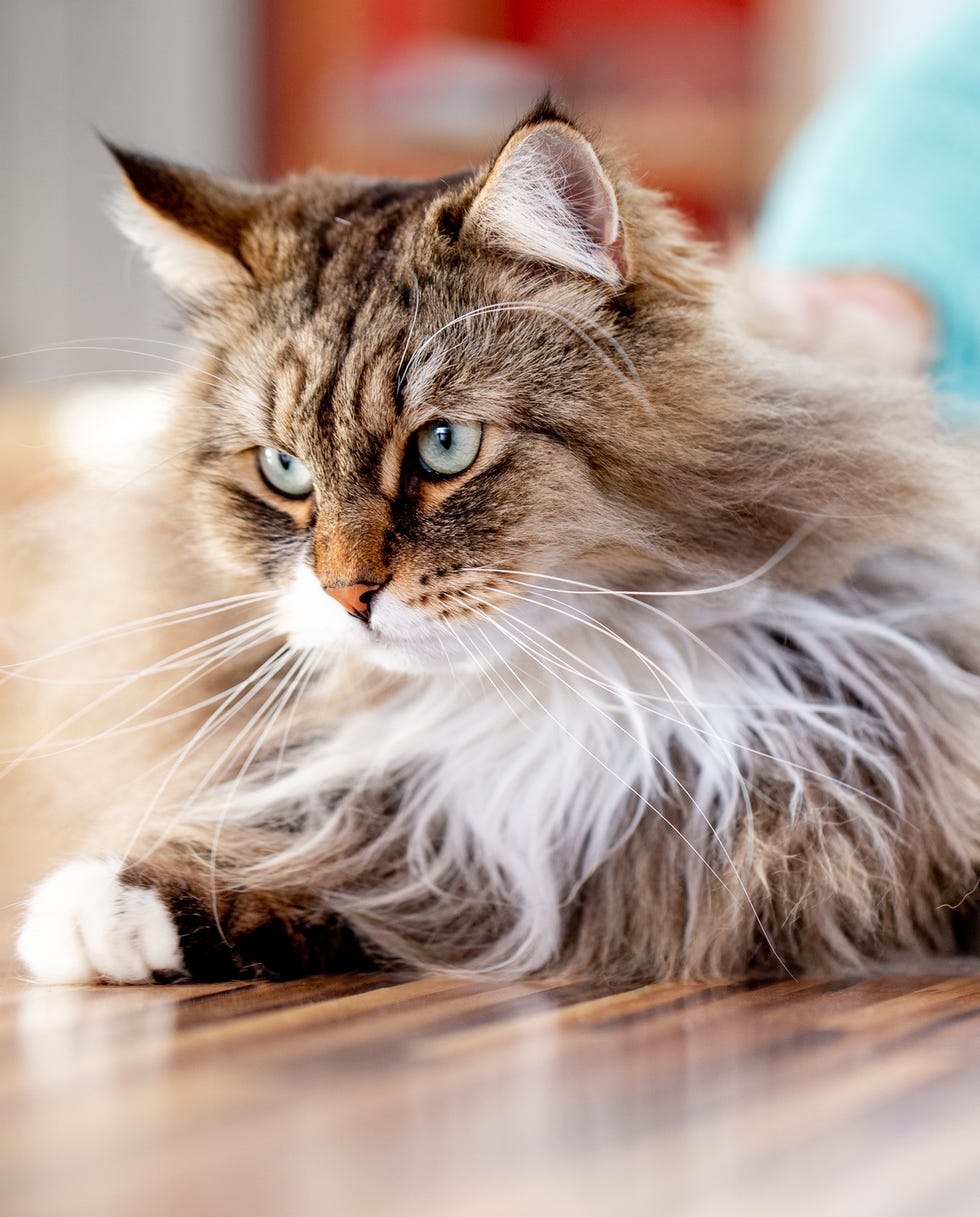
Are you worried about allergies but still dream of having a cat to call your own? You’re not alone.
Many people love cats but hesitate because of sneezing, itching, or watery eyes. What if you could find a cat breed that’s kinder to your allergies? You’ll discover some of the best hypoallergenic cat breeds that might just change how you feel about bringing a furry friend into your home.
Keep reading to find out which cats could be the perfect match for you and your lifestyle.

Credit: www.thepioneerwoman.com
Causes Of Cat Allergies
Cat allergies occur due to reactions to certain proteins that cats produce. These proteins can trigger symptoms like sneezing, itchy eyes, and skin rashes. Understanding what causes these allergies helps in managing exposure. Not all cats cause the same allergic reactions. Some breeds produce fewer allergens, making them easier for sensitive people to live with.
Common Allergens In Cats
Most cat allergies are caused by proteins found in:
- Cat saliva
- Skin flakes (dander)
- Urine
When cats groom themselves, saliva dries on their fur and skin. This spreads allergens around the home. Cat dander is very small and can float in the air. It sticks to furniture, clothes, and bedding. These allergens are the main cause of allergic reactions in humans.
How Allergens Trigger Reactions
The immune system mistakes harmless proteins for threats. It creates antibodies to fight these proteins. This causes the release of histamine and other chemicals. Symptoms appear such as:
- Sneezing
- Runny nose
- Itchy eyes
- Skin irritation
- Breathing difficulty
These reactions vary in intensity from person to person. Some people have mild symptoms. Others may experience severe discomfort. Reducing contact with allergens can lessen these reactions.

Credit: shamelesspets.com
Traits Of Hypoallergenic Cats
Hypoallergenic cats are a blessing for those who love felines but suffer from allergies. While no cat is completely free of allergens, some breeds are easier on the allergies than others. Understanding the traits of these cats can help you make an informed decision about welcoming one into your home.
Low Shedding Characteristics
Cats that shed less tend to spread fewer allergens around your home. This can significantly ease allergy symptoms. For instance, Siberians are known for their luxurious coats but surprisingly shed less than you might expect.
Another breed with low shedding traits is the Balinese. Despite their elegant fur, they don’t leave a trail of hair everywhere. This means less time cleaning and more time enjoying your pet.
Allergen Production Differences
Not all cats produce the same levels of allergens. Some breeds naturally produce less of the protein Fel d 1, which is responsible for most cat allergies. The Russian Blue is one such breed, often recommended for allergy sufferers.
Interestingly, it’s not just about the breed, but individual cats can vary too. Have you ever noticed how one cat’s presence affects you more than another? It’s a common occurrence. This makes it worth spending time with a cat before deciding to bring it home.
Have you considered how a hypoallergenic cat might change your life? Imagine fewer sneezes and more purrs. It’s a delightful trade-off for any cat lover with allergies.
Top Hypoallergenic Cat Breeds
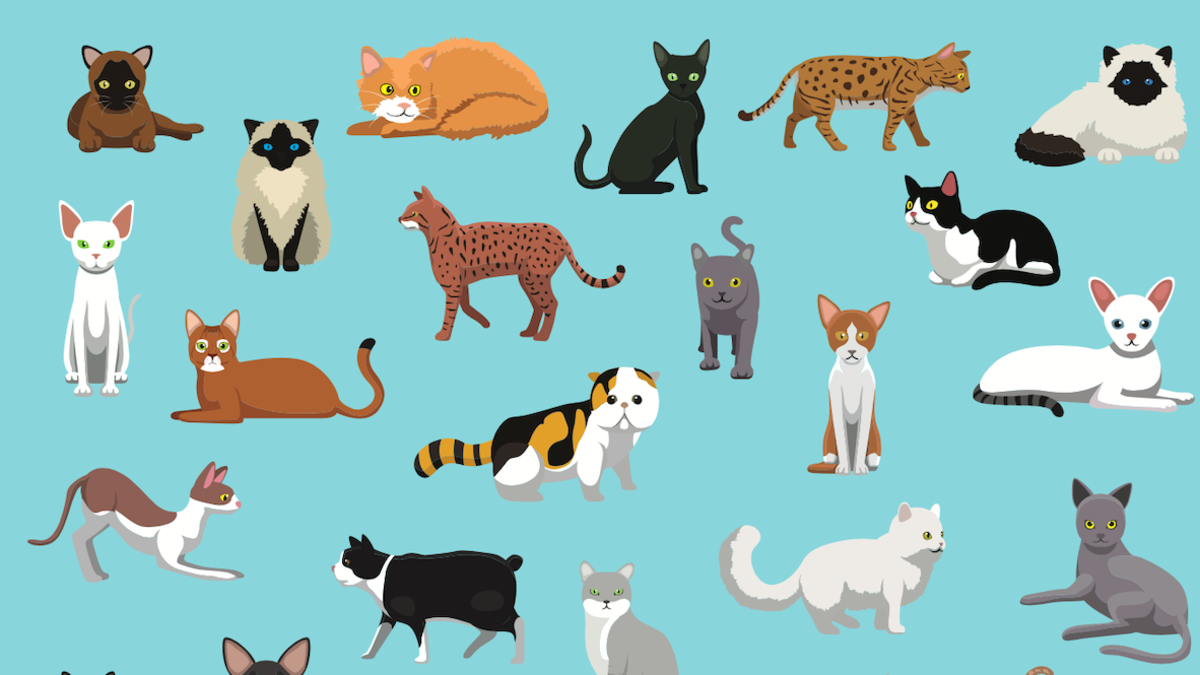
Hypoallergenic cat breeds are popular for people with allergies. These cats produce fewer allergens, making them easier to live with. They come in various shapes, sizes, and personalities. Choosing the right breed can bring joy without constant sneezing or itching.
Siberian Cats
Siberian cats have thick, water-resistant coats. Their fur traps fewer allergens compared to other cats. They are friendly, playful, and good with families. Many allergy sufferers find them easier to tolerate.
Balinese Cats
Balinese cats are often called “long-haired Siamese.” They produce less of the Fel d 1 protein, a common allergen. Their silky fur needs regular grooming. These cats are affectionate and intelligent companions.
Sphynx Cats
Sphynx cats have no fur, reducing allergens greatly. Their skin needs regular baths to remove oils. They enjoy human attention and are very social. These cats are perfect for allergy-sensitive homes.
Russian Blue Cats
Russian Blues have short, dense coats that hold fewer allergens. They are calm, quiet, and loyal pets. Their silver-blue fur is striking and soft to touch. Allergy sufferers often prefer this breed.
Bengal Cats
Bengal cats have unique spotted coats and low allergen levels. Their fur is short and requires little grooming. These cats are active, curious, and love playtime. They suit owners seeking an energetic pet.
Devon Rex Cats
Devon Rex cats have soft, wavy coats that shed less. They produce less allergenic proteins in their saliva. These cats are playful, affectionate, and enjoy being around people. Ideal for those with mild allergies.
Living With Hypoallergenic Cats
Living with hypoallergenic cats offers a chance to enjoy feline companionship without severe allergy symptoms. These breeds produce fewer allergens, making them suitable for sensitive individuals. Still, managing allergies requires effort and care to keep your home comfortable and safe. Simple habits and routines can help minimize allergic reactions and create a happy environment for both you and your cat.
Managing Allergies At Home
Keep your home clean to reduce allergens. Vacuum floors and furniture often using a HEPA filter vacuum. Use air purifiers to capture airborne allergens and improve air quality. Wash your cat’s bedding regularly in hot water. Create cat-free zones, especially in bedrooms, to limit allergen exposure while sleeping. Avoid using strong perfumes or sprays that can irritate allergies further.
Grooming Tips To Reduce Allergens
Regular grooming lowers the amount of allergens your cat spreads. Brush your cat daily to remove loose hair and dander. Use a damp cloth to wipe your cat’s fur gently. Bathing your cat occasionally helps reduce allergens on the fur. Always wash your hands after touching your cat or its belongings. Groom your cat in a well-ventilated area to avoid buildup of allergens indoors.
Choosing The Right Hypoallergenic Cat
Choosing the right hypoallergenic cat is more than just picking a breed known for fewer allergens. It’s about finding a cat that fits your daily routine, personality, and allergy sensitivity. You want a pet that brings joy without causing discomfort or health issues.
Matching Lifestyle And Breed
Your lifestyle plays a big role in which hypoallergenic breed suits you best. Some breeds, like the Siberian or Balinese, are playful and active, needing plenty of attention and space to roam. Others, such as the Cornish Rex, are more laid-back and adapt well to smaller living spaces.
Think about your daily schedule. Do you have time for interactive play and grooming? Some hypoallergenic cats require regular brushing to keep shedding minimal, while others are low-maintenance. Choosing a breed that matches your activity level helps build a stronger bond and reduces stress for both of you.
Testing Allergy Reactions Before Adoption
Don’t rely solely on breed reputation when it comes to allergies. Each person’s sensitivity varies, so spending time with a cat before adopting is crucial. Visit shelters or breeders and interact with the cat in different settings.
Notice if your symptoms worsen or stay manageable during these visits. Some people find that washing hands after touching the cat or keeping certain rooms cat-free helps reduce reactions. How does your body respond after a few hours? This real-world test gives you a clearer idea of what to expect at home.

Credit: www.thepioneerwoman.com
Frequently Asked Questions
What Makes A Cat Breed Hypoallergenic?
Hypoallergenic cats produce fewer allergenic proteins. They shed less dander, reducing allergic reactions. These breeds are ideal for sensitive individuals.
Which Cat Breeds Are Considered Hypoallergenic?
Siberian, Balinese, Sphynx, Russian Blue, and Bengal are hypoallergenic breeds. They release fewer allergens than typical cats.
How Do Hypoallergenic Cats Affect Allergies?
They minimize allergic symptoms by producing fewer allergens. However, no cat is 100% allergen-free. Individual reactions may vary.
Are Hypoallergenic Cats Low Maintenance?
Many hypoallergenic cats require regular grooming to manage shedding. Maintenance varies by breed but is generally moderate to low.
Conclusion
Hypoallergenic cat breeds can help reduce allergy problems at home. These cats produce fewer allergens, making them easier to live with. Popular breeds include the Sphynx, Balinese, and Russian Blue. Each has unique traits and personalities to enjoy. Choosing the right breed means less sneezing and more petting.
Always spend time with a cat before adopting. This helps ensure a good match for your allergies and lifestyle. A hypoallergenic cat can bring joy without discomfort. Start your journey to a happier, healthier home today.

Leave a Reply