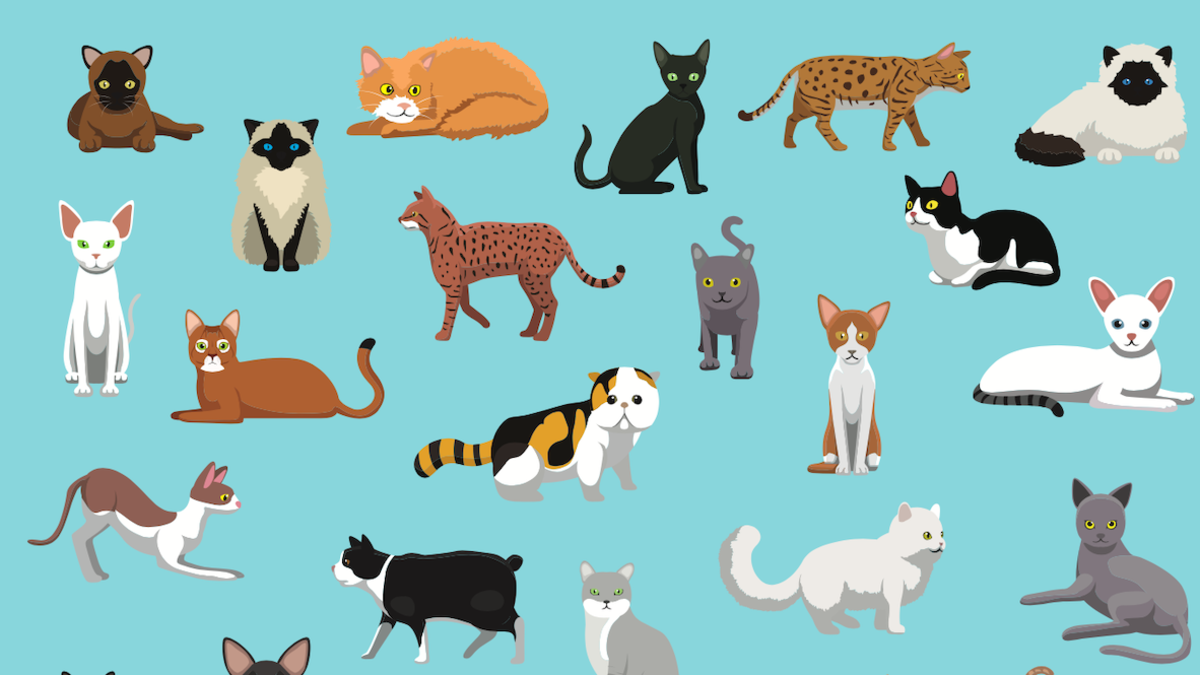
Have you ever wondered just how many different cat breeds exist? Whether you’re thinking about adopting a new feline friend or simply curious about the amazing variety of cats out there, knowing the number of breeds can surprise you.
You might expect just a handful, but the truth is far more exciting. You’ll discover exactly how many cat breeds were recognized in 2021, what makes each one unique, and how this knowledge can help you find the perfect match for your home.
Keep reading—you’re about to unlock a world of fascinating feline facts that will change the way you see cats forever.
Cat Breed Count In 2021
How many cat breeds are there in 2021? The answer depends on who you ask. Different organizations recognize varying numbers of breeds, making the count fluctuate. Understanding this helps you appreciate the diversity of our feline friends and guides you if you’re thinking about adopting or breeding cats.
Global Cat Breed Registries
Several major registries track and recognize cat breeds worldwide. The Cat Fanciers’ Association (CFA), International Cat Association (TICA), and Fédération Internationale Féline (FIFe) are among the most influential.
Each registry maintains a list of recognized breeds that you can refer to when exploring cat varieties. For example:
- CFArecognizes around 44 breeds.
- TICAlists about 73 breeds.
- FIFeaccepts approximately 48 breeds.
This variation arises because each registry has its own standards and criteria for breed recognition. Knowing which registry’s list you are looking at can clarify the breed count.
Differences In Breed Recognition
Not all organizations agree on what counts as a distinct breed. Some registries recognize newer or experimental breeds that others consider varieties or hybrids.
Take the example of the Lykoi cat, also known as the “werewolf cat.” It gained recognition by some registries only in recent years, increasing the breed count. This shows that the number of breeds can grow as new cats are bred and standardized.
Does this mean your favorite cat might be a recognized breed soon? The evolving nature of breed recognition invites you to stay updated. It also means you should check multiple sources if you want the full picture of cat diversity in 2021.
Popular Cat Breeds Worldwide
Cats have captured hearts worldwide with their charm and variety. There are many breeds, each with unique looks and personalities. Popular breeds often become family favorites due to their friendly nature and beauty.
Understanding popular cat breeds helps people choose pets that fit their lifestyle. These breeds have stood out for their traits, making them loved companions in many homes.
Top 10 Most Loved Breeds
- Siamese – Known for striking blue eyes and vocal personality.
- Persian – Famous for long fur and calm temperament.
- Maine Coon – Large size with tufted ears and friendly nature.
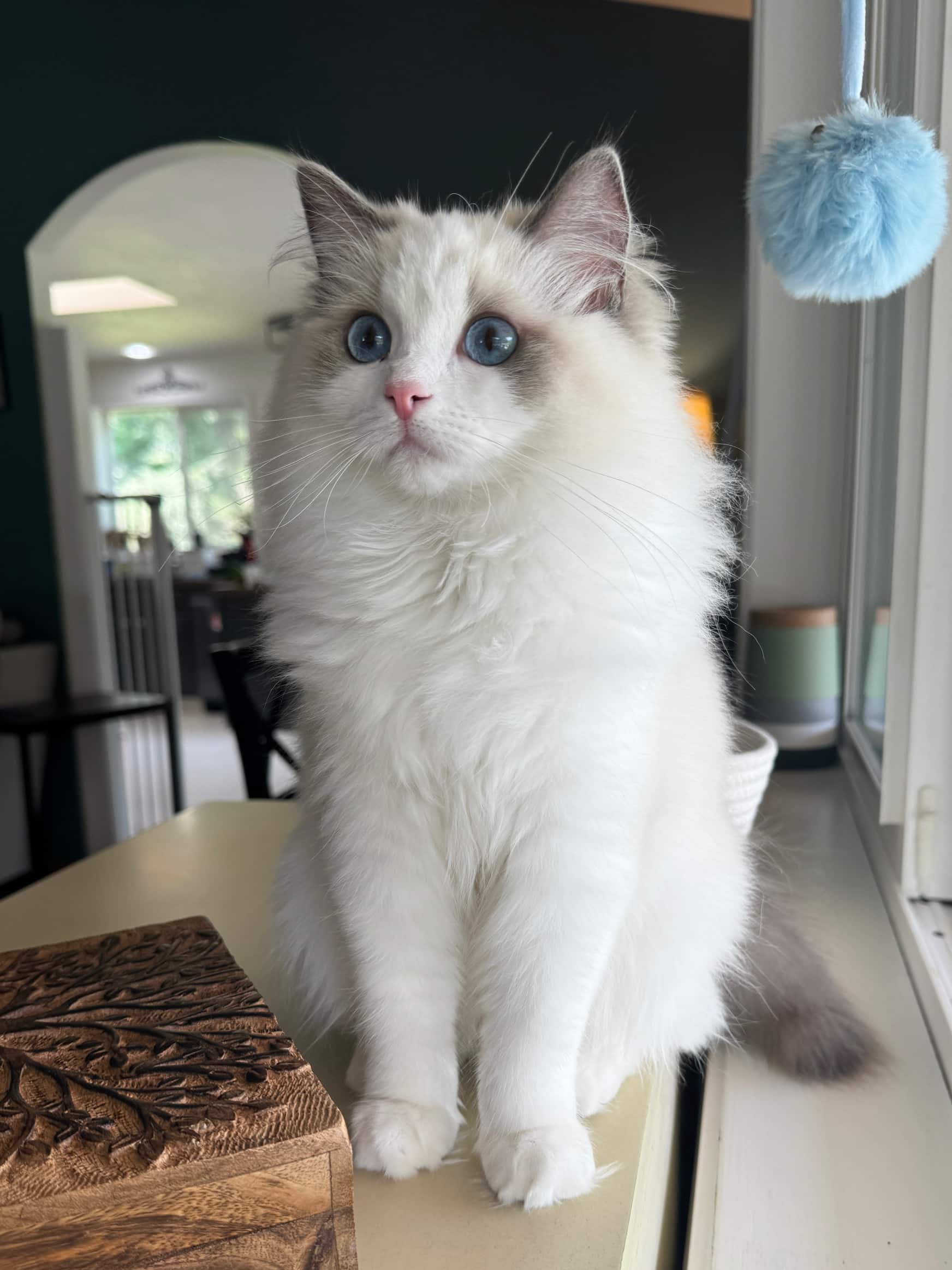
- Ragdoll – Soft coat and tendency to relax when held.
- Bengal – Wild look with spotted coat and energetic behavior.
- Sphynx – Hairless, warm to touch, and social.
- British Shorthair – Round face and dense fur with gentle manners.
- Scottish Fold – Unique folded ears and sweet disposition.
- Abyssinian – Sleek coat and very active personality.
- Russian Blue – Silvery-blue fur and shy but loyal.
Unique Traits Of Popular Breeds
- Siamese:Very talkative, loves attention, and highly intelligent.
- Persian:Quiet and affectionate, needs regular grooming.
- Maine Coon:Great with kids, playful, and adapts well to families.
- Ragdoll:Goes limp when picked up, calm, and gentle.
- Bengal:High energy, enjoys climbing, and has a unique coat.
- Sphynx:Warm skin, loves human contact, and very curious.
- British Shorthair:Independent but loving, good for quiet homes.
- Scottish Fold:Ears fold forward, calm, and very loyal.
- Abyssinian:Very active, loves to explore, and social.
- Russian Blue:Soft fur, quiet, and forms strong bonds with owners.
Rare And Exotic Cat Breeds
Rare and exotic cat breeds capture the imagination of cat lovers and collectors alike. These breeds often come with fascinating histories and striking looks that set them apart from the more common cats you see every day. If you want to add a truly unique feline to your life, understanding these rare breeds can help you make an informed choice.
Less Known Breeds
Some cat breeds fly under the radar despite their charm and distinctive traits. Take the Serengeti, for example, a breed created to resemble wild cats but with a friendly, domestic nature. Or the American Wirehair, known for its unusual wiry coat that feels like a soft brush to the touch.
You might not have heard of the Kurilian Bobtail, a breed from Russia with a short, fluffy tail and a playful personality. These cats often surprise owners with their dog-like loyalty and impressive hunting skills. Have you ever wondered if owning a rare breed means dealing with special care or health concerns? Researching these breeds can reveal what to expect.
Breeds With Unique Appearances
Some cats stand out because of their eye-catching looks. The Sphynx, famous for its hairless body, challenges the typical image of a fluffy cat but offers warmth and affection in return. Meanwhile, the Peterbald mixes elegance with exoticism thanks to its slender frame and varying degrees of hairlessness.
The Minskin combines short legs with a sparse coat, creating a miniature, almost otherworldly appearance. These unique physical traits often come with special grooming or health needs, so you should consider if their care fits your lifestyle. What draws you more—a cat with a rare look or one with a rare personality?

Credit: www.oakleighcentralvet.com.au
Breed Classification Criteria
Cat breeds are classified by traits like size, coat, and behavior. Different cat organizations recognize varying numbers of breeds worldwide. These criteria help define how many cat breeds exist in 2021.
Understanding the diverse world of cat breeds is a fascinating journey. The International Cat Association (TICA) recognizes 73 distinct cat breeds as of 2021. But how do these breeds get classified? The key lies in specific criteria that include physical characteristics, behavioral traits, and genetic lineage. These criteria not only define each breed but also help potential cat owners find the perfect feline friend.Physical Characteristics
Physical traits are the most apparent criteria in breed classification. Cats come in all shapes, sizes, and colors, and each breed has a unique set of features. For instance, the Maine Coon is known for its large size and tufted ears, while the Siamese is famous for its sleek body and striking blue eyes. When you look at a cat, what catches your eye first? It’s these distinct physical traits that often draw people to particular breeds.Behavioral Traits
While physical attributes are essential, the personality of a cat can be a deciding factor in choosing a breed. Some cats are incredibly social and energetic, like the Bengal, known for its playful nature. Others, like the Persian, are more laid-back and prefer a quiet environment. Have you ever met a cat that seemed to mirror your own energy level? Understanding these behavioral traits can guide you in finding a cat that fits seamlessly into your lifestyle.Genetic Lineage
Genetic lineage plays a crucial role in breed classification. It involves tracing a cat’s ancestry to ensure it meets the breed’s standards. Breeders often maintain detailed records to track lineage and uphold the breed’s purity. This genetic blueprint can influence everything from a cat’s health to its temperament. Have you considered the lineage of your pet? Knowing a cat’s genetic background can provide insights into what you can expect in terms of health and behavior. By considering these criteria, you can make an informed decision about which breed might be the best fit for you. Each breed’s unique combination of physical, behavioral, and genetic traits offers something special. Whether you’re drawn to a cat’s looks, personality, or heritage, there’s a breed that can make your home complete.How Breeds Are Developed
Understanding how cat breeds are developed gives you a glimpse into the careful work behind each unique feline type. Breeds don’t just appear randomly; they are the result of deliberate choices made by breeders to highlight specific traits. These choices shape everything from appearance to personality, crafting cats that fit particular lifestyles or aesthetic preferences.
Selective Breeding Practices
Selective breeding is a focused process where breeders choose parent cats with desirable traits to mate. This practice aims to enhance qualities like coat color, fur length, eye shape, and even behavior.
For example, if a breeder wants a cat with a silky coat and calm temperament, they’ll pair cats exhibiting those traits. Over several generations, these features become more pronounced and consistent.
Have you ever wondered why some breeds have such distinct looks? It’s because breeders carefully avoid mixing in unwanted traits, keeping the breed’s identity clear and predictable.
Hybrid Breeds
Hybrid breeds come from crossing a domestic cat with a wild species or another distinct breed. This approach introduces fresh traits that you won’t find in traditional breeds.
The Bengal cat is a popular hybrid example, created by crossing domestic cats with Asian leopard cats. This gives Bengals their striking spotted coat and energetic personality.
Hybrid breeding raises questions about balancing wild instincts with domestic behavior. Would you want a cat with a bit of wild nature, or do you prefer a purely domestic companion?
Impact Of Breed Popularity
Breed popularity shapes more than just how many cats of a certain type you see around. It influences adoption rates and even the health of the cats themselves. Understanding these impacts can help you make smarter choices when adding a feline friend to your home.
Adoption Trends
Popular breeds often have higher demand, which means they can be adopted faster from shelters and breeders. However, this can lead to some breeds being overlooked, leaving many wonderful cats waiting for homes.
When you focus only on popular breeds, you might miss out on unique personalities found in lesser-known cats. Have you ever considered how choosing a less trendy breed could save a life? Adoption centers sometimes have specific breeds in abundance due to trends shifting quickly.
Here’s what you can do:
- Visit local shelters regularly to see a variety of cats.
- Research breeds beyond the popular ones to discover hidden gems.
- Consider adopting mixed-breed cats who often have fewer health issues.
Health Considerations
Popularity can sometimes push breeders to prioritize quantity over quality. This increases the risk of genetic health problems in certain breeds.
Take Persian cats, for example. Their popularity has led to common issues like respiratory problems due to their flat faces. If you choose a popular breed, ask breeders about health screenings and histories.
You can protect your future pet’s health by:
- Requesting health certificates and genetic test results.
- Choosing responsible breeders who focus on health, not just looks.
- Considering adopting from rescue groups that specialize in specific breeds.
How much do you think breed popularity should influence your choice? Balancing popularity with health and personality can lead to a happier life for you and your cat.
Where To Find Breed Information
Finding trustworthy information about cat breeds helps pet lovers and potential owners. Reliable sources give clear details about each breed’s traits, care needs, and history. This knowledge assists in choosing the right cat for your home. Various organizations and online platforms provide well-organized breed data.
Cat Fancier Associations
Cat fancier associations are official groups that register and promote cat breeds. They keep detailed records and breed standards. These associations often host shows and events to showcase cats. Their websites offer breed profiles, photos, and care tips. Examples include:
- The Cat Fanciers’ Association (CFA)
- The International Cat Association (TICA)
- The Fédération Internationale Féline (FIFe)
These groups provide trusted, expert information. They update breed lists as new breeds gain recognition.
Online Breed Databases
Online breed databases collect information from various sources in one place. They allow easy browsing and comparison of cat breeds. Many databases include:
- Breed descriptions and origins
- Photos and videos
- Temperament and health details
- User reviews and experiences
Examples of popular databases include Animal Planet and Petfinder. These sites help users explore breeds quickly and clearly.

Credit: www.thewildlifediaries.com

Credit: pethero.co.za
Frequently Asked Questions
How Many Cat Breeds Exist Worldwide In 2021?
As of 2021, there are approximately 70 to 75 recognized cat breeds globally. Different cat associations may list slightly varied numbers. These breeds differ in appearance, temperament, and origin, offering diverse choices for cat lovers.
Which Organization Recognizes Most Cat Breeds?
The International Cat Association (TICA) recognizes around 73 breeds, making it one of the largest registries. The Cat Fanciers’ Association (CFA) recognizes fewer breeds but is highly influential. Breed recognition varies by standards and regional preferences.
Are New Cat Breeds Still Being Developed?
Yes, breeders continue developing new cat breeds through selective breeding. This process focuses on unique traits, colors, and personalities. New breeds must meet specific criteria before official recognition by cat associations.
What Factors Define A Cat Breed?
A cat breed is defined by distinct physical traits, genetics, and behavior. These characteristics are consistently passed down through generations. Breed standards ensure uniformity and help in identifying purebred cats.
Conclusion
Cats come in many different breeds, each with unique traits. Around 70 to 100 breeds exist worldwide. Some are popular and well-known, while others are rare. Knowing these breeds helps you appreciate cats more. Whether you want a pet or just love cats, this info is useful.
Each breed has its own charm and personality. Cats bring joy and comfort to many homes. Exploring cat breeds can be fun and interesting. Keep learning about cats to enjoy their diversity fully.


Leave a Reply