Have you ever wondered if you can control the colors of your cat’s fur through breeding? Imagine being able to predict or even influence whether your kitten will have striking stripes, a soft cream coat, or a bold black pattern.
It sounds fascinating, right? If you’re curious about how cat colors work and whether you can guide the process, you’re in the right place. Keep reading, and you’ll discover the surprising science behind cat colors and what breeding really can – and can’t – do.
This knowledge might change the way you see your feline friends forever.
Cat Color Genetics
Cat color genetics explain how cats inherit their coat colors and patterns. Genes passed from parents shape a cat’s appearance. Understanding genetics helps breeders predict kitten colors. It also reveals why some colors appear more often than others.
Genetics is about how traits move through families. In cats, coat color depends on several genes working together. Each gene can have different versions called alleles. These alleles decide the cat’s color traits.
Basic Genetic Principles
Genes come in pairs, one from each parent. Some genes are dominant, meaning they show up even if only one copy is present. Others are recessive and only show if both copies match.
Alleles can combine in many ways. This makes cat colors very diverse. Some traits blend, while others appear in clear patterns. Breeders use this knowledge to predict possible kitten colors.
Common Cat Color Genes
- Black (B): Dominant gene for black or brownish fur.
- Orange (O): Controls orange and cream colors; sex-linked.
- Dilution (D): Lightens colors, turning black to gray or orange to cream.
- Agouti (A): Controls tabby patterns; dominant gene shows stripes.
- White (W): Covers all colors, making the cat appear white.
Dominant And Recessive Traits
Dominant traits appear if one dominant allele is present. Recessive traits need two copies to show. For example, black fur is dominant over brown.
Some colors, like orange, depend on the cat’s sex chromosomes. Male cats have one X and one Y chromosome; females have two X chromosomes. This affects how orange color passes down.
Recessive genes may skip generations. Breeders must know the parents’ genes to predict kitten colors well.
Selective Breeding Techniques
Selective breeding techniques are at the core of manipulating cat colors through breeding. This process requires careful planning and understanding of genetics to influence the colors and patterns seen in kittens. It’s about making informed choices to increase the chances of desired traits appearing in the next generation.
Choosing Parent Cats
Choosing the right parent cats is crucial. You want to select cats that carry the genes for the colors or patterns you aim to produce. This means looking beyond just their appearance and considering their genetic background.
For example, if you want a kitten with a rare color like lilac or cinnamon, both parents should ideally carry those color genes. This increases the likelihood that the offspring will display those traits.
Have you ever thought about how the hidden genes of a cat might affect its kittens? Sometimes a cat’s coat doesn’t show all its genetic potential, so knowing the family history helps a lot.
Predicting Offspring Colors
Predicting the colors of kittens isn’t a guaranteed science, but genetics gives you clues. Each cat contributes half of its genes, and some colors are dominant while others are recessive.
For example, the gene for black fur is dominant over the gene for orange. That means if one parent has black fur and the other orange, the kittens are more likely to be black or tortoiseshell rather than solid orange.
Using simple Punnett squares can help you visualize possible outcomes. This tool lets you map out how traits might combine. Have you tried predicting cat colors this way before?
Limitations And Challenges
Even with careful selection, you can’t control everything. Genetics can be unpredictable, and some traits don’t always show up as expected. This makes breeding for specific colors challenging.
Also, focusing too much on color can ignore other important factors like health and temperament. Breeding cats responsibly means balancing appearance with well-being.
Remember, some colors require specific gene combinations that are rare or carry health risks. Can you accept these trade-offs for the chance of a unique coat?
Popular Cat Colors And Patterns
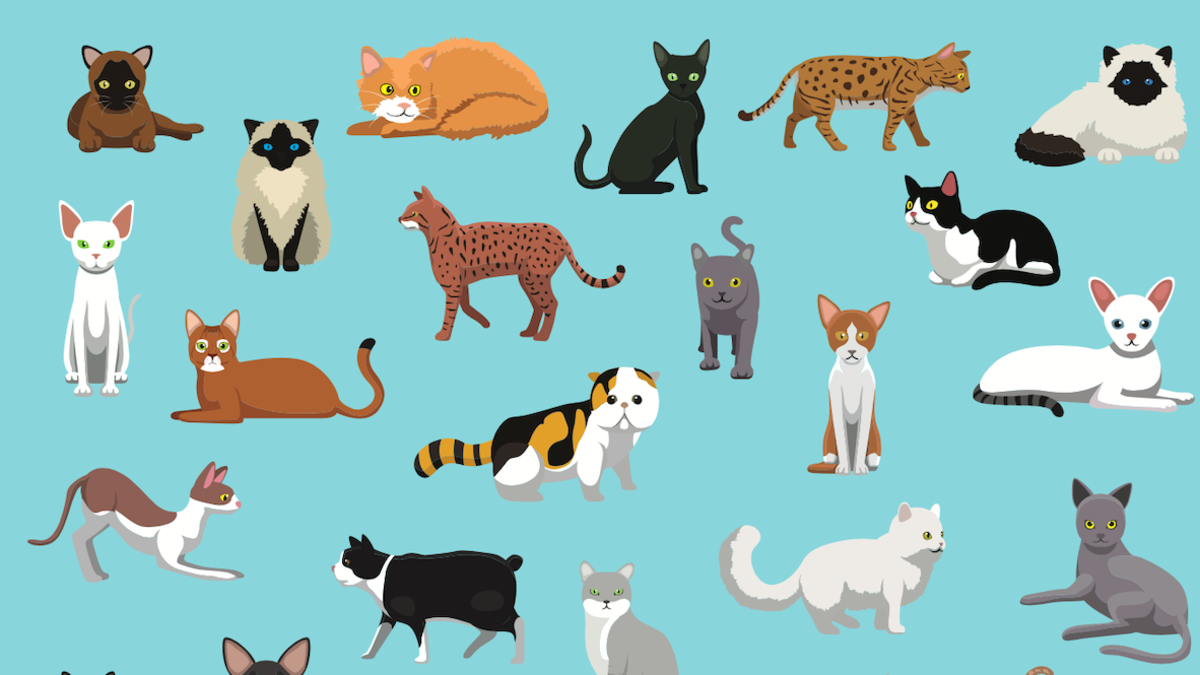
Cat colors and patterns are fascinating to cat lovers and breeders. The variety in fur colors and designs can be mesmerizing. Understanding these patterns helps breeders create specific looks. Here, we’ll explore some popular cat colors and patterns.
Solid Colors
Solid color cats have a uniform shade across their fur. These cats might be all black, white, or gray. Solid colors often appear sleek and elegant. Breeding for solid colors requires attention to the cat’s genetics.
Tabby Patterns
Tabby cats are known for their unique striped or spotted patterns. These patterns include classic, mackerel, and spotted designs. Tabbies often have an “M” shape on their forehead. Breeders can influence these patterns through careful selection.
Colorpoint Variations
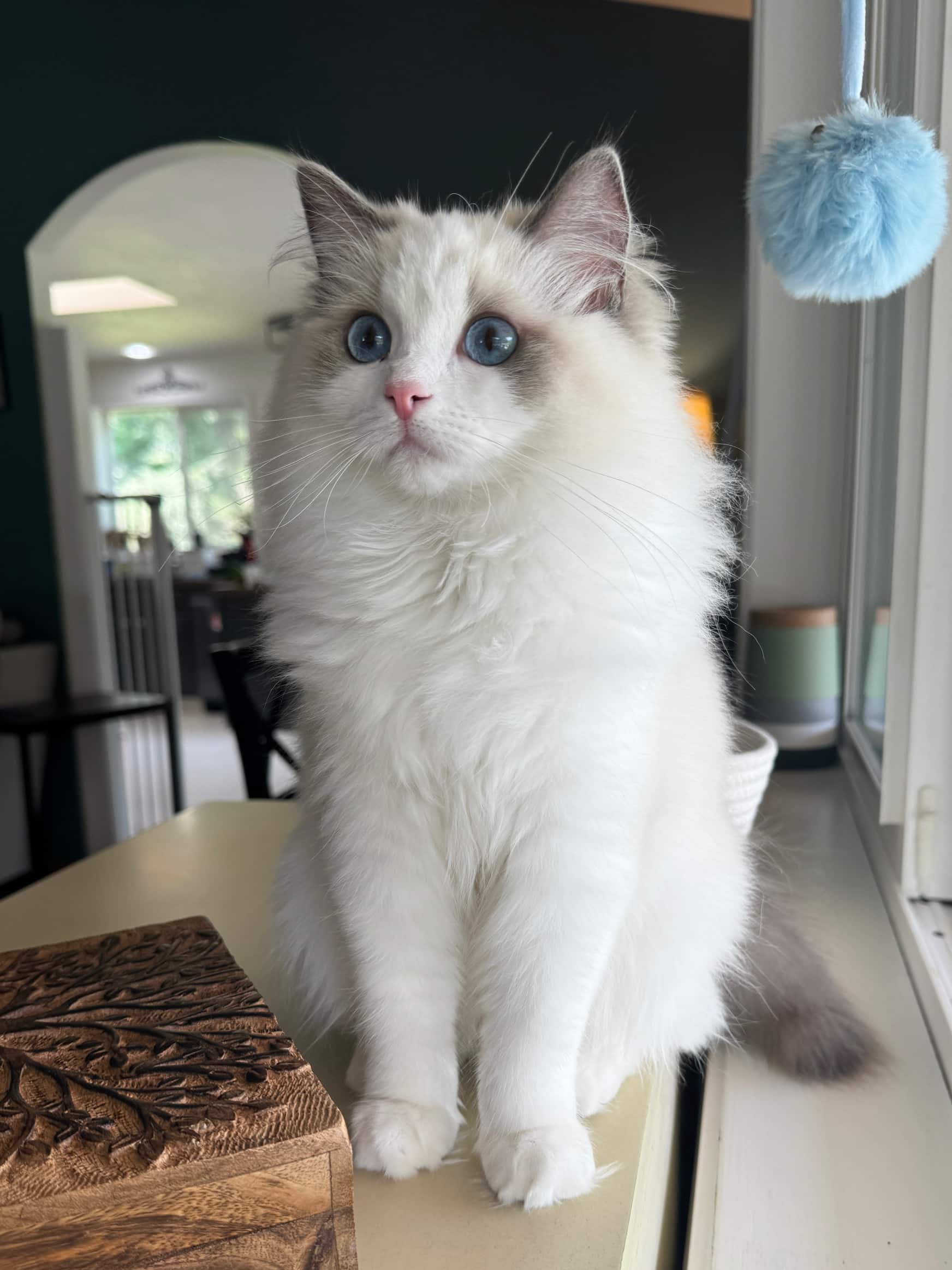
Colorpoint cats have a distinct contrast between their body and extremities. The face, paws, tail, and ears are darker. This pattern is common in Siamese and Himalayan breeds. Temperature affects their color intensity.
Dilution And Modifications
Some colors can appear softer due to dilution. Diluted colors include blue instead of black and cream instead of red. Modifications might include tortoiseshell or calico patterns. Breeders can manipulate these through genetic knowledge.

Credit: www.nationalgeographic.com
Ethical Considerations
Breeding cats to change their colors can raise important ethical questions. It is essential to think about the well-being of the cats, not just the appearance. Ethical considerations focus on the health and happiness of the animals involved in breeding programs.
Health Risks Of Selective Breeding
Selective breeding may increase certain health problems in cats. Breeders often choose specific traits, which can lead to inherited diseases. Some color patterns link to genetic disorders. This makes cats more vulnerable to illness and pain. It is important to avoid breeding that harms a cat’s health.
Welfare Of Breeding Cats
Breeding cats need proper care and respect. Cats used in breeding should live in clean, safe environments. They need enough food, water, and exercise. Stress and poor living conditions reduce their well-being. Ethical breeding means putting the cat’s welfare first, not just the desired color outcome.
Responsible Breeding Practices
Responsible breeders prioritize the health and happiness of cats. They test for genetic diseases before breeding. They avoid pairing cats that may produce unhealthy kittens. Breeding programs should focus on strong, healthy cats with good temperaments. Transparency and honesty with new cat owners are vital in responsible breeding.
Expert Tips For Breeders
Breeding cats to achieve specific colors requires more than just picking two cats and hoping for the best. It demands careful planning, deep understanding of genetics, and a commitment to ethical practices. Here are expert tips that can help you navigate this complex task effectively and responsibly.
Tracking Genetics Accurately
Keep detailed records of each cat’s genetic background. Knowing the exact colors and patterns your cats carry helps predict the outcomes of their kittens.
Use pedigrees and genetic testing when possible. This reduces guesswork and allows you to breed with confidence.
Ask yourself: Are you tracking not only visible traits but hidden recessive genes? This can make a big difference in your results.
Maintaining Genetic Diversity
Avoid breeding closely related cats just to fix a color. Too much inbreeding can cause health problems and weaken the breed overall.
Introduce new bloodlines periodically to keep the gene pool healthy and varied.
Remember, a strong and healthy cat is more valuable than one with just a perfect color.
Avoiding Common Mistakes
- Don’t focus solely on color at the expense of temperament and health.
- Beware of assuming all traits follow simple patterns; cat genetics can surprise you.
- Never rush the breeding process—patience often leads to better results.
Have you ever made a breeding decision that didn’t go as planned? Learning from those experiences is key to success.

Credit: www.reddit.com

Credit: thelittlecarnivore.com
Frequently Asked Questions
Can Cat Colors Be Changed Through Selective Breeding?
Yes, cat colors can be influenced by selective breeding. Breeders choose cats with specific genes to produce desired coat colors. This process helps enhance or create new color patterns in offspring over generations, but genetics limits the possible color outcomes.
How Does Genetics Affect Cat Coat Colors?
Cat coat colors are determined by genes inherited from both parents. Specific genes control pigment type and distribution. Understanding these genetic principles allows breeders to predict and influence the color patterns in kittens.
Is It Ethical To Breed Cats For Color Manipulation?
Ethical breeding prioritizes cat health and temperament over appearance. Manipulating colors should not compromise animal welfare. Responsible breeders avoid harmful practices and focus on maintaining strong, healthy cat populations.
Can All Cat Breeds Have Color Manipulation?
Not all cat breeds offer the same color variety. Some breeds have limited color genes, restricting possible coat colors. Breeders work within breed standards and genetic possibilities to achieve color variations.
Conclusion
Breeding can influence a cat’s color, but it’s not always simple. Genetics play a big role in what colors appear. Breeders can select certain traits, yet outcomes are never guaranteed. Patience and knowledge help in guiding cat colors over time.
Remember, every cat is unique and special in its own way. Enjoy the process and appreciate the natural beauty of each feline.

Leave a Reply