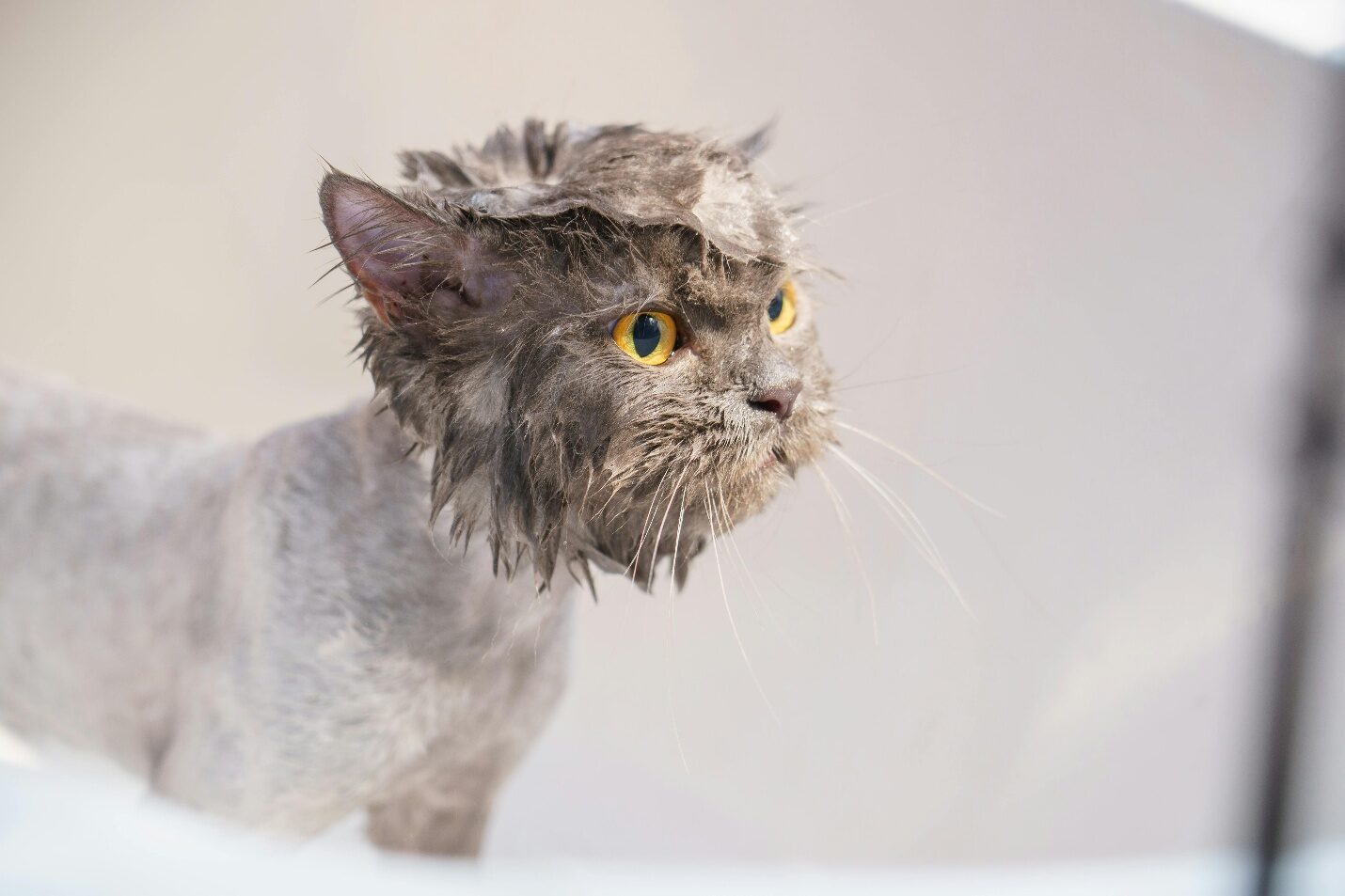
Have you ever wondered why your cat suddenly stops grooming itself? If your furry friend isn’t keeping up with their usual cleaning routine, it can be worrying.
Grooming is more than just a habit for cats—it’s essential for their health and comfort. When a cat doesn’t groom, it might be trying to tell you something important about how it’s feeling or what it needs. Keep reading to discover the surprising reasons behind this behavior and what you can do to help your cat feel their best again.
Common Grooming Habits Of Cats
Cats are known for their meticulous grooming habits, spending a significant part of their day cleaning themselves. Understanding these habits can help you recognize when your cat might be neglecting grooming and why it matters. Let’s look closer at what a typical grooming routine looks like and why cats invest so much time in it.
Daily Grooming Routine
Your cat likely spends anywhere from 30 minutes to 50% of its waking hours grooming. This includes licking their fur, cleaning their face with their paws, and even nibbling at tangled areas. Some cats are more thorough, while others focus on specific spots they find itchy or dirty.
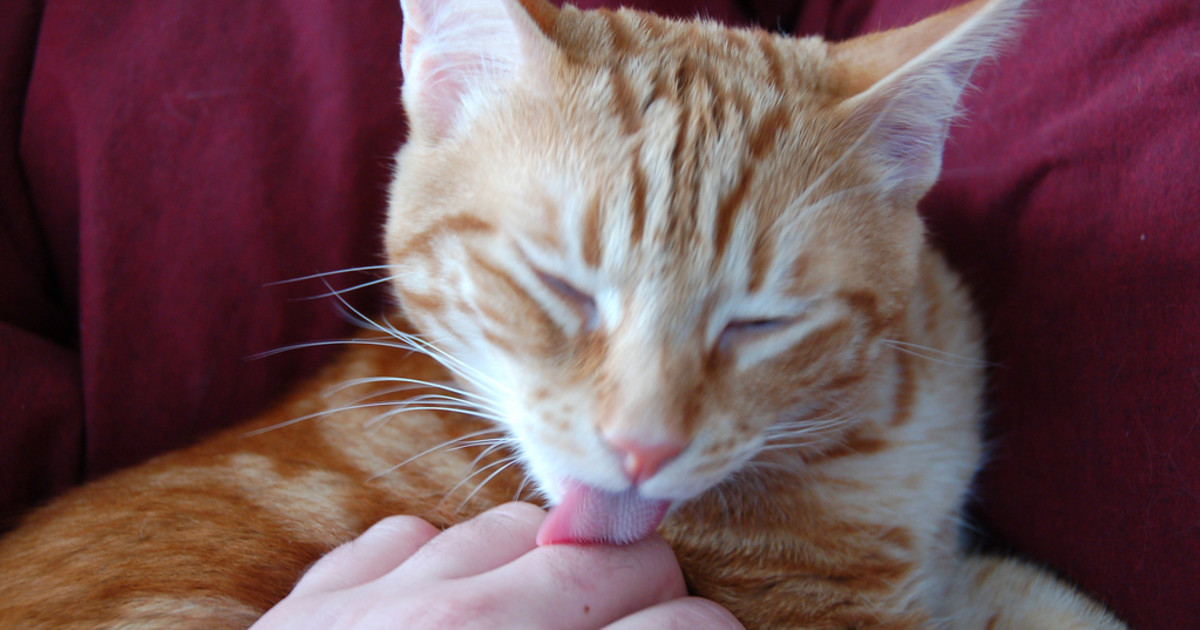
Have you noticed your cat’s tongue feels rough? That rough texture helps remove dirt and loose fur. Grooming also helps cats regulate their body temperature, especially in warmer weather.
Benefits Of Self-grooming
Self-grooming is essential for your cat’s health and comfort. It removes dirt, parasites, and dead skin, keeping their coat clean and shiny. Grooming also spreads natural oils across their fur, which acts as a protective barrier against moisture.
Beyond physical health, grooming calms cats and reduces stress. If your cat suddenly stops grooming, it could signal illness or emotional distress. How often do you see your cat grooming, and have you ever noticed changes that worried you?

Credit: www.latimes.com
Health Issues Affecting Grooming
Health issues can play a major role in why your cat might stop grooming. Cats usually take pride in keeping themselves clean, but when their health is compromised, grooming can become a challenge. Understanding these health problems helps you spot warning signs early and take action before things get worse.
Skin Conditions
Skin problems like allergies, infections, or parasites can make grooming painful or irritating for your cat. If your cat has itchy, red, or flaky skin, it might avoid licking those areas to prevent discomfort.
Have you noticed your cat scratching more than usual or developing bald patches? These could be clues that a skin condition is stopping them from grooming properly. Checking your cat’s coat regularly can help you catch these issues early.
Dental Problems
Dental pain can be subtle but powerful enough to stop your cat from grooming. Cats use their tongues and mouths for cleaning, so toothaches or gum disease can make this painful.
If your cat suddenly looks messy or has a bad breath, it might be struggling with dental issues. You might also see them pawing at their mouth or eating less. A quick visit to the vet can confirm if dental care is needed to get grooming back on track.
Pain And Arthritis
Pain from arthritis or injuries can limit your cat’s flexibility and movement. Grooming requires bending and stretching, which becomes tough if your cat feels stiff or sore.
Older cats often face this problem, but it can affect younger cats too after an injury. Watch for signs like reluctance to jump or groom certain body parts. Helping your cat manage pain with vet-approved treatments can encourage them to groom again.
Behavioral Causes
Cats are known for their meticulous grooming habits, but sometimes they might stop grooming altogether. This behavior can be puzzling and concerning for pet owners. One of the key reasons for this change in behavior can be attributed to various behavioral causes. Understanding these can help you address the issue effectively and ensure your feline friend stays healthy and happy.
Stress And Anxiety
Stress and anxiety in cats can lead to a lack of grooming. Just like humans, cats can feel overwhelmed by changes or disturbances in their environment. If your cat has recently experienced a stressful situation, this might be the culprit. Consider if there have been any changes in your home, such as new pets or loud noises, that could be affecting your cat’s sense of security. Providing a calm and stable environment might encourage your cat to resume grooming.
Depression In Cats
Depression isn’t just a human condition; cats can experience it too. A cat suffering from depression might lose interest in activities they once enjoyed, including grooming. This can happen if they feel neglected or if their routine has been disrupted. Pay attention to your cat’s behavior and try to engage them in playful activities. Spending quality time with your cat can improve their mood and potentially encourage them to start grooming again.
Changes In Environment
Environmental changes can deeply affect a cat’s grooming habits. Moving to a new home, rearranging furniture, or even a change in your daily schedule can unsettle your cat. Cats thrive on routine, so any disruption can result in stress. If you notice your cat isn’t grooming after a change, try to establish a new routine to make them feel more secure. Providing familiar items, like their favorite blanket or toy, can help them adjust more comfortably.
Age And Physical Limitations
Cats rely on grooming to stay clean and healthy. Age and physical limits can stop them from grooming well. Older cats or those with health issues may stop cleaning themselves. This can cause mats, dirt, and skin problems. Understanding these limits helps pet owners offer better care and support.
Impact Of Aging
As cats get older, their energy drops. They might feel tired more often. Older cats can have weaker muscles and joints. This makes grooming harder. Their skin can become dry or sensitive. Older cats may groom less to avoid discomfort. A decline in grooming can signal health issues.
Mobility Challenges
Joint pain and arthritis limit a cat’s movements. Cats may struggle to reach certain body parts. This causes patches of fur to become dirty or matted. Physical problems can also reduce balance and flexibility. Cats with mobility issues may avoid grooming to prevent pain. Owners should watch for signs of discomfort and help their cats stay clean.
Nutritional Deficiencies
Nutritional deficiencies can cause a cat to stop grooming. Cats need the right nutrients to keep their fur healthy and shiny. Without proper nutrition, their coat can become dull, dry, or patchy. This may make grooming uncomfortable or less effective for them.
Role Of Diet In Coat Health
A balanced diet provides essential nutrients for skin and fur. Proteins supply amino acids needed for hair growth. Fatty acids like omega-3 and omega-6 keep the skin hydrated and smooth. Vitamins A, E, and biotin support cell repair and prevent dryness. Lack of these nutrients can weaken the coat and skin.
Signs Of Poor Nutrition
- Dull, brittle fur that breaks easily
- Excessive shedding or bald patches
- Dry, flaky, or itchy skin
- Slow hair regrowth after injury
- General lethargy or weight loss
These signs may show that a cat’s diet lacks important elements. A vet can help identify and treat these deficiencies. Improving nutrition often restores grooming habits and coat health.
Parasites And External Factors
Parasites and other external factors can seriously affect your cat’s grooming habits. If your cat is dealing with discomfort or irritation caused by these issues, it might stop grooming altogether. Understanding these factors helps you spot problems early and keep your cat comfortable and clean.
Fleas And Mites
Fleas and mites are common culprits that disrupt your cat’s grooming routine. These tiny parasites cause intense itching and skin irritation, making your cat avoid licking and cleaning itself.
You might notice your cat scratching more than usual or even biting its fur. In some cases, the skin becomes red, inflamed, or develops scabs. Have you ever seen your cat suddenly stop grooming after a flea outbreak? That’s often a clear sign of discomfort from parasites.
To help your cat, check for small black flea dirt or tiny moving specks on its fur. Using vet-recommended flea treatments promptly can prevent the problem from getting worse. Regular grooming by you can also help detect parasites early before they cause serious issues.
Environmental Irritants
Sometimes, factors in your cat’s environment cause skin problems that interfere with grooming. Dust, pollen, certain cleaning products, or even new bedding materials can irritate your cat’s skin or nose.
Your cat may avoid grooming if its skin feels sore or if it experiences sneezing and nasal discomfort. Have you changed anything recently around your cat’s living space? Even subtle changes can trigger allergic reactions or irritation.
Observe your cat for signs like redness, hair loss, or frequent scratching. Keeping your cat’s area clean and free from harsh chemicals can reduce these irritants. You might want to wash bedding regularly in mild detergent and avoid sprays or air fresheners near your cat’s resting spots.
When To Seek Veterinary Help
Cats usually groom themselves to stay clean and healthy. A sudden stop in grooming can signal health problems. Knowing when to see a vet can save your cat from pain or illness. Watch your cat closely for signs that need medical attention.
Identifying Warning Signs
- Mattes or clumps in fur
- Bald patches or hair loss
- Visible skin sores or redness
- Strong, bad odor from fur
- Excessive scratching or licking
- Sudden behavior changes or lethargy
- Loss of appetite or weight loss
These signs may mean your cat is in pain or sick. Do not ignore them.
Diagnostic Tests
The vet will perform a physical exam first. Blood tests check for infections or organ issues. Skin scrapings find mites or fungal infections. Allergy tests may be needed if itching is severe. X-rays or ultrasound can detect internal problems. Each test helps find the cause of grooming loss.
Treatment Options
Treatment depends on the diagnosis. Parasite infections may need special shampoos or medicines. Allergies require diet changes or medication. Pain or arthritis might be treated with anti-inflammatory drugs. Stress-related issues can improve with behavior therapy. Follow the vet’s advice carefully for the best results.

Credit: www.latimes.com
Supporting Your Cat’s Grooming
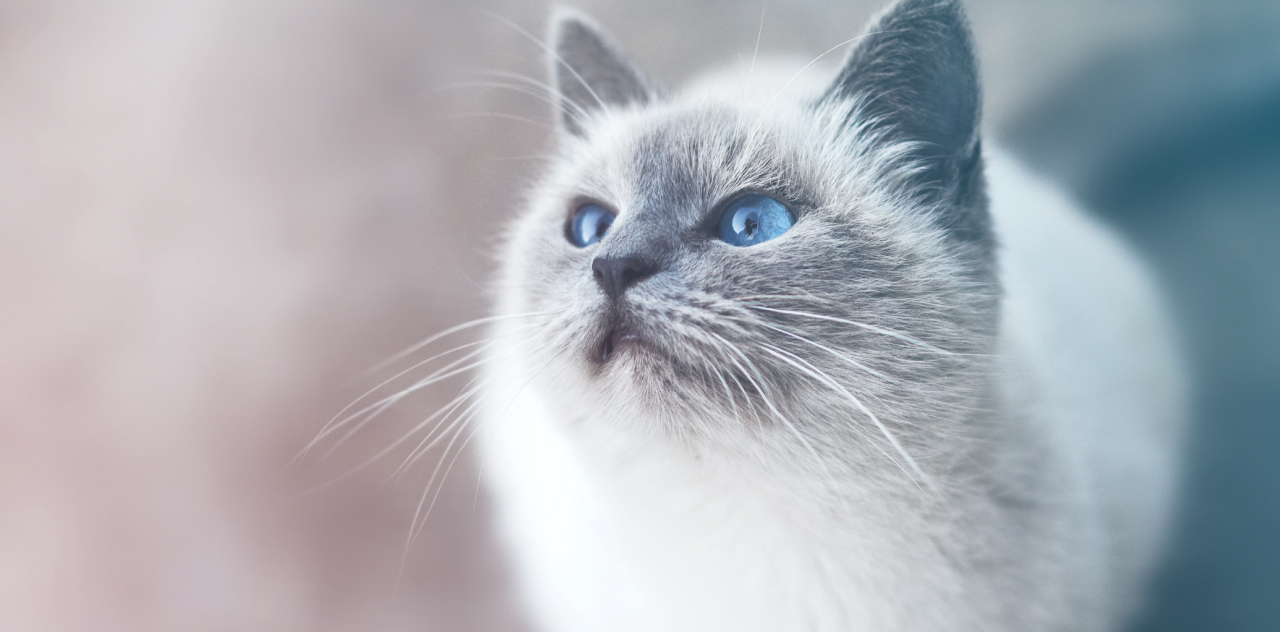
Supporting your cat’s grooming is essential when you notice your feline friend isn’t keeping up with their usual cleaning routine. Cats might stop grooming due to stress, health issues, or discomfort. Helping them maintain their coat not only improves their appearance but also boosts their overall well-being.
Brushing Techniques
Regular brushing helps remove loose fur and prevents mats that can irritate your cat’s skin. Use a brush suited to your cat’s fur type—soft brushes for short-haired cats and slicker brushes for long-haired breeds.
Start by gently brushing in the direction of hair growth. Pay attention to sensitive areas like the belly and behind the ears. If your cat resists, try short sessions and reward calm behavior with treats or praise.
Creating A Calm Environment
Your cat may avoid grooming if they feel stressed or unsafe. Create a quiet, comfortable space where your cat can relax without distractions or loud noises.
Try playing soft music or using pheromone diffusers designed to calm cats. Observe their body language; if they seem anxious, give them space and approach grooming gradually to build trust.
Dietary Supplements
Nutrition plays a big role in your cat’s coat health. Supplements rich in omega-3 and omega-6 fatty acids can improve fur shine and reduce skin dryness.
Before adding supplements, consult your vet to ensure they’re appropriate. Sometimes, a simple diet change can make a noticeable difference in your cat’s grooming habits and comfort.
Credit: pawgo.com
Frequently Asked Questions
Why Doesn’t My Cat Groom Itself Regularly?
Cats may stop grooming due to illness, stress, or pain. Lack of grooming can signal health problems like arthritis or skin issues. Observe your cat’s behavior and consult a vet for proper diagnosis and treatment.
Can Grooming Issues Indicate Cat Health Problems?
Yes, grooming neglect often shows underlying health problems. Conditions like dental pain, obesity, or infections can stop cats from grooming. Early veterinary checkups help identify and treat these issues promptly.
How Can Stress Affect A Cat’s Grooming Habits?
Stress can cause cats to groom less or excessively. Changes in environment, new pets, or loud noises often trigger stress. Reducing stressors and providing comfort can restore normal grooming behavior.
What Should I Do If My Cat Stops Grooming?
If your cat stops grooming, monitor for other symptoms. Schedule a vet visit to rule out medical causes. Meanwhile, keep your cat clean and comfortable to prevent skin problems.
Conclusion
Cats may stop grooming for many reasons. Stress, illness, or pain can cause this change. Watch your cat closely for signs of trouble. Regular grooming helps keep cats clean and healthy. If your cat stops grooming, consult a vet soon.
Early care can prevent bigger problems later. Remember, a happy cat usually grooms itself well. Keep your pet safe by understanding its needs. Small changes in behavior matter a lot. Stay patient and kind with your furry friend.


Leave a Reply