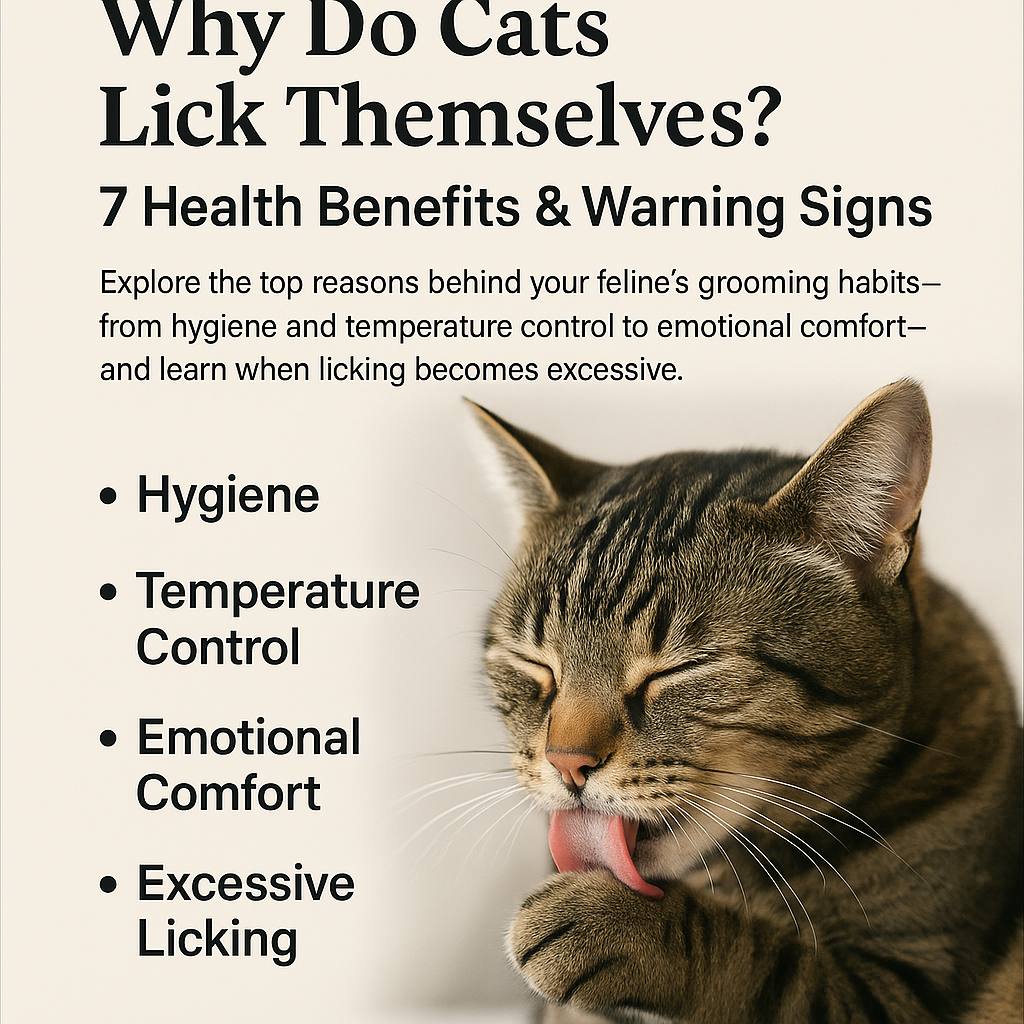
Have you ever noticed your cat spending hours licking their fur, sometimes to the point it seems too much? You might wonder, “Why do cats groom themselves excessively?” Understanding this behavior is more important than you think.
It’s not just about keeping clean—your cat could be trying to tell you something. Keep reading, because uncovering the reasons behind this habit could help you protect your furry friend’s health and happiness.

Credit: pennypaws.com
Normal Grooming Behavior
Cats spend a lot of time grooming themselves. This behavior is natural and important for their health. Grooming helps cats stay clean and comfortable. It also plays a role in their social and emotional well-being. Understanding normal grooming helps recognize when grooming becomes excessive.
Purpose Of Grooming
Grooming removes dirt and loose fur from a cat’s coat. It keeps their skin healthy by spreading natural oils. These oils protect the fur and give it a shiny look. Grooming also helps cats cool down. Licking their fur evaporates saliva, which lowers body temperature.
Besides physical benefits, grooming calms cats. It reduces stress and anxiety. Cats often groom after waking up or before sleeping. This routine helps them feel safe and relaxed.
Typical Grooming Patterns
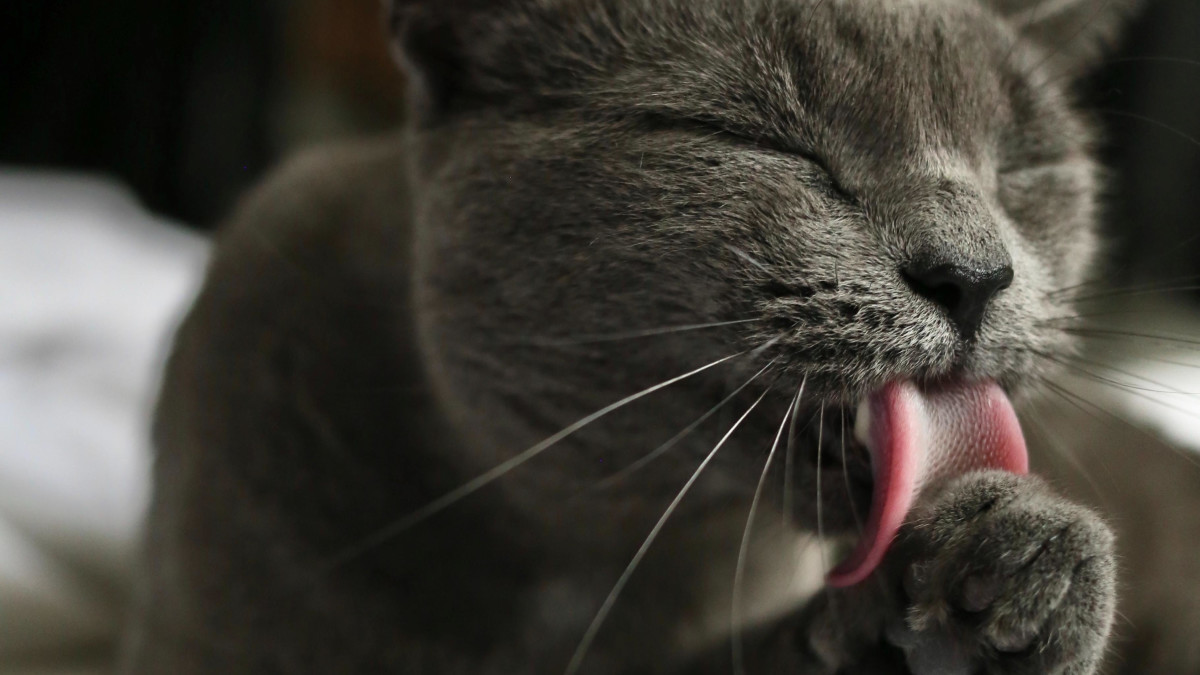
Cats usually groom several times a day. Each session lasts a few minutes. They lick their face first, then move to the ears, neck, and body. Cats use their tongue and paws to clean hard-to-reach areas.
Most cats groom themselves more after eating or playing. They may also groom more during changes in the environment. This is a way to stay comfortable and in control.
Normal grooming is steady and calm. Cats stop once they feel clean. Any sudden or constant grooming can be a sign of discomfort or illness.
Signs Of Excessive Grooming
Recognizing the signs of excessive grooming in your cat is essential to ensure their well-being. Cats naturally groom themselves to stay clean, but too much grooming can point to underlying problems. Being able to spot these signs early can help you address potential health or behavioral issues before they worsen.
Identifying Overgrooming
Overgrooming occurs when your cat spends an unusually long time licking or biting their fur, often leading to noticeable changes in their coat or skin. You might see bald patches or areas where the fur looks thin and uneven. Pay attention if your cat seems restless or fixated on grooming one particular spot.
Have you noticed your cat suddenly grooming more than usual after a change in environment or routine? Stress and anxiety can trigger overgrooming just as much as physical discomfort. Observing when and where your cat grooms can give you clues about what’s bothering them.
Common Symptoms
- Bald spots:Clear patches without fur, often on the belly, legs, or tail.
- Red or irritated skin:Areas that look inflamed or raw due to constant licking or biting.
- Scabs or sores:Small wounds that may result from persistent grooming.
- Excessive shedding:More loose fur around your home or on your cat’s bedding.
- Behavior changes:Your cat may become more withdrawn or agitated, avoiding interaction.
Noticing these symptoms can help you decide when it’s time to consult your vet. How often do you check your cat’s coat and skin for changes? Making it a regular habit can save your pet from discomfort and help you catch issues early.
Physical Causes
Excessive grooming in cats often points to physical discomfort or irritation. Their bodies send signals through this behavior. Understanding physical causes helps identify health problems early. It also guides proper care and treatment for your cat.
Skin Allergies
Skin allergies cause itching and redness. Cats scratch and lick to ease the itch. Common allergens include pollen, dust, and certain foods. Allergies can make the skin inflamed and sore. Persistent grooming worsens the irritation, causing hair loss.
Parasite Infestations
Parasites like fleas and mites irritate the skin. They bite and crawl, causing intense itching. Cats respond by licking and biting the affected areas. Parasite infestations can lead to infections if untreated. Regular checks and treatments help prevent this problem.
Pain Or Injury
Injuries or pain can trigger excessive grooming. Cats may lick wounds or sore spots repeatedly. This behavior aims to clean and soothe the pain. Sometimes, the licking delays healing and worsens the injury. Monitoring your cat’s behavior helps catch injuries early.
Credit: pethelpful.com
Emotional Triggers
Cats groom themselves to stay clean and healthy. Sometimes, grooming becomes a way to handle their feelings. Emotional triggers can cause cats to groom more than usual. Understanding these triggers helps care for your cat better.
Stress And Anxiety
Cats feel stress from changes in their environment. New people, loud noises, or moving can upset them. Grooming helps cats calm down and feel safer. Excessive grooming often shows a cat is anxious. Watch for bald spots or red skin from too much licking.
Boredom And Lack Of Stimulation
Cats need play and mental activity daily. Without enough stimulation, cats get bored easily. Grooming becomes a way to pass time. This can turn into over-grooming if they feel lonely. Providing toys and interaction reduces boredom and stops excessive grooming.
Medical Conditions
Cats may groom themselves too much due to stress, allergies, or skin problems. This behavior helps them feel better but can cause sores or hair loss. Watching your cat’s grooming habits can reveal hidden health issues.
Excessive grooming in cats can often be attributed to various medical conditions. Understanding these underlying health issues is crucial for ensuring your feline friend’s well-being. When a cat suddenly starts grooming more than usual, it might be trying to communicate discomfort or pain. Cats are masters at hiding their ailments, so paying attention to their grooming habits can offer valuable insights into their health. Let’s explore some medical conditions that might lead to excessive grooming.Hormonal Imbalances
Hormonal imbalances, such as hyperthyroidism, can lead to increased grooming in cats. Hyperthyroidism causes the thyroid gland to produce too much hormone, accelerating your cat’s metabolism. This can make them anxious and restless, leading to excessive grooming. Is your cat losing weight despite eating well? This could be a sign of hyperthyroidism. A visit to the vet for blood tests can confirm if your cat has this condition, allowing for timely intervention and treatment.Neurological Disorders
Neurological disorders can also trigger excessive grooming in cats. Conditions affecting the brain or nervous system can alter behavior, including grooming habits. This might manifest as compulsive grooming, where the cat repetitively licks or bites at their fur. Does your cat seem to groom in a trance-like state? This could indicate a neurological issue. Observing your cat’s behavior closely and consulting a veterinarian can provide clarity and help manage the condition effectively. By paying attention to these signs and consulting with a vet, you can help address any medical conditions your cat might be experiencing. Your cat’s health and happiness depend on your vigilance and care.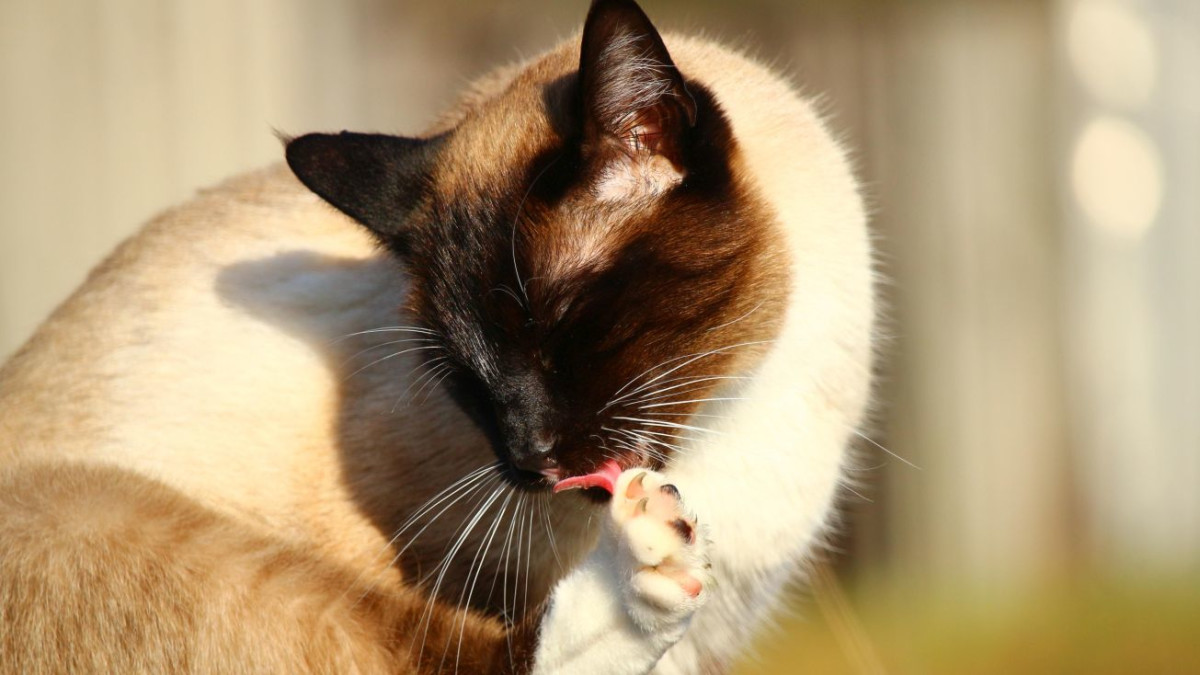
Credit: pethelpful.com
Environmental Factors
Environmental factors can cause cats to groom themselves more than usual. Changes in their surroundings or exposure to irritants often trigger this behavior. Cats use grooming to feel safe and clean when the environment feels uncomfortable or strange.
Changes In Surroundings
Cats are sensitive to their environment. Moving to a new home, new furniture, or even new people can stress them out. This stress may make them groom excessively as a way to calm down. Loud noises or unfamiliar smells also affect them. Grooming becomes a way to regain control and comfort.
Exposure To Irritants
Some irritants in the environment cause itching or discomfort. Dust, pollen, or chemicals from cleaning products can bother a cat’s skin. Fleas or other small pests can also cause itching. Grooming helps cats try to remove these irritants. Excessive licking or scratching may mean the cat is trying to soothe irritated skin.
Behavioral Solutions
Excessive grooming in cats often signals underlying behavioral issues. Tackling this problem requires more than just treating symptoms; it demands creating an environment where your cat feels mentally and emotionally balanced. Behavioral solutions focus on enriching your cat’s daily life and minimizing stress triggers that might be causing the over-grooming.
Providing Enrichment
Think about your cat’s natural instincts and needs. Cats are hunters and explorers by nature, so providing opportunities to engage those instincts can reduce excessive grooming.
Add toys that stimulate hunting behaviors, like feather wands or laser pointers. Rotate these toys regularly to keep your cat interested.
Consider puzzle feeders to make mealtimes more engaging. This simple change can keep your cat busy and mentally active.
Have you noticed your cat staring out the window? Setting up a bird feeder outside or a comfy perch by the window can offer hours of entertainment and distraction from over-grooming.
Reducing Stress Triggers
Stress often lies at the root of excessive grooming. Identify what might be stressing your cat—new pets, changes in routine, loud noises, or even unfamiliar visitors.
Create safe, quiet spaces where your cat can retreat and feel secure. A cozy hideaway or a high perch often helps reduce anxiety.
Try to keep feeding times, play sessions, and bedtime consistent to create a predictable routine. Cats feel safer when they know what to expect.
Sometimes, simple changes like using pheromone diffusers or playing calming music can make a big difference. Have you tried observing your cat’s behavior closely to pinpoint when grooming spikes? This insight can help you address specific stress triggers effectively.
When To Consult A Vet
Knowing when to take your cat to the vet for excessive grooming is crucial. It can be hard to tell if your cat’s behavior is just a quirky habit or a sign of a deeper problem. Paying attention to the changes in their grooming patterns and overall health can save your pet from unnecessary discomfort.
Recognizing Serious Issues
Look for signs like bald patches, redness, or open sores on your cat’s skin. These symptoms suggest that grooming has gone beyond normal behavior and may be causing harm. Also, if your cat seems anxious, restless, or is grooming in a frantic way, it could indicate stress or an underlying medical condition.
Have you noticed your cat scratching more than usual or licking one spot repeatedly? These are red flags that shouldn’t be ignored. Excessive grooming might be linked to allergies, parasites, or even pain. Your cat can’t tell you what’s wrong, so watching these clues closely is your best tool.
Diagnostic Approaches
When you bring your cat to the vet, they will start with a full physical exam. This helps identify visible skin problems or signs of infection. Your vet might also ask about your cat’s environment and habits to understand possible triggers.
Tests such as skin scrapings, allergy tests, or blood work might be needed to find the root cause. Sometimes, behavioral issues require a different approach, like environmental changes or medication. Understanding the exact reason behind excessive grooming is key to effective treatment.
Have you ever wondered why some cats suddenly start grooming obsessively? A vet can help answer that and provide solutions tailored to your cat’s needs. Don’t wait until the problem worsens—early diagnosis can make a big difference in your cat’s comfort and happiness.
Frequently Asked Questions
Why Do Cats Groom Themselves Excessively?
Cats groom excessively to clean their fur and regulate body temperature. It also helps reduce stress and remove parasites.
Can Stress Cause Excessive Grooming In Cats?
Yes, stress and anxiety often lead cats to groom excessively as a coping mechanism to calm themselves.
Is Excessive Grooming A Sign Of Illness In Cats?
Excessive grooming can indicate skin allergies, infections, or pain. A vet visit is recommended if it persists.
How Can I Stop My Cat From Over-grooming?
Identify stressors, provide mental stimulation, and consult a vet for medical issues to reduce over-grooming in cats.
Conclusion
Cats groom themselves to stay clean and healthy. Excessive grooming can signal stress or health issues. Watch for bald spots or sores on your cat’s skin. A visit to the vet may be needed to find the cause. Helping your cat feel safe can reduce over-grooming.
Understanding why cats groom helps you care for them better. Keep an eye on their habits and act early. Your cat will thank you with a happy, healthy life.


Leave a Reply