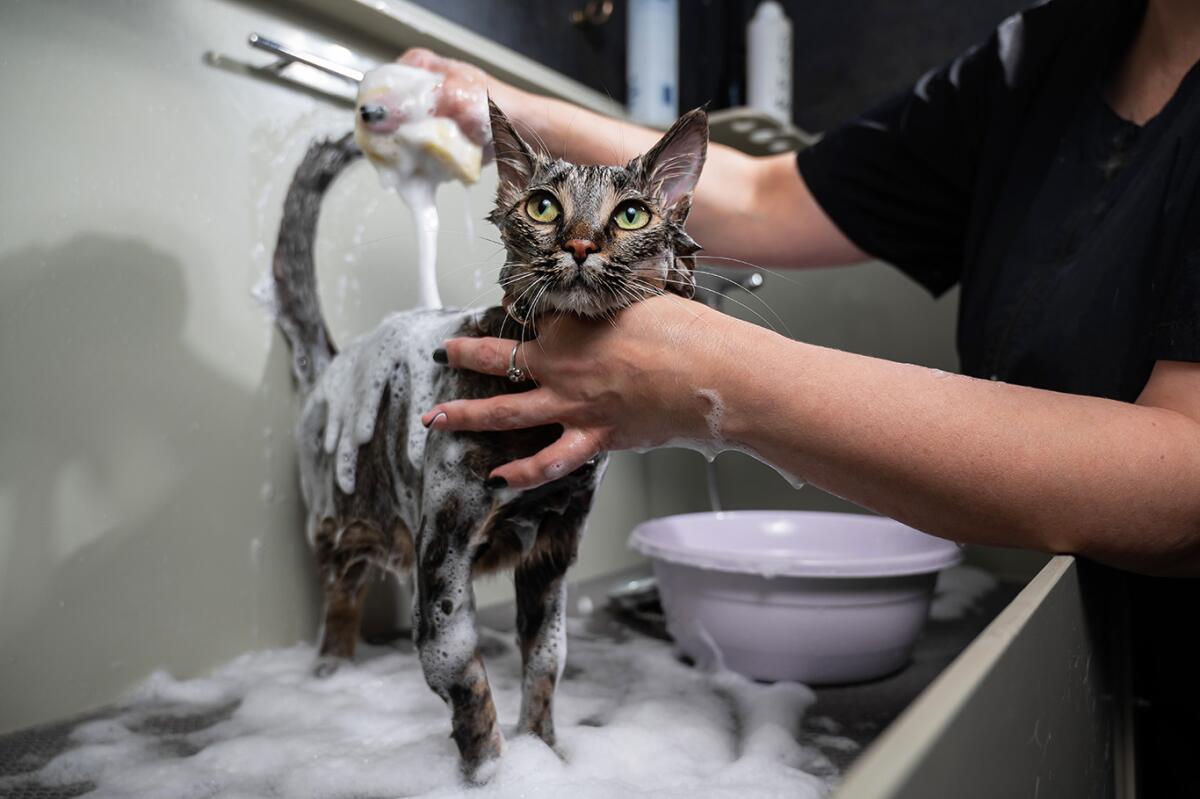
Have you ever wondered why some cat owners choose to bathe and groom their cats regularly? It might seem unusual since cats are known for cleaning themselves.
But when you take a closer look, bathing and grooming your cat can make a big difference in their health and happiness. If you want your furry friend to feel comfortable, look their best, and stay healthy, understanding why and how to bathe groom cats is key.
Keep reading to discover simple reasons that could change the way you care for your feline companion forever.
Benefits Of Bathing Groom Cats
Bathing your groom cat offers more than just a clean coat. It actively supports their overall health and comfort. Understanding the benefits can motivate you to keep this grooming habit consistent and effective.
Maintaining Coat Health
Regular baths help remove dirt, debris, and excess oils from your cat’s fur. This keeps the coat shiny and smooth, preventing it from becoming matted or dull. Have you noticed how a clean coat reflects your cat’s well-being?
Reducing Shedding And Hairballs
Bathing helps loosen dead fur that your cat might otherwise swallow during self-grooming. This reduces the amount of loose hair floating around your home and cuts down hairball formation. Imagine fewer coughs and less fur on your furniture—sounds like a win for both you and your cat.
Controlling Allergens
If you or someone in your family has allergies, bathing your cat can lower the amount of dander they spread. This simple step can make a big difference in indoor air quality. Are you ready to breathe easier without giving up your furry friend?
Preventing Skin Issues
Bathing helps spot and remove irritants like fleas, dirt, and allergens that can cause skin problems. It also allows you to check your cat’s skin for unusual bumps or redness early on. Catching issues early can save your cat from discomfort and costly vet visits.
When To Bathe Groom Cats
Bathing groom cats is essential for their health and comfort. Knowing when to bathe them helps keep their coat clean and skin healthy. Bathing too often or too little can cause problems. Understanding the right time for a bath ensures your cat stays happy and fresh.
Signs Your Cat Needs A Bath
Watch for these signs that show your cat needs a bath:
- Strong odor from their fur
- Visible dirt or grease on their coat
- Excessive shedding or dandruff
- Sticky or matted fur
- After contact with something harmful or sticky
These signals mean a bath can help your cat feel clean and comfortable.
Frequency Of Bathing
Most cats groom themselves well. Bathing every 4 to 6 weeks is enough for most groom cats. Cats with skin conditions may need baths more often. Long-haired cats might need baths more frequently to avoid mats. Overbathing dries out their skin and coat. Follow your vet’s advice for the best schedule.
Seasonal Considerations
Bathing needs change with seasons. Cats may need baths more in summer to remove dirt and sweat. Winter baths should be less frequent to avoid dry skin. Warm water helps in cold months. Monitor your cat’s coat and skin for seasonal changes. Adjust bath times based on their comfort and condition.
Preparing For Cat Bath Time
Preparing your cat for bath time is essential to make the experience smoother for both of you. Cats are sensitive creatures, and a little preparation can reduce their stress and help you avoid scratches. Let’s look at key steps to get ready before the water hits the fur.
Choosing The Right Shampoo
Your cat’s skin and fur need special care, so pick a shampoo made specifically for cats. Human shampoos or dog shampoos can irritate their skin or cause allergic reactions. Look for shampoos that are gentle, hypoallergenic, and free from harsh chemicals.
Have you checked the ingredients on your current pet shampoo? Avoid anything with fragrances or dyes that might upset your cat’s sensitive nose. If your cat has skin problems, ask your vet for a medicated shampoo recommendation.
Gathering Necessary Supplies
Before bath time, gather all supplies within reach to avoid leaving your cat unattended in the water. You’ll need:
- Cat shampoo
- A cup or handheld sprayer for rinsing
- Several clean towels
- A non-slip mat for the sink or tub
- A brush for pre-bath grooming
- Treats to reward calm behavior
Having everything ready helps you focus on your cat instead of scrambling for items. Does your bathing spot have good lighting and easy cleanup?
Setting Up A Calm Environment
Your cat will pick up on your mood, so stay calm and speak softly throughout the process. Choose a quiet room where your cat feels safe, away from loud noises or other pets. Dim the lights slightly if it helps reduce overstimulation.
Try playing soft music or using pheromone sprays designed to relax cats. You might be surprised how much a peaceful setting helps your cat stay relaxed. How can you adjust your space to make bath time less stressful for your feline friend?

Credit: www.latimes.com
Step-by-step Bathing Guide
Bathing your groom cat can seem challenging, but breaking it down into clear steps makes the process smoother for both you and your feline friend. Each stage plays a vital role in ensuring your cat feels safe and comfortable while getting clean. Ready to make bath time a better experience? Let’s walk through the essential steps together.
Brushing Before Bathing
Start by gently brushing your cat’s fur to remove loose hair and untangle any mats. This step helps prevent knots from tightening during the bath, which can be painful for your cat.
Pay attention to areas where mats usually form, like behind the ears and under the legs. Brushing also calms your cat, making the next steps less stressful.
Water Temperature Tips
Use lukewarm water—neither too hot nor too cold. Cats are sensitive to temperature, and uncomfortable water can cause resistance or stress.
Test the water on your wrist before wetting your cat. Aim for a temperature similar to what you’d use for a baby’s bath.
Washing Techniques
Apply a small amount of cat-friendly shampoo and work it into a gentle lather. Avoid the face and ears to prevent irritation or water getting into sensitive areas.
Use slow, calm strokes and speak softly to soothe your cat. Washing in sections can help you focus and avoid overwhelming your pet.
Rinsing Thoroughly
Rinse all shampoo out carefully to avoid residue, which can cause itching or skin problems. Use a cup or handheld sprayer for better control.
Check that the water runs clear and that no suds remain, especially under the belly and near the tail.
Drying Methods
Wrap your cat in a soft towel and gently pat dry. Avoid rubbing vigorously, as it can tangle fur and irritate the skin.
If your cat tolerates it, use a low-heat hairdryer at a distance. Otherwise, let your cat air dry in a warm, draft-free room.
Handling Common Challenges
Bathing groom cats helps remove dirt and loose hair, keeping their coat clean and healthy. It also reduces shedding and prevents skin problems. Handling these challenges makes grooming easier for both you and your cat.
Handling common challenges when bathing and grooming cats can be tricky. Cats are naturally independent creatures. They may resist grooming activities. Understanding and managing these challenges is crucial. It ensures a stress-free experience for both you and your pet.Managing A Nervous Cat
Cats can get anxious during baths. A nervous cat may hiss or hide. Prepare the bathing area in advance. Use a non-slip mat to prevent slipping. Speak softly and calmly. This reassures your cat. Treats can be a great distraction. Reward calm behavior with a small treat. It helps build a positive association with bath time.Dealing With Scratches And Bites
Scratches and bites are common during baths. Wear long sleeves to protect your arms. Trim your cat’s nails before the bath. This reduces the risk of scratches. Use a gentle touch while handling your cat. Avoid sudden movements that may startle them. If your cat becomes aggressive, pause and let them calm down.Keeping Your Cat Calm
Keeping your cat calm is essential for successful grooming. Start by creating a soothing environment. Play relaxing music at a low volume. Ensure the water temperature is comfortable. Lukewarm water is ideal. Use gentle, cat-safe shampoos. Avoid getting water in their eyes and ears. Always have a towel ready for drying. This helps keep them warm after the bath.Alternative Grooming Options
Bathing cats can be tricky and stressful for both owners and pets. Luckily, there are easier ways to keep your cat clean and healthy. Alternative grooming options help maintain your cat’s hygiene without the hassle of a full bath. These methods suit cats who dislike water and make grooming less stressful.
Using Dry Shampoo
Dry shampoo is a great choice for cats that avoid water. It absorbs oils and dirt from the fur. Simply spray or sprinkle the dry shampoo on your cat’s coat. Then, gently rub it in and brush out the residue. This method freshens your cat’s fur and reduces odors. Dry shampoo is quick and does not require rinsing, making it less scary for cats.
Professional Grooming Services
Professional groomers have experience handling cats safely. They offer baths, hair trims, nail clipping, and ear cleaning. Grooming salons use special tools and gentle products made for pets. A groomer can remove mats and tangles that are hard to handle at home. Regular visits keep your cat comfortable and clean without stress.
Regular Brushing Benefits
Brushing your cat often helps prevent mats and hairballs. It removes loose fur and dirt from the coat. Brushing also spreads natural oils, making the fur shiny and healthy. It is a calm, bonding activity for you and your cat. Choose a brush suited to your cat’s fur type for best results.
Health Indicators To Monitor
Bathing and grooming cats is more than just keeping them clean. It helps spot health issues early. Watching your cat’s skin and coat can show signs of problems. These signs often appear before other symptoms. Regular checks help keep cats healthy and comfortable.
Spotting Skin Irritations
Check your cat’s skin for redness or bumps. Look for dry patches or flaky skin. These signs may mean irritation or infection. Notice if your cat scratches more than usual. Watch for swelling or sores. Early spotting helps prevent serious skin problems.
Recognizing Allergic Reactions
Allergies can cause itching and redness. Your cat might lick or bite certain areas often. Swelling around the eyes or face can occur. Hair loss in spots may also appear. Watch for sudden changes after new food or products. Identifying allergies early helps avoid discomfort.
When To Consult A Vet
- Skin wounds that do not heal quickly
- Severe redness or swelling
- Continuous scratching or biting
- Unusual lumps or bumps
- Hair loss in large areas
These signs need professional care. A vet can diagnose and treat properly. Don’t wait if your cat shows these symptoms. Early treatment improves recovery and comfort.

Credit: www.latimes.com
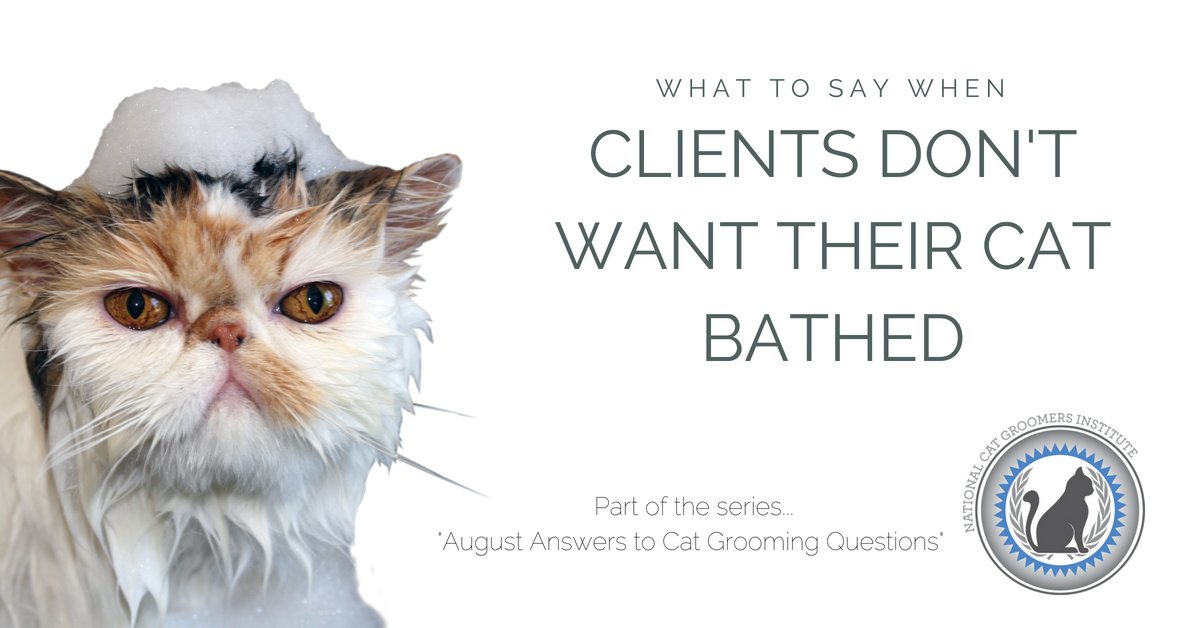
Credit: nationalcatgroomers.com
Frequently Asked Questions
Why Is Bathing Important For Groom Cats?
Bathing removes dirt, loose fur, and allergens from groom cats. It keeps their skin healthy and reduces shedding. Regular baths also prevent matting and control odors, ensuring your cat stays clean and comfortable.
How Often Should You Bathe Groom Cats?
Most groom cats benefit from a bath every 4 to 6 weeks. Frequency depends on coat type, lifestyle, and skin condition. Overbathing can dry their skin, so balance is key for healthy grooming.
Can Bathing Reduce Cat Hairballs?
Yes, bathing helps remove loose fur and dander that cause hairballs. It supports regular grooming and reduces the amount of fur your cat ingests, minimizing hairball formation and promoting digestive health.
What Products Are Safe For Bathing Groom Cats?
Use cat-specific shampoos that are gentle and pH-balanced. Avoid human or dog shampoos as they can irritate cat skin. Look for hypoallergenic and fragrance-free options to protect sensitive skin.
Conclusion
Bathing and grooming cats keep them clean and healthy. It helps remove dirt, loose fur, and prevents skin problems. Regular care reduces shedding and bad smells. It also strengthens the bond between you and your pet. Cats feel more comfortable and happy after grooming.
Simple steps make grooming easier and less stressful. Try to make baths quick and gentle for your cat’s safety. Overall, bathing and grooming support your cat’s well-being every day. A little care goes a long way in keeping cats content.

Leave a Reply