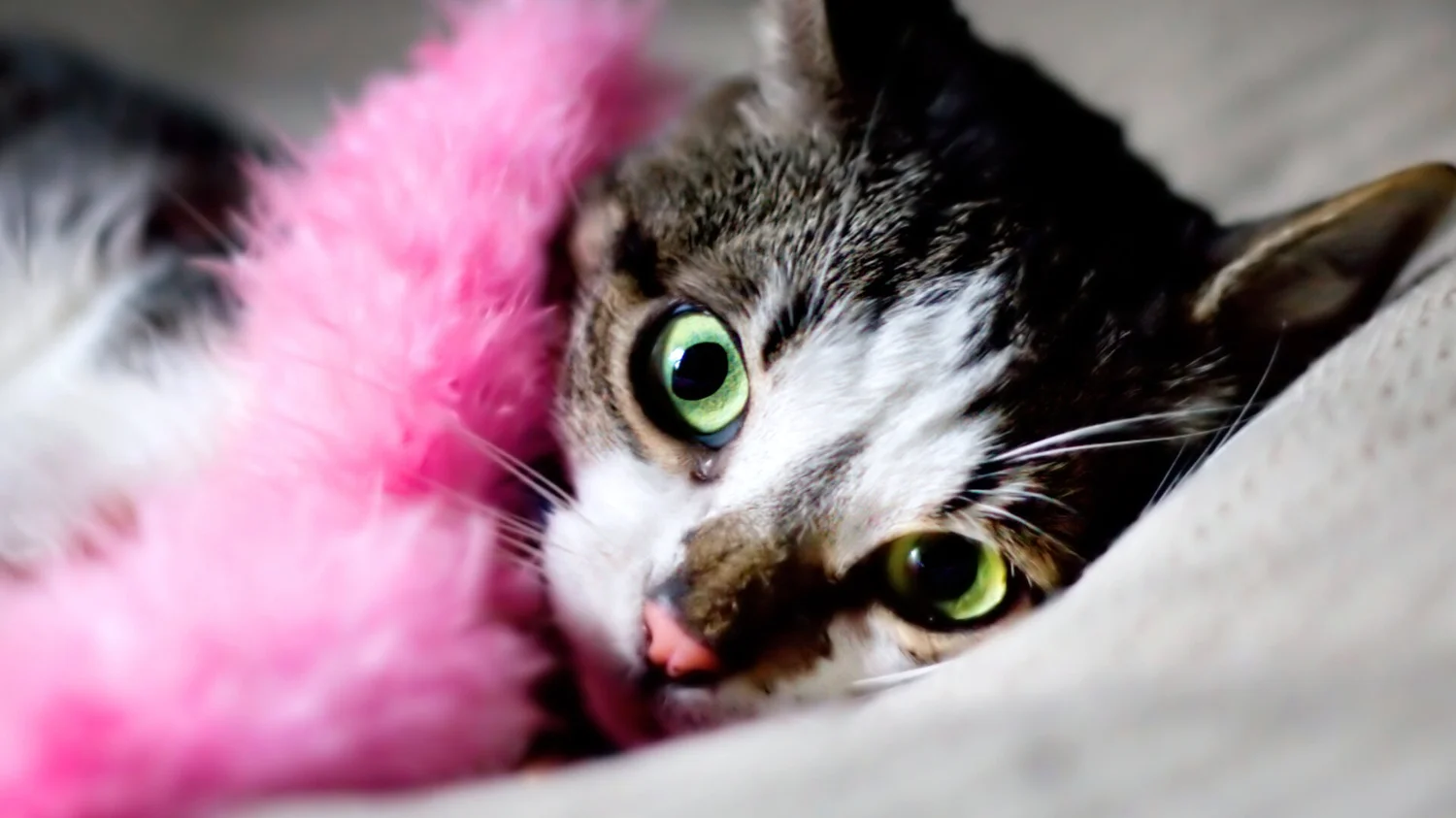
Have you ever noticed your cat meowing while playing with a toy and wondered why? It’s a curious behavior that can leave you guessing what’s going on inside your furry friend’s mind.
Understanding why your cat meows during play can help you connect with them better and make playtime even more enjoyable. You’ll discover the surprising reasons behind those little meows and what they mean for your cat’s happiness and health. Keep reading—you’ll be amazed at what your cat is trying to tell you!
Cat Communication Through Meowing
Cats communicate in many ways, and meowing is one of them. Each meow tells a story, especially during playtime. Understanding these vocal cues helps strengthen your bond with your feline friend. Let’s explore the fascinating world of cat communication through meowing.
Different Types Of Meows
Cats use different meows for different purposes. A short, high-pitched meow might signal excitement. A low-pitched, longer meow could show frustration. Some cats even have a unique trill or chirp. These sounds often express happiness or curiosity.
Each cat has its own vocal style. Paying attention to your cat’s specific meows is key. You can learn what each sound means in different contexts.
What Meowing Means During Play
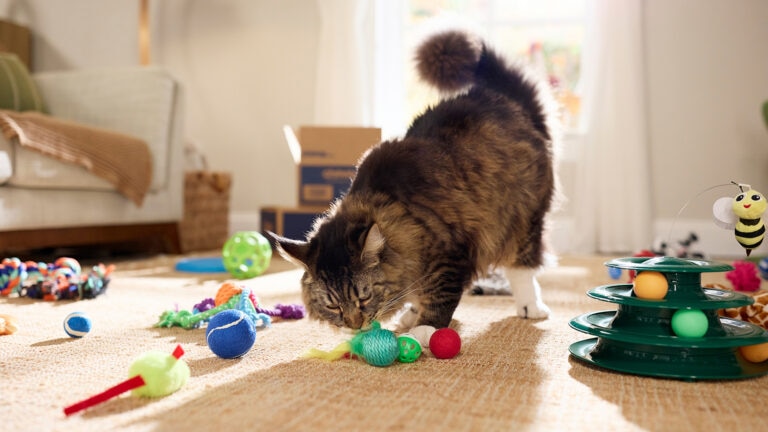
When cats meow during play, they might be engaging with their toys. A playful meow can indicate they’re having fun. It may also be a way to mimic hunting. Cats often make specific sounds while pouncing or chasing.
Some cats meow to express their satisfaction. Others might do so to communicate with you. They could be inviting you to join in their play.
Observing your cat’s behavior while they meow provides insights. You can better understand their needs and emotions during playtime.
Credit: www.chewy.com
Emotions Behind Playtime Meows
Cats use meows to express many feelings during play. These sounds reveal what your cat feels inside. Playtime meows often show emotions like joy or frustration. Understanding these helps you bond with your cat better. It also improves how you play together.
Excitement And Joy
When your cat meows while playing, it often means happiness. Your cat feels excited chasing toys or pouncing on them. These meows are short and sharp, full of energy. They show your cat enjoys the game and wants more.
Playtime meows can also invite you to join in. Your cat uses sounds to get your attention. It loves the fun and shares this joy through meowing.
Frustration Or Overstimulation
Sometimes, meowing during play means your cat feels frustrated. The toy might be hard to catch or out of reach. These meows sound louder or more urgent. They express a wish to succeed or get your help.
Overstimulation can also cause meowing. Too much play without breaks tires your cat. The sounds may turn into complaints or warnings. This tells you to slow down or stop the game.
Instincts Triggered By Toys
Toys don’t just entertain your cat—they tap into deep-rooted instincts that have been passed down from their wild ancestors. When your cat meows during play, it’s often a sign that these natural behaviors are activated. Understanding these instincts can help you connect better with your feline friend and provide more fulfilling playtime experiences.
Hunting Behavior
Your cat’s meowing while playing is closely tied to their hunting instinct. Toys mimic prey, like birds or mice, triggering stalking, pouncing, and capturing behaviors. The meow can be a way to express excitement or even frustration when the ‘prey’ gets away.
Think about how your cat reacts to a feather wand or a laser pointer—do they vocalize more as they get closer to catching it? This shows their natural drive to hunt is alive and well, even indoors.
Territorial Signals
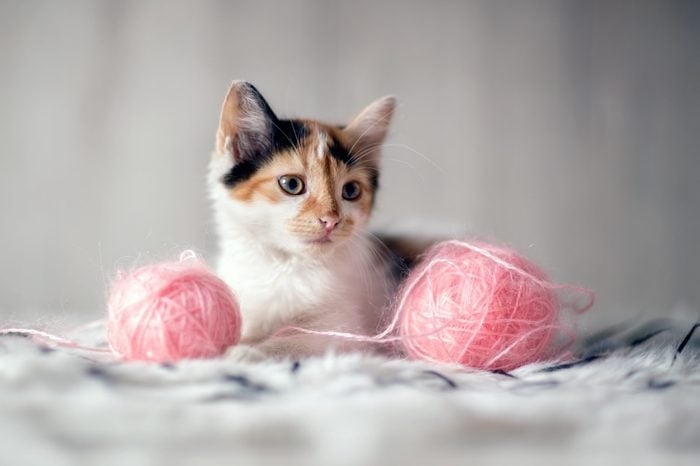
Meowing while playing can also serve as a territorial signal. Your cat might be “claiming” the toy as their own, especially if other pets are nearby. The sound acts like a verbal marker, saying, “This is mine.”
Have you noticed if your cat’s meows change when another cat or pet approaches their play area? This vocalization helps them assert control and feel secure in their environment.
Credit: www.rd.com
Attention-seeking Meows
Cats often meow during play to grab your attention. These meows are different from regular calls. They show your cat wants more than just fun—they want you involved.
Attention-seeking meows during play mean your cat hopes to connect with you. They may want you to join or respond. This behavior helps build a stronger bond and keeps your cat happy and active.
Inviting Interaction
Your cat’s meow can be an invitation to play together. They want you to chase the toy or wave it around. This makes the game more exciting for them.
When your cat meows, they might be asking you to:
- Move the toy faster
- Change the toy’s position
- Engage in a playful chase
This vocal cue helps your cat feel involved and less lonely.
Expressing Boredom
Sometimes, your cat meows because the toy alone is not enough. They may feel bored and want more action.
Meowing during play can signal that your cat:
- Needs a new type of toy
- Wants longer playtime
- Craves more attention from you
Listening to these meows helps you keep your cat mentally and physically stimulated.
Health And Comfort Factors
Health and comfort play a big role in why cats meow while playing with toys. Cats use vocal sounds to share how they feel. Sometimes, meowing is a sign of discomfort or changes in their body. Paying attention to these sounds helps keep cats happy and healthy.
Pain Or Discomfort
Cats may meow if a toy causes pain. Sharp edges or small parts can hurt their paws or mouth. If a cat suddenly meows more during play, it might feel pain or discomfort. Watch for limping or avoiding certain toys. These signs suggest a visit to the vet might be needed.
Age And Vocal Changes
Older cats often change how they meow. Aging affects their voice and energy. Older cats may meow more or differently during play. This can be due to changes in their throat or hearing loss. Adjusting playtime to their comfort level helps keep them active and happy.
How To Respond To Playtime Meows
Understanding how to respond to your cat’s meows during playtime can deepen your bond and make play more enjoyable for both of you. These sounds are your cat’s way of communicating excitement, frustration, or even a request for interaction. Paying attention to these cues helps you tailor your responses, ensuring the play session is fun and satisfying.
Enhancing Play Experience
When your cat meows while playing, try to match their energy. Use toys that encourage interactive play, like wand toys or laser pointers, to keep them engaged.
Respond verbally with a soft tone or mimic their meows to show you’re part of the fun. This kind of feedback can motivate your cat to play longer and feel more connected to you.
Also, observe if your cat’s meows increase when a toy is hard to catch. This might mean they want you to help or make the game easier. Adjust your play style accordingly to keep frustration low and enjoyment high.
Recognizing When To Seek Vet Advice
Not all meows during play are normal. If your cat’s meowing sounds distressed, is unusually loud, or accompanied by signs of pain, pause the game and watch closely.
Look for other symptoms like limping, swelling, or changes in appetite. These could indicate an injury or health problem that needs a vet’s attention.
As a cat owner, you know your pet’s behavior best. If you ever feel unsure about their meowing or behavior during play, it’s better to consult your vet rather than ignore potential warning signs.

Credit: moderncat.com
Frequently Asked Questions
Why Does My Cat Meow While Playing With Toys?
Cats meow during play to communicate excitement or to get your attention. It mimics hunting sounds, reflecting their natural instincts. This behavior shows they are engaged and enjoying the activity.
Is Meowing During Play A Sign Of Stress?
Usually, meowing while playing is not stress-related. It indicates excitement or interaction. However, loud or frequent meows could signal discomfort or frustration. Observe your cat’s body language for better understanding.
Can Meowing Mean My Cat Wants Help With The Toy?
Yes, cats may meow to ask for assistance if a toy is stuck or hard to reach. They communicate their need for interaction or help to keep the play fun and engaging.
Does Meowing During Play Indicate My Cat’s Mood?
Meowing often reflects a cat’s positive mood during play. It shows enthusiasm and engagement. If combined with relaxed body language, it confirms your cat is happy and stimulated.
Conclusion
Cats meow while playing to share excitement and attention. This behavior helps them communicate feelings and stay engaged. Understanding their meows builds a stronger bond between you and your pet. Enjoy these moments—they show your cat feels happy and safe.
Keep playing and listening to your cat’s unique sounds. It makes playtime more fun for both of you. Watching and learning from your cat’s behavior deepens your connection. Play is not just fun but a way cats express themselves clearly.


Leave a Reply