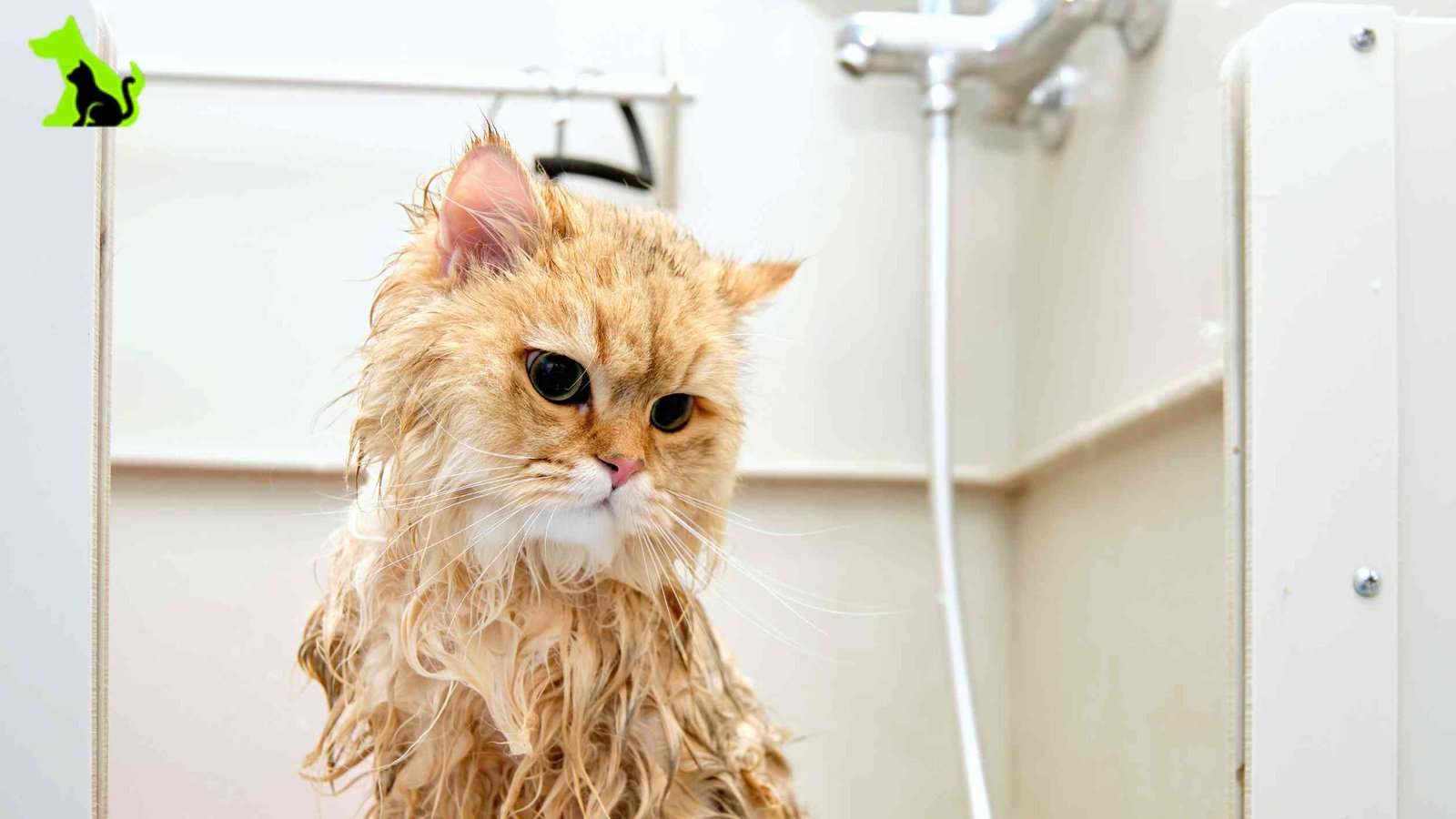
Grooming your cat can feel like a challenge when your furry friend is tense or restless. You want to keep your cat clean and healthy, but how do you make the process calm and stress-free for both of you?
If you’ve struggled with a scared or squirmy cat during grooming, you’re not alone. The good news is, there are simple and effective ways to help your cat relax and even enjoy grooming time. You’ll discover easy tips to ease your cat’s anxiety and turn grooming into a peaceful, bonding experience.
Keep reading to learn how to make grooming a moment your cat looks forward to.
Recognize Stress Signs
Recognizing stress signs in your cat is key to a calm grooming session. Cats often hide discomfort or fear. Spotting stress early helps prevent anxiety and scratching. Watch closely for subtle clues in their body and behavior.
Body Language Cues
- Flattened ears point to fear or irritation.
- Tail twitching or flicking signals agitation.
- Wide eyes with dilated pupils show stress.
- Hunched posture means your cat feels unsafe.
- Sudden freezing or stiff muscles hint at tension.
Vocalizations To Watch
- Growling or hissing warns of discomfort.
- Low-pitched meows may express annoyance.
- High-pitched yowling often means fear.
- Silent meows can show confusion or stress.
Behavioral Changes
- Trying to hide or escape is a big red flag.
- Aggressive swatting or biting shows extreme stress.
- Excessive licking or grooming may indicate anxiety.
- Loss of appetite or sudden inactivity can happen.

Credit: www.angiesmobilepetstyling.com
Create A Calm Environment
Creating a calm environment helps your cat stay relaxed during grooming. Cats feel safer in quiet, comfortable spaces. A peaceful setting lowers stress and makes grooming easier for both of you.
Choose The Right Location
Pick a small, quiet room for grooming sessions. Avoid busy areas with lots of movement. A familiar spot where your cat often rests works best. Keep the space clean and free from distractions.
Control Noise And Lighting
Turn off loud appliances and close windows to block outside noise. Soft, natural light helps your cat feel calm. Avoid bright or flickering lights that might startle your pet. Use gentle lighting to create a soothing atmosphere.
Use Soothing Scents
Certain scents can help calm your cat during grooming. Use pheromone sprays designed for cats to reduce anxiety. Lavender or chamomile scents may also have a relaxing effect. Keep scents mild and avoid strong perfumes or chemicals.
Prepare Your Cat
Creating a calm space helps your cat feel safe before grooming. Gentle petting and soft voices can ease anxiety and build trust. Let your cat explore the grooming tools to reduce fear and make the experience smoother.
Preparing your cat for grooming can be a rewarding experience if done correctly. Cats, known for their independence, may not always welcome the idea of grooming. However, with patience and the right approach, you can help your feline friend feel more comfortable and relaxed. Here are some practical steps to ensure a smooth grooming session.Establish A Routine
Cats thrive on routine. By introducing a regular grooming schedule, your cat will begin to anticipate and get accustomed to the process. Start by choosing a consistent time and place for grooming sessions. This helps your cat associate grooming with predictability, reducing any anxiety they might feel.Introduce Grooming Tools Slowly
Sudden introduction of grooming tools can be overwhelming for cats. Begin by allowing your cat to sniff and explore the tools without any pressure. Gradually, you can start using them in short, gentle sessions. This slow introduction helps build trust and makes the tools seem less intimidating.Offer Treats And Rewards
Positive reinforcement goes a long way in making grooming a pleasant experience. Keep a stash of your cat’s favorite treats handy during grooming sessions. Reward them after each session or whenever they show calm behavior. This association of grooming with treats will make them more willing participants. By preparing your cat with these steps, you’ll create a more relaxed environment for both you and your feline friend. Have you tried these methods before, or do you have other tips that work wonders for your cat?Gentle Handling Techniques
Handling your cat gently during grooming can make a big difference in their comfort and cooperation. Cats are sensitive creatures, and the way you touch and hold them sets the tone for the entire session. Using calm, careful techniques helps your cat feel safe and reduces stress for both of you.
Proper Restraint Methods
Restraint should never feel like a struggle or cause your cat distress. Instead, use light but firm support to keep your cat steady.
- Wrap your cat in a soft towel to limit sudden movements without causing panic.
- Hold your cat close to your body for security, supporting their chest and hindquarters gently.
- Use minimal restraint—avoid squeezing or forcing your cat into uncomfortable positions.
Have you noticed how your cat relaxes more when you hold them securely but softly? That balance is key.
Slow And Smooth Movements
Quick or jerky motions can startle your cat and increase anxiety. Moving slowly shows your cat you mean no harm.
- Approach your cat calmly and speak softly to ease their nerves.
- Brush or comb with steady, gentle strokes instead of abrupt ones.
- Pause if your cat tenses, allowing them to adjust before continuing.
Think about how you feel when someone moves suddenly near you. Cats experience the same discomfort. How can you slow your movements to make grooming more peaceful?
Avoiding Sensitive Areas
Every cat has spots they dislike being touched. Identifying and respecting these zones prevents unnecessary stress.
- Many cats are sensitive around the belly, tail, and paws.
- Start grooming with less sensitive areas like the back or sides to build trust.
- Gradually work toward more sensitive spots only if your cat remains calm.
Have you tried noticing where your cat pulls away or twitches? Avoiding those areas until your cat is relaxed can transform grooming into a positive experience.
Use Relaxation Aids
Using relaxation aids helps calm your cat during grooming. These aids reduce stress and make grooming easier. Cats respond well to certain scents and supplements that create a peaceful environment.
Calming Sprays And Diffusers
Calming sprays and diffusers release soothing scents around your cat. These scents mimic natural smells that comfort cats. Sprays can be applied to your hands or grooming tools. Diffusers work by spreading the scent in the room over time. Both help reduce anxiety and keep your cat relaxed.
Pheromone Products
Pheromone products mimic the natural signals cats use to feel safe. They come in sprays, collars, and diffusers. These products help lower stress by creating a sense of security. Pheromones can calm your cat before and during grooming sessions. Using them regularly builds a calmer grooming routine.
Natural Supplements
Natural supplements support calm behavior in cats. Ingredients like chamomile and valerian root are popular choices. These supplements come as treats, powders, or liquids. Consult your vet before using any supplement. Natural aids can improve your cat’s mood and ease grooming stress.

Credit: pawsona.com
Short Grooming Sessions
Short grooming sessions can make a big difference when trying to keep your cat calm and cooperative. Cats often become overwhelmed if grooming takes too long, so keeping sessions brief helps them stay relaxed. It also allows you to build trust gradually, making grooming a more positive experience for both of you.
Break Tasks Into Steps
Instead of trying to do everything at once, split grooming into small, manageable parts. You might start with brushing just a few strokes or trimming a single nail. This helps your cat get used to each action without feeling stressed.
Think about how you handle new activities—would you want to do everything all at once? Your cat feels the same way. Breaking tasks down gives them time to adjust and feel safe.
Monitor Cat’s Comfort
Watch your cat’s body language closely during grooming. Signs like tail flicking, ears flattening, or sudden movements mean it’s time for a break. Respecting these signals shows your cat you understand their limits.
If your cat tenses up or tries to escape, pause and give them a moment to relax. You can even try gentle petting or talking softly to soothe them before continuing.
Gradually Increase Session Length
Start with just a few minutes and slowly add time as your cat becomes more comfortable. This builds their tolerance without causing anxiety. Over days or weeks, those short sessions can grow into longer, stress-free grooming routines.
Have you noticed your cat reacting differently as you increase the grooming time? Adjust the pace based on their response to make the process smoother and more enjoyable for both of you.
Post-grooming Comfort
After grooming, a cat needs calm and comfort to feel safe and relaxed. Post-grooming comfort helps reduce stress and builds trust between you and your pet. It also makes future grooming sessions easier and more pleasant for both of you.
Provide Quiet Time
Give your cat a calm space away from noise and activity. A quiet room with soft bedding helps your cat rest and recover. Avoid loud sounds or sudden movements that might startle your pet.
Offer Extra Affection
Gentle petting and soft words soothe your cat after grooming. Focus on areas your cat enjoys being touched. Watch your cat’s body language to avoid overstimulation.
Reward With Favorite Treats
Give your cat small, tasty treats to create positive memories. Use treats your cat loves and offer them slowly. Rewards help your cat associate grooming with good experiences.

Credit: www.amazon.ca
Frequently Asked Questions
How Can I Calm My Cat Before Grooming?
Calm your cat by creating a quiet, comfortable space. Use soft voices and gentle petting to relax it. Introduce grooming tools slowly and reward your cat with treats for good behavior. Consistent positive experiences help reduce stress during grooming sessions.
What Grooming Tools Help Relax A Cat?
Soft brushes and combs with gentle bristles help relax cats. Avoid sharp or loud tools that may scare them. Use grooming gloves for sensitive cats. Choosing the right tools makes grooming less stressful and more pleasant for your pet.
How Long Should Grooming Sessions Last?
Keep grooming sessions short, around 5 to 10 minutes. Gradually increase the time as your cat gets comfortable. Short sessions prevent stress and help your cat associate grooming with positive experiences. Frequent, brief sessions are better than long, stressful ones.
Can Treats Help Relax A Cat During Grooming?
Yes, treats can reward calm behavior and create positive associations. Offer small, tasty treats before, during, and after grooming. This encourages your cat to stay relaxed and cooperative. Treats help make grooming a pleasant routine.
Conclusion
Relaxing your cat during grooming helps keep them calm and happy. Gentle touches and soft words make a big difference. Take breaks if your cat feels stressed or restless. Patience and kindness build trust over time. A calm cat makes grooming easier for both of you.
Try these tips to create a peaceful grooming routine. Small steps lead to better experiences for your pet. Keep the process simple and gentle every time. Your cat will thank you with purrs and cuddles.


Leave a Reply