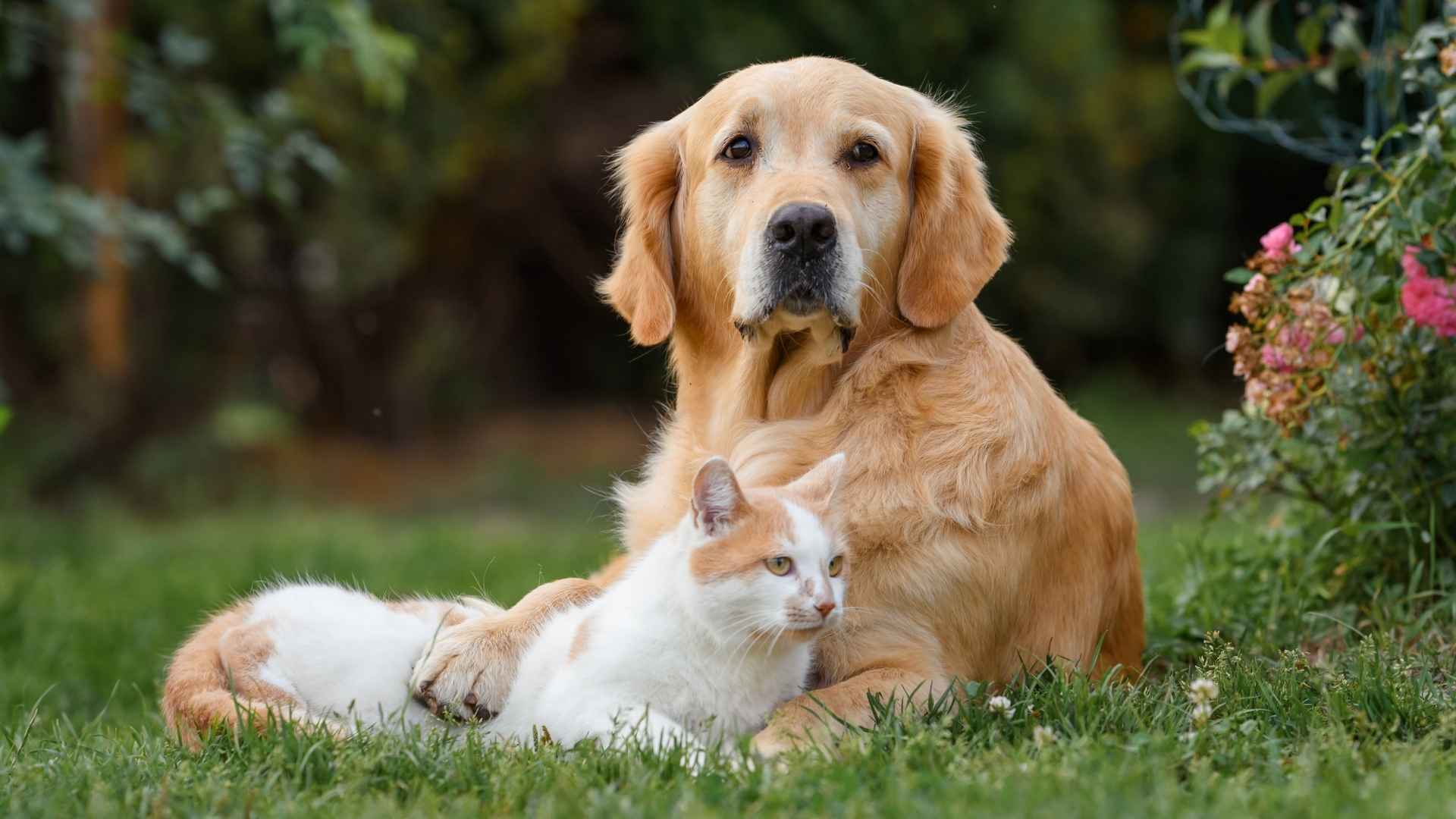
Are you wondering if your dog and cat can actually be best friends? You’re not alone.
Many pet owners worry about whether their furry companions will get along or constantly clash. The good news is, some dog and cat breeds naturally click better than others. Understanding which breeds are more likely to live in harmony can save you stress and help create a peaceful home.
Keep reading to discover the breeds that tend to be great pals—and how you can help your pets build a strong bond.
Traits That Promote Harmony
Creating a peaceful home where dogs and cats coexist happily depends a lot on certain traits that encourage harmony. Understanding these traits helps you choose breeds that complement each other, making daily life smoother. Let’s look at key factors that play a role in building that balance.
Temperament Factors
Temperament plays a huge role in how well dogs and cats get along. Calm and patient animals tend to adjust better to new companions. For instance, a gentle Golden Retriever often adapts well to sharing space with a laid-back cat breed like the British Shorthair.
On the other hand, breeds with high prey drive or dominance may struggle to coexist peacefully with cats. Ask yourself: does your dog get overly excited or aggressive around small animals? If yes, those traits might create tension rather than harmony.
Energy Level Compatibility
Matching the energy levels of your dog and cat can prevent conflicts and frustration. A high-energy Border Collie might overwhelm a sleepy Persian cat, leading to stress on both sides. Choose pairs where activity levels align, such as a playful Beagle with an active Bengal cat.
Think about your own lifestyle too—can you keep up with the exercise needs of both pets? When energy levels sync, your pets are more likely to engage positively with each other.
Socialization Importance
Socialization is key to helping dogs and cats live peacefully. Pets exposed to other animals early on tend to be more accepting and less fearful. If your dog has had positive experiences with cats before, chances are they’ll be friendlier.
Introduce your pets slowly and watch their body language carefully. Patience during socialization can turn initial wariness into trust and even friendship.

Credit: www.dailyrecord.co.uk
Dog Breeds Known For Friendliness
Some dog breeds are known for their friendly nature. These dogs often get along well with cats. Their calm and gentle behavior helps build trust. Friendly dogs create a peaceful home for all pets. They enjoy company and rarely show aggression. Choosing the right dog breed can make pet harmony easier.
Gentle Giants
Gentle giants are large dogs with soft hearts. They often tolerate cats and small animals well. Their calm demeanor makes them less likely to scare pets. Breeds like the Great Dane and Newfoundland fit this group. These dogs are patient and enjoy quiet companionship.
Playful Companions
Playful companions love to interact with other pets. They have a fun-loving and social attitude. Breeds such as the Labrador Retriever and Golden Retriever belong here. These dogs enjoy games and often include cats in play. Their friendly energy helps build strong pet friendships.
Easygoing Small Breeds
Small breeds with easygoing temperaments often get along with cats. They are not too loud or aggressive. Breeds like the Cavalier King Charles Spaniel and Bichon Frise are good examples. These dogs adapt well to living with cats. Their gentle nature supports peaceful home life.
Cat Breeds That Adapt Well
Not all cats adjust easily when a dog enters their home. Some breeds naturally handle new companions better, making life smoother for everyone. Knowing which cats adapt well helps you create a peaceful, happy environment for both pets.
Affectionate Cats
Affectionate cat breeds often welcome canine friends with open paws. They enjoy close contact and aren’t easily stressed by new faces. The Ragdoll, known for its gentle nature, often seeks companionship and can form strong bonds with dogs.
Similarly, the Maine Coon is friendly and laid-back, making it a great match for a dog-loving household. Have you noticed how some cats seem to crave social interaction more than others? These affectionate breeds often make the transition easier.
Curious And Social Breeds
Curious cats tend to explore and investigate new animals rather than hide. The Abyssinian, with its playful and inquisitive personality, is a prime example. It thrives in environments where there’s constant activity, including having a dog around.
Another social breed is the Siamese. They are vocal and love engaging with both humans and pets. If your cat shows curiosity instead of fear, it’s a good sign it will adapt well to a dog’s presence.
Calm And Relaxed Cats
Calm cats handle changes without much fuss. The British Shorthair is famous for its easygoing temperament. These cats often stay composed around dogs, avoiding unnecessary stress for both animals.
Similarly, the Scottish Fold enjoys a peaceful home and rarely gets rattled by new companions. When your cat remains relaxed, it’s easier to build a positive dog-cat relationship, making your home more harmonious.
Best Dog And Cat Pairings
Finding the right dog and cat breeds that get along well can make a huge difference in your home’s harmony. Some pairs naturally click due to their temperaments and energy levels. Understanding these pairings helps you create a peaceful and joyful environment for both pets.
Large Dog And Calm Cat Matches
Large dogs often have a lot of energy and enthusiasm, which can overwhelm a cat that prefers quiet. Choosing a calm cat breed, like the Ragdoll or British Shorthair, can balance this dynamic.
These cats tend to be patient and less reactive, helping them stay relaxed around a big dog. If your dog is a gentle giant like a Newfoundland or Bernese Mountain Dog, pairing it with a calm cat reduces stress for both animals.
Have you noticed how a calm cat can almost teach a large dog to slow down? This peaceful coexistence often leads to strong, trusting friendships.
Small Dog And Playful Cat Matches
Small dog breeds, such as Dachshunds or French Bulldogs, often match well with playful cats like the Abyssinian or Siamese. Both tend to have high energy and curiosity, which keeps things fun and engaging.
These pairs enjoy chasing toys and interactive playtime, which can prevent boredom and destructive behavior. However, it’s important to watch their interactions initially to ensure play doesn’t get too rough.
Do you have a small dog that loves to keep active? A playful cat might just be the perfect buddy to share adventures with.
Balanced Energy Pairings
Some dogs and cats have similar energy levels, making their pairing naturally balanced. For example, a Labrador Retriever and a Maine Coon cat often share a friendly, adaptable nature.
These pairs can enjoy long play sessions and quiet downtime together without either feeling overwhelmed. Matching energy helps both pets feel understood and comfortable.
Have you thought about how matching your pets’ energy might ease their adjustment to each other? Balanced energy pairings often lead to smoother introductions and happier homes.
Tips For Introducing Dogs And Cats
Introducing dogs and cats can be smooth with the right approach. Their first meeting shapes their future relationship. Careful planning and patience help create a peaceful home for both pets. Follow these tips to guide their introduction safely and calmly.
Preparing The Environment
Set up separate spaces for each pet before they meet. Use baby gates or pet barriers to allow safe sight and smell exchanges. Remove toys or food that may cause fights. Provide cozy hiding spots for the cat to retreat. Make sure both animals have their own water and bedding. Calm surroundings reduce stress and build confidence.
Step-by-step Introduction Process
Start by letting pets explore each other’s scent. Swap bedding or use a cloth to carry smells between them. Allow them to see each other through barriers without direct contact. Watch their body language closely for signs of stress or curiosity. Gradually increase their time in shared spaces. Reward calm and gentle behavior with treats and praise. Keep sessions short and positive.
Managing Initial Interactions
Supervise all face-to-face meetings closely. Use a leash for the dog to control movements. Let the cat approach at its own pace. Avoid forcing any interaction. Interrupt rough play or aggressive behavior immediately. Offer plenty of breaks to prevent overload. Keep a calm voice and relaxed posture. Positive early experiences build trust between pets.

Credit: tryfurgo.com
Common Challenges And Solutions
Introducing a dog and cat into the same home can bring joy, but it also comes with challenges you need to manage. Understanding common issues helps you create a peaceful environment where both pets feel safe and happy. Let’s dive into some frequent challenges and practical ways to handle them effectively.
Dealing With Territorial Behavior
Territorial disputes often spark tension between dogs and cats. Each animal wants its own space, and conflicts arise when boundaries are crossed.
You can ease territorial behavior by setting up separate zones for each pet. Use baby gates or pet barriers to give your cat safe high spots, and create cozy dog areas away from those zones.
Reward calm behavior around shared spaces with treats and praise. Consistent positive reinforcement teaches your pets that peaceful coexistence brings benefits.
Handling Fear And Anxiety
Fear and anxiety often cause pets to act out or avoid interaction. Cats may hide, while dogs could bark or become restless.
Introduce your pets slowly and calmly. Let them sniff each other’s scent first by swapping blankets or toys before face-to-face meetings.
Watch for signs of stress like pacing, growling, or flattened ears. If you notice these, give them a break and try again later. Patience is key to building trust.
Encouraging Positive Play
Play is a great way for dogs and cats to bond, but not all play styles match. Dogs tend to be rougher, while cats prefer quick, light movements.
Guide playtime by using interactive toys that both can enjoy, like feather wands or laser pointers. This helps you control the pace and avoid overstimulation.
Never force your pets to play together. Instead, reward gentle interactions to encourage good behavior. Have you noticed how a shared game can turn tension into fun?
Signs Of A Successful Bond
A successful bond between dogs and cats shows calm behavior and relaxed body language. They share space without stress and often enjoy gentle play or rest together. Trust grows when both pets feel safe and comfortable around each other.
When dogs and cats share a home, their bond can sometimes be as heartwarming as it is unexpected. Observing the signs of a successful bond between your furry friends can offer peace of mind and joy. These signs can be subtle yet significant, indicating that your pets have found comfort and companionship with each other.Shared Play And Resting
A telltale sign of a harmonious relationship is when your dog and cat engage in play together. Watch how they chase each other around the house or share a toy. It’s not just about the play; it’s about the silent agreement that they both enjoy each other’s company. Resting side by side is another positive sign. If you find them napping together or lounging in the same room, it shows trust. They’re comfortable enough to relax in each other’s presence, a clear indicator of friendship.Mutual Grooming Behaviors
Mutual grooming is a strong indicator of a successful bond. Cats often groom each other to show affection, and when they extend this behavior to a dog, it’s a good sign. Dogs might return the favor with gentle licks, showing they accept the cat as part of their pack. This grooming exchange is a loving ritual, reinforcing their bond daily.Comfortable Coexistence
Observe how your pets share space without tension. A dog and cat that coexist comfortably will respect each other’s boundaries. They won’t compete for resources like food or favorite resting spots. Instead, you’ll notice a peaceful atmosphere where both pets feel secure and happy. Could your pets’ relationship teach us about harmony and respect? By noticing these signs, you can gauge the health of their friendship and ensure a happy home for all.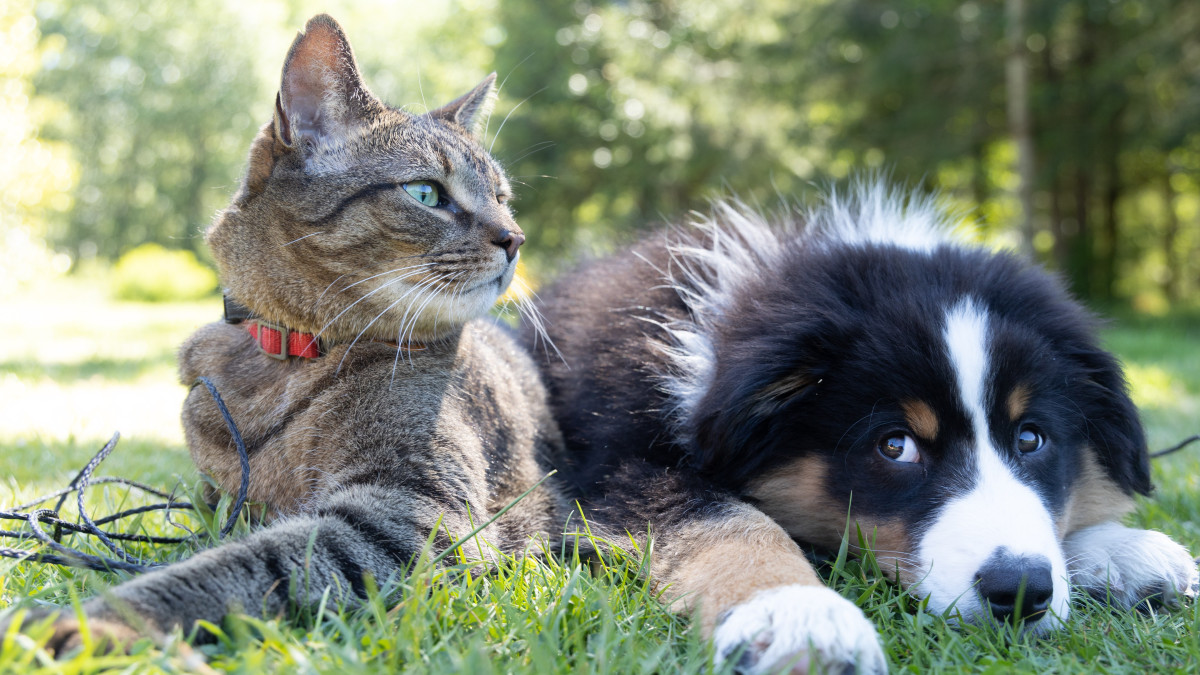
Credit: pethelpful.com
Frequently Asked Questions
Which Dog Breeds Are Best With Cats?
Breeds like Golden Retrievers, Beagles, and Cavaliers are known to get along well with cats. These dogs are generally friendly and gentle, making them more likely to coexist peacefully with feline friends.
What Cat Breeds Adapt Well To Dogs?
Ragdolls, Maine Coons, and Siamese cats often adapt well to living with dogs. These breeds tend to be social, calm, and tolerant, which helps them thrive in multi-pet households.
How To Introduce A Dog To A Cat Safely?
Introduce them slowly in a neutral space and supervise closely. Keep both pets on leashes or in carriers initially to prevent any aggressive behavior.
Can Small Dog Breeds Get Along With Cats?
Yes, many small dog breeds like Pugs, Shih Tzus, and Bichon Frises get along well with cats. Their gentle nature helps foster peaceful relationships between species.
Conclusion
Dogs and cats can live happily together. Choosing friendly breeds helps them bond well. Some dogs are gentle and calm around cats. Certain cats enjoy playful and social dogs. Patience and slow introductions make a big difference. Each pet has its own personality and needs time.
Watch their behavior to keep peace at home. A loving environment helps pets build trust. Happy pets mean a joyful family life. Friends come in all shapes and sizes.




Leave a Reply