Do you love cats but worry about allergies? You might be surprised to learn that your body could react differently to certain cat breeds.
Imagine enjoying the company of a furry friend without the sneezing, itching, or watery eyes. Can you be allergic to only specific cat breeds? This question matters if you want to find the perfect pet without compromising your health. Keep reading to discover how allergies work with cats and which breeds might be easier for you to live with.
Your next cat could be closer than you think!

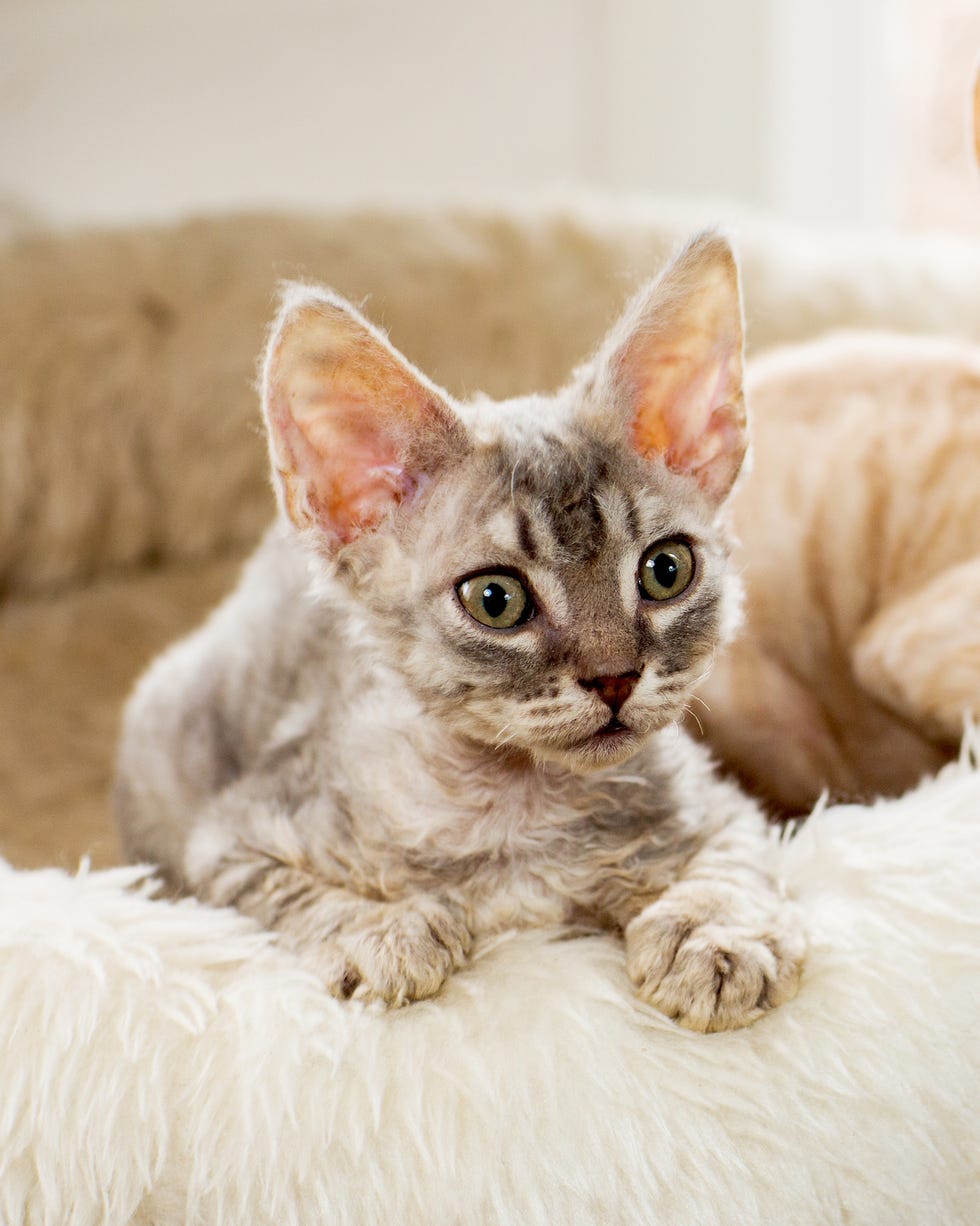
Credit: www.thepioneerwoman.com
Cat Allergies Basics
Cat allergies affect many people worldwide. These allergies cause sneezing, itching, and watery eyes. Understanding the basics helps manage symptoms better. Knowing what triggers allergies and how they develop is key.
Common Allergy Triggers
- Cat dander: tiny skin flakes from cats
- Saliva: proteins in cat saliva can cause reactions
- Urine: contains allergenic proteins
- Fur: not an allergen itself but carries dander and saliva
Allergic reactions happen because the immune system sees these proteins as harmful. The body then releases chemicals like histamine to fight them.
How Allergies Develop
Allergies start when the immune system mistakes harmless proteins as threats. This causes the release of histamine. Histamine leads to allergy symptoms like sneezing and itching.
Repeated exposure to allergens makes the body react stronger. Some people develop allergies early in life. Others may become allergic after years of exposure.

Credit: www.thepioneerwoman.com
Breed-specific Allergies Myth
Many people believe allergies depend on the cat breed. This idea is called the breed-specific allergies myth. Some think certain breeds do not cause allergies at all. Others assume allergies only happen with specific breeds. This myth causes confusion for cat lovers with allergies. Understanding the truth helps people make better choices about pets.
Are Some Breeds Hypoallergenic?
Some cat breeds are called hypoallergenic. This means they may cause fewer allergy problems. Breeds like the Siberian, Balinese, and Sphynx often get this label. These cats produce less of the protein that triggers allergies. The protein is called Fel d 1 and is found in cat saliva and skin.
Hypoallergenic does not mean allergy-free. People can still react to these cats. The amount of protein varies between cats, not just breeds. Some cats in the same breed produce more allergens than others. Allergy symptoms depend on individual sensitivity too.
Scientific Findings On Breed Allergies
Scientists studied cat allergens to check for breed differences. Research shows allergen levels vary widely among individual cats. No breed is completely free of Fel d 1 protein. Studies confirm that even hypoallergenic breeds produce allergens.
Allergy reactions depend on many factors:
- Amount of allergen produced by the cat
- How often a person contacts the cat
- Individual immune system response
Tests show that people can be allergic to any cat breed. Some cats produce less allergen, but no breed is safe for all allergy sufferers. Managing allergies involves cleaning, air filters, and sometimes medication.
Allergy Factors Beyond Breed
Allergies to cats do not depend solely on the breed. Many other factors affect allergic reactions. Understanding these can help manage or reduce symptoms.
Allergy triggers come from proteins, cat habits, and the environment. Each plays a unique role in how the body reacts. Exploring these factors reveals why some cats cause more issues than others.
Protein Levels In Cat Saliva
The main allergen is a protein called Fel d 1. It is found mostly in cat saliva and skin glands. When cats groom themselves, saliva dries on their fur. This spreads allergens into the air and onto surfaces.
Different cats produce different amounts of Fel d 1. Some breeds may have lower levels, but no breed is completely hypoallergenic. The protein amount varies more by individual cat than breed.
Impact Of Cat Behavior And Grooming
Cats that groom more often spread more allergens. Active groomers leave more saliva on their fur. This increases allergen exposure for people nearby.
Cats that shed a lot can also spread allergens. Loose fur carries dried saliva proteins around the home. Regular grooming and cleaning can reduce allergen buildup.
Environmental Influences
Indoor air quality affects allergy symptoms. Dust, humidity, and ventilation change allergen levels. Poor airflow allows allergens to linger longer.
Cleaning habits matter too. Vacuuming and dusting remove allergens from floors and furniture. Using air purifiers can reduce airborne allergens.
Managing Cat Allergies
Managing cat allergies requires a clear plan and practical steps. Knowing how to identify and reduce allergic reactions helps people live comfortably with cats. Understanding allergy testing, treatment options, and daily care tips makes a big difference.
Allergy Testing And Diagnosis
Allergy tests help find out what causes your symptoms. Skin prick tests and blood tests measure your reaction to cat allergens. These tests can show if you react to specific cat breeds or common proteins found in all cats. A doctor or allergist performs these tests for accurate diagnosis.
Effective Allergy Treatments
Treatments reduce symptoms and improve quality of life. Antihistamines block allergy reactions and ease sneezing or itching. Nasal sprays and eye drops calm inflammation and irritation. Allergy shots, called immunotherapy, build tolerance over time. These shots lower sensitivity to cat allergens with regular use.
Tips For Living With Cats
- Keep cats out of bedrooms and carpeted areas.
- Wash hands after petting cats to remove allergens.
- Use HEPA air filters to clean indoor air.
- Clean cat bedding and toys regularly.
- Vacuum floors and furniture often using a HEPA vacuum.
- Brush cats outdoors to reduce loose fur inside.
Following these steps helps manage allergies and enjoy time with cats safely.
Surprising Allergy Cases
When you think of cat allergies, you might picture sneezing fits around all felines. Yet, surprising allergy cases reveal that some people react only to specific cat breeds. This can be bewildering, especially if you’re a cat lover puzzled by your selective reactions. Let’s dive into why this happens and what it means for those with feline allergies.
Allergic To Specific Cats, Not All
Imagine visiting a friend’s house and cuddling their Persian cat without any issues. But a visit to another friend’s home with a Siamese cat leaves you sneezing uncontrollably. This isn’t a rare occurrence. Some people are allergic to certain breeds, but not all cats. This selective allergy can make pet ownership challenging and confusing.
Cat allergens primarily come from proteins in their saliva, skin, and dander. Different breeds produce varying amounts of these proteins. A cat’s grooming habits also play a role, spreading these allergens more or less around the home. This variation explains why some breeds might trigger your allergies while others do not.
Why Some People React Differently
Your body’s unique immune response is at the heart of this selective reaction. Just like how some people have food allergies to specific ingredients, you might react only to particular proteins in certain cat breeds. This means two people with cat allergies might have completely different experiences with the same cat.
Genetics can play a role in how your body reacts to allergens. If your family has a history of specific allergies, you might be more prone to reacting to certain cat breeds. Additionally, your environment, such as exposure to pets during childhood, can influence how your immune system responds.
Have you ever noticed a difference in your reactions around various cats? It’s essential to identify the specific breeds that trigger your allergies. This knowledge can help you make informed decisions about pet ownership and manage your allergy symptoms effectively.

Credit: www.thepioneerwoman.com
Frequently Asked Questions
Can Allergies Vary Between Different Cat Breeds?
Yes, allergies can vary by breed due to differing protein levels in their saliva and skin. Some breeds produce fewer allergens, making them more suitable for sensitive individuals. However, no breed is completely hypoallergenic.
Are Some Cat Breeds Hypoallergenic?
Certain breeds like Siberian and Balinese are considered hypoallergenic. They produce fewer allergenic proteins, reducing allergic reactions. Still, individual responses can vary, so spending time with the breed before adoption is advised.
What Causes Cat Allergies In Humans?
Cat allergies are mainly caused by proteins in cat saliva, skin flakes, and urine. When cats groom themselves, these proteins spread onto their fur and dander, triggering allergic reactions in sensitive people.
Can Allergy Symptoms Differ By Cat Breed?
Yes, symptoms can differ depending on the allergen levels each breed produces. Breeds with lower allergen production may cause milder symptoms, but individual sensitivities also influence the severity of reactions.
Conclusion
Allergies to cats can differ from person to person. Some people react more to certain breeds. This happens because each breed has different proteins. These proteins cause allergic reactions in sensitive individuals. Choosing a breed that suits your allergies helps a lot.
Spending time with a cat before adopting is smart. This way, you can see how your body reacts. Remember, no cat breed is completely hypoallergenic. Managing allergies well makes living with cats easier. Understanding your body’s limits keeps both you and your pet happy.

Leave a Reply