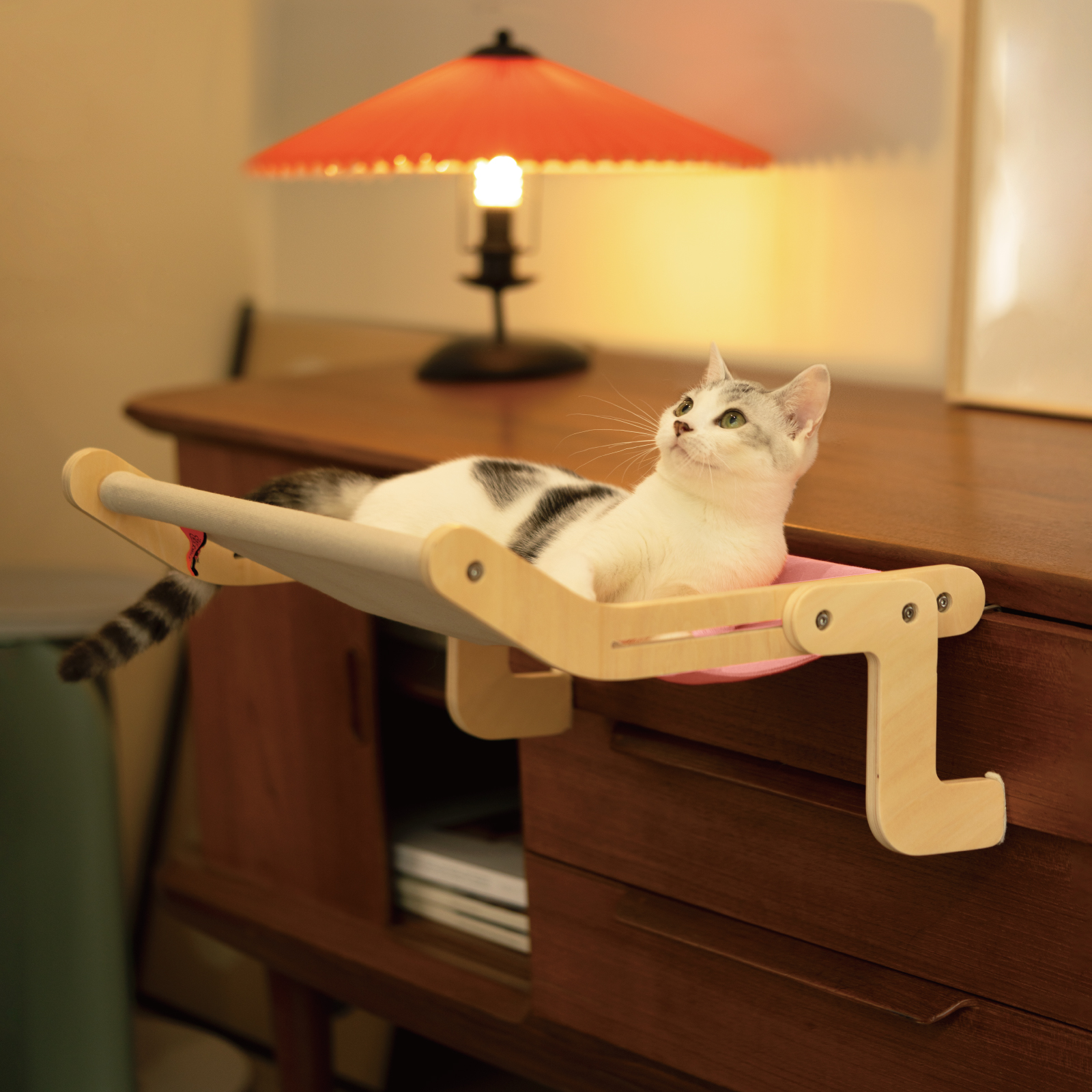
Have you ever watched your cat pounce on a toy mouse or chase a feather and wondered, “Do they really know they’re playing?” It’s easy to assume your furry friend is just having fun, but what’s really going on in their mind? Understanding whether your cat is aware of their playtime can change how you interact with them and boost your bond.
Keep reading to discover surprising insights that will make you see your cat’s play in a whole new light.
Cat Play Behavior
Cats show unique behaviors during play that reveal much about their nature. Play is not just fun for cats; it reflects deep instincts and helps them learn skills. Observing a cat at play offers insight into their mood and health. They interact with toys as if they were real prey, showing focus and excitement. Understanding these behaviors helps owners provide better care and enrich a cat’s life.
Instincts Behind Play
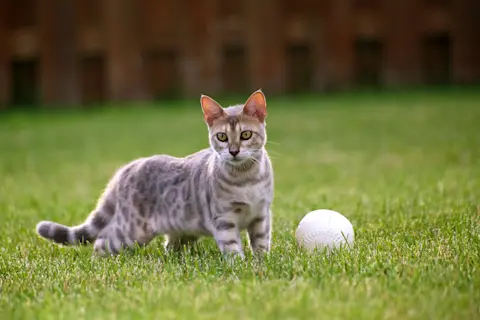
Play mimics hunting, a key survival skill for cats. It triggers natural instincts like stalking, chasing, and pouncing. These actions prepare cats for real-life hunting, even if they live indoors. Play also sharpens their reflexes and coordination. Kittens learn how to control their strength and timing through play. Adult cats keep these instincts alive to stay active and alert.
Types Of Play In Cats
- Solo Play:Cats chase or bat toys alone, practicing hunting moves.
- Interactive Play:Cats play with humans or other pets, sharing fun and social bonding.
- Predatory Play:Focused on toys that move or mimic prey, like feather wands or laser pointers.
- Exploratory Play:Cats investigate new objects, using their paws and mouths to learn.
Credit: www.discovermagazine.com
Awareness Of Toys
Understanding whether cats are aware that they are playing with toys can help you choose better ways to engage them. Cats don’t just swipe at objects randomly—they often show signs of recognizing what those objects are for. Their awareness shapes how they interact and learn from their environment.
Recognition Of Toy Purpose
Many cats seem to understand that toys are meant for play rather than food or danger. You might notice your cat gently batting at a soft mouse toy but avoiding a similar-looking item that smells like cleaning chemicals. This suggests they can distinguish between objects meant for fun and those that are not.
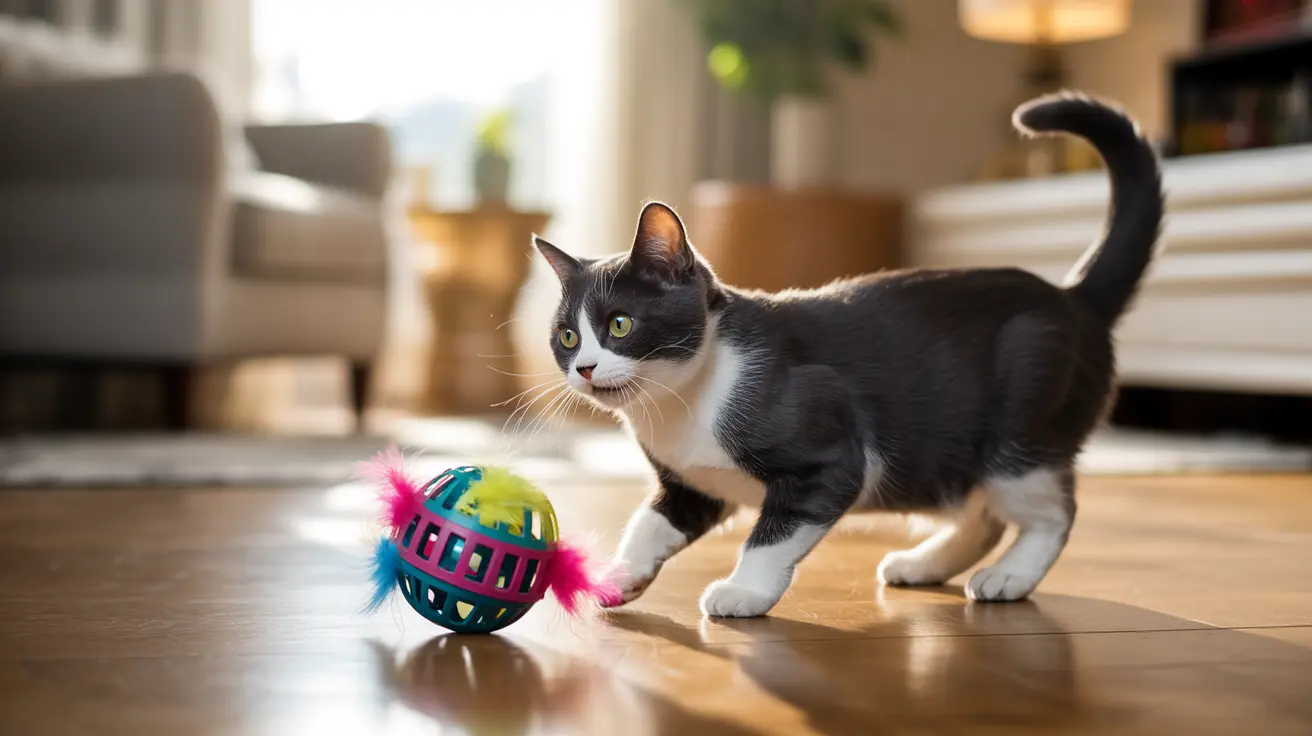
Some cats even “hunt” their toys with intent, stalking and pouncing as if on real prey. This behavior shows they grasp the toy’s role in stimulating their natural instincts. Have you seen your cat bring toys to you as if offering a catch? That’s a sign they know the toy’s purpose involves interaction and entertainment.
Interaction Differences Between Toys And Real Prey
Cats often react differently to toys compared to real animals. With toys, their attacks tend to be less aggressive and more playful—soft bites and gentle paw swipes. When faced with real prey, their movements become sharper and more precise, reflecting the need to catch food.
Your cat might lose interest quickly in a static toy but stay engaged longer with one that moves unpredictably. This shows they are aware that real prey requires more focus and effort. Watching your cat’s play style can reveal how they differentiate between fun and survival.
- Does your cat prefer toys that mimic real prey movement?
- Have you noticed changes in how they play depending on the toy’s texture or size?
- Try observing if they switch from playful to serious behavior during playtime.
By paying close attention to your cat’s play, you can better understand their awareness and choose toys that truly engage their instincts.
Cognitive Abilities In Cats
Cats are fascinating creatures with sharp cognitive abilities. They can assess situations, make decisions, and learn from experiences. Their curious nature often leads them to explore and play with toys. Understanding their cognitive abilities can reveal much about their playful behavior.
Problem Solving During Play
Cats often use toys to practice problem-solving skills. Interactive toys challenge them to think critically. They may bat, pounce, or stalk toys, simulating hunting behavior. This play helps them develop sharp reflexes and quick decision-making skills. It’s more than just fun; it’s mental exercise.
Memory And Learning With Toys
Memory plays a key role in a cat’s interaction with toys. Cats remember past play experiences. They recognize toys and anticipate their movements. This learning helps them refine their play strategies over time. Repeated play sessions boost their memory and learning capabilities.

Credit: www.reddit.com
Emotional Connection To Toys
Cats often form a strong bond with their toys. These objects are not just playthings. They can hold emotional value for cats. Toys become companions that provide joy and comfort. Understanding this connection helps us see why cats cherish certain toys deeply.
Attachment To Favorite Toys
Cats often pick one or two toys as favorites. They carry these toys around or sleep near them. These toys can feel like a friend or a safe object. Cats may even groom or nuzzle their toys. This behavior shows a clear emotional attachment. It helps cats feel secure and happy.
Comfort And Stress Relief
Toys can soothe cats during stressful times. Playing with a toy distracts them from fear or anxiety. The familiar scent and texture of a toy bring calmness. Cats use toys to release nervous energy. This helps them stay relaxed and balanced.
Impact Of Play On Cat Health
Playtime is more than fun for cats. It greatly affects their health and happiness. Engaging with toys helps cats stay fit and sharp. It supports their body and mind in many ways.
Physical Benefits
Playing helps cats stay active and healthy. It improves their muscle tone and strength. Movement during play keeps their joints flexible. Regular activity reduces the risk of obesity. Cats who play often have better coordination. It also supports heart health and stamina.
Mental Stimulation
Play keeps a cat’s mind alert and focused. Toys challenge their problem-solving skills. Hunting-like play satisfies natural instincts. It prevents boredom, which can cause stress. Mental exercise helps reduce anxiety and destructive behavior. Cats feel happier and more relaxed after play.
Credit: www.petscare.com
Choosing The Right Toys
Choosing the right toys for your cat is important to keep them happy and healthy. Cats play for many reasons. They hunt, explore, and stay active through play. The right toys help them use their energy in a good way. It also strengthens your bond with your pet.
Not all toys are made equal. Some attract cats more than others. Some materials can be unsafe. Knowing what your cat likes and what is safe makes playtime fun and worry-free.
What Attracts Cats
- Movement: Cats love toys that move like prey.
- Sound: Toys with bells or crinkles catch their attention.
- Texture: Soft, fuzzy, or feathered toys feel good to touch.
- Size: Small toys fit easily in a cat’s paws and mouth.
- Smell: Catnip or silvervine-scented toys excite many cats.
Safe Toy Materials
- Avoid small parts that cats can swallow or choke on.
- Use non-toxic fabrics and plastics made for pets.
- Choose durable toys that do not break easily.
- Check for loose threads or sharp edges before giving toys.
- Replace worn-out toys to prevent accidents.
Frequently Asked Questions
Do Cats Understand They Are Playing With Toys?
Yes, cats recognize toys as objects for play. They use their instincts to chase, pounce, and bat at toys. This mimics hunting behavior, helping them stay active and mentally stimulated.
Why Do Cats Prefer Certain Toys Over Others?
Cats prefer toys that mimic prey, like feathers or small balls. Movement, texture, and scent influence their choice. Toys engaging their senses satisfy their natural hunting instincts better.
How Does Play Benefit A Cat’s Health?
Play keeps cats physically fit and mentally sharp. It reduces stress, prevents obesity, and strengthens their muscles. Regular playtime also improves their mood and overall well-being.
Can Cats Differentiate Toys From Real Prey?
Cats often know the difference but treat toys as practice. Toys simulate prey, allowing cats to hone hunting skills safely. This helps satisfy their natural predatory instincts without harm.
Conclusion
Cats show clear joy while playing with toys. They react quickly, pounce, and chase like real hunters. This behavior means they understand the fun, not just the object. Toys help cats stay active and sharp. Playtime also builds trust between you and your pet.
Watching your cat play can bring smiles every day. So, yes, cats do know they are playing. Keep their toys ready and enjoy their lively spirit. Play is important for a happy, healthy cat life.

Leave a Reply