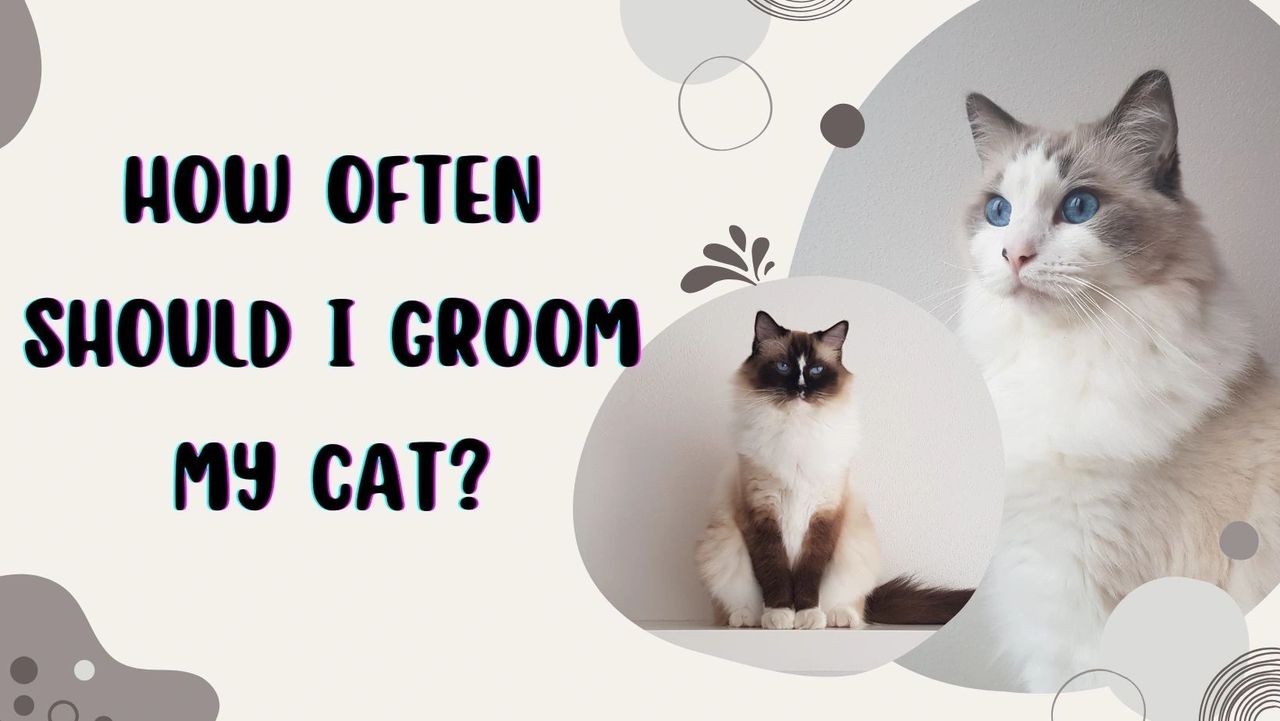
Are you wondering when the best time is to groom your cat? You want your furry friend to look and feel their best, but grooming can sometimes be tricky to time just right.
Knowing the perfect moments to brush, trim, or clean your cat can make a huge difference in their comfort and health. You’ll discover simple signs and easy tips to help you decide exactly when to groom your cat—so you can keep them happy, healthy, and looking great without any stress.
Keep reading to find out how to make grooming a smooth, enjoyable part of your routine.

Credit: www.purina.com
Benefits Of Regular Grooming
Regular grooming offers many benefits for your cat’s health and happiness. It helps keep their coat clean and shiny while supporting overall wellness. Grooming also builds a strong bond between you and your cat. It makes your cat feel comfortable and cared for every day.
Improved Coat Health
Brushing removes dirt, debris, and loose hair from your cat’s coat. It spreads natural oils that keep the fur soft and shiny. Regular grooming prevents mats and tangles that can cause pain. A healthy coat protects your cat’s skin from irritation and infections.
Reduced Shedding
Shedding is natural but can be messy. Grooming helps catch loose fur before it falls around your home. This keeps your living space cleaner and reduces hairballs your cat might swallow. Less shedding means less cleaning for you and a happier cat.
Early Detection Of Health Issues
Grooming lets you check your cat’s skin for lumps, bumps, or wounds. You can spot signs of fleas, ticks, or infections early. Catching problems early means faster treatment and better health for your cat. Grooming sessions are a good time for a quick health check.

Credit: tryfurgo.com
Signs Your Cat Needs Grooming
Recognizing when your cat needs grooming helps keep them healthy and happy. Cats often hide discomfort, so watch for clear signs. Grooming prevents skin problems and reduces shedding around the house.
Mattes And Tangles
Mattes and tangles appear when fur knots tightly. They cause pain and skin irritation. Cats with long hair show these signs more often. Regular brushing stops mats from forming and eases discomfort.
Excessive Shedding
Shedding is normal, but too much fur falling off is a warning. It may mean your cat needs grooming or a vet check. Grooming removes loose hair and helps control shedding effectively.
Unpleasant Odor
A bad smell from your cat’s coat signals dirt or skin issues. Grooming cleans dirt and oils that build up. A fresh-smelling cat feels better and looks well cared for.
Best Times To Groom Your Cat
Grooming your cat can be both a bonding experience and a necessity. Choosing the right times ensures your feline friend stays healthy and happy. Let’s explore the best times to groom your cat for optimal results.
Seasonal Grooming Tips
Cats shed more during spring and fall. Regular grooming reduces shedding and prevents mats. In winter, their fur becomes denser, needing more attention to avoid tangles. Summer grooming helps keep them cool and comfortable.
Age And Breed Considerations
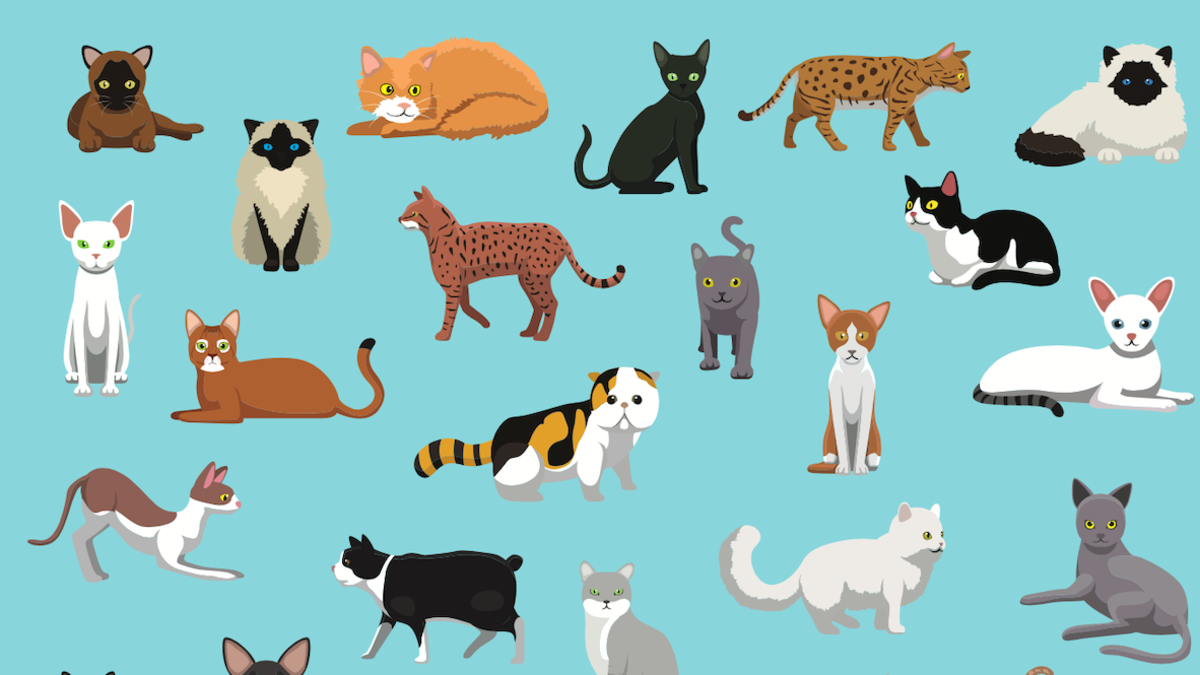
Kittens require gentle grooming sessions to get them used to the process. Older cats might need more frequent grooming due to less self-care. Long-haired breeds need daily attention to prevent mats. Short-haired breeds can manage with weekly sessions.
After Outdoor Activities
Outdoor adventures can bring dirt and debris. A quick grooming session post-play helps remove unwanted particles. Check for ticks and fleas during these sessions. Regular grooming keeps your cat’s coat shiny and healthy.
Creating A Grooming Routine
Creating a grooming routine helps keep your cat healthy and happy. Regular grooming removes dirt, loose hair, and prevents mats. It also strengthens the bond between you and your pet. A well-planned routine fits your cat’s needs and your schedule. Consistency makes grooming easier and more enjoyable for both of you.
Frequency Recommendations
The grooming frequency depends on your cat’s coat type and lifestyle. Short-haired cats usually need grooming once a week. Long-haired breeds require brushing several times a week to prevent tangles. Older or less active cats may need less frequent grooming. Watch your cat’s coat and skin to adjust the schedule as needed.
Ideal Grooming Duration
Keep grooming sessions short to avoid stressing your cat. Most cats do well with 5 to 10 minutes per session. Start with brief sessions and increase time gradually. Focus on gentle brushing and checking for any skin issues. Longer sessions can be broken into smaller parts throughout the day.
Adapting To Your Cat’s Preferences
Observe how your cat reacts during grooming. Some cats enjoy gentle petting before brushing. Others prefer a quiet, calm environment. Use soft brushes or combs that suit your cat’s fur type. Praise and reward your cat to create positive associations. Adjust your routine based on your cat’s comfort and behavior.
Tools For Effective Grooming
Effective grooming goes beyond just brushing your cat occasionally. Having the right tools makes the process smoother and more enjoyable for both you and your furry friend. Knowing which tools to use can help you maintain your cat’s coat, nails, and overall hygiene with less stress.
Choosing The Right Brush
Picking a brush that matches your cat’s fur type is key. Short-haired cats benefit from a bristle brush or rubber grooming glove, which gently removes loose hair without irritating the skin.
Long-haired cats need a slicker brush or a wide-toothed comb to detangle knots and prevent matting. You might notice your cat relaxing more during grooming once you find a brush that feels good against their fur.
Nail Trimming Essentials
Trimming your cat’s nails requires a sharp, small-sized nail clipper designed for pets. Using human nail clippers can cause uneven cuts or splintering.
A nail file or emery board helps smooth rough edges after clipping, reducing the chance of scratches. Keep styptic powder handy to stop bleeding just in case you accidentally cut too close.
Bathing Supplies
Bathing isn’t always necessary, but when your cat gets into something sticky or dirty, you’ll want the right supplies ready. Use a shampoo formulated specifically for cats to avoid skin irritation.
A non-slip mat in the sink or tub keeps your cat steady and calm during the bath. Soft towels and a gentle sprayer or cup for rinsing make the experience less stressful and help you clean your cat thoroughly.
)
Credit: www.northroadvet.com.au
Handling Grooming Challenges
Grooming your cat can be a challenge. Cats often resist or get nervous during grooming sessions. Understanding how to handle these challenges makes grooming easier for both you and your cat. Patience and gentle care are key to success.
Dealing With Resistance
Cats may resist grooming by scratching or running away. Stay calm and use a soft voice to soothe them. Try grooming in short sessions to avoid stress. Offering treats can help create a positive experience. Watch your cat’s body language and stop if they seem scared.
Managing Sensitive Areas
Some parts of a cat’s body are more sensitive, like the belly, paws, and tail. Handle these areas gently and with care. Use a soft brush to avoid hurting your cat. If your cat pulls away, try touching these areas less often. Gradually increase contact to build trust.
When To Seek Professional Help
Sometimes grooming is too difficult to handle alone. If your cat is very aggressive or scared, a professional groomer can help. Also, seek help if your cat has matted fur or skin problems. Professionals have the right tools and experience to groom safely. Regular vet visits can guide you on grooming needs too.
Frequently Asked Questions
When Is The Best Time To Groom My Cat?
The best time to groom your cat is during calm moments. Choose when your cat is relaxed, like after a nap or play. Regular grooming sessions every week help maintain a healthy coat and reduce shedding.
How Often Should I Groom A Long-haired Cat?
Long-haired cats need grooming at least 3-4 times a week. This prevents mats and tangles. Frequent brushing keeps their fur clean, healthy, and reduces hairballs.
Can I Groom My Cat Daily?
Yes, daily grooming is beneficial, especially for long-haired cats. It helps remove loose fur, prevents matting, and strengthens your bond with your cat. Short-haired cats may need less frequent grooming.
What Signs Show My Cat Needs Grooming?
Look for mats, tangles, excessive shedding, or dirty fur. If your cat scratches often or has dandruff, grooming is needed. Regular checks help catch these signs early.
Conclusion
Groom your cat regularly to keep its coat healthy and clean. Watch for signs like shedding or mats to decide when to groom. Short-haired cats need less grooming than long-haired ones. Make grooming a calm and positive experience for your cat.
Consistency helps prevent hairballs and skin problems. Remember, grooming is part of caring for your pet’s well-being. Small efforts bring big comfort to your furry friend. Start a grooming routine that fits your cat’s needs today.


Leave a Reply