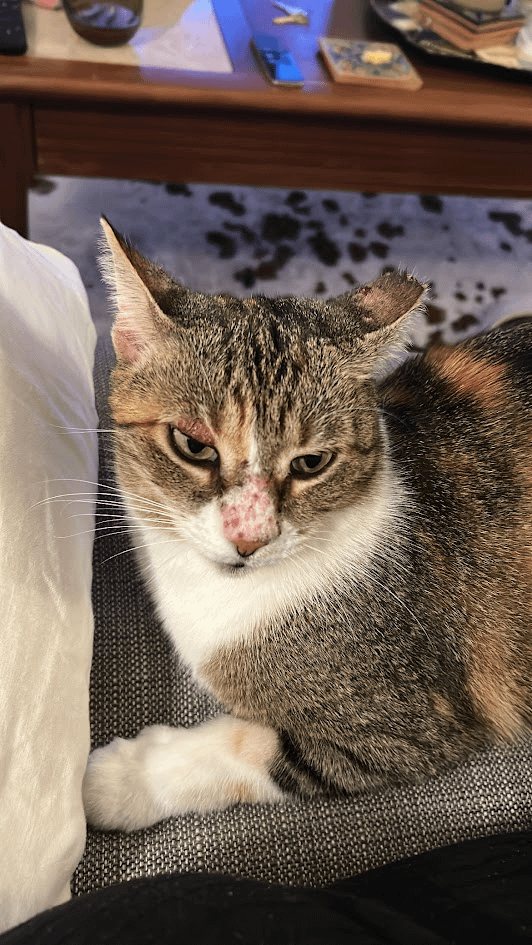
Have you ever watched your cat spending hours licking and cleaning himself, and wondered, “Why does my cat incessantly groom himself?” It’s a behavior that might seem normal at first, but when it happens nonstop, it can leave you worried.
Your feline friend’s constant grooming could be a sign of something deeper, and understanding why this happens is key to keeping your cat happy and healthy. Keep reading, because uncovering the reasons behind this nonstop grooming will help you take better care of your furry companion.
Normal Grooming Habits
Cats spend a lot of time grooming themselves. It is a normal part of their daily routine. Grooming helps cats stay clean and comfortable. It also plays a role in their health and social behavior.
How Cats Groom Themselves
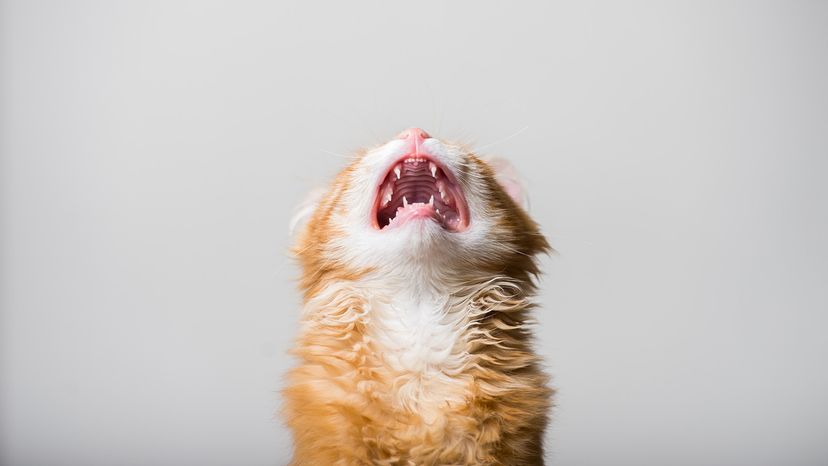
Cats use their tongues to clean their fur. Their tongues have tiny, hook-like structures. These hooks help remove dirt and loose hair. Cats lick their paws and rub them on their face. This action reaches places the tongue cannot touch. They also use their teeth to nibble on tangled fur.
Benefits Of Grooming
- Removes dirt and debris from the coat
- Distributes natural oils for a shiny, healthy coat
- Helps regulate body temperature
- Reduces stress and provides comfort
- Prevents parasites like fleas from settling
- Strengthens social bonds when grooming others
Credit: animals.howstuffworks.com
When Grooming Becomes Excessive
Cats groom themselves to stay clean and healthy. Grooming is normal and helps remove dirt and loose fur. But sometimes, grooming can become too much. Excessive grooming can cause skin problems and stress for your cat. It is important to know when grooming crosses the line from healthy to harmful.
Signs Of Over-grooming
- Hair loss in patches or large areas
- Red or irritated skin
- Scabs or sores on the body
- Constant licking or biting at the same spot
- Restlessness or changes in behavior
Common Triggers
- Allergies to food, fleas, or environment
- Skin infections caused by bacteria or fungi
- Parasites such as fleas or mites
- Stress from changes in the home or routine
- Pain or discomfort from injury or illness
Health Issues Behind Excessive Grooming
Excessive grooming in cats may signal health problems like allergies, skin infections, or stress. Persistent licking can cause wounds or hair loss, needing attention from a vet. Understanding these causes helps keep your cat healthy and comfortable.
Cats often groom themselves to stay clean and comfortable. Yet, excessive grooming can point to underlying health issues. Understanding these issues helps cat owners provide better care. Identifying the cause is key to finding a solution.Allergies And Skin Problems
Cats can suffer from allergies just like humans. These allergies might be due to food, pollen, or dust. Allergies lead to itchy skin. This causes your cat to groom more than usual. Skin problems, like dermatitis, can also cause irritation. Watch for redness or bumps on your cat’s skin. These are signs of skin issues needing attention.Parasites And Infections
Parasites are common culprits of excessive grooming. Fleas, ticks, or mites can make your cat itch. This leads to constant licking and scratching. Infections can also cause discomfort. Fungal infections, like ringworm, are a common issue. Spot any unusual hair loss or sores on your cat. These signs suggest it’s time for a vet visit.Pain And Discomfort
Sometimes, cats groom excessively due to pain. Joint pain or injuries might be the cause. Cats use grooming to soothe themselves. Look for signs of limping or sensitivity. These could indicate pain or discomfort. Understanding your cat’s behavior helps in addressing these issues.
Credit: www.purina.com
Behavioral Causes
Cats groom themselves not just to stay clean but also as a way to manage their emotions and environment. Behavioral causes often drive excessive grooming, which can sometimes signal underlying issues you might not expect. Understanding these behaviors helps you support your cat better and prevent grooming from becoming a problem.
Stress And Anxiety
Your cat might groom excessively when feeling stressed or anxious. Changes like moving to a new home, a new pet, or loud noises can trigger this behavior.
One cat I know started licking her paws nonstop after her family brought home a puppy. It wasn’t about cleanliness; it was her way of coping with the new, overwhelming situation.
Notice if your cat’s grooming spikes during or after stressful events. You can help by providing a quiet space, familiar toys, or even pheromone diffusers to calm their nerves.
Boredom And Lack Of Stimulation
When cats don’t get enough mental and physical activity, they may turn to grooming as a way to fill the void. It’s like when you find yourself fidgeting or biting your nails out of boredom.
A friend’s indoor cat started over-grooming only to stop once new toys and interactive play sessions were added daily. It gave her cat something better to focus on.
Ask yourself if your cat has enough stimulation. Adding puzzle feeders, regular playtime, or even a window perch can reduce boredom and help break the grooming cycle.
Environmental Factors
Environmental factors play a significant role in your cat’s grooming habits. Changes around your home or interactions with other animals can make your cat feel uneasy or stressed, prompting excessive grooming. Understanding these triggers can help you support your feline friend better.
Changes In Surroundings
Have you recently rearranged furniture or introduced new scents? Cats are creatures of habit, and even small changes can disrupt their comfort zone.
When your cat feels unsettled, it might groom itself more to self-soothe. Think about how you react to new environments—your cat does something similar by licking its fur repeatedly.
Try to keep a consistent environment or gradually introduce changes. This can reduce stress and, in turn, calm excessive grooming behaviors.
Interaction With Other Pets
Bringing a new pet home or changes in the behavior of existing pets can cause your cat anxiety. This tension often shows through increased grooming as a coping mechanism.
Observe how your cat responds to other animals. Does it groom more after a tense encounter or when a new pet enters the room?
Creating safe spaces for your cat and managing pet introductions carefully can ease its mind and reduce the need for constant grooming.

Credit: www.purina.com
How To Help Your Cat
Helping a cat that grooms itself too much takes patience and care. Understanding the reasons behind this behavior guides the right actions. Support your cat by creating a safe and healthy environment. Watch for signs that need professional advice. Small changes can make a big difference in your cat’s comfort and happiness.
Consulting A Veterinarian
A vet can check for skin problems or allergies. They look for infections or parasites that cause itching. Sometimes, excessive grooming signals pain or illness. The vet may suggest treatments or medications. Early diagnosis prevents worsening conditions. Always share your observations with the vet for accurate help.
Reducing Stress
Stress makes cats groom too much. Changes in routine or new pets cause anxiety. Keep your cat’s schedule consistent and calm. Provide quiet spaces where your cat feels safe. Use gentle play to distract from stress. Calming sprays or diffusers might help reduce anxiety. Notice what triggers your cat’s nervousness and avoid it.
Improving Environment And Enrichment
A boring environment leads to over-grooming. Add toys and scratching posts to keep your cat busy. Rotate toys to keep interest high. Hide treats for your cat to find. Create vertical spaces like shelves or trees. These enrichments engage your cat’s mind and body. A happy cat grooms less and relaxes more.
Frequently Asked Questions
Why Does My Cat Groom Excessively?
Excessive grooming can signal stress, allergies, or parasites. Cats groom to clean but overdoing it may indicate discomfort or health issues. Observing behavior and consulting a vet can help identify the cause and provide relief.
Can Stress Cause A Cat To Groom Nonstop?
Yes, stress can trigger nonstop grooming in cats. Grooming is a coping mechanism to soothe anxiety. Environmental changes, loud noises, or new pets often lead to stress-induced over-grooming.
Is My Cat’s Skin Irritation Causing Over-grooming?
Skin irritation often leads to increased grooming. Allergies, fleas, or infections cause itchiness, prompting cats to lick more. Checking the skin and seeking vet advice can resolve the underlying problem.
How To Stop My Cat From Grooming Too Much?
Identify the cause first, like stress or parasites. Provide a calm environment, use flea control, and consult a vet for medical treatment. Distraction and playtime can reduce excessive grooming habits.
Conclusion
Cats groom themselves to stay clean and healthy. Sometimes, too much grooming shows stress or health problems. Watch your cat’s behavior closely and check for skin issues. Helping your cat feel safe can reduce grooming. If grooming seems excessive, ask a vet for advice.
Understanding your cat’s grooming helps you care better. Keep your cat happy and comfortable every day. Small changes can make a big difference in your cat’s life.

Leave a Reply