Have you ever looked at a cat and wondered, “What breed is this?” Identifying cat breeds can be tricky, but it doesn’t have to be confusing. Knowing your cat’s breed helps you understand their personality, health needs, and care better.
You’ll discover simple tips and key features to spot different cat breeds easily. By the end, you’ll feel confident recognizing your furry friend’s unique breed and maybe even impress others with your new knowledge. Ready to become a cat breed expert?
Let’s get started!
Key Traits To Spot Cat Breeds
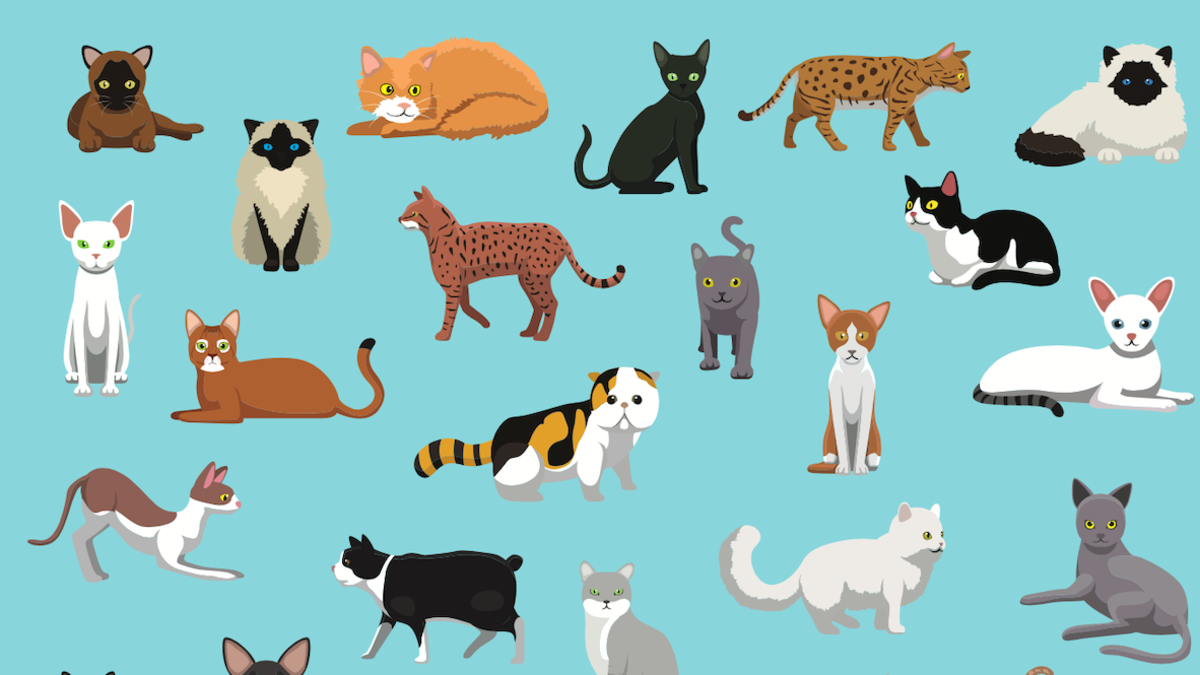
Identifying cat breeds involves observing distinct traits that make each breed unique. These traits help recognize breeds even without expert knowledge. Key features include coat patterns, body shape, eye color, and ear shape. Each trait provides clues about a cat’s origin and breed characteristics.
Coat Patterns And Colors
Coat patterns reveal much about a cat’s breed. Some breeds have solid colors, while others feature stripes, spots, or patches. Common patterns include:
- Tabby: Striped or swirled markings
- Calico: White with orange and black patches
- Pointed: Darker face, ears, paws, and tail
- Solid: One uniform color
Colors range from black, white, and gray to cream, orange, and blue. Specific breeds often have typical colors and patterns that help identify them.
Body Shape And Size
Body shape varies widely among cat breeds. Some cats are slender and long, others are compact and muscular. Size can differ from small to large breeds. Pay attention to:
- Length of legs and tail
- Body weight and build
- Muscle tone and posture
For example, Siamese cats have slim bodies and long legs. Maine Coons are large and broad with a sturdy frame.
Eye Color And Shape
Eye color ranges from blue, green, yellow, to copper. Shape also varies:
- Round eyes give a soft, gentle look
- Almond-shaped eyes appear sharp and alert
- Large eyes stand out on the face
Some breeds are known for unique eye colors. For instance, Siamese cats usually have bright blue eyes.
Ear Shape And Position
Ear shape differs between breeds. Ears can be pointed, rounded, or folded. Their position on the head also matters:
- High set ears often show alertness
- Wide set ears create a broader face
- Folded ears give a soft, rounded look
Scottish Folds are famous for their folded ears. Oriental breeds tend to have large, pointed ears.
Popular Cat Breeds And Their Features
Identifying cat breeds can be easier when you recognize their unique features. Each breed has distinct traits that set them apart, from their body shape to their coat patterns. Understanding these characteristics helps you appreciate your cat’s background and personality better.
Siamese Characteristics
Siamese cats stand out with their slim, sleek bodies and striking blue almond-shaped eyes. Their coat is short and fine, usually cream or fawn with darker points on the ears, face, paws, and tail. You’ll notice their vocal and social nature, often making them very interactive companions.
Maine Coon Traits
Maine Coons are known for their large size and tufted ears that give them a wild look. Their long, thick fur keeps them warm, and their bushy tails resemble that of a raccoon. These cats are friendly and intelligent, often enjoying playtime and even water.
Persian Appearance
Persians have a distinct flat face with a short nose and large round eyes, giving them a sweet expression. Their long, luxurious coat requires regular grooming to prevent matting. They tend to be calm and gentle, making them perfect lap cats for those who want a peaceful pet.
Bengal Markings
Bengal cats catch the eye with their spotted or marbled coats, resembling wild leopards. Their fur is short and dense, often shimmering in the light. Bengals are energetic and curious, so they need plenty of stimulation and play to keep them happy.
Using Behavior To Identify Breeds
Observing a cat’s behavior can give clues about its breed. Some breeds are known for being playful, shy, or vocal. Noticing these traits helps narrow down which breed a cat might belong to.
Identifying cat breeds goes beyond appearances. Behavior provides insightful clues. Observing how a cat acts can reveal its breed. Different breeds exhibit unique behaviors. Recognizing these can help in identification.Activity Levels
Some cats are very active and playful. Others prefer lounging around. Siamese cats are energetic and love to play. Persian cats enjoy relaxing and napping. Activity levels can hint at the breed.Vocalization Patterns
Cats communicate through sounds. Some breeds are more vocal. Siamese cats are known for their loud voices. They often meow to express themselves. British Shorthairs are quieter and meow less frequently.Social Tendencies
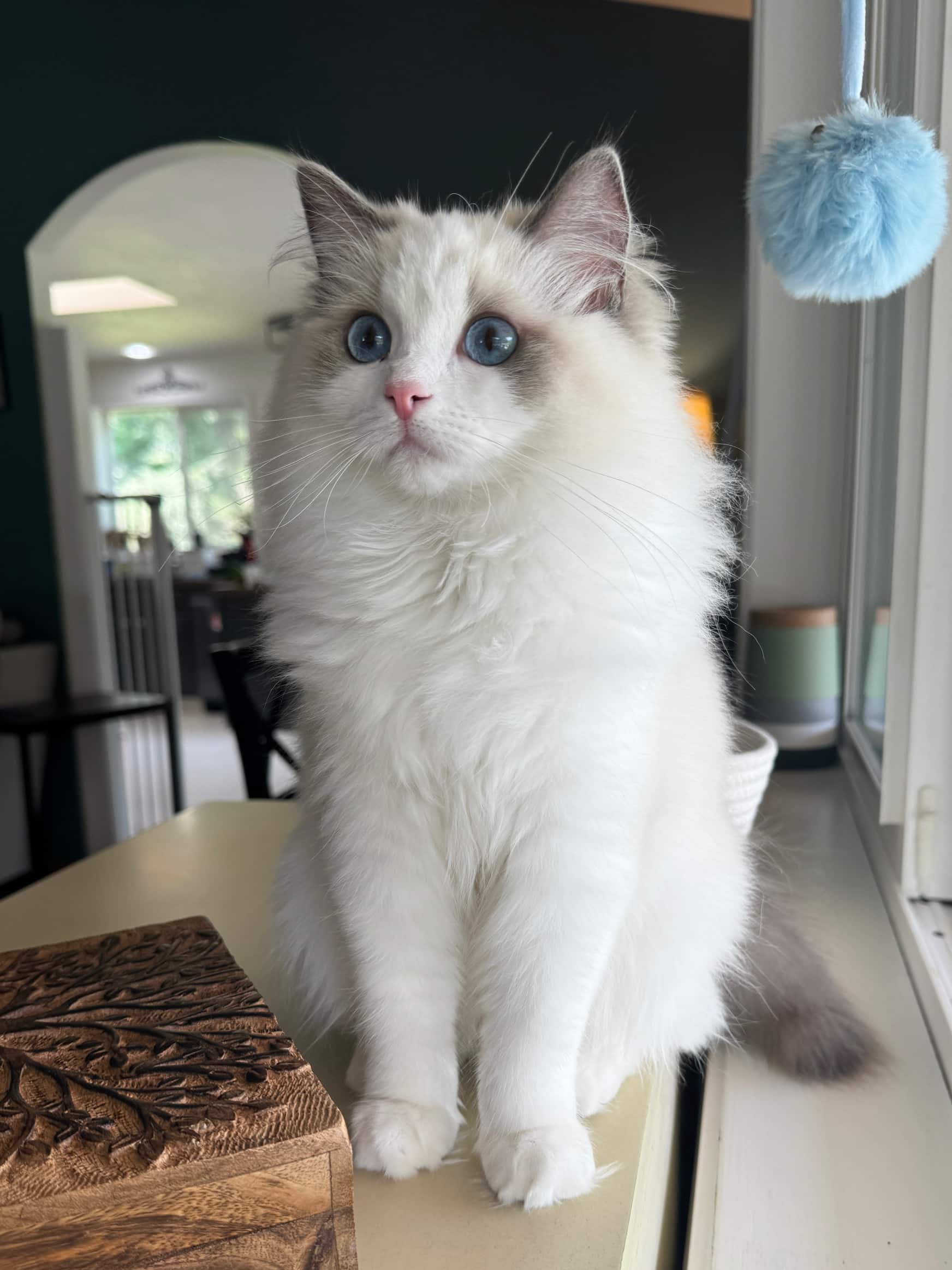
Cats have varying social behaviors. Some are friendly and outgoing. Others may be shy or reserved. Ragdolls are social and enjoy human company. They often follow their owners around. Russian Blues are more independent and reserved. These tendencies can help identify the breed.
Credit: apps.apple.com
Tools And Resources For Breed Identification
Identifying cat breeds can be tricky without the right tools. Various resources help make this task easier. These tools guide you through physical traits and other breed markers.
Many options exist to assist both beginners and experienced cat lovers. The right resource depends on how detailed and accurate you want your identification to be.
Breed Identification Apps
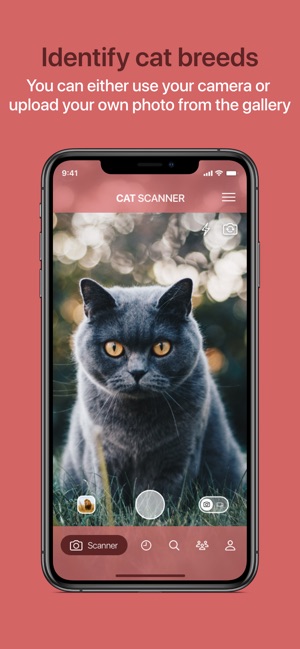
Apps designed for breed identification use photos to analyze your cat’s features. They compare your cat’s traits to a large database of breeds. Results usually include breed names and characteristics. These apps offer quick, on-the-go answers. Some popular apps also provide care tips and breed histories.
Consulting Veterinarians
Veterinarians have expert knowledge of cat breeds and health. They can often identify breeds by examining physical traits. Their experience helps spot mixed breeds or rare types. Vets also recommend specific tests for more certainty. A visit to the vet ensures professional advice and accurate breed ID.
Joining Cat Enthusiast Groups
Cat clubs and online communities share valuable knowledge. Members often have experience with many breeds. These groups welcome questions and photo sharing. Feedback from enthusiasts helps with breed identification. Group members also share tips on care and behavior. Joining these groups builds support and learning opportunities.
Avoiding Common Misidentification Mistakes
Identifying cat breeds can be tricky, especially if you’re not careful about common mistakes. Misidentifying a cat’s breed can lead to misunderstandings about their behavior, health needs, and personality. Avoiding these errors helps you appreciate your cat better and connect with them on a deeper level.
Mix-breed Confusions
Many cats are mixed breeds, carrying traits from multiple ancestors. Assuming a cat belongs to a single pure breed based only on a few visible traits can lead you astray.
For example, a cat with stripes might seem like a classic tabby breed, but those stripes can appear in many mixed breeds too. You should consider the whole package—coat pattern, size, ear shape, and even personality—before jumping to conclusions.
Have you noticed how some cats don’t fit neatly into one breed category? That’s a sign to dig deeper rather than settle on a quick guess.
Ignoring Subtle Differences
Subtle features often separate one breed from another. Overlooking these can cause confusion.
Take the difference between a British Shorthair and an American Shorthair. Both have short hair and similar markings, but the British Shorthair is stockier with a rounder face. Missing these tiny details can lead to incorrect breed identification.
Pay attention to eye shape, tail length, and even how the cat moves. These small clues can guide you toward the right answer.
Relying Solely On Appearance
Looks can be deceiving when identifying cat breeds. Appearance alone doesn’t tell the whole story.
Personality traits, vocalizations, and behavior patterns often differ between breeds. For example, Siamese cats are known for being vocal and social, while Persian cats tend to be more laid-back.
Have you ever met a cat that looked like one breed but acted completely differently? That’s a sign you need to look beyond appearances and consider behavior too.

Credit: apps.apple.com
Credit: apps.apple.com
Frequently Asked Questions
What Are The Key Features To Identify Cat Breeds?
Key features include coat color, pattern, body shape, and eye color. Behavior and vocalization also help distinguish breeds.
How Can I Tell A Purebred Cat From A Mixed Breed?
Purebred cats have consistent traits and pedigree papers. Mixed breeds show varied physical and personality traits from different breeds.
Are There Specific Tools To Identify Cat Breeds Accurately?
Yes, DNA testing kits can identify cat breeds precisely. Visual guides and breed standards also assist in identification.
Can Behavior Help In Recognizing Different Cat Breeds?
Yes, breed-specific behaviors like vocalization or activity levels can aid identification. For example, Siamese cats are very vocal.
Conclusion
Identifying cat breeds can be fun and simple with practice. Focus on key features like size, coat, and color. Notice their behavior and personality traits too. Use reliable guides or websites for accurate information. Remember, every cat is unique despite breed traits.
Enjoy learning about different breeds and their charm. This knowledge helps in better care and understanding. Keep observing, and you will get better with time.


Leave a Reply