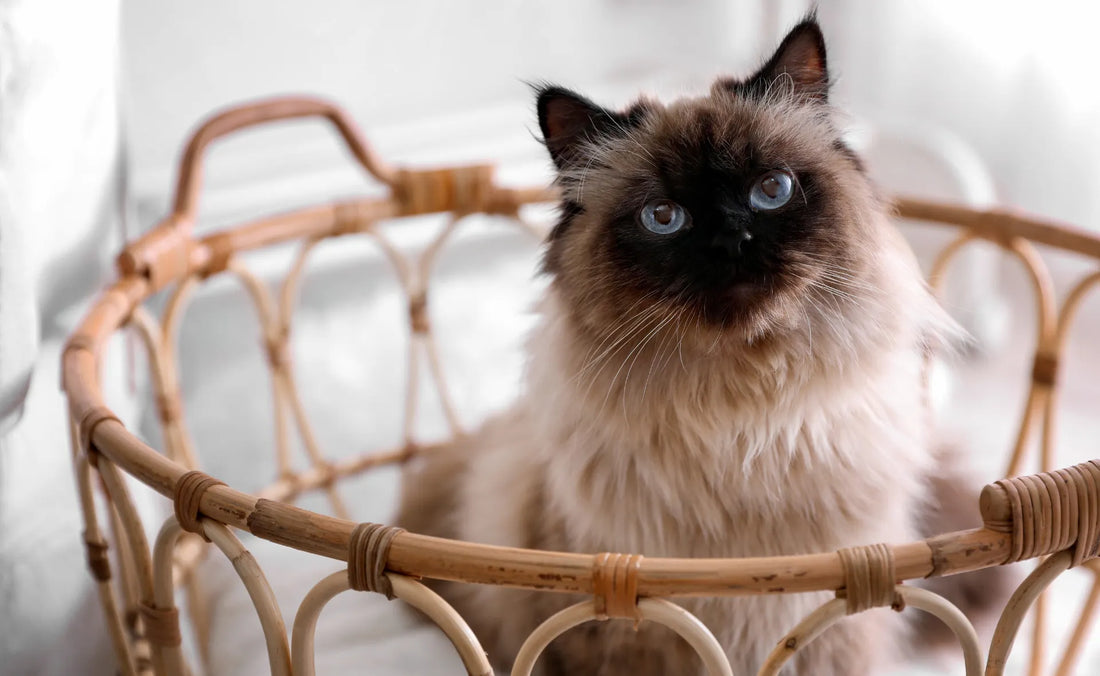
Are you curious about the connection between cat breeds and pet stores that sell hamsters? It might sound surprising, but understanding which cat breeds are popular and how pet stores choose their small pets can help you make better choices for your home.
If you want to know what cat breeds pet stores prefer and how that relates to their selection of hamsters, keep reading. This insight could change the way you think about pet shopping and help you find the perfect furry friend for your family.

Credit: www.reddit.com
Cat Breeds Commonly Found In Pet Stores
Pet stores often carry a variety of cat breeds to meet different customer preferences. The breeds available can range from common family favorites to more unique types. Understanding which breeds pet stores usually stock helps buyers make informed choices. This section explores popular domestic breeds, exotic varieties, and how breed availability changes by region.
Popular Domestic Breeds
Most pet stores offer well-known domestic cat breeds. These cats are friendly, adaptable, and easy to care for. Popular choices include:
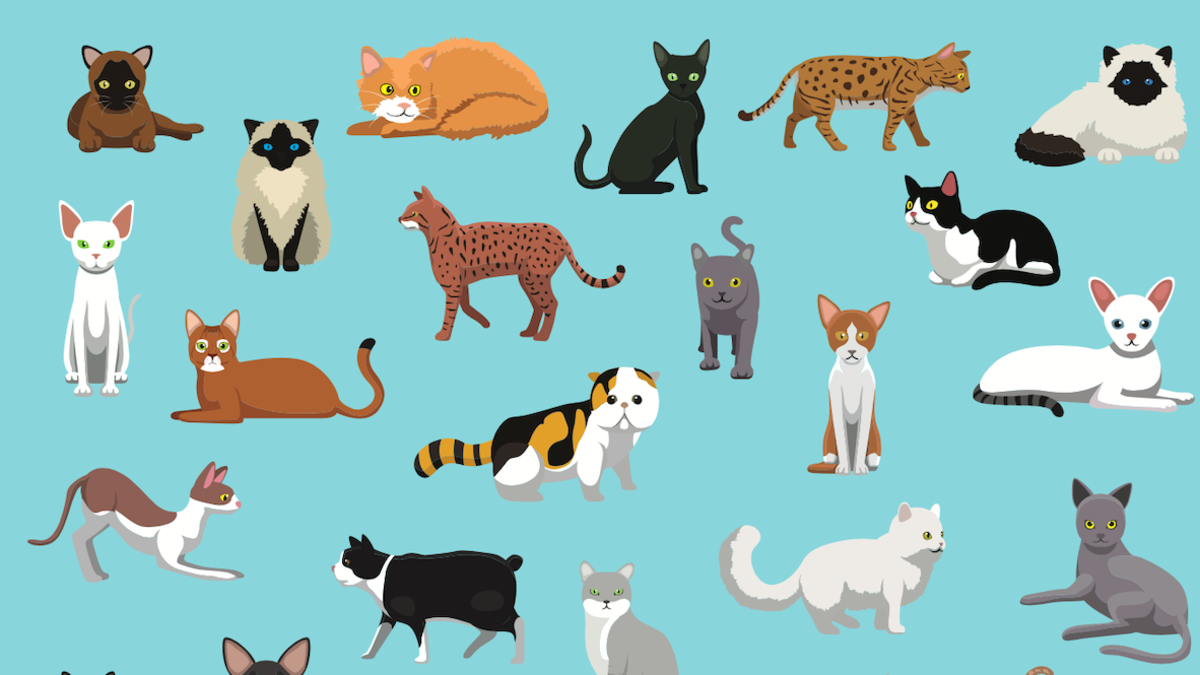
- American Shorthair – Known for their gentle nature and classic look.
- British Shorthair – Plush coats with calm personalities.
- Persian – Long-haired cats with a sweet temperament.
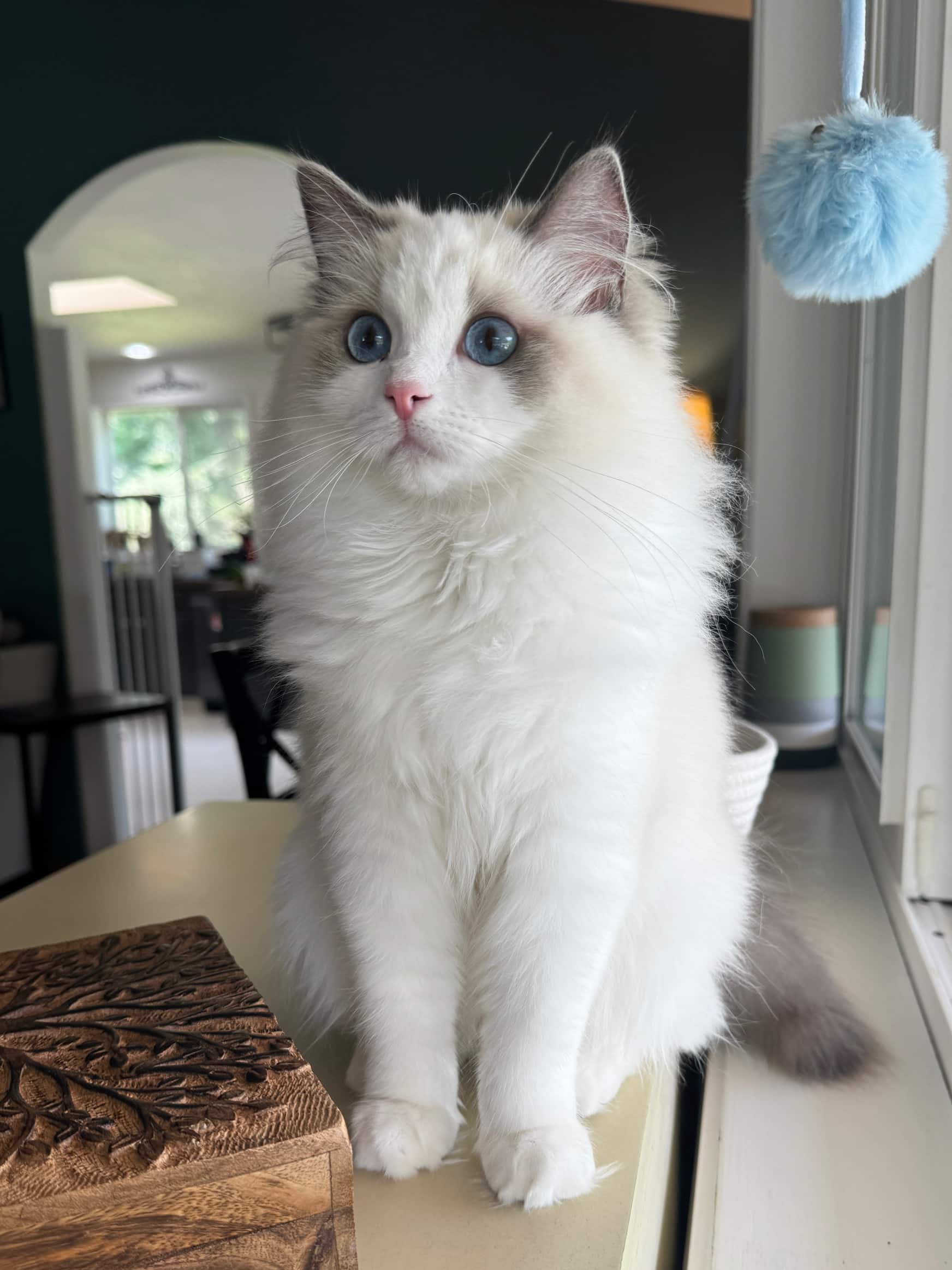
- Ragdoll – Large, affectionate cats that love to cuddle.
- Scottish Fold – Recognized by their unique folded ears.
These breeds suit many households and are often affordable for first-time cat owners.
Exotic And Rare Breeds
Some pet stores carry rare or exotic breeds for those wanting something unique. These cats often have special care needs. Common exotic breeds include:
- Sphynx – Hairless cats with friendly and playful nature.
- Bengal – Wild-looking cats with spotted coats.
- Savannah – Tall, lean cats that resemble wild servals.
- Norwegian Forest Cat – Large cats with thick, water-resistant fur.
- Scottish Fold Longhair – A rarer version of the Scottish Fold.
These breeds attract cat lovers who appreciate distinct appearances and personalities.
Breed Availability By Region
Cat breed availability varies widely by location. Climate, local demand, and regulations affect what pet stores offer. For example:
- In North America, American Shorthairs and Ragdolls are common.
- European stores often stock British Shorthairs and Persians.
- In Asia, exotic breeds like the Sphynx appear more frequently.
- Rural areas may have fewer breed options than cities.
Potential cat owners should check local pet stores for available breeds in their area.
Hamster Varieties In Pet Stores
Pet stores often carry a variety of hamsters, each with unique traits and care needs. Knowing the differences between these types helps you pick the right one for your home and lifestyle. Let’s look closely at the common hamster varieties you’ll find in pet stores and what makes each special.
Syrian Hamsters
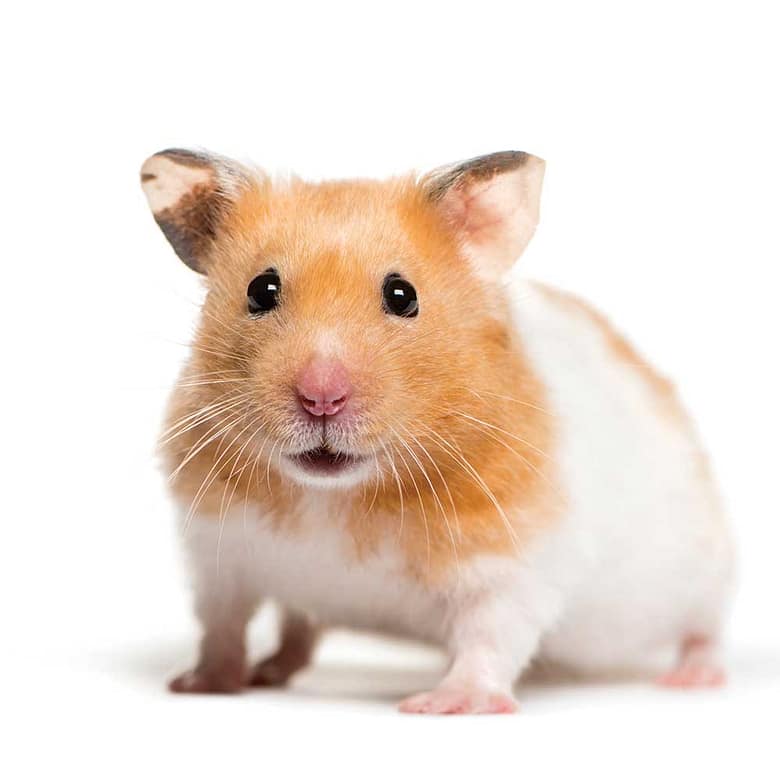
Syrian hamsters are the most popular choice in pet stores. They are larger, typically 5 to 7 inches long, and have a friendly, easy-to-handle nature. If you want a hamster you can bond with closely, Syrians are a great pick since they prefer living alone and enjoy gentle interaction.
These hamsters come in many colors and coat types, from short-haired to fluffy long-haired varieties. Because of their size, they need a bigger cage and more space to explore. Have you thought about how much room you can dedicate to your new pet?
Dwarf Hamsters
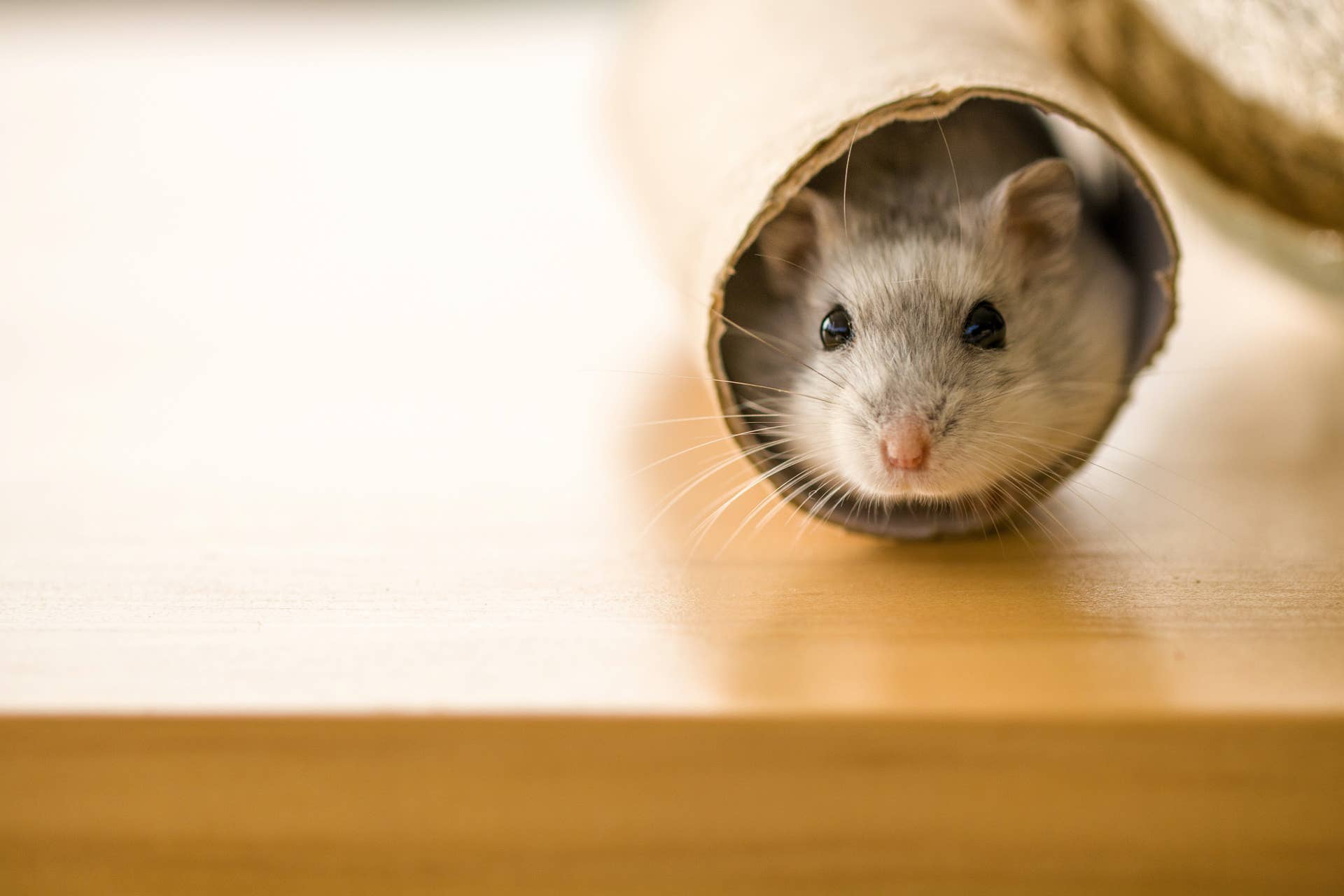
Dwarf hamsters are smaller and more active than Syrians. You’ll often see Campbell’s, Winter White, or Roborovski hamsters in pet stores under this category. Their compact size makes them great for smaller living spaces, but they tend to be quicker and less cuddly.
These hamsters can sometimes live in pairs or groups, but it’s important to watch for signs of aggression. If you want a hamster that’s lively and fun to watch, dwarf hamsters could be a good match. Do you enjoy observing playful pet behavior?
Specialty Hamsters
Pet stores may also offer specialty hamsters, which include rare colors or breeds like Chinese hamsters or hybrid varieties. These hamsters often have unique markings or unusual fur textures. They can be a bit more delicate, requiring more careful handling and specific care routines.
Choosing a specialty hamster can be rewarding if you’re looking for something different from the usual options. However, make sure you research their needs thoroughly before bringing one home. Are you ready to commit to the extra care these unique hamsters may need?
Why Cat Breeds And Hamsters Are Sold Together
Pet stores often sell cat breeds and hamsters together. This pairing raises questions. Why do stores choose this combination? Understanding the reasons can help buyers make informed decisions.
Customer Preferences
Many people love both cats and hamsters. Pet lovers often visit stores looking for diverse options. Offering both cats and hamsters meets this demand. Customers enjoy the variety and convenience. They can explore different pets in one visit.
Store Marketing Strategies
Pet stores use strategic marketing to attract buyers. Displaying cats and hamsters together creates interest. This tactic encourages more foot traffic. It also increases the chance of sales. Stores design attractive setups to draw attention. These displays highlight the appeal of both pets.
Pet Compatibility Myths
Some believe cats and hamsters can be friends. This myth persists despite evidence. Stores capitalize on this idea to boost sales. They suggest these pets can coexist peacefully. Buyers should research before making a purchase. Knowing the truth ensures a better pet experience.
Credit: pethelpful.com
Surprising Facts About Cat And Hamster Sales
Many pet stores offer both cats and hamsters, but the way these animals are selected and sold can surprise you. The connection between cat breeds and hamster availability is more complex than you might think. Understanding these surprising facts can help you make smarter choices when shopping for your furry friends.
Uncommon Breed Pairings
You might expect popular cat breeds like Siamese or Maine Coon to be the stars in pet stores, but some shops feature less common breeds alongside hamsters. Breeds like Scottish Fold or Exotic Shorthair often share space with small rodents because their calm nature suits a multi-pet environment.
Have you noticed how some pet stores pair playful cats with curious hamsters in their promotions? This pairing appeals to buyers looking for a dynamic pet experience, even if the pets won’t interact directly. It’s a clever way stores attract different types of pet lovers under one roof.
Seasonal Trends In Pet Sales
Pet stores often adjust their stock based on the time of year. Hamsters tend to sell more during winter months, when people look for indoor pets that require less outdoor care. Conversely, cats see a sales boost in spring and summer, when families prepare for new additions at home.
Have you ever wondered why holiday seasons bring more pet adoptions? Festive times inspire people to add pets to their families, but stores sometimes run out of certain breeds or hamster varieties quickly. Planning your pet purchase around these trends can save you frustration.
Health And Care Considerations
Not all cat breeds are equally suitable for homes with hamsters. Some cats have strong hunting instincts, which can stress or harm small rodents. Pet stores often guide customers toward breeds like Ragdolls or British Shorthairs that tend to be gentler around smaller pets.
Hamsters also need specific care that stores emphasize during sales. Proper habitat setup, diet, and handling advice are key to keeping your hamster healthy. Have you checked if the store provides detailed care instructions when you buy your pet? This can make a big difference in your pet’s well-being.
Choosing The Right Pet Breed For Your Home
Choosing the right pet breed for your home is a decision that shapes your daily life and the happiness of your new companion. It’s not just about picking a cute face at the pet store; it’s about matching your lifestyle, space, and expectations with the right animal. Understanding what each breed needs can save you from future stress and create a rewarding bond with your pet.
Lifestyle And Space Factors
Think about how much time you can dedicate to your pet every day. Cats, for example, vary widely in activity levels. Some breeds like the Bengal or Siamese demand lots of playtime, while others such as the British Shorthair are more laid-back.
Space matters too. If you live in a small apartment, a high-energy cat might feel confined and restless. On the other hand, a calm breed adapts better to limited space.
Ask yourself: Do you have a busy schedule? Is your home pet-proof? These questions help you pick a breed that fits your environment.
Temperament And Care Needs
Each breed has its own personality quirks and care requirements. Some cats are highly social and crave constant attention, while others prefer solitude. For instance, Ragdolls often enjoy being held and cuddled, but Russian Blues may be more reserved.
Consider grooming needs as well. Long-haired breeds like Persians need daily brushing, which can be a commitment if you’re not prepared. Short-haired cats usually require less maintenance.
Understanding temperament helps prevent frustration. Would you enjoy a playful, talkative cat or a quiet, independent one? Your preference shapes your choice.
Avoiding Common Mistakes
One common error is choosing a pet based solely on appearance or trendiness. You might fall in love with a breed’s look but struggle with its energy or health issues. I once saw a friend overwhelmed by a high-energy Abyssinian because they underestimated its need for interaction.
Another mistake is ignoring your own lifestyle changes. A breed that fit your life a year ago might not fit now if your work hours or living situation changed.
Make a checklist of your daily routine, space, and pet expectations. This habit helps you avoid impulse decisions and ensures long-term happiness for both you and your pet.
Credit: pethero.co.za
Frequently Asked Questions
What Cat Breeds Are Common In Homes With Hamsters?
Domestic shorthair and Persian cats often live with hamsters. They tend to have calmer temperaments, making them safer around small pets. However, supervision is crucial to prevent stress or harm to hamsters.
Can Pet Stores Keep Cats And Hamsters Together Safely?
Pet stores usually keep cats and hamsters separate to avoid danger. Hamsters are prey animals, and cats have hunting instincts. Proper housing and distance ensure the safety of both pets in stores.
Why Do Pet Stores Prefer Certain Cat Breeds Near Hamsters?
Pet stores prefer calm, less aggressive cat breeds near hamsters. Breeds like Ragdolls or British Shorthairs are more docile. This reduces stress and risk to hamsters while maintaining a peaceful environment.
Are Some Cat Breeds More Prone To Hunting Hamsters?
Yes, active and hunting breeds like Bengals or Siamese cats may chase hamsters. Their strong prey drive requires extra caution or separate housing to protect small pets like hamsters.
Conclusion
Pet stores usually do not get hamsters from cat breeds. Cats and hamsters are very different animals. Hamsters come from small rodent breeds, not cats. Knowing this helps avoid confusion when choosing a pet. Always ask the store about the pet’s origin.
This ensures you get the right animal. Hamsters make great pets for many families. Choose carefully and enjoy your new furry friend.

Leave a Reply