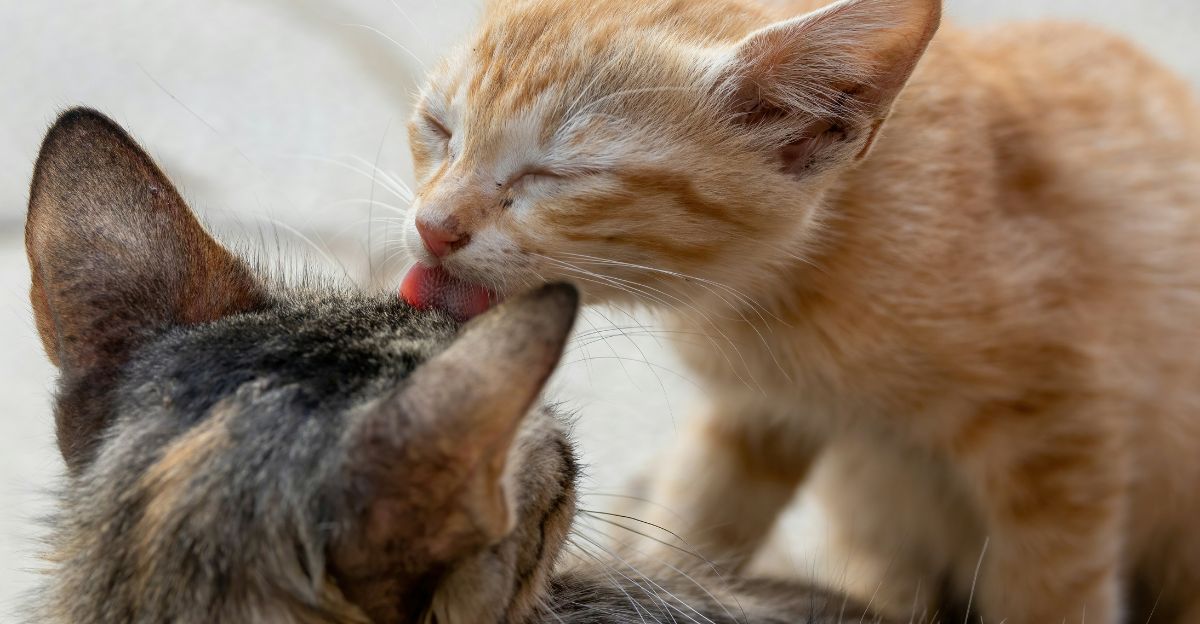
Have you ever watched your cats grooming each other, only to suddenly see them bite or nip? It can be confusing and even a little worrying.
You might wonder, “Why do my cats bite each other while grooming? ” Understanding this behavior can help you keep your furry friends happy and safe. You’ll discover the surprising reasons behind this biting and learn how to tell if it’s normal or a sign of something more.
Keep reading to uncover what’s really going on when your cats show this curious behavior.

Credit: www.reddit.com
Grooming Behavior In Cats
Cats spend a surprising amount of time grooming themselves and each other. This behavior isn’t just about cleanliness—it plays a key role in their social lives and emotional well-being. Understanding why your cats bite each other while grooming starts with knowing what grooming really means to them.
Purpose Of Mutual Grooming
Mutual grooming, or allogrooming, helps cats reach spots they can’t clean on their own, like the back of the head or neck. It also removes loose fur and dirt, keeping their coats healthy. But sometimes, a gentle nibble turns into a bite because cats use their mouths and teeth carefully to groom.
If you’ve seen your cats nibble each other during grooming, it’s usually not aggression. Instead, it’s a way to groom tough spots or remove something irritating, like a stuck flea. However, if the biting seems harsh or causes distress, it could mean one cat is overstimulated or annoyed.
Social Bonds And Grooming
Grooming between cats strengthens their social bonds and builds trust. When your cats groom each other, they’re saying “you’re part of my group” and sharing comfort. This behavior often happens between cats that feel safe and relaxed around one another.
Think about your own pets—do they groom each other more when they’re calm or after a play session? That’s their way of calming down and reconnecting. If biting happens during grooming, it might be a gentle reminder to set boundaries or signal that one cat needs a break.
Common Triggers For Biting
Understanding why cats bite each other during grooming starts with recognizing what triggers this behavior. Cats often use grooming as a way to bond, but certain factors can cause the interaction to turn a bit rough. Identifying these triggers helps you manage their behavior and maintain peace between your furry friends.
Overstimulation During Grooming
Grooming can sometimes be too much for a cat, even if it starts out friendly. Cats have limits on how much touch they can handle before becoming irritated. You might notice one cat suddenly biting or swatting the other after a few minutes of grooming—this is often a sign of overstimulation.
Have you ever seen your cats suddenly freeze or flick their tails during grooming? These subtle cues often precede a bite. Paying attention to these signals can help you intervene before the situation escalates.
Sensitivity To Touch
Each cat has unique sensitivities, especially in certain areas like the belly or tail. What feels soothing to one cat might feel uncomfortable or even painful to another. When a cat bites during grooming, it might be trying to tell the other, “Stop touching me here.”
Think about your own skin—some spots are ticklish or sore, right? Cats are no different. Watching how your cats respond to different touches can guide you in understanding their limits better.
Territorial Disputes
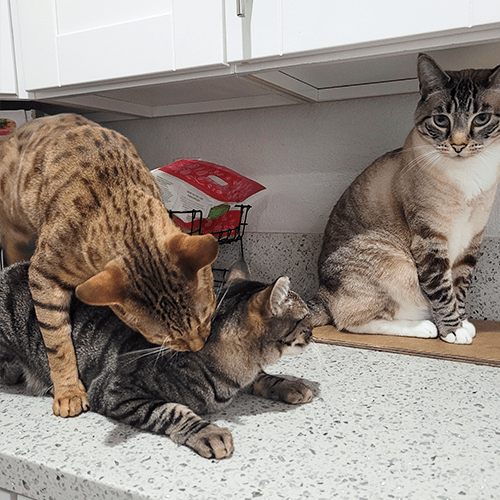
Grooming often involves close contact, which can trigger territorial instincts. If one cat feels its personal space is invaded, biting can be a way to assert dominance or defend its territory. This is especially common in multi-cat households where space and resources are limited.
Have you noticed if bites happen near favorite resting spots or food bowls? These locations can be hotspots for territorial behavior. Providing separate areas and resources can reduce conflicts and biting incidents during grooming.
Communication Through Biting
Cats often bite each other gently during grooming to communicate boundaries or show affection. These bites help them maintain social bonds and establish trust. Sometimes, a quick nip signals playfulness or a need for space.
Communication Through Biting Cats have a unique way of communicating, and sometimes it involves a playful nibble or a more assertive bite. You might find your cats biting each other while grooming, which can be puzzling. Yet, this behavior is often a form of feline communication, revealing their social dynamics.Setting Boundaries
When cats bite during grooming, they’re often setting boundaries. Just like humans, cats have personal spaces they don’t want invaded. A gentle bite can be a way to say, “That’s enough,” or “I’m done with this session.” This behavior can be particularly common if one cat is a more dominant personality. Have you noticed a pattern where one cat initiates the bite? Understanding these interactions can help you ensure peace in your multi-cat household.Expressing Discomfort
Sometimes, a bite is an expression of discomfort. Cats might bite if a particular spot is sensitive or painful. It’s their way of signaling that something is not quite right. Have you ever been surprised by a sudden nip while scratching a favorite spot? Pay attention to these cues; they might indicate a health issue that needs addressing. Regular vet check-ups can help ensure your cats are healthy and happy. Understanding the reasons behind your cats’ biting behavior can foster a more harmonious environment. It also strengthens your bond with your feline friends by showing you respect their communication style.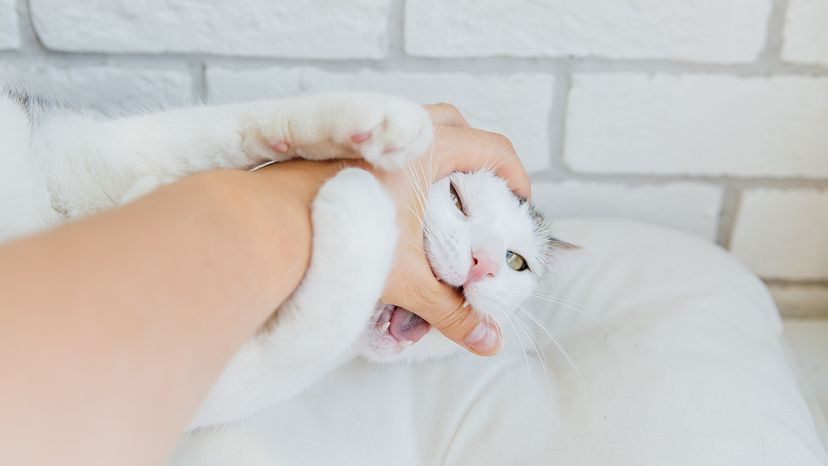
Credit: animals.howstuffworks.com
Impact Of Stress And Environment
The behavior of cats biting each other during grooming can often be traced back to stress and their surrounding environment. Stress impacts cats in subtle and not-so-subtle ways, affecting how they interact with each other. Understanding this connection can help you create a calmer space for your feline friends.
Changes In Household Dynamics
Have you noticed your cats suddenly becoming less friendly during grooming sessions? Changes like new pets, moving to a different home, or even rearranging furniture can shake up their sense of security. Cats rely on routine, and disruptions can make them anxious.
When something in the household shifts, your cats may bite as a way to assert control or express discomfort. It’s their way of saying, “I’m not okay with this new situation.” You can help by gradually introducing changes and keeping familiar scents and objects around.
Stress-induced Aggression
Stress doesn’t just make cats nervous; it can trigger aggression too. If your cats are overwhelmed, biting during grooming might be their outlet for frustration. This aggression can be sudden and surprising, even if they usually get along.
Think about what might be stressing your cats: loud noises, lack of hiding spots, or even your own tension. Creating quiet zones and providing plenty of enrichment can reduce stress levels and lower the chances of biting incidents. How often do you check for stress triggers in your cat’s environment?
Managing And Preventing Biting
Managing and preventing biting during grooming is key to keeping your cats happy and safe. Biting can sometimes be playful, but it can also signal stress or discomfort. Understanding how to handle and reduce these moments will help your cats build trust and enjoy their grooming sessions more.
Recognizing Warning Signs
Pay close attention to your cats’ body language before biting starts. Look for twitching tails, flattened ears, or sudden stiffening. These signs often mean one cat is feeling overwhelmed or annoyed.
Noticing these early cues lets you step in before things escalate. Have you watched your cats carefully enough to spot these hints? Sometimes a quick pause or gentle distraction can stop the biting before it begins.
Creating A Calm Environment
Your cats’ surroundings affect their behavior a lot. Make sure the grooming area is quiet and free from distractions. Soft lighting and a comfortable surface can help your cats feel secure.
Try grooming your cats separately if tension runs high when they are together. This small change can reduce stress and lower the chance of biting. Remember, a calm environment encourages gentle interactions.
Redirecting Aggressive Behavior
If you notice biting starting, redirect their attention immediately. Use toys or treats to shift focus away from conflict. This teaches your cats to associate grooming with positive experiences.
Sometimes, a sudden noise or gentle interruption can stop the biting. Avoid punishment as it can increase anxiety and worsen aggression. Have you tried simple distractions to change your cats’ mood during grooming?
Credit: trapandreturn.com
Frequently Asked Questions
Why Do Cats Bite During Grooming Sessions?
Cats bite during grooming to set boundaries or show discomfort. It’s a natural way they communicate. Sometimes, playful or overstimulated cats may nip gently. Understanding their body language helps prevent rough interactions and keeps grooming positive.
Is Biting While Grooming A Sign Of Aggression?
Not always. Biting during grooming is often a mild form of communication, not aggression. Cats may use gentle bites to express irritation or end the grooming. However, if bites are hard or frequent, it could indicate stress or conflict.
How Can I Stop Cats From Biting Each Other?
Interrupt grooming gently if biting starts. Provide separate grooming times or spaces. Use positive reinforcement when they groom calmly. Avoid forcing interactions and monitor their body language closely to reduce biting incidents.
Do Cats Bite More During Mutual Grooming?
Yes, biting can increase during mutual grooming. It’s a social behavior that mixes affection with mild dominance. Bites are usually gentle and brief, signaling communication rather than harm. Watch for signs of distress to ensure it stays friendly.
Conclusion
Cats biting during grooming is often a sign of play or mild irritation. It shows their way of communicating with each other. Watching their body language helps understand their mood. Sometimes, they test boundaries or show affection through gentle nips.
Knowing this helps keep their interactions safe and happy. Keep an eye on their behavior to prevent serious fights. Patience and observation are key to a peaceful cat relationship. Understanding their grooming habits builds a stronger bond between you and your pets.

Leave a Reply