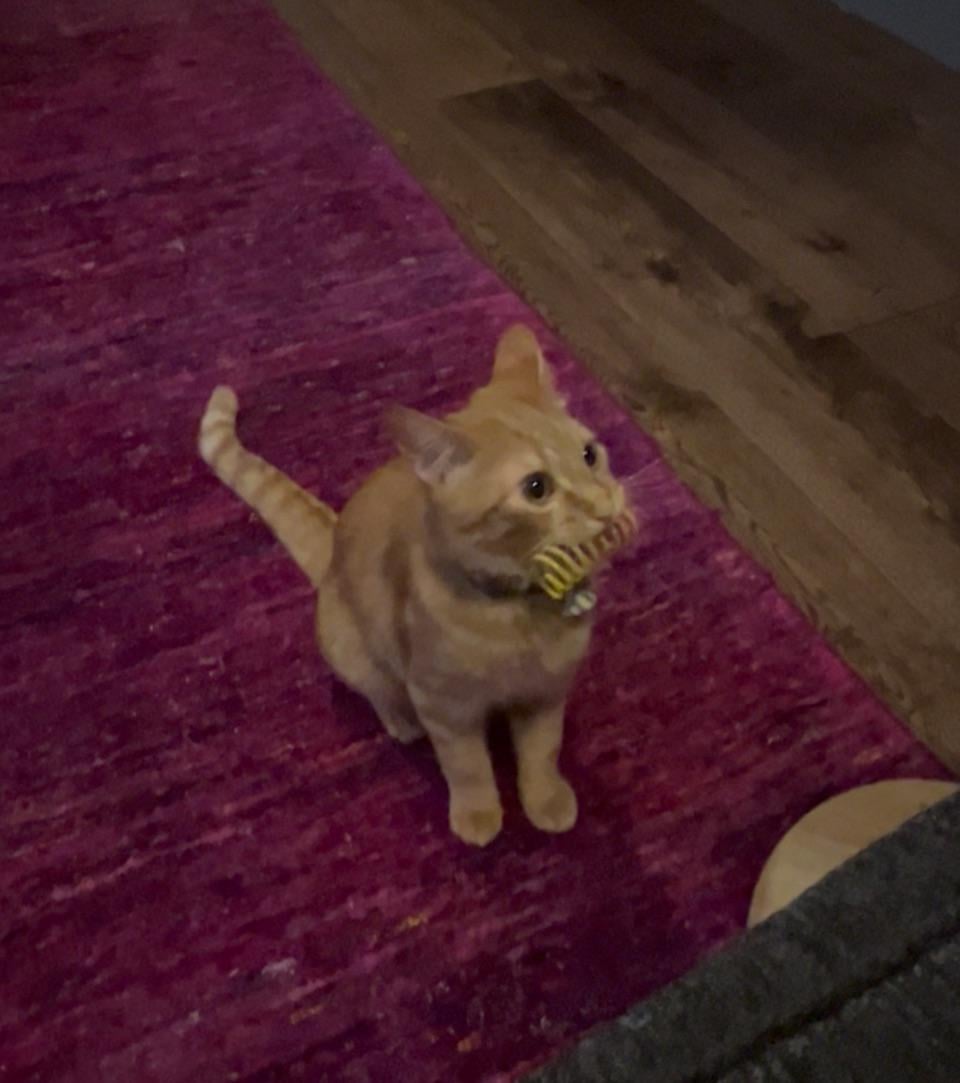
Have you ever noticed your cat picking up a toy and carrying it around in their mouth? It’s a curious behavior that might leave you wondering why your furry friend does this.
Understanding why cats carry toys can give you a glimpse into their natural instincts and emotions. If you want to learn what this behavior really means and how it connects to your cat’s unique personality, keep reading. You’ll discover surprising reasons behind this habit and how it can help strengthen the bond between you and your pet.
Why Cats Carry Toys
Cats often carry toys in their mouths, a behavior that many owners find curious. This action is rooted in deep natural instincts. Understanding why cats carry toys helps us appreciate their unique ways of interacting with their environment. It also reveals much about their needs and feelings.
Instinctual Behavior
Carrying toys mimics how cats handle prey in the wild. It shows their natural hunting instincts. Cats grab and move objects using their mouths. This behavior dates back to their ancestors. Bringing objects to a safe place is part of their survival skill. Toys become substitutes for prey in a home setting.
Hunting Practice
Carrying toys lets cats practice hunting skills. They simulate catching and carrying prey. This keeps their reflexes sharp and minds active. Moving toys around helps them feel confident hunters. Even indoor cats need this outlet. It satisfies their need to stalk, catch, and transport.
Play And Entertainment
Toys offer cats fun and mental stimulation. Carrying toys around is part of their play routine. It can be a way to show excitement or comfort. Cats sometimes share toys with their owners or other cats. This strengthens bonds and encourages interaction. Play also reduces stress and boredom in cats.
Types Of Toys Cats Prefer
Cats have distinct preferences when it comes to toys they carry in their mouths. Understanding these preferences helps you choose the right playthings that keep your feline friend happy and engaged. Let’s look at the types of toys cats prefer and why they love to carry some of them around.
Soft And Plush Toys
Many cats enjoy soft and plush toys because they mimic the texture of prey. These toys are easy to grab and carry, making them perfect for cats who like to tote their “catch” around the house. You might notice your cat gently biting or kneading these toys, which shows they find comfort in the softness.
If your cat carries a plush toy in their mouth, it might be their way of “hunting” or even showing affection. Toys stuffed with catnip add extra excitement and encourage your cat to play more actively. Have you ever seen your cat cuddle with a plush toy like it’s a real baby? That’s a clear sign they trust and enjoy their soft companion.
Small And Lightweight Objects
Cats often prefer toys that are small and light enough to carry effortlessly. Items like tiny balls, feather wands, or even bottle caps can become prized possessions. Their size fits perfectly in your cat’s mouth, making it easy to pick up and move around.
Observing your cat’s choice here tells you a lot about their personality. Are they more playful or more cautious? Lightweight toys encourage chasing and pouncing, which satisfies a cat’s natural hunting instincts. Next time your cat brings you a small toy, ask yourself what makes that object special to them.
Interactive Toys
Interactive toys stimulate your cat’s mind and body. Toys with moving parts, sounds, or that respond to your cat’s actions can become favorites. These toys often invite your cat to engage more deeply, sometimes leading to them carrying parts of the toy around as trophies.
Examples include battery-operated mice or balls with bells inside. These toys keep your cat interested longer and offer mental challenges. Think about how your cat reacts to a toy that moves unpredictably—do they chase it more or try to carry it off? This behavior reveals their level of engagement and enjoyment.
Communication Through Toy Carrying
Cats sometimes carry toys in their mouths to show affection or share. This behavior mimics how they carry their young or prey. It’s a gentle way cats communicate trust and care.
Cats often surprise us with their unique behaviors. One such behavior is carrying toys in their mouths. This action may seem simple, but it holds layers of meaning. Cats use toy carrying as a form of communication. Understanding this behavior can help us connect better with our feline friends.Showing Affection
Cats carrying toys often show affection. They may bring toys as gifts. This is similar to how they might bring prey to their owners. It’s a sign of trust and love. When your cat offers you a toy, they are sharing their joy. They want to involve you in their playful world.Seeking Attention
Sometimes, cats carry toys to seek attention. This behavior is a way to engage with their humans. They might drop a toy at your feet or in your lap. This is their way of saying, “Play with me!” By doing this, they hope to start an interactive session. It’s a call for companionship and fun.Marking Territory
Cats also carry toys to mark territory. They have scent glands in their mouths. When they bite or hold a toy, they leave their scent on it. This makes the toy a part of their personal domain. It’s a way for them to claim ownership and feel secure in their environment.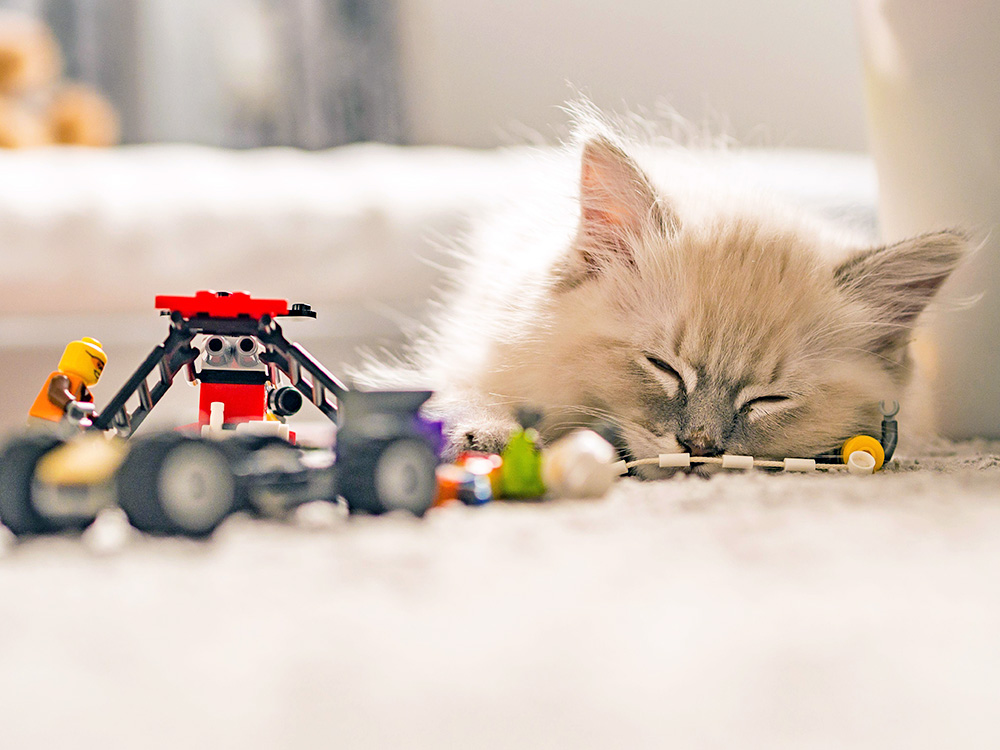
Credit: www.kinship.com
Age And Toy Carrying Habits
Cats carry toys in their mouths for different reasons depending on their age. This behavior changes as they grow and their needs evolve. Understanding these changes helps you know your cat better.
Kittens And Playfulness
Kittens often carry toys as part of their play. They explore the world using their mouths. Carrying toys mimics hunting behavior. It helps them practice skills needed in the wild. Young cats enjoy chasing, biting, and carrying small objects. This activity boosts their energy and curiosity.
Adult Cats’ Behavior
Adult cats carry toys less often than kittens. They may bring toys to their favorite resting spots. This shows a sense of ownership or pride. Some adults carry toys to share with their human or other cats. It is a gentle way to show affection. Others keep toys as comfort objects during rest.
Senior Cats And Comfort
Senior cats carry toys mainly for comfort. They may carry soft, familiar toys to feel safe. This habit brings calm and reduces stress. Older cats can become less active but still enjoy this gentle interaction. Toy carrying helps maintain a bond with their environment and humans.
Differences Between Cats And Other Pets
Understanding how cats carry toys in their mouths requires looking at how they differ from other pets. Each species has its own ways of interacting with objects and expressing affection. Knowing these differences helps you better interpret your pet’s behavior and respond in ways that suit their nature.
Cats Vs. Dogs
Dogs often carry toys to show off or invite play. They might bring a ball or a stick to you, wagging their tail excitedly. This behavior is usually about social bonding and seeking attention.
Cats, however, carry toys differently. They tend to be more independent and less eager to share their ‘prey.’ When a cat carries a toy in its mouth, it might be mimicking hunting behavior or even offering a gift to you.
Have you noticed your dog dropping a toy at your feet versus your cat quietly walking away with theirs? This shows different motivations behind carrying toys—dogs want interaction, cats might be expressing instincts or trust.
Unique Feline Traits
Cats have sharp instincts that influence how they handle objects. Carrying toys in their mouth often reflects their natural hunting and carrying skills. You may see your cat gently holding a small toy, just like they would a captured mouse.
Some cats bring toys to their favorite spots to ‘store’ them, showing territorial behavior. Others carry toys to you as a sign of affection or to teach hunting skills, especially mother cats with kittens.
- Cats use their mouths to test texture and size of toys.
- They may carry toys silently, reflecting their stealthy nature.
- Unlike dogs, cats rarely drop toys to encourage play; they control the interaction.
Have you ever wondered why your cat chooses a specific toy to carry around? It might be linked to their personal preferences or instincts. Paying attention to these details can deepen your bond and help you provide the right kind of enrichment.
When Toy Carrying Indicates Stress
Sometimes, when your cat carries toys in their mouth, it’s not just playfulness—it can signal stress. This behavior may be a way your cat tries to cope with anxiety or unsettling changes in their environment. Recognizing the signs behind toy carrying can help you support your feline friend better.
Signs Of Anxiety
Is your cat suddenly more clingy or hiding more often? These changes often go hand-in-hand with toy carrying during stressful periods. Other signs include:
- Excessive grooming or scratching
- Changes in appetite or litter box habits
- Restlessness or vocalizing more than usual
Notice if your cat carries the same toy repeatedly or seems fixated on it. This can be a subtle but important clue that they’re feeling uneasy.
Comfort Mechanism
Carrying a toy can act like a security blanket for cats. It provides a sense of control and familiarity when their world feels uncertain. Think about how you might clutch a small object for reassurance during tough moments—cats do something similar.
This behavior often mimics hunting instincts, giving cats a safe outlet for stress. When your cat carries toys, they might be self-soothing, trying to calm themselves by engaging with something they trust.
How To Help Your Cat
First, observe what might be triggering your cat’s stress—new pets, loud noises, or changes in routine can all impact them. Once you identify potential causes, try to create a calm and predictable environment.
- Provide quiet spaces where your cat can retreat
- Offer interactive playtime to reduce anxiety
- Use calming products like pheromone diffusers if needed
Sometimes, simply sitting quietly with your cat while they carry their toy can reassure them you’re there. Have you noticed your cat’s behavior change during stressful times? Paying attention to these moments can strengthen your bond and help your cat feel safe.
Encouraging Healthy Play
Encouraging healthy play is essential for your cat’s overall happiness and well-being. Play stimulates their natural hunting instincts and keeps them physically active. It also strengthens the bond between you and your furry friend, making your relationship more rewarding.
Safe Toy Choices
Choosing safe toys is crucial to prevent injuries and choking hazards. Look for toys made from non-toxic materials that don’t easily break apart. Soft balls, feather wands, and plush mice are popular options that many cats enjoy carrying in their mouths.
Avoid toys with small parts that can be swallowed or sharp edges that might hurt your cat. If your cat loves to carry toys, pick ones that are lightweight and easy to grasp. Have you noticed your cat preferring certain textures or sizes? Use that to guide your toy selection.
Interactive Playtime Tips
Interactive play keeps your cat engaged and mentally sharp. Use toys that mimic prey movements, such as feather teasers or laser pointers, to spark your cat’s hunting drive. Move the toy unpredictably to challenge your cat and encourage them to chase and carry it.
Set aside dedicated time daily for play sessions. Short, frequent bouts of play work better than long, exhausting ones. Do you find your cat more active at certain times? Align playtime with their natural energy peaks for better results.
Avoiding Destructive Behavior
Play helps reduce boredom and destructive habits like scratching furniture or chewing cords. Providing a variety of toys can keep your cat entertained and less likely to focus on household items. Rotate toys regularly to keep things fresh and exciting.
If your cat starts carrying toys around, it often signals satisfaction with their play experience. Redirect any rough play away from your hands or feet by offering a toy to carry instead. How do you react when your cat brings you a toy? Encouraging this behavior can create positive interactions and reduce unwanted aggression.

Credit: www.kittyhelpdesk.com
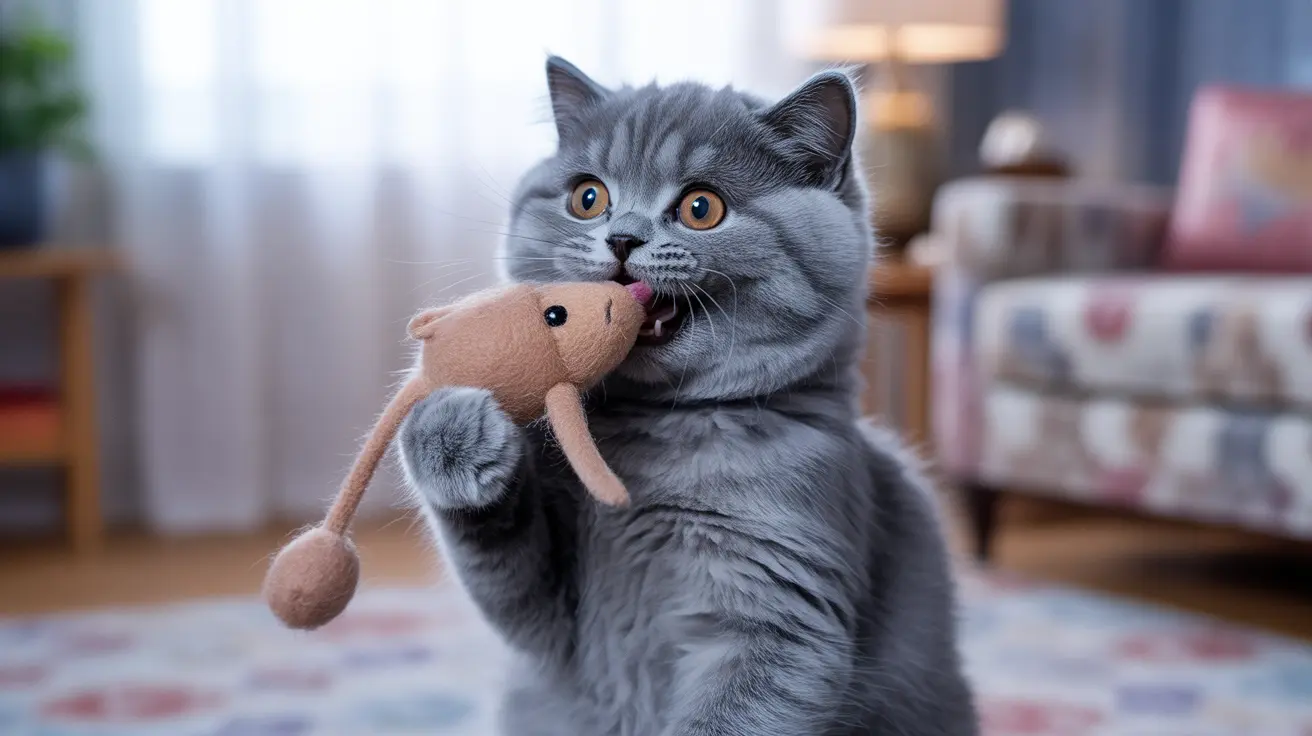
Credit: www.petscare.com
Frequently Asked Questions
Why Do Cats Carry Toys In Their Mouths?
Cats carry toys to mimic hunting behavior. It satisfies their natural instincts to catch and transport prey. This activity also provides mental stimulation and physical exercise. Carrying toys can be a form of play and a way to show affection.
Is Carrying Toys Normal Cat Behavior?
Yes, carrying toys is normal and healthy for cats. It helps fulfill their predatory instincts and keeps them engaged. Cats use this behavior to practice hunting skills, even indoors. It also helps reduce stress and boredom.
Do Cats Carry Toys To Show Affection?
Sometimes, cats carry toys to share with their owners. This behavior can be a sign of bonding and trust. Cats may also offer toys as “gifts” to show love. It reflects their social and playful nature.
Can Carrying Toys Indicate A Cat’s Mood?
Yes, carrying toys can reflect a cat’s mood. It often signals excitement, playfulness, or hunting readiness. However, if excessive, it might indicate stress or anxiety. Observing other behaviors helps understand their emotional state.
Conclusion
Cats carry toys in their mouths to show love or practice hunting. This behavior is natural and common among many cats. They feel safe and happy when holding their favorite toy. Watching this can help you understand your cat’s feelings better.
Toys also keep cats active and entertained. Remember, each cat is unique and may carry toys for different reasons. Paying attention to these small actions strengthens your bond. Enjoy these moments—they reveal a lot about your pet’s personality.

Leave a Reply