Have you ever wondered why you don’t see giant cats with long, flowing fur? If you love big cats or dream of having a majestic, long-haired feline friend, you might find this surprising.
You’re probably asking yourself—why aren’t there large cat breeds with long hair like the smaller ones? The answer is more interesting than you think. Understanding this will change how you see your favorite cats and might even surprise you. Keep reading to discover the fascinating reasons behind this mystery.
Credit: www.petsradar.com
Genetics Of Cat Fur Length
The genetics of cat fur length plays a key role in why large cat breeds rarely have long hair. Fur length depends on specific genes passed down from parent cats. These genes control the type and growth of fur, shaping the cat’s appearance.
Understanding these genetic factors helps explain the link between size and fur length. Some genes promote short fur, while others encourage longer coats. The interaction between these genes creates the unique variety seen in cat breeds.
Genes Influencing Fur Length
Two main genes affect cat fur length: the long hair gene and the short hair gene. The long hair gene makes fur grow longer and thicker. The short hair gene keeps fur close to the body and smooth. Cats inherit one gene from each parent, which decides their fur length.
Other genes also affect texture and thickness, but the long and short hair genes are most important. These genes work together to create different fur patterns and lengths across breeds.
Dominant And Recessive Traits
The short hair gene is dominant, meaning it usually shows up in kittens. The long hair gene is recessive and only appears if a cat inherits it from both parents. This makes long-haired cats less common, especially in larger breeds.
Because long hair is recessive, two short-haired cats can still have long-haired kittens if both carry the recessive gene. This explains why some large cats have short fur but carry the gene for longer coats.
Breed-specific Genetic Patterns
Large cat breeds like Maine Coons and Norwegian Forest Cats often carry the long hair gene. But many big breeds, such as Bengals and Savannahs, mostly have short hair genes. This is due to their breeding history and natural selection.
Breeders focus on traits like strength and agility in large cats. Long fur can get in the way of these traits, so it is less common in big breeds. Each breed’s unique genetic mix shapes its fur length and size.
Size And Fur Length Correlation
Understanding the connection between a cat’s size and the length of its fur reveals why long-haired large breeds are rare. Larger cats have different needs and challenges compared to smaller ones, and these factors influence their fur type. Let’s look closely at how size affects fur length through energy, heat, and evolution.
Energy Needs And Fur Maintenance
Bigger cats require more energy just to move and stay active. Long fur demands extra energy to grow and maintain, which can be a heavy burden for large cats.
Think about grooming: long fur needs frequent care to avoid tangles and mats. For a large cat, this grooming takes much more time and effort, which might not be practical for their lifestyle.
Have you ever tried brushing a large dog with thick, long fur? It’s a lot of work. For cats, this maintenance effort often limits the practicality of long hair in bigger sizes.
Heat Regulation Challenges
Large cats have a smaller surface area relative to their volume, meaning they retain heat more efficiently. Adding long fur can trap even more heat, making it harder for them to cool down.
In warmer climates, this can lead to overheating, which is dangerous. So, nature tends to favor shorter fur for bigger cats to help them regulate body temperature better.
Have you noticed how big cats in the wild, like lions, have shorter, less dense fur? This adaptation helps them stay comfortable in hot environments without overheating.
Evolutionary Adaptations
Over generations, cats have evolved fur lengths that suit their environment and body size. Large wild cats usually have short fur to survive in their habitats.
Domestic breeds are no different. Breeders and nature both select for traits that balance fur length with size and climate. This explains why you rarely see giant, long-haired cat breeds.
Next time you admire a fluffy Persian, consider how its smaller size supports that luxurious coat. Would the same work for a Maine Coon twice its size? Probably not, due to these natural limits.
Historical Breeding Trends
Long-haired cats tend to be smaller because thick fur requires more care and energy. Large cat breeds often have short hair to stay cool and healthy. Breeders focused on traits like size and health, not long fur, for bigger cats.
In the fascinating world of feline genetics, historical breeding trends have shaped the cats we adore today. Breeders have long focused on specific traits, leading to the diverse breeds we see now. But why aren’t there many long-haired large cat breeds? The answer lies in the history of cat breeding.Selective Breeding Focus
Selective breeding has targeted specific traits. Breeders prioritized size, temperament, or coat length based on demand. Large cat breeds often resulted from a focus on robust health and adaptability. Long hair wasn’t a primary goal. Short-haired cats required less grooming and were more practical. This made them more desirable for many breeders.Popular Large Cat Breeds
Some large cat breeds have gained immense popularity. The Maine Coon, Norwegian Forest Cat, and Siberian are prime examples. These breeds are known for their size and friendly nature. Their coats are typically medium to long, but not excessively so. The focus remained on their size and adaptability.Long-haired Breed Origins
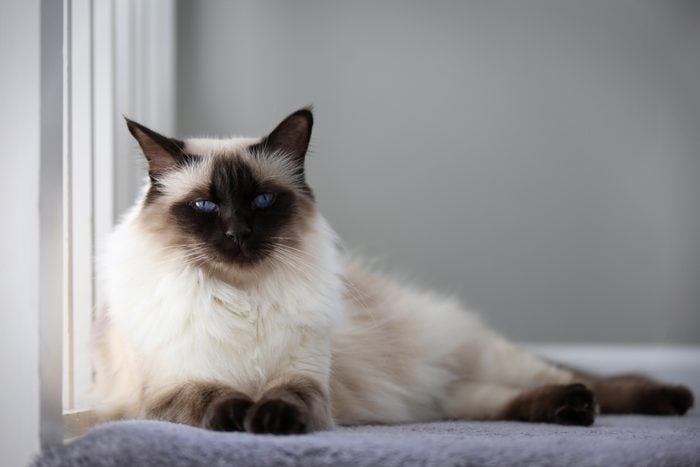
Long-haired cats have interesting origins. Breeds like the Persian and Himalayan are known for their luxurious coats. These breeds emerged from a preference for exotic appearances. Breeders focused more on coat texture and color. Long hair often appeared in smaller cat breeds. These breeds required more care and attention, adding to their unique appeal.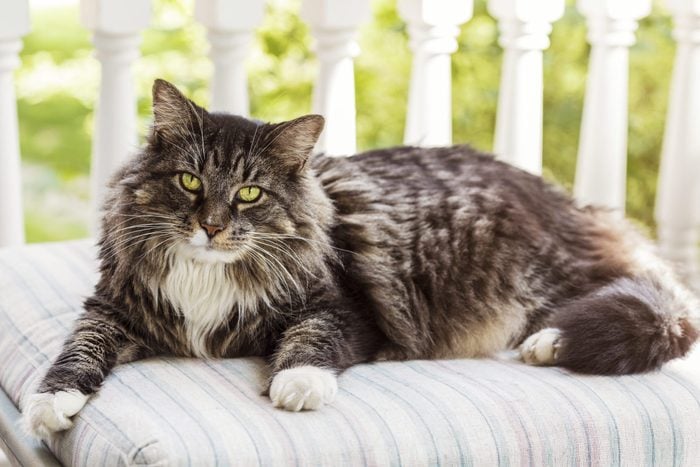
Credit: www.rd.com
Environmental Influences
Environmental factors shape the physical traits of animals, including cats. The length and thickness of a cat’s fur often reflect the climate and geography where it evolved. Large cats with long hair are rare because their environment influences their survival and comfort. Understanding these influences helps explain why most big cats have short fur.
Climate Impact On Fur Traits
Cold climates favor thick, long fur to keep animals warm. Cats in colder regions develop dense coats to protect against frost. In contrast, warm climates encourage shorter fur to prevent overheating. Large cats living in hot areas often have sleek, short hair to stay cool and agile. This climate-based adaptation limits the presence of long-haired large cats.
Geographical Distribution Of Breeds
Big cats are spread across diverse habitats worldwide. Most large species inhabit warm or temperate zones. For example, lions thrive in African savannas with short fur. Snow leopards, found in cold mountains, have thicker fur but are smaller than the largest big cats. Geography influences which fur traits are advantageous and which are not.
Survival Advantages
Fur length affects hunting and movement. Long fur can slow down large cats and trap dirt or parasites. Short fur helps them move silently and swiftly. It also reduces the risk of overheating during a chase. Evolution favors traits that improve survival, so large cats tend to have shorter fur for better efficiency in their habitats.
Health And Grooming Considerations
Health and grooming are major factors in why large cat breeds rarely have long hair. Their size combined with thick, long fur creates unique challenges. These challenges affect both the cat’s well-being and the owner’s ability to care for them properly.
Fur Maintenance Challenges
Long fur on large cats can mat easily. Mats trap dirt and moisture, causing skin problems. Grooming such dense coats takes a lot of time and effort. Brushing must be frequent to prevent tangles and hairballs. Large cats need more space and patience for grooming sessions.
Health Issues Linked To Fur Length
Long fur can hide injuries or infections. Thick coats increase the risk of overheating, especially in big cats. They may also suffer from flea infestations more severely. Skin diseases and fungal infections are harder to spot under thick fur. These health risks make long hair less practical for large breeds.
Owner Care Requirements
Owners must commit to daily grooming routines. They need the right tools like wide-toothed combs and shedding blades. Regular vet visits are essential to monitor skin health. Bathing large cats with long fur can be stressful and difficult. The time and effort required deter many from breeding long-haired large cats.
Exceptions And Unique Cases
While large cat breeds typically have short or medium fur, there are some exceptions that challenge this rule. These unique cases offer insight into why long-haired large cats are rare. Understanding these exceptions can help you appreciate the diversity and complexities of feline genetics.
Large Cats With Medium-length Fur
Several large cat breeds feature medium-length fur, striking a balance between short and long hair. Cats like the Maine Coon and Norwegian Forest Cat fall into this category. Their fur is thick and water-resistant, helping them survive colder climates without the heavy grooming needs of long-haired cats.
In my experience, these medium-furred large cats are easier to care for than you might expect. You get the fluffy look without the constant tangles or mats. Do you think a medium-length coat might be the perfect compromise for your home?
Rare Long-haired Large Cats
True long-haired large cats are uncommon but do exist in rare forms. Some breeds like the Siberian cat can grow quite large and have dense, long fur. However, these breeds are exceptions rather than the rule and often require extra grooming and care.
Owners of these rare cats often mention the challenge of keeping their fur mat-free. Are you prepared to commit time to daily brushing if you choose a rare long-haired large cat? This is a key question before welcoming one into your family.
Future Breeding Possibilities
Breeders are experimenting with creating new large cat breeds that combine size with long fur. Advances in genetics and selective breeding may soon bring more options. However, breeding for long hair in large cats must consider health and care needs carefully.
Could future breeds solve the grooming challenges while preserving the majestic look? If you’re interested in a large, fluffy cat, staying updated on breeding trends might help you find the perfect companion soon.
Credit: www.rd.com
Frequently Asked Questions
Why Don’t Large Cat Breeds Have Long Hair?
Large cats evolved to have short hair for better heat regulation. Long fur can cause overheating in big cats living in warm climates. Evolution favors shorter coats for easier movement and less maintenance in wild environments.
Are There Any Large Long-haired Cat Breeds?
Most large cat breeds have short or medium coats. The Maine Coon is a notable exception with a long, thick coat. However, truly large cats with long hair are rare due to natural adaptation and breeding preferences.
Does Long Hair Affect Large Cats’ Health?
Long hair can cause matting and skin issues if not maintained. Large cats with long coats need regular grooming to prevent discomfort. In the wild, long hair could hinder mobility and survival, making it less common in large breeds.
How Does Climate Influence Cat Coat Length?
Cats in colder climates tend to have longer, thicker coats for warmth. Large cats from warmer regions typically have shorter fur to stay cool. Climate plays a key role in the natural development of cat coat length.
Conclusion
Large cats with long hair are rare due to nature’s balance. Their size and thick fur need more energy and care. Breeders also focus on traits that keep cats healthy and strong. Long hair in big cats can cause problems like overheating or matting.
This makes such breeds less common. Still, every cat is special, no matter the size or fur. Understanding these reasons helps us appreciate different cat types more. Cats come in many shapes and coats, each one unique and loved.

Leave a Reply