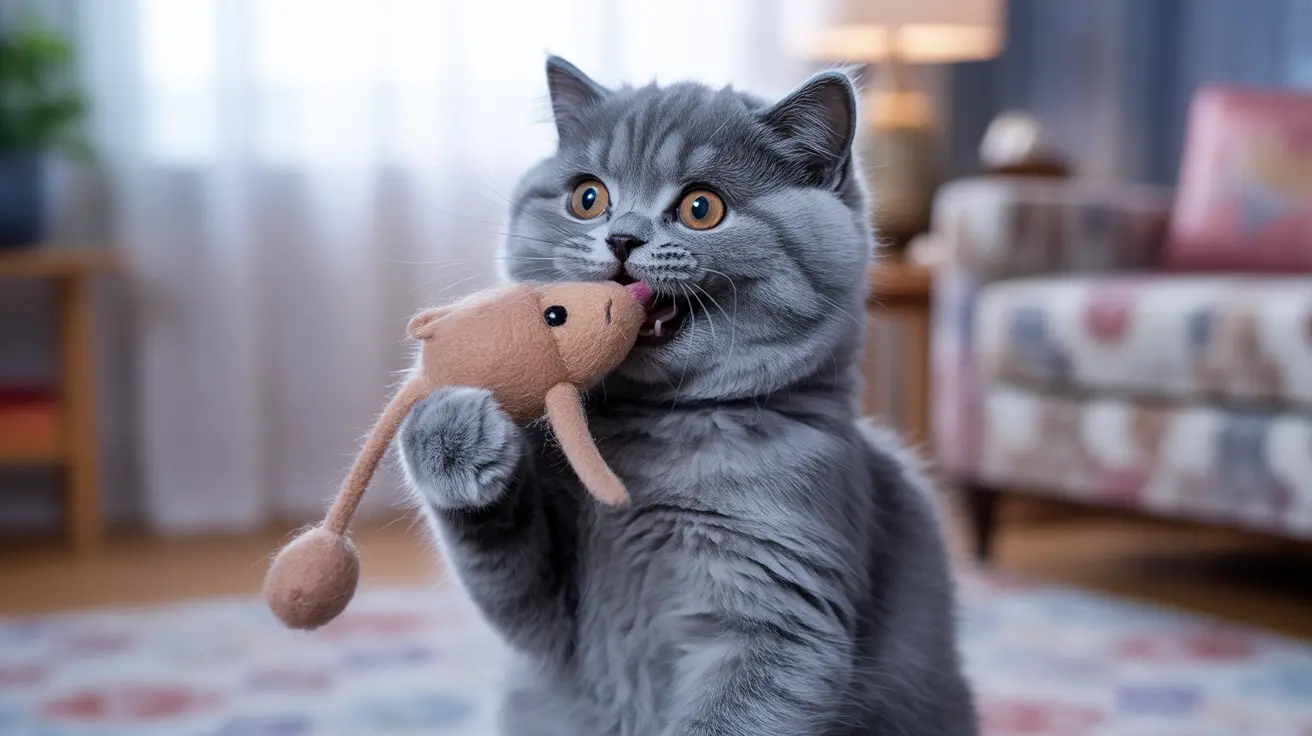
Have you ever noticed your cat meowing while chasing a toy? It might seem surprising or even a little strange.
But there’s a good reason behind those little sounds. Understanding why your cat meows during play can help you connect with them better and make playtime more fun for both of you. Keep reading to discover what those meows really mean and how they show your cat’s feelings in the moment.
You’ll never look at your furry friend’s playtime the same way again!
Cat Vocalizations During Play
Cat vocalizations during play are fascinating and often puzzling. You might notice your cat meowing while chasing a toy or pouncing on a feather. These sounds aren’t random—they serve specific purposes in how your cat expresses excitement, frustration, or even a call for interaction.
Types Of Meows Cats Use
Cats use different meows depending on the situation, and playtime is no exception. You might hear:
- Short, sharp meows:These often signal excitement or surprise, like when your cat suddenly catches a toy.
- Chirps and trills:These sounds show curiosity and engagement, encouraging you to keep the game going.
- Soft, repetitive meows:Your cat might use these to communicate eagerness or to ask you to throw the toy again.
Next time your cat meows during play, notice if the sound changes based on what they’re doing. Are they more vocal when they’re about to pounce or after they catch the toy?
Differences Between Play And Other Meows
Not all meows mean the same thing, and play meows differ from those used for attention or distress. When playing, meows tend to be lighter and more frequent. They reflect excitement rather than need or discomfort.
In contrast, a meow for food or attention is often louder and more insistent. A distressed meow might be drawn out and desperate. Recognizing these differences helps you respond appropriately to your cat’s needs.
Think about your own cat’s meows during play. Do you notice a pattern that tells you when they want more interaction versus when they’re just expressing joy? Understanding these nuances makes playtime more enjoyable for both of you.

Credit: moderncat.com
Communication With Humans
Cats don’t just meow randomly when they play with toys; their sounds are a key way to connect with you. These vocalizations serve as a bridge between your feline friend’s playful world and your understanding of their feelings. Paying attention to these meows can deepen your bond and help you respond to their needs better.
Seeking Attention Through Meowing
Sometimes, your cat’s meow during playtime is a clear call for your attention. They might want you to join in the fun or simply acknowledge their excitement. If you notice your cat looking at you while meowing, it’s a sign they want interaction.
Have you ever caught your cat meowing to show off their catch or toy? This behavior often means they’re proud and want you to notice their “hunting” skills. Responding with praise or joining the play can make your cat feel appreciated and encourage more interaction.
Expressing Excitement And Joy
Meowing while playing is also your cat’s way of expressing happiness. These sounds can vary from soft chirps to louder meows, indicating different levels of excitement. Your cat is sharing their joy and inviting you to share in the fun.
Think about how your cat’s meows change when a favorite toy appears. The increased vocalization often means they are thrilled and energized. Recognizing these vocal cues can help you understand what truly delights your cat and strengthen your connection through play.
Instinctive Hunting Behavior
Cats are natural hunters. This instinct influences their behavior while playing. When a cat meows during play, it’s a reflection of its wild ancestry. The meows often mirror their hunting tactics. Understanding this behavior helps in connecting better with your feline friend.
Mimicking Prey Calls
Cats meow to mimic sounds of prey. It keeps their hunting skills sharp. While playing with toys, they practice these skills. The meow resembles the high-pitched sounds of small animals. This imitation helps them in real hunting scenarios. It’s a clever technique to lure and catch prey.
Signaling Success Or Frustration
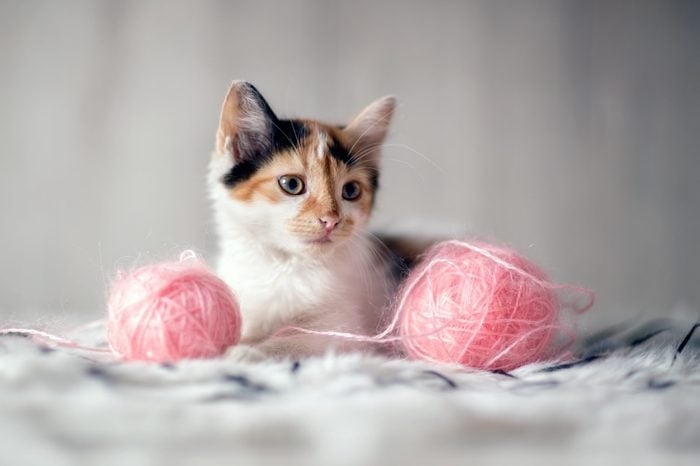
Cats meow to signal their success or frustration. A triumphant meow often follows a successful catch. It shows their satisfaction and pride. Frustrated meows occur when they fail to capture the toy. This vocalization reflects their determination and persistence. Understanding these signals can enhance playtime interaction.
Credit: www.rd.com
Emotional Responses In Play
Cats use meowing to express emotions, even during playtime. Their vocal sounds reveal feelings that might not be visible. Play triggers different emotional responses that cause cats to meow.
Understanding these sounds helps pet owners connect better with their cats. It shows how deeply cats engage with their toys and surroundings.
Meows As Signs Of Stimulation
Meowing often signals excitement and alertness. Cats get mentally and physically stimulated while playing. This stimulation makes them vocalize as a way to express joy and energy.
These sounds can also mean a cat is focused and curious. Meowing adds to the fun and helps cats stay engaged with the toy.
Indicating Playful Aggression
Sometimes, meows show mild aggression mixed with play. Cats mimic hunting behaviors, including vocal sounds. This playful aggression is part of their natural instinct.
Meowing in this context warns the toy or playmate about an imaginary threat. It’s a harmless way to practice skills cats use in the wild.
Variations Among Cat Breeds
Cats express themselves differently based on their breed. Their meows during play can vary widely. Understanding these differences helps pet owners connect better with their cats. Some breeds are naturally more vocal while playing. Others might stay quieter but show excitement in other ways. These variations make cat behavior unique and interesting.
Breed-specific Vocal Tendencies
Some cat breeds are known for their talkative nature. Siamese cats often meow loudly and frequently during play. They use their voices to communicate excitement and invite interaction. Burmese cats also tend to be very vocal, adding chirps and trills when engaged with toys.
On the other hand, breeds like the Maine Coon are quieter. They may purr or make soft chuffing sounds instead of meowing a lot. Scottish Folds usually have gentle, low-pitched meows that are less frequent during play. These differences depend on the breed’s heritage and communication style.
Personality Influences On Meowing
Individual personality affects how much a cat meows while playing. Some cats are naturally more expressive and use their voice often. Shy or reserved cats may stay silent and focus on the toy only. Curious cats might mix meows with chirps and purrs to show excitement.
Playful cats tend to meow to get attention or invite others to join. Quiet cats prefer body language like tail flicking or pawing at toys. Personality traits blend with breed tendencies to create unique vocal patterns during playtime.

Credit: www.kittyhelpdesk.com
How To Respond To Playtime Meows
Understanding how to respond to your cat’s playtime meows can deepen your bond and make play sessions more enjoyable for both of you. Cats use meowing to communicate, and during play, these sounds can mean excitement, challenge, or even a call for attention. Paying close attention to these vocal cues helps you interact in ways that your feline friend appreciates and understands.
Encouraging Positive Interaction
When your cat meows while playing, respond with enthusiasm and gentle encouragement. Use a soft voice to praise them or mimic their excitement by talking back. This shows your cat that you are engaged and enjoy the game just as much as they do.
Try to match your cat’s energy by moving toys in ways that stimulate their hunting instincts—quick, unpredictable movements often trigger more meows and playful behavior. You can also reward their play with treats or affection, reinforcing that meowing during playtime leads to positive outcomes.
Have you noticed your cat’s favorite toy or game that makes them meow more? Keep those toys handy and rotate them regularly to maintain your cat’s interest and vocal engagement.
When To Be Concerned
Not all playtime meows are playful or positive. If your cat’s meowing becomes frantic, distressed, or is accompanied by signs of aggression, it might indicate frustration or discomfort. Pay attention to body language like flattened ears, hissing, or swatting, which suggest the play session should pause.
Excessive or unusual vocalizing during play could also signal pain or health issues. If your cat suddenly starts meowing loudly or incessantly while playing, consider consulting your vet to rule out any underlying problems.
How often do you observe your cat’s meows changing during play? Keeping a mental note can help you spot when something isn’t quite right and act early to support your pet’s well-being.
Frequently Asked Questions
Why Do Cats Meow During Playtime?
Cats meow during play to communicate excitement and engage with their environment. It mimics hunting sounds and expresses curiosity or joy.
Is Meowing A Sign Of Cat Happiness With Toys?
Yes, meowing often indicates a cat’s happiness and enthusiasm while playing. It shows they enjoy the toy and feel stimulated.
Do All Cats Meow When Playing With Toys?
Not all cats meow while playing. Some are silent players, while others vocalize their excitement or hunting instincts.
Can Meowing During Play Indicate Stress Or Discomfort?
Usually, playful meows signal fun, but if meowing is excessive or distressed, it could mean discomfort or anxiety.
Conclusion
Cats meow during play to express excitement and attention. This sound helps them communicate with you and other cats. Meowing shows their happiness and sometimes their curiosity. Playing with toys makes cats feel active and joyful. Listening to their meows can strengthen your bond.
Remember, each cat’s meow is unique and meaningful. Enjoy these moments—they show your cat’s lively spirit. Keep playing and talking with your pet often. It makes their world brighter and your connection stronger. Simple sounds tell big stories in a cat’s life.

Leave a Reply