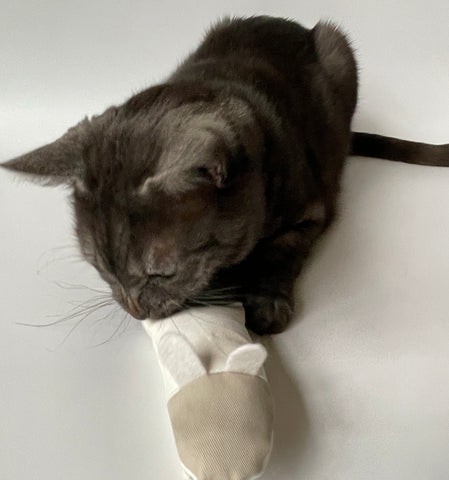
Have you ever noticed your cat staring off into space or lounging around without much interest? It’s easy to think they’re just lazy, but your furry friend actually needs mental exercise just like you do.
That’s where interactive cat toys come in. They don’t just keep your cat busy—they challenge their brain, spark curiosity, and can even reduce stress. If you want to see your cat happier and more engaged, keep reading. You’ll discover how these toys work and why they might be the secret to a smarter, more content pet.

Credit: www.amazon.com
Benefits Of Interactive Cat Toys
Interactive cat toys offer more than just fun. They provide important mental and physical benefits for cats. These toys keep cats active and alert. They help cats think and stay engaged. Using interactive toys can improve a cat’s quality of life. They meet natural hunting and playing instincts.
Enhancing Cognitive Skills
Interactive toys challenge cats to solve problems. Puzzles and moving toys encourage thinking. Cats learn to focus and plan their moves. This mental exercise sharpens memory and attention. It helps prevent mental decline in older cats. Regular play boosts brain function and alertness.
Reducing Boredom And Stress
Boredom can cause bad behavior in cats. Interactive toys keep cats busy and entertained. Playing reduces anxiety and stress levels. Toys mimic hunting, which calms natural instincts. Cats feel happier and more relaxed. Stress relief supports better health and mood.
Promoting Physical Activity
Interactive toys encourage cats to move and jump. Physical activity helps maintain healthy weight. It strengthens muscles and improves coordination. Active play prevents obesity and related problems. Cats enjoy chasing, pouncing, and batting toys. This keeps them fit and energetic.
Types Of Interactive Cat Toys
Interactive cat toys come in many forms, each designed to challenge your cat’s mind and keep boredom at bay. Understanding the different types can help you choose toys that fit your cat’s personality and energy level. Let’s look at some popular options that can boost mental stimulation effectively.
Puzzle Feeders
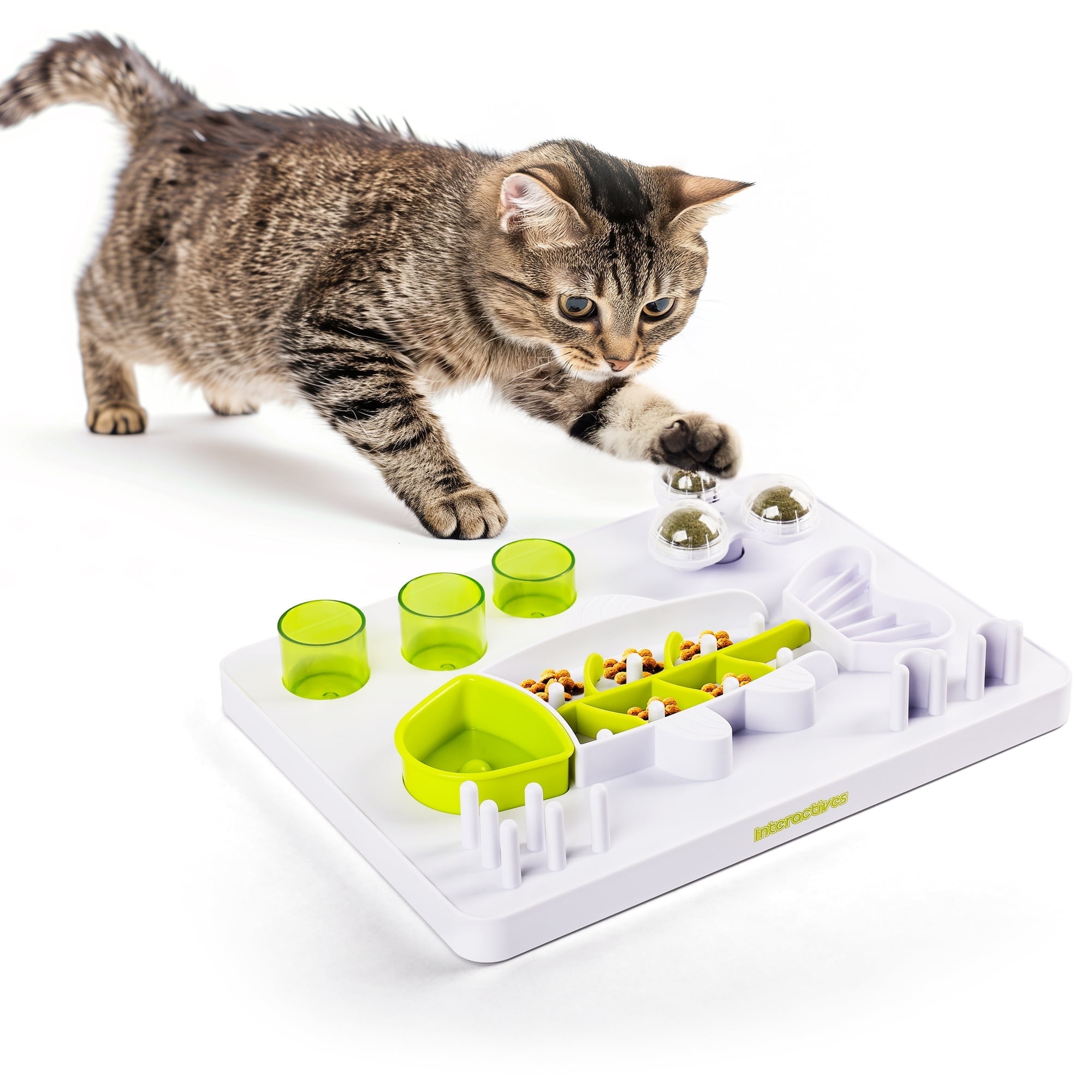
Puzzle feeders turn mealtime into a brain game. Your cat must figure out how to get the food by moving pieces or solving simple puzzles. This slows down eating and encourages problem-solving skills.
I noticed my cat became more engaged and less anxious during meals after I introduced a puzzle feeder. It’s a great way to keep your cat busy and mentally sharp, especially if they tend to eat too fast or get bored easily.
Laser And Motion Toys
Laser pointers and motion-activated toys spark your cat’s natural hunting instincts. These toys encourage quick reflexes and sustained attention as your cat chases the moving light or object.
Try moving the laser in unpredictable patterns to really challenge your cat’s focus. Be sure to end the play session by pointing the laser at a tangible toy, so your cat can enjoy a satisfying “catch.”
Automated Play Devices
Automated play devices offer hands-free entertainment. These toys move on their own, providing random bursts of activity that keep your cat guessing.
Devices like motorized mice or feather wands on timers can be lifesavers when you’re busy. They maintain your cat’s interest over time and reduce the risk of boredom-related behavior issues.
How Interactive Toys Boost Brainpower
Interactive cat toys are more than just a source of entertainment; they are powerful tools that can enhance your cat’s mental agility. Engaging your cat with these toys can significantly boost their cognitive functions, making them sharper and more alert. Let’s dive into how these toys can contribute to your cat’s brainpower.
Stimulating Problem-solving Abilities
Interactive toys challenge your cat to think critically, requiring them to solve puzzles to get rewards. This can be as simple as batting a toy to release a treat. Such activities mimic hunting scenarios, encouraging your cat to devise strategies to get their prize.
Have you ever noticed your cat diligently working to extract a treat from a toy? This is problem-solving in action. It’s like a gym workout for their brain, keeping them engaged and mentally fit.
Encouraging Curiosity And Exploration
Interactive toys ignite your cat’s natural curiosity, prompting them to explore and investigate. Toys with moving parts or hidden compartments can captivate their attention and stimulate their exploratory instincts. This not only makes playtime exciting but also helps them learn about their environment.
Curiosity-driven play can lead to increased confidence as your cat learns to navigate new challenges. This can be especially beneficial for indoor cats who may not have the opportunity to explore outside.
Improving Memory And Focus
Frequent interaction with toys that require memory recall can significantly enhance your cat’s memory skills. Remembering the location of a toy or the sequence to release a treat can improve their cognitive recall. This not only sharpens their memory but also improves their ability to focus on tasks.
Imagine your cat remembering the exact spot where their favorite toy is hidden. This is a clear sign of improved memory and focus, which can contribute to a more enriched and fulfilling life for your feline friend.
Interactive toys are not just playthings; they are essential tools for boosting your cat’s mental health. Why not introduce a new toy today and observe the mental workout your cat enjoys?

Credit: www.amazon.com
Choosing The Right Toy For Your Cat
Choosing the right interactive toy for your cat is essential to keep them mentally sharp and physically active. Not every toy suits every cat, and understanding your feline’s unique traits can make a big difference. The right toy can turn playtime into a stimulating adventure, preventing boredom and encouraging healthy habits.
Considering Your Cat’s Personality
Is your cat a fierce hunter or a gentle explorer? Some cats prefer toys that mimic prey, like feather wands or laser pointers, while others enjoy puzzle feeders that challenge their problem-solving skills. Pay attention to what excites your cat—does it chase moving objects or work best with toys that require slow, thoughtful interaction?
Think about your cat’s activity level. Energetic cats might love toys that encourage running and jumping, whereas shy or older cats might prefer something quieter and less demanding. Matching the toy to their personality keeps them engaged longer and prevents frustration.
Age And Health Factors
Kittens need toys that support their growing bodies and sharp reflexes, such as lightweight balls or soft stuffed mice. Senior cats may benefit more from gentle, easy-to-handle toys that don’t strain their joints. If your cat has health issues, like arthritis or dental problems, look for toys designed with those limitations in mind.
Consider how much energy your cat can safely expend. A toy that’s too challenging might tire them out quickly or cause stress. Sometimes, a simple interactive toy that encourages slow play is more effective than a high-energy gadget.
Safety And Durability
Your cat’s safety should always come first. Avoid toys with small parts that can be swallowed or materials that could splinter. Durable toys made from non-toxic materials are a smart investment, especially if your cat tends to chew aggressively.
Inspect toys regularly for wear and tear. A worn-out toy might lose its appeal or become a hazard. Would you choose a toy that lasts through rough play, or one that needs frequent replacing? Durable toys save you time and keep your cat safe.
Tips To Maximize Mental Stimulation
Keeping your cat’s mind sharp requires more than just handing over a toy. You need strategies that keep their curiosity alive and prevent boredom. Here are practical tips to boost your cat’s mental stimulation and make playtime more rewarding for both of you.
Rotating Toys Regularly
Cats quickly lose interest if they see the same toy every day. Try swapping out toys every few days to keep things fresh. This simple change can spark your cat’s curiosity and encourage them to engage more actively.
Keep a stash of different toys and rotate them like you would a new book or movie. Notice how your cat reacts—does a new toy grab their attention longer? Adjust your rotation based on their preferences.
Incorporating Playtime Into Daily Routine
Consistent play sessions create a mental rhythm your cat can anticipate. Aim for short, frequent playtimes rather than a single long session. This approach keeps their brain active and prevents overstimulation.
Try scheduling play before mealtime. You’ll often find your cat more eager to engage, plus it helps channel their energy positively. How could you fit a quick play session into your busy day?
Combining Toys With Training Sessions
Using toys as rewards during simple training exercises boosts mental challenge. Teach your cat tricks like “sit” or “paw” and reward them with interactive toy time. This reinforces learning and adds excitement to play.
Training with toys also deepens your bond and gives your cat a sense of accomplishment. What small commands could you start teaching today to make play more meaningful?
Credit: www.walmart.com
Signs Your Cat Is Mentally Engaged
Recognizing when your cat is mentally engaged is important for their well-being. Mental stimulation keeps cats happy and healthy. Watch for clear signs that show your cat’s mind is active and sharp.
Increased Playfulness
Mental stimulation often leads to more active play. Your cat may chase toys with more energy. They might explore new games or show curiosity in interactive toys. Play sessions last longer and seem more focused. This behavior shows their brain is engaged and interested.
Reduced Destructive Behavior
A mentally stimulated cat is less likely to cause damage. Bored cats often scratch furniture or knock things over. When their minds are busy, they use their energy positively. Interactive toys help redirect their focus from destructive habits to fun activities. Notice less chewing on cords or scratching on walls.
Improved Social Interaction
Mental engagement can boost your cat’s social skills. They may seek more attention and affection from you. Cats might approach other pets with curiosity rather than fear. Interactive play encourages bonding and trust. Your cat may purr more and show relaxed body language.
Frequently Asked Questions
What Are Interactive Cat Toys?
Interactive cat toys engage cats through movement, sounds, or puzzles. They encourage natural hunting instincts and mental challenges, keeping cats active and mentally sharp.
How Do Interactive Toys Benefit A Cat’s Mind?
These toys stimulate a cat’s brain by encouraging problem-solving and exploration. This mental engagement reduces boredom, anxiety, and destructive behavior in cats.
Can Interactive Cat Toys Reduce Pet Anxiety?
Yes, interactive toys provide distraction and mental stimulation, which helps lower stress and anxiety in cats. They create a positive outlet for nervous energy.
How Often Should Cats Play With Interactive Toys?
Daily play sessions of 10 to 20 minutes help maintain mental stimulation. Regular interaction strengthens a cat’s focus and cognitive skills over time.
Conclusion
Interactive cat toys help keep cats’ minds sharp and active. They offer fun challenges that stop boredom. Cats enjoy solving puzzles and chasing moving objects. Mental play can reduce stress and unwanted behavior. Choosing the right toy can make a big difference.
It encourages natural hunting and thinking skills. Regular playtime also strengthens your bond with your cat. Try different toys to find what your cat likes best. Mental stimulation is key to a happy, healthy cat. Keep your cat curious and entertained every day.

Leave a Reply