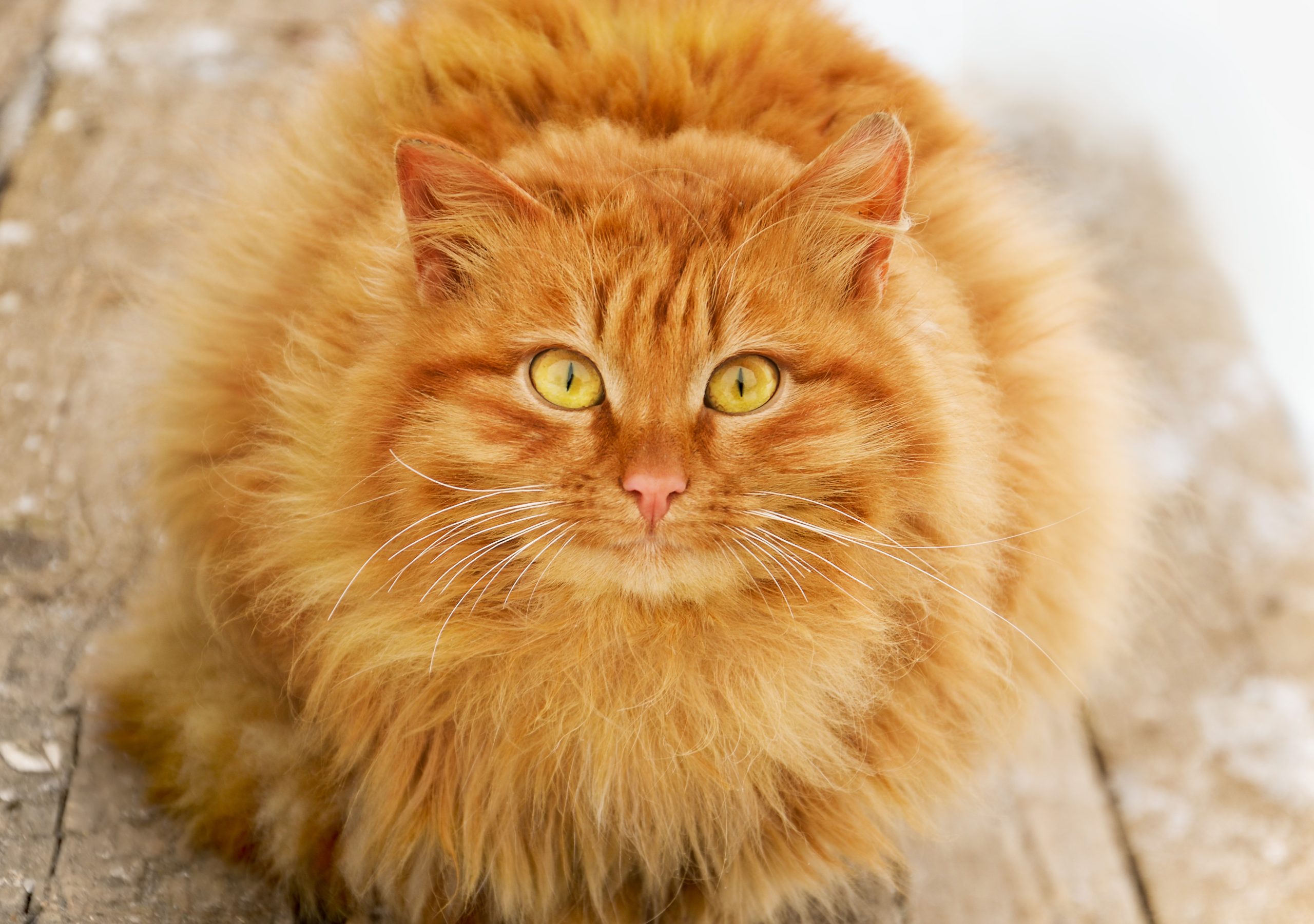
Have you noticed your cat spending hours licking and grooming, sometimes to the point of irritation or hair loss? You might be wondering, “Why does my cat over grooming himself?”
It’s more than just a quirky habit. Over grooming can be a sign that something is bothering your furry friend, whether it’s physical discomfort, stress, or boredom. Understanding why your cat is doing this can help you keep him happy and healthy.
Keep reading to discover the surprising reasons behind over grooming and what you can do to help your cat feel better.

Credit: www.purina.com
Reasons For Cat Over Grooming
Cats groom to keep clean and healthy. Over grooming happens when grooming becomes excessive. This can cause hair loss and skin damage. Understanding why your cat over grooms helps you provide better care. Several reasons may cause this behavior. Some are physical, others emotional.
Skin Allergies And Irritations
Allergies often cause itching and discomfort. Cats react by licking and scratching their skin. Common irritants include food, pollen, and dust mites. This constant irritation leads to over grooming. Skin may become red, inflamed, or scaly.
Parasites And Infections
Parasites like fleas cause intense itching. Even a few fleas can trigger heavy grooming. Bacterial or fungal infections also cause discomfort. Cats try to soothe the affected area by licking. Persistent infections increase grooming frequency.
Stress And Anxiety Triggers
Stress can cause cats to groom excessively. Changes in environment or routine may upset them. Loud noises or new pets can increase anxiety. Grooming becomes a way to self-soothe. This behavior often appears suddenly.
Pain And Discomfort Issues
Injuries or arthritis can cause pain in cats. They may lick painful areas to relieve discomfort. Sometimes the licking worsens the injury. Over grooming can signal hidden pain. Check for wounds or swelling on your cat.
Behavioral Causes
Some cats groom out of boredom or habit. Lack of stimulation can lead to repetitive grooming. This is called psychogenic alopecia. It is a coping mechanism but harmful. Increasing playtime and interaction helps reduce it.
Identifying Over Grooming Signs
Noticing changes in your cat’s grooming habits can be unsettling. Over grooming is more than just a quirky behavior; it often signals discomfort or stress. Recognizing the signs early helps you intervene before the problem worsens.
Bald Spots And Hair Loss
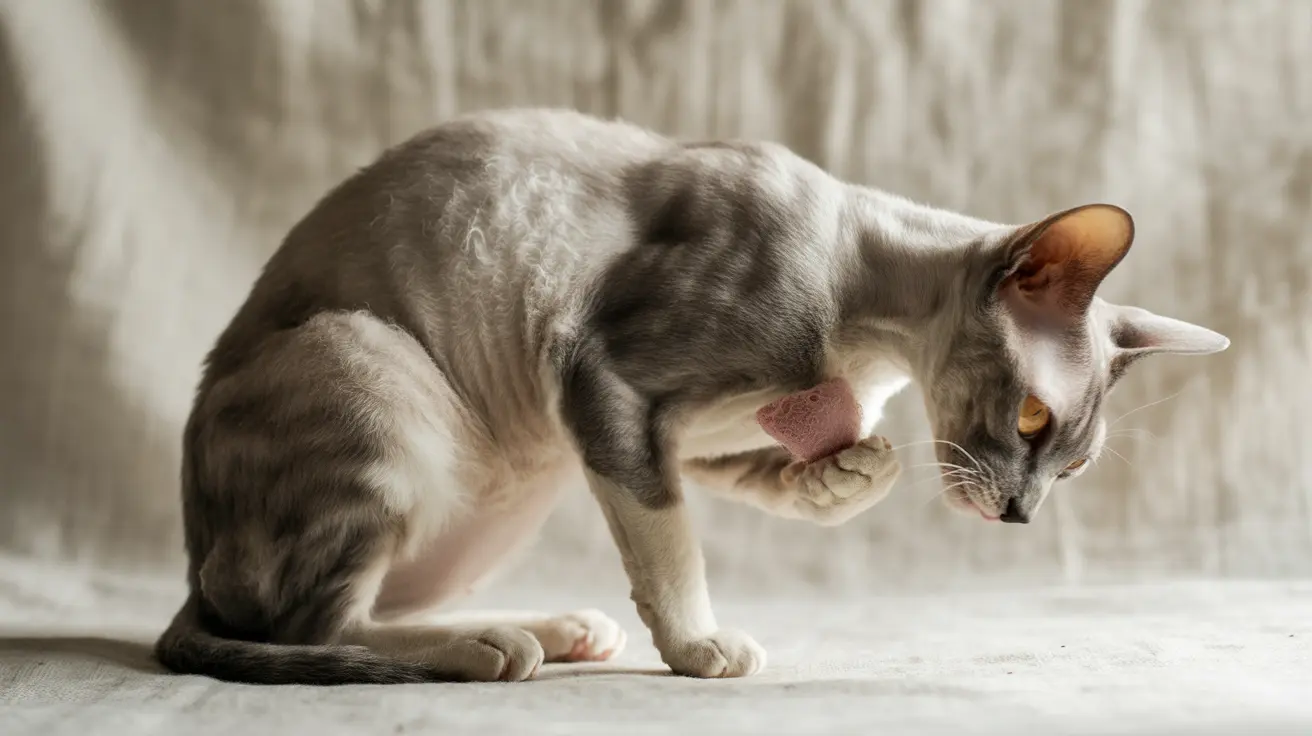
One of the clearest signs of over grooming is bald spots. These appear when your cat licks or chews the same area repeatedly, causing the fur to thin or fall out entirely. Have you checked your cat’s coat lately? Look for patches where the fur looks noticeably sparse or missing.
Sometimes bald spots hide under the collar or around the belly, areas easy to overlook. If you spot these, it’s a sign your cat might be trying to soothe an irritation or anxiety.
Redness And Skin Sores
Red, inflamed skin or sores often accompany over grooming. This happens because constant licking removes the natural oils and damages the skin’s surface. Has your cat been scratching more or showing signs of discomfort?
Skin sores can become infected, making the issue worse. Early detection and proper care are critical to prevent pain and complications.
Excessive Licking Patterns
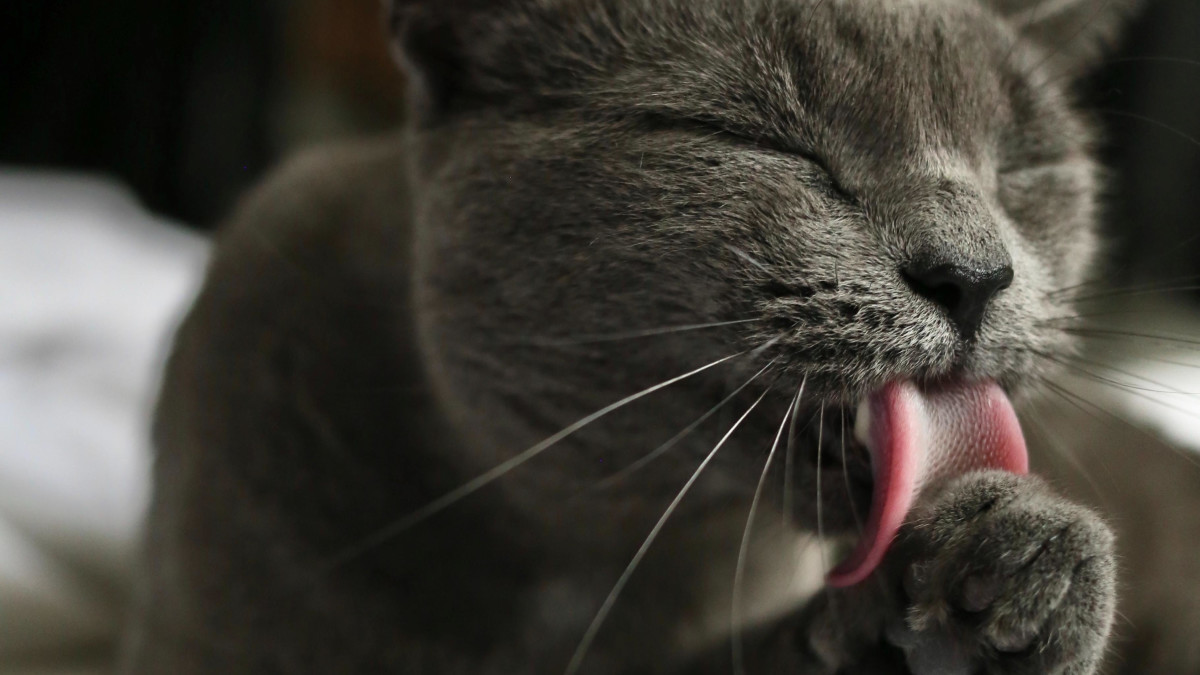
Watch your cat’s grooming routine closely. Excessive licking goes beyond the usual cleaning and becomes repetitive or obsessive. You might notice your cat focusing intensely on one spot for long periods.
Try to observe when this behavior happens—after stressful events, changes in the environment, or during certain times of the day. Understanding these patterns can help you address the root cause effectively.
Health Check And Diagnosis
Over grooming in cats may signal stress, allergies, or skin problems. A health check helps find the exact cause quickly. Early diagnosis ensures proper treatment and comfort for your cat.
When a cat over grooms, it can indicate health issues. Identifying the root cause is crucial. A thorough health check and diagnosis help pinpoint the problem. This ensures your feline friend receives the right care.Veterinary Examination
A vet visit is essential for over grooming cats. The vet checks your cat’s skin and coat. They look for signs of irritation or infection. A complete physical exam helps rule out other issues.Skin Tests And Allergy Screening
Skin tests reveal if allergies are causing over grooming. The vet may perform a patch test. This helps identify specific allergens affecting your cat. Allergy screening is crucial for long-term solutions.Parasite Detection Methods
Parasites can lead to excessive grooming. The vet examines your cat for fleas and mites. They may use a flea comb or skin scrapings. Identifying parasites helps in choosing the right treatment.Managing Over Grooming In Cats
Managing over grooming in cats requires a careful and thoughtful approach. You need to identify the root cause, as this behavior often signals an underlying problem. Addressing it early can prevent further discomfort and skin damage for your feline friend.
Treating Allergies And Infections
Allergies and infections often trigger excessive grooming. Your vet can help pinpoint specific allergens through tests and recommend treatments like antihistamines or medicated shampoos.
Don’t overlook fungal or bacterial infections—they can cause intense itching that drives your cat to over groom. Treating these promptly will reduce irritation and help your cat feel more comfortable.
Parasite Control Strategies
Parasites like fleas and mites are common culprits of over grooming. Regular flea control treatments are essential, even if you don’t see any pests.
Check your cat’s skin and fur frequently, especially during warmer months. Simple prevention can stop the itching cycle before it starts.
Reducing Stress And Anxiety
Stress is a hidden trigger that many cat owners overlook. Changes in the environment, new pets, or even loud noises can cause anxiety that leads to over grooming.
Try creating safe, quiet spaces for your cat and use calming products like pheromone diffusers. Have you noticed your cat’s grooming spike after a stressful event? That could be your clue to intervene.
Pain Management Techniques
Sometimes pain from arthritis or injuries makes your cat lick certain areas excessively. Observing your cat’s movement and behavior can help you spot signs of discomfort.
Consult your vet about pain relief options tailored to your cat’s needs. Managing pain effectively often reduces over grooming caused by irritation.
Behavioral Therapy Approaches
Behavioral therapy can be a powerful tool in stopping over grooming. Techniques like environmental enrichment and positive reinforcement can redirect your cat’s attention.
Introduce interactive toys or play sessions to keep your cat mentally and physically stimulated. This can reduce boredom-driven grooming and improve your cat’s overall well-being.
Preventing Future Over Grooming
Preventing your cat from over grooming is essential to maintain their health and happiness. Over grooming can cause skin irritation and emotional stress, so taking proactive steps can save your pet from discomfort. By focusing on daily habits and their environment, you can help your cat feel secure and relaxed.
Regular Grooming Habits
Brush your cat regularly to reduce loose fur and prevent mats that might tempt excessive licking. Short, gentle sessions work best—make it a bonding time rather than a chore. Have you noticed how your cat reacts to grooming? Use their cues to adjust your approach for a stress-free experience.
Environmental Enrichment
Cats often over groom out of boredom or anxiety. Add toys, climbing spaces, and scratching posts to keep your cat mentally and physically busy. Changing the environment slightly, like rotating toys or introducing new scents, can spark curiosity and reduce stress-induced grooming.
Balanced Diet And Nutrition
What your cat eats affects their skin and coat condition. Ensure their diet includes essential fatty acids like omega-3 and omega-6 to keep skin healthy and less itchy. If your cat has food sensitivities, you might see over grooming as a response—consider discussing diet changes with your vet.
Routine Vet Visits
Regular check-ups help catch underlying health issues before they lead to over grooming. Skin allergies, parasites, or infections might not be obvious but can cause discomfort. Don’t wait for visible symptoms—ask your vet about a skin and coat assessment during your next visit.
Credit: www.petscare.com
Credit: pethelpful.com
Frequently Asked Questions
Why Is My Cat Over Grooming Himself?
Cats over groom due to stress, allergies, or skin infections. It may also signal pain or parasites. Identifying the cause helps provide proper treatment and comfort for your cat.
Can Over Grooming Harm My Cat’s Skin?
Yes, excessive grooming can cause skin irritation, hair loss, and sores. It weakens the skin’s barrier and may lead to infections. Prompt veterinary care can prevent serious damage.
How Can I Stop My Cat’s Over Grooming?
Provide environmental enrichment and reduce stressors. Use vet-recommended treatments for allergies or parasites. Regular check-ups help monitor and address underlying health issues causing over grooming.
Does Over Grooming Indicate A Medical Problem?
Often yes, over grooming signals allergies, parasites, or pain. It’s a common symptom of medical or psychological issues. Consulting a vet ensures accurate diagnosis and treatment.
Conclusion
Cats over groom for many reasons, like stress or skin problems. Watching your cat closely helps you spot signs early. Taking your cat to the vet can find the root cause. Simple changes in the home can reduce your cat’s stress.
Giving your cat plenty of love and care makes a big difference. Understanding why your cat over grooms helps keep them happy. Small steps lead to a healthier, calmer cat. Keep learning about your pet’s needs every day.

Leave a Reply