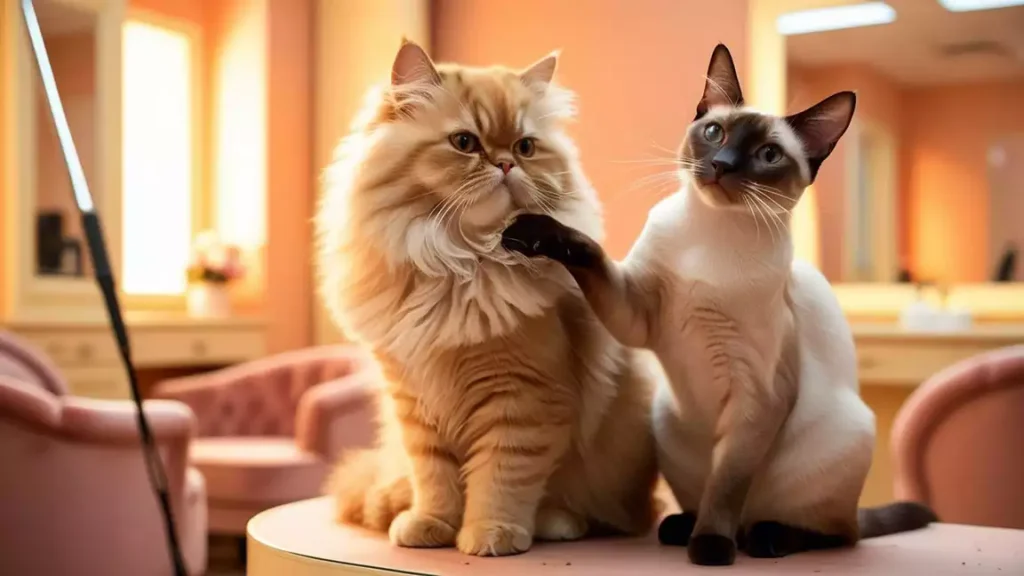
Have you ever watched your cats carefully licking each other and wondered what it really means? When your cats groom each other, it’s more than just cleaning fur.
It’s a secret language they use to show trust, love, and friendship. Understanding this behavior can help you connect deeper with your furry friends and keep them happier. Keep reading, and you’ll discover the surprising reasons behind this sweet act and what it tells you about your cats’ bond.

Credit: www.companionanimalpsychology.com
Cat Grooming Behavior
Cat grooming behavior is more than just a way for your feline friends to stay clean. It’s a vital part of how they communicate, bond, and even manage their health. Watching your cats groom each other reveals a lot about their relationship and emotional state.
How Cats Groom Themselves
Cats use their tongues to clean their fur, removing dirt and loose hair. Their tongues have tiny, hook-like structures that help pull away debris and untangle knots.
Self-grooming also helps cats regulate their body temperature and reduce stress. You might notice your cat licking its paws and then rubbing its face—that’s a common routine to reach hard-to-clean spots.
Types Of Grooming Between Cats
When cats groom each other, it’s called allogrooming. This behavior shows trust and strengthens their bond. You might see one cat licking another’s head, neck, or back, areas they can’t easily reach themselves.
- Social Grooming:Cats use this to build friendships and ease tension between them.
- Comfort Grooming:This happens when cats feel safe and relaxed with each other.
- Dominance Grooming:Sometimes a dominant cat grooms a submissive one to reinforce hierarchy.
Have you noticed if your cats groom each other more during stressful times? This behavior can be a calming ritual, helping them cope and feel secure together.

Credit: catgroomerla.com
Social Bonds Through Grooming
When your cats groom each other, they’re doing more than just cleaning fur. This behavior plays a vital role in building and maintaining their social connections. Observing your cats in this act gives you a glimpse into their unique relationships and how they communicate trust and care.
Strengthening Relationships
Mutual grooming, often called allogrooming, helps cats bond deeply. It shows they trust each other enough to be vulnerable. You might notice that cats who groom together often rest and play together, forming a strong friendship.
Think about your own cats: do they groom each other after waking up or during quiet moments? These times are perfect for them to reinforce their connection. By encouraging such interactions, you support their emotional well-being.
Grooming And Hierarchy
Grooming can also reveal the social structure within your cat family. Usually, dominant cats groom subordinates more often than the other way around. This behavior helps keep peace and order by acknowledging roles without aggression.
Have you seen one cat insistently grooming another while the other stays still? This can indicate respect or submission. Watching these subtle cues helps you understand how your cats relate beyond just play and food sharing.
Health Benefits Of Mutual Grooming
When your cats groom each other, it’s more than just an adorable display of affection. This mutual grooming, or allogrooming, carries several health benefits that contribute to their overall well-being. Understanding these benefits can help you appreciate this behavior and ensure your feline friends are happy and healthy.
Cleaning Hard-to-reach Areas
Cats are naturally fastidious creatures, but even they struggle to reach certain spots during self-grooming. When cats groom each other, they help clean areas like the back of the head and neck that are otherwise hard to access. This cooperative cleaning helps reduce the risk of skin infections and keeps their coat in top condition.
Reducing Stress And Anxiety
Mutual grooming also plays a crucial role in reducing stress and anxiety among cats. The repetitive grooming actions release endorphins, creating a calming effect. Have you ever noticed your cats grooming each other after a loud noise or a stressful event? This behavior helps them soothe each other, enhancing their bond and emotional well-being.
Consider your own relationships. Don’t you feel more connected with someone who helps you when you need it? Similarly, your cats experience a stronger bond and a sense of security through mutual grooming, making it an essential part of their social structure.
Signs Of Trust And Affection
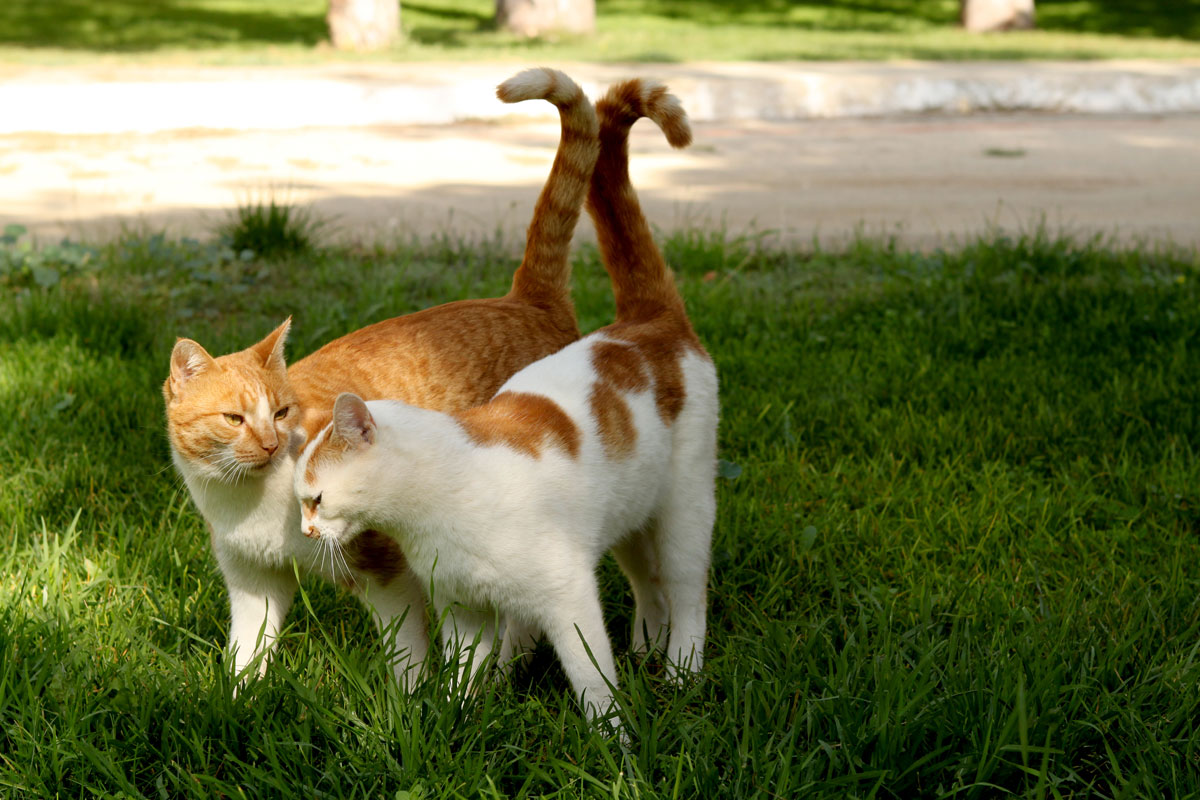
Cats grooming each other is more than just cleaning. It shows deep trust and affection. This behavior reveals how close and comfortable cats feel with each other. Watching cats groom one another helps understand their bond.
Recognizing Positive Grooming
Positive grooming happens when cats gently lick and nibble each other. It is calm and relaxed. Cats often take turns grooming each other’s heads and necks. They avoid sensitive areas like the belly.
This grooming is soft, slow, and careful. Cats purr or close their eyes during this time. It means they feel safe and happy. Watch for relaxed body language and no signs of stress.
When Grooming Indicates Friendship
Grooming shows friendship when cats spend time together regularly. They often groom after playing or resting side by side. It strengthens their social bond and reduces tension.
Cats in a strong friendship might follow each other around. They seek grooming as a way to comfort and support. This behavior signals respect and companionship. It means they trust each other deeply.
Potential Negative Grooming
While cats grooming each other often signals affection and bonding, sometimes it can have a negative side. Potential negative grooming can affect your cat’s health and well-being if not noticed early. It’s important to understand the signs so you can step in before problems grow.
Over-grooming And Skin Issues
Over-grooming happens when one cat licks another excessively. This can lead to bald patches, raw skin, or scabs. Have you ever noticed your cats leaving red spots or missing fur after grooming sessions?
Excessive licking removes natural oils from the skin, causing dryness and irritation. If you see your cats grooming each other nonstop, gently separate them and check for any skin damage. Sometimes, a vet visit is needed to treat infections or allergies triggered by over-grooming.
Grooming As A Sign Of Stress
Grooming isn’t always a calm and happy activity. Sometimes, cats groom each other as a way to cope with stress. You might see one cat repeatedly licking the other during changes in the household, like moving or new pets.
This behavior can be a sign that your cats are anxious or uneasy. Ask yourself what recent changes might be affecting their comfort. Addressing the root cause of stress can reduce this compulsive grooming and improve their overall mood.
Credit: www.companionanimalpsychology.com
Encouraging Healthy Grooming Habits
Encouraging healthy grooming habits in cats helps maintain their bond and well-being. Grooming each other, also called allogrooming, reduces stress and builds trust. Supporting this behavior strengthens their relationship and keeps them clean.
Creating A Comfortable Environment
Cats groom more when they feel safe and relaxed. Provide quiet spaces with soft bedding where cats can rest together. Avoid loud noises or sudden movements that scare them.
Keep their food, water, and litter boxes in calm, accessible spots. Use calming scents or pheromone diffusers to ease anxiety. Regular playtime helps release energy and reduces stress.
Introducing New Cats
Introduce new cats slowly to avoid stress and aggression. Start by keeping them in separate rooms with their own food and litter. Let them smell each other’s scent under the door.
After a few days, allow short, supervised meetings. Watch their body language for signs of comfort or tension. Gradually increase their time together as they groom and play.
Frequently Asked Questions
Why Do Cats Groom Each Other Frequently?
Cats groom each other to strengthen social bonds and show affection. This behavior, called allogrooming, helps build trust and reduce stress between cats. It also promotes hygiene by reaching areas hard to clean alone.
Is Mutual Grooming A Sign Of Cat Friendship?
Yes, mutual grooming indicates a strong friendship and social connection between cats. It shows they feel safe and comfortable together, reinforcing their bond. This behavior often occurs between cats in the same family group.
Can Grooming Prevent Cat Aggression?
Yes, grooming helps reduce tension and prevent aggression between cats. It acts as a calming activity that diffuses potential conflicts. Cats use grooming to communicate peaceful intentions and maintain harmony.
Does Grooming Mean Cats Share Territory?
Yes, cats that groom each other often share a common territory and social group. This behavior helps establish group identity and cooperation. Grooming signals acceptance and unity among cats living together.
Conclusion
Cats grooming each other shows trust and friendship. They feel safe and happy together. This behavior helps them bond and stay clean. Watching cats groom can teach us about their feelings. Remember, it is a sign of love and care.
When cats groom, they share comfort and calm. This simple act means a lot in their world. It helps build strong relationships between cats. Understanding this can deepen your connection with your pets. Keep observing their grooming to learn more about them.

Leave a Reply